Ψάλλοντας τον Ακάθιστο Ύμνο, καλούμεθα, να κάνουμε ένα πνευματικό ταξίδι, που συνδέει την πίστη με την ποίηση, την θεία λατρεία με την αρχαία ελληνική κλασική παράδοση. Για να το επιτύχουμε αυτό, ας ρίξουμε μια ματιά σε δύο σημαντικά στοιχεία της πολιτιστικής μας κληρονομιάς: τους 24 οίκους του Ακαθίστου Ύμνου και τις 24 ραψωδίες των Ομηρικών Επών.
Μέσα από την εμβάθυνση στα ποιητικά αυτά κείμενα, μπορούμε να ανακαλύψουμε κάτι πολύ πιο βαθύ για την φύση του ανθρώπου, την σχέση του με τον Θεό και την συνέχιση της παράδοσης διαχρονικά.
Οι 24 οίκοι των Χαιρετισμών προς την Κυρία Θεοτόκο είναι μια συλλογή ύμνων, οι οποίοι υμνούν την υπερασπιστική και σωτήρια δύναμη της Μητρός του Θεανθρώπου. Κάθε οίκος είναι μια ξεχωριστή προσευχή, αλλά όλοι μαζί συνθέτουν ένα πνευματικό σύνολο, που εκφράζει την πληρότητα της πίστης, της ελπίδας και της αγάπης.
Οι 24 ραψωδίες της “Ιλιάδος” και της “Οδύσσειας” είναι το θεμέλιο της αρχαίας ελληνικής λογοτεχνίας και συνιστούν το μεγαλύτερο έργο της κλασικής εποχής. Κάθε ραψωδία αποτελεί μια ενότητα, με τα δικά της χαρακτηριστικά, όμως μαζί δημιουργούν μια ενιαία αφήγηση που διαπραγματεύεται θέματα της ανθρώπινης ύπαρξης, του ηρωισμού, του πόνου, της τύχης και του θείου πεπρωμένου.
“Ο Ακάθιστος ύμνος χαρακτηρίζεται ως ένα αριστούργημα της βυζαντινής υμνογραφίας, γραμμένο πάνω στους κανόνες της ομοτονίας, ισοσυλλαβίας και μερικώς της ομοιοκαταληξίας. Η γλώσσα του ύμνου είναι σοβαρή και ρέουσα, γεμάτη από κοσμητικά επίθετα και πολλά σχήματα. Έτσι η εξωτερική του μορφή παρουσιάζει μεγάλη ποικιλία και ωραιότητα, που συναγωνίζεται το βαθύ του περιεχόμενο.
Ακάθιστος Ύμνος επεκράτησε να ονομάζεται το Κοντάκιο, το όποιο ψάλλουμε προς τιμήν της Θεοτόκου, τμηματικά κάθε Παρασκευή στις τέσσερις πρώτες εβδομάδες της Μ. Σαρακοστής (6 οίκοι με απόδειπνο – Χαιρετισμοί), και ολόκληρο την πέμπτη εβδομάδα (24 οίκοι). Το προοίμιο του είναι το «Τη Υπερμάχω στρατηγώ», έχει αλφαβητική ακροστιχίδα (Α – Ω) και διπλό εφύμνιο (Χαίρε, Νύμφη ανύμφευτε και Αλληλούια).
Ο Ακάθιστος Ύμνος περιέχει προοίμιο και 24 «οίκους». Οι 24 «οίκοι» σχηματίζουν αλφαβητική ακροστιχίδα και έχουν εφύμνιο οι μεν περιττοί «Χαίρε, Νύμφη, ανύμφευτε», οι δε άρτιοι «Αλληλούια». Από αυτούς οι 12 αναφέρονται στον Κύριο και τελειώνουν με το «Αλληλούια». Οι άλλοι 12 οίκοι αναφέρονται στην Θεοτόκο και τελειώνουν με το «Χαίρε, Νύμφη ανύμφευτε». «Εφύμνιο» λέγεται η τελευταία φράση του ύμνου που επαναλαμβάνει ο λαός.
Ο Ύμνος διακρίνεται σε δύο ενότητες:
Α) Α-Μ, που αποτελεί το ιστορικό τμήμα (Ευαγγελισμός της Θεοτόκου, σύλληψη Χριστού από την Παναγία, επίσκεψη της Θεοτόκου στην Ελισάβετ, ανησυχία Ιωσήφ, επίσκεψη ποιμένων και μάγων στο νεογέννητο Χριστό, επιστροφή Μάγων, φυγή στην Αίγυπτο, Υπαπαντή), και
Β) Ν-Ω, που αποτελεί το δογματικό-θεολογικό τμήμα (άσπορος σύλληψη, θεότης και ανθρωπότης του Χριστού, σωτηρία του ανθρώπινου γένους με τη θυσία του Ιησού, θέωση των ανθρώπων, θεομητορικής αξίας της Θεοτόκου κά, χωρίς όμως να λείπουν από κάθε ενότητα και στοιχεία της άλλης.” (Ο Ακάθιστος Ύμνος: Ιστορία, Δομή, Περιεχόμενο, Σύνθεση.)
Αν και οι οίκοι των Χαιρετισμών και οι ραψωδίες των Ομηρικών Επών ανήκουν σε εντελώς διαφορετικούς κόσμους, μπορεί κανείς να βρει μια ενδιαφέρουσα ομοιότητα στην ιερή διάταξη και την ενότητα που προσφέρουν.
Κάθε οίκος των Χαιρετισμών, όπως και κάθε ραψωδία των Ομηρικών Επών, είναι ανεξάρτητος και ξεχωριστός, αλλά και οι δύο ενότητες προσφέρουν μια πλήρη εικόνα της ύπαρξης του ανθρώπου και της σχέσης του με τον Θεό. Στην Ορθόδοξη πίστη, ο Χριστός είναι το κέντρο της σωτηρίας, και οι 24 οίκοι της Παναγίας οδηγούν τον πιστό σε μια αδιάκοπη αναζήτηση της χάρης του Θεού και της προσέγγισής του στο σχέδιο της Θείας Οικονομίας.
Αντίστοιχα, οι 24 ραψωδίες των Ομηρικών Επών δεν είναι απλώς αφηγήσεις για ηρωϊκές πράξεις, αλλά βαθιές αναζητήσεις για την ανθρώπινη φύση, την αλήθεια και το κάλεσμα προς την υπέρβαση.
“Η ορθόδοξη υμνολογία αποτελεί ένα κορυφαίο κεφάλαιο στον παγκόσμιο πολιτισμό. Είναι η αδιάκοπη συνέχεια της αρχαιοελληνικής ποίησης, καθότι ο αρχαιοελληνικός πολιτισμός διασώθηκε και αναπτύχθηκε μέσα στο Χριστιανισμό. Η καλλιέπεια του Ακαθίστου Ύμνου είναι πραγματικά θαυμαστή. Είναι η σπουδαιότερη υμνολογική σύνθεση της Εκκλησίας μας και ένα κορυφαίο ποίημα της παγκόσμιας λογοτεχνίας. Πραγματικά, τα εκφραστικά και αισθητικά στοιχεία του είναι πολλά. Εξαιρετική εντύπωση προκαλούν οι παρομοιώσεις, οι ζωηρές εικόνες από την καθημερινή ζωή, το φυτικό και ζωικό βασίλειο, οι αντιθέσεις, τα αφηρημένα ουσιαστικά, τα οποία έπλεξε αριστοτεχνικά ο ποιητής σε κάθε στίχο.” (Λάμπρου Σκόντζου, θεολόγου, Η θεολογική και αισθητική αξία του Ακαθίστου Ύμνου.)
Aπό τα ομηρικά έπη, η Iλιάδα έχει κεντρικό θέμα τον θυμό του Aχιλλέα, ο ποιητής όμως περιέλαβε, επίσης, τον πόλεμο του Iλίου, που έγινε κατά την Μυκηναϊκή εποχή, γι᾽ αυτό και ονομάστηκε “Iλιάδα” και όχι “Aχιλληίδα”.
Η δράση στην Οδύσσεια συμπυκνώνεται σε σαράντα μέρες, ενώ οι περιπλανήσεις του ήρωα διαρκούν δέκα χρόνια. Η Oδύσσεια εξιστορεί τον αγώνα του Βασιλιά της Ιθάκης Oδυσσέα, του φημισμένου πολεμιστή και πρωταγωνιστή του Τρωϊκού πολέμου, για τον νόστο, δηλαδή την νοσταλγία του για την πατρίδα του, μετά από δεκάχρονη περιπλάνηση και περιπέτειες, αφότου τέλειωσε ο Τρωϊκός πόλεμος.
Η Οδύσσεια χωρίζεται σε 24 οδυσσειακές ραψωδίες και τρείς διηγηματικές γραμμές (τρεις κύκλους): α) Τηλεμάχεια (ραψωδίες α-δ), όπου πρωταγωνιστεί ο Τηλέμαχος, ο οποίος ταξιδεύει, για να πληροφορηθεί για τον πατέρα του, β) Νόστος (ραψωδίες ε-ν 209), όπου αναφέρεται στον αγώνα του Οδυσσέα να επιστρέψει στην Ιθάκη και τις εριπλανήσεις του και γ) Μνηστηροφονία (ραψωδίες ν 210-ω), όπου ο Οδυσσέας, με την βοήθεια της θεάς Αθηνάς και συνεργαζόμενος με τον Τηλέμαχο, εξοντώνει τους μνηστήρες, αναγνωρίζεται με την Πηνελόπη και συμφιλιώνεται με τους συγγενείς των σκοτωμένων μνηστήρων.
Tα ποιήματα αυτά τα τραγουδούσαν σε συμπόσια και εορταστικές εκδηλώσεις, εξυμνώντας τα κατορθώματα των μεγάλων παλαιών ηρώων και τα συνέδεαν με νεότερους θρύλους. Για πολλούς αιώνες, όχι μόνο ψυχαγωγούσαν τους αρχαίους Έλληνες, αλλά και τους δίδασκαν. Από αυτά μάθαιναν την ιστορία και την θρησκεία τους και έπαιρναν διδάγματα ζωής.
Η μόνη αρχαία αναφορά στον χωρισμό των ομηρικών ποιημάτων βρίσκεται στον Πλούταρχο (Βίος Ομήρου 2, 4), που τον αποδίδει στους γραμματικούς “περί του Αριστάρχου”, στον 3ο αιώνα π. Χ.
Η αλληγορική ερμηνεία των ομηρικών επών εγκαινιάστηκε από τον Θεαγένη, ήδη από τον 6ο αι. π.Χ.. Στην Ελληνιστική εποχή, στην Πτολεμαϊκή Αλεξάνδρεια, γεννήθηκε η αληθινή «ομηρική φιλολογία», όπου έγινε η πρώτη επίσημη καταγραφή των ομηρικών επών, με πρωτοβουλία του Πεισιστράτου. (Πλάτωνος, Ίππαρχος)
Ο πρώτος κριτικός εκδότης των Ομηρικών Επών ήταν ο βιβλιοθηκάριος της Βιβλιοθήκης της Αλεξάνδρειας, ο Ζηνόδοτος ο Εφέσιος (330-260 π.Χ.), ο οποίος χώρισε την Ιλιάδα και την Οδύσσεια σε 24 ραψωδίες, που αριθμούνται με τα γράμματα του ελληνικού αλφαβήτου, από το Α ως το Ω, κεφαλαία στην Ιλιάδα, πεζά/μικρά στην Οδύσσεια, με τίτλους ανάλογους με το περιεχόμενο τους.
“Ο σύγχρονος νόστος αρχίζει, άρα, από την ελληνική γλώσσα, αφού η γλώσσα είναι η αληθινή μας πατρίδα.” (Massimo Cazzulo, Ο Όμηρος και το αλφάβητο.)
“Κάθε ραψωδία της Οδύσσειας και της Ιλιάδας, αποτίει φόρο τιμής σ’ ένα γράμμα του αλφαβήτου, η πρώτη στο άλφα, η δεύτερη στο βήτα και ούτω καθεξής. Στο Α της Ιλιάδας εμφανίζονται πολλά πρόσωπα των οποίων το όνομα αρχίζει από το γράμμα αυτό: η Αθηνά και ο Απόλλων στη διένεξη μεταξύ Αχιλλέα και Αγαμέμνονα […]. Τα ομηρικά έπη εγκαινιάζουν το αλφάβητο, γιορτάζουν τη γέννησή τους. Στο Π της Οδύσσειας κυριαρχεί η λέξη πατήρ: η ραψωδία περιγράφει τη συνάντηση του Οδυσσέα με τον γιο του τον Τηλέμαχο. Η αντίστοιχη ραψωδία της Ιλιάδας αφηγείται τα κατορθώματα και το θάνατο του Πατρόκλου.” (Βασίλη Αλεξάκη: Η μητρική γλώσσα (Αθήνα, 1995).)
Όπως οι 24 ραψωδίες, που συνθέτουν το όλον της ελληνικής ηρωϊκής παράδοσης, οι 24 οίκοι των Χαιρετισμών συνθέτουν μια πνευματική αρμονία και προσευχή, που κατευθύνει την σκέψη και την ψυχή του πιστού προς την υπερβατική προσέγγιση του Δευτέρου Προσώπου της Αγίας Τριάδος, του Υιού και Λόγου του Θεού.
Κάθε οίκος, όπως και κάθε ραψωδία, ξεκινά με μια συγκεκριμένη αποστολή, μ᾽ ένα στόχο και με μια κατεύθυνση. Μας προσφέρει μια νέα πτυχή της πίστης και της ανθρώπινης εμπειρίας και μας οδηγεί πιο κοντά στην θεία αποκάλυψη.
Ο πρώτος οίκος των Χαιρετισμών μας προετοιμάζει για την αναγνώριση της Θεοτόκου ως Μητέρα του Υιού του Θεού, η δε πρώτη ραψωδία της “Ιλιάδος” του Ομήρου, αναφέρεται στον Αχιλλέα, ο οποίος αναζητά την αποκατάσταση της τιμής του και την λύση του πόνου του. Και οι δύο αρχίζουν με πνευματική έξαρση κι ένα αίτημα για λύτρωση.
Στην πορεία, οι ραψωδίες και οι οίκοι ακολουθούν τον δρόμο της πνευματικής κάθαρσης.
Οι 24 οίκοι των Χαιρετισμών και οι 24 ραψωδίες των Ομηρικών Επών μας υπενθυμίζουν, ότι η ανθρωπότητα, από την αρχαιότητα μέχρι και σήμερα, αναζητά την κατανόηση της ζωής και της σχέσης της με τον Θεό.
“Ο διδακτικός λόγος του και οι πανανθρώπινες αξίες που προβάλλει μέσα από την ποίησή του ο Όμηρος, παραμένουν αναλλοίωτες στο χρόνο. Αξίες και ήθος αναδύονται μέσα από τους χαρακτήρες των Ομηρικών Επών και οι Ομηρικοί Ήρωες αποτελούν αειθαλή πρότυπα τιμιότητας, ευγένειας, ηθικής και φιλοξενίας. Ένα χαρακτηριστικό παράδειγμα είναι και η φιλοξενία του Οδυσσέα στο Νησί των Φαιάκων, η συμφιλίωση του Αχιλλέα με τον Πρίαμο, το ήθος και η τιμιότητα της Πηνελόπης. Παράλληλα με τις ηθικές αξίες, όπως ο σεβασμός στους νεκρούς, η πίστη, η αγάπη, η δικαιοσύνη, η υστεροφημία, παρατηρούνται και επισημαίνονται και οι ανθρώπινες αδυναμίες από τις οποίες διέπονται οι θεοί και οι ήρωες. Και ο βασικός ρόλος των Θεών είναι η επιβολή της τάξης. Ύψιστα πρότυπα ανθρωπίνων χαρακτήρων έμειναν άσβηστα στο χρόνο, όπως ο πολυμήχανος Οδυσσέας και ο γενναίος Αχιλλέας. Ο Όμηρος, κορυφαίος ηθογράφος της εποχής του συμβάλλει στην προβολή και την καλλιέργεια ατομικών και συλλογικών αξιών, ανοίγοντας δρόμους προς την αυτογνωσία, την αλήθεια και το φως της ζωής.” (Αναστασία Κατσικογιάννη-Μπάστα, Η πανανθρώπινη αξία των Ομηρικών Επών δια μέσου των Αιώνων.)
Ο κάθε οίκος, με τους ύμνους, και κάθε ραψωδία, με την δική της αφήγηση, συμβάλλουν στην σύνθεση του όλου. Μας βοηθούν να κατανοήσουμε τον πόνο και την ελπίδα, το Θείο και το ανθρώπινο, και τελικά την ανάγκη για σωτηρία και λύτρωση.
“Το νοηματικό εύρος όμως της Ιλιάδας και της Οδύσσειας εκτείνεται πιο πέρα από τα όρια της καλλιτεχνικής δημιουργίας και αφήγησης μυθολογικών ή ιστορικών γεγονότων και αφορούν σε σημαντικότατες κοσμολογικές και θεολογικές έννοιες. Τα έπη του Ομήρου, ανάγονται στη σφαίρα της Προμηθεϊκής υπέρβασης και τον καθιστούν μέγιστο δάσκαλο της ανθρωπότητας. Ο Όμηρος δεν υπήρξε μόνον ο πιο εμπνευσμένος ποιητής του αρχαίου ελληνικού κόσμου, αλλά και ένας από τους μεγαλύτερους πανεπιστήμονες όλων των εποχών, αφού στα έπη του αναγνωρίζονται οι αρχές της ελληνικής Θεολογίας, Φιλοσοφίας και Επιστήμης.
Ο Όμηρος είναι ο «πατέρας των Ελλήνων» καθώς η αρετή της ανδρείας και της ρητορικής δεινότητας και πειθούς, η επίτευξη της τελειότητας σε λόγια και έργα, αποτελούσαν τα θεμελιώδη χαρακτηριστικά του ελληνικού ιδανικού. Οι αρχετυπικές διηγήσεις του συνθέτουν μια ολιστική φιλοσοφία που άσκησε τεράστια επίδραση στη φυσική, ηθική και πολιτική φιλοσοφία της αρχαιότητας γι’ αυτό και ο Πλάτωνας έχοντας ασπαστεί πλήθος απόψεων του ποιητή τον ονόμασε αρχηγέτη των φιλοσόφων της Ιωνίας.
Αντίθετα ο Ηράκλειτος ο Αλληγοριστής αποκαλούσε τον Όμηρο «Μέγα ιεροφάντη του ουρανού και των Θεών… αυτόν που άνοιξε τους άβατους και αποκλεισμένους για τις ανθρώπινες ψυχές δρόμους προς τον ουρανό».” (Αναστασία Κατσικογιάννη-Μπάστα, Η πανανθρώπινη αξία των Ομηρικών Επών δια μέσου των Αιώνων.)
Ως περιεχόμενο του Ακαθίστου Ύμνου προβάλλεται ο Ευαγγελισμός της Θεοτόκου και εξαίρεται επίσης με έμφαση η συμβολή της Θεοτόκου στο έργο της σωτηρίας του ανθρωπίνου γένους, η Οποία αξιώθηκε να γίνει η νοητή κλίμαξ, η οποία ένωσε την γη με τον ουρανό, το Θείο με το ανθρώπινο. Ας ζήσουμε αυτό το πνευματικό ταξίδι, γνωρίζοντας ότι οι 24 οίκοι των Χαιρετισμών και οι 24 ραψωδίες του Ομήρου δεν είναι μόνο μέρη του παρελθόντος, αλλά ζωντανά κομμάτια της ανθρώπινης εμπειρίας, της πίστης και παράδοσής μας, που συνεχίζουν να μας καθοδηγούν στο παρόν και το μέλλον, ως βίωμα και προσευχή, με μια μοναδική διαχρονικότητα.
Topic: The Orthodox Church Under Persecution; From the Apostolic Age to the Present
Introduction
Throughout its two thousand year history, the Orthodox Church has walked a path that is inseparable from sacrifice, suffering and witness.
From the earliest days when the Apostles were imprisoned and beaten, through the terrible persecutions under Roman emperors, the struggles under Islamic rule, the centuries of hardship under the Ottoman Empire and the suffering inflicted by totalitarian regimes in the twentieth century, the Church has never been free from tribulation.
Yet paradoxically, those trials have revealed the spiritual strength of Christianity and the profound truth of Christ’s words: “In the world you will have tribulation; but be glad, since I have overcome the world”.
Our Lord prepared His followers for this reality. In the Gospel of John He warns: “If they persecuted Me, they will also persecute you”. (John 15:20)
Saint Paul tells us that “all who desire to live a godly life in Christ Jesus will be persecuted”. (2 Timothy 3:12)
Persecution is not an accident of history; it is inseparable from authentic Christian life. The Greek word martyria means witness. The martyrs are those who bear witness to the truth of the Gospel, not only with their lips, but with their blood.
Today’s homily will trace this story across the centuries. We will begin with the Apostolic age and the first Roman persecutions, listen to the voices of the early Apostolic Fathers, who explained the theology of martyrdom, journey through the new challenges that arose after Christianity was legalized under Constantine, consider the experience of Orthodox Christians living under Islamic and Ottoman rule, reflect upon the “New Martyrs” of the twentieth century under atheistic regimes, and finally turn toward the contemporary world.
Throughout this journey, we will contemplate the spiritual meaning of persecution; how suffering unites us to Christ and transforms us for the Kingdom of God.
1. The Apostolic Era and the First Centuries
Persecution began almost immediately after the birth of the Church. The first Christian martyr was Saint Stephen, whose death around A.D. 34 is recorded in the Acts of the Apostles. (Acts 7) His final prayer—“Lord, do not hold this sin against them” (Acts 7:60)—echoes our Lord’s own words from the cross and sets the tone for Christian martyrdom; forgiveness and love even for one’s persecutors.
Soon afterwards St. James the Apostle was executed by Herod Agrippa (Acts 12:2), and according to early tradition Peter and Paul were martyred in Rome during Nero’s persecution around A.D. 64–67.
One of the earliest theological reflections on martyrdom comes from Saint Ignatius of Antioch (c. 35–107). On his journey to execution in Rome he wrote, “I am God’s wheat, and I shall be ground by the teeth of beasts, that I may become the pure bread of Christ”.
For St. Ignatius, martyrdom was not defeat but union with Christ; he begged the Roman Christians not to stop his martyrdom so that he could “attain to God”. (St. Ignatius of Antioch, Epistle to the Romans, 4)
Around the same period the aged Bishop Polycarp of Smyrna was arrested. When ordered to renounce Christ, he answered: “For eighty six years I have served Him, and He has done me no wrong. How can I blaspheme my King who saved me?” (Martyrdom of Polycarp, 9) Polycarp’s words became a model for countless believers.
During the second and third centuries, Christians remained illegal in the Roman Empire. Persecutions flared under emperors such as Trajan (98–117), Marcus Aurelius (161–180), Decius (249–251), and Diocletian (284–305).
The apologist Tertullian famously observed: “The blood of the martyrs is the seed of the Church”. (Apologeticum, 50) His phrase captures the early Christian conviction that the Church grows through suffering, not power.
This era produced many martyrs—men, women and children—whose names are known to God. Their witness preserved the faith when the Church had no worldly support.
2. The Theology of Martyrdom in the Early Church Fathers
To understand persecution we must turn to the spiritual wisdom of the Holy Fathers. Saint John Chrysostom (347–407), Archbishop of Constantinople, also experienced persecution and exile for criticizing corruption within the imperial court. Reflecting on the endurance of the Church, he wrote: “Οὐδὲν Ἐκκλησίας ἰσχυρότερον.” (“Nothing is stronger than the Church.”) (John Chrysostom, Homily on Isaiah, PG 56:139)
He also observed that persecution strengthens the Church: “Ὅσον πολεμεῖται ἡ Ἐκκλησία, τοσοῦτον λαμπρότερον γίνεται.” (“The more the Church is attacked, the more radiant she becomes.”) (Homilies on Acts, PG 60:162)
Saint John Chrysostom emphasised that persecution purifies the Church, writing, “The blood of the martyrs is the seed of the Church”. He insisted that the more violently the Church is struck, the more she grows; he compared persecution to waves striking a ship that is never submerged. (Homilies on the Acts of the Apostles)
Chrysostom taught that God allows trials to purify our souls “as gold is purified by fire”. (Homily on Romans) For him, the Church’s strength lies not in walls and weapons but in Christ.
In his reflections on the martyrs, Chrysostom described their courage as the result of divine grace: “The martyrs despised death because they saw a greater life. They endured torments because they looked toward the crown prepared for them.” (Homily on the Martyrs)
“For the martyrs, death was not a defeat but a passage to life; their suffering became the path to eternal glory.” “The trials sent by God are medicines for the soul, purifying it from corruption and leading it toward salvation.” (Letter 101)
He also emphasized that persecution reveals the authenticity of Christian faith: “Tribulation makes the faithful shine more brightly, as gold is purified by fire.”
Saint Basil the Great, who lived during the theological conflicts of the fourth century, compared martyrs to athletes who struggle for a crown that is eternal. In his Homily on the Forty Martyrs, he writes that the martyrs did not fear death because they had already learned to despise the world; they looked not at the pain of suffering but at the warmth of Christ’s love burning in their hearts. (Homily on the Forty Martyrs)
He explained that the trials permitted by God are medicines for the soul which purify us from corruption and lead us toward salvation. In this way, St. Basil teaches us that suffering, far from being meaningless, can heal us and bring us closer to God.
Saint Gregory the Theologian (329–390) offered one of the most profound theological reflections on martyrdom. In his orations honoring the martyrs, Gregory emphasizes that their witness reflects the sacrifice of Christ Himself. “Μάρτυρες γάρ εἰσιν οἱ τὸν Χριστὸν μιμούμενοι διὰ τῆς θυσίας τῶν σωμάτων.” (“For the martyrs are those who imitate Christ through the sacrifice of their bodies.”) (Oration 43, PG 36:520)
Saint Gregory also described the martyrs as the spiritual foundation of the Church: “Τὸ αἷμα τῶν μαρτύρων θεμέλιος τῆς Ἐκκλησίας γίνεται.” (“The blood of the martyrs becomes the foundation of the Church.”) (Oration 45, PG 36:661)
Saint Cyril of Alexandria teaches us that those who endure suffering for Christ demonstrate that nothing in this world is more precious than communion with Him. He explains that the strength of the martyrs comes, not from human courage, but from the grace of the Holy Spirit.
The Christological theology of Saint Cyril of Alexandria (c. 376–444) also contains reflections on the courage of the martyrs.
In his commentary on the Gospel of John, Saint Cyril writes: “Οἱ ὑπὲρ Χριστοῦ πάσχοντες δείκνυσιν ὅτι τὸ ἀγαπᾶν αὐτὸν ὑπὲρ πάντα τὰ ἐν κόσμῳ.” “Those who suffer for Christ show that loving Him is greater than all things in the world.” (Commentary on John, PG 73:161)
For Saint Cyril, martyrdom demonstrates the ultimate priority of communion with Christ over all earthly concerns.
One of the greatest defenders of Orthodoxy was Saint Athanasius the Great (c. 296–373), the champion of the Nicene faith against Arianism. Saint Athanasius endured five exiles between 335 and 366, due to political and theological opposition, for defending the Divinity of Christ.
In his Festal Letters, Saint Athanasius reflects on the spiritual victory of the martyrs: “Οἱ μάρτυρες τῇ τοῦ Χριστοῦ ἀληθείᾳ μαρτυροῦσι καὶ τὴν πίστιν αὐτῶν διὰ τῶν παθημάτων ἐπιδεικνύμενοι.”(“The martyrs bear witness to the truth of Christ and demonstrate their faith through their sufferings.”) (Festal Letter 39, PG 26:1437)
In another reflection on perseverance, he emphasized the spiritual victory hidden within suffering: “The Lord did not promise His disciples freedom from trials, but victory through them.” (On the Incarnation)
“Those who endure suffering for the sake of Christ show that nothing in this world is more precious to them than communion with Him.” (Commentary on John)
He further explains that persecution reveals the power of divine grace within the believer: “The strength of the martyrs does not arise from human courage but from the grace of the Holy Spirit who dwells within them.” (Commentary on Luke)
This unified witness of the Holy Fathers reveals several principles; persecution is inseparable from authentic Christian life; martyrdom is participation in Christ’s Cross; suffering purifies and strengthens the Church; faithfulness to truth is more important than worldly security; and the Church’s ultimate victory is spiritual, not political.
3. From Saint Constantine the Great to New Challenges
With the Edict of Milan (313), Christianity was legalized in the Roman Empire. The age of pagan persecution ended. However, new struggles arose. The Church now faced internal theological conflicts.
Saint Maximus the Confessor (c. 580–662) confronted the Monothelite heresy, which denied Christ’s two wills. For refusing to compromise, he was arrested, tried and brutally punished; his tongue and right hand were cut off.
At his trial he declared: “Κἂν πᾶσα ἡ οἰκουμένη κοινωνήσῃ τῷ πατριάρχῃ, ἐγὼ οὐ κοινωνῶ.” (“Even if the entire world should commune with the patriarch, I will not.”) (Acta Maximi Confessoris, PG 90:117)
Saint Maximus also wrote about the spiritual meaning of suffering for the truth: “Ἡ ἀγάπη τοῦ Θεοῦ ἐνισχύει τὸν ἄνθρωπον ὑπομένειν καὶ θλίψεις καὶ διωγμούς.” (“The love of God strengthens a person to endure afflictions and persecutions.”) “The one who loves God cannot help but love every human being as himself, even if he is grieved by the passions of those who are not yet purified.” (Maximus the Confessor, Four Hundred Texts on Love, PG 90:964)
Saint Maximus viewed suffering for the truth as participation in Christ’s own sacrifice. He wrote: “He who loves truth must be ready to suffer for it, for truth is revealed most clearly through those who endure suffering for God.” (Letters)
The Confessors remind us that persecution does not always take the form of physical death. Often it appears as exile, slander, or isolation for the sake of defending the truth of the faith.
Saint Maximus shows that persecution may come, not only from pagans, but also from emperors and religious authorities. He teaches that fidelity to truth is more important than human approval.
Despite this brutal punishment, his theological position was eventually vindicated at the Sixth Ecumenical Council (Constantinople III, 680–681).
Saint Gregory Palamas, Archbishop of Thessaloniki, lived during the fourteenth century, a time of both theological controversy and political instability within the Byzantine Empire. He is best known for defending the theology of Hesychasm, particularly the distinction between the essence and energies of God.
However, his defense of Orthodox spiritual tradition brought severe opposition. Palamas was imprisoned for several years during the controversy. Reflecting on suffering and spiritual struggle, Palamas wrote: “Through trials and afflictions the soul is purified, just as gold is purified in the furnace.” (Homily on the Entry of the Theotokos)
He also emphasized that the Christian life necessarily includes participation in the Cross: “If we wish to share in the glory of Christ, we must first share in His suffering.” (Homilies)
While Christianity enjoyed imperial favor, persecutions continued elsewhere. In the Sassanian Persian Empire, Christians were often suspected of loyalty to Rome and faced severe persecution; thousands were executed during the reign of Shapur II. Beyond the Roman world, the Church continued to bear witness through blood.
4. Byzantine Hagiography and the Synaxaria: Sources for the Martyr Tradition
The theological and spiritual understanding of martyrdom in the Orthodox Church is preserved, not only in theological treatises, but also in liturgical and hagiographical sources, particularly the “Synaxarion” (Συναξάριον) and Byzantine martyrdom narratives known as the “Passiones” or “Passions of the Martyrs.”
The Synaxarion of Constantinople, compiled between the 9th and 10th centuries, contains brief accounts of the lives and martyrdoms of saints arranged according to the liturgical calendar. These texts became central to the daily liturgical remembrance of martyrs in the Byzantine Church.
The Synaxarion describes martyrdom as a participation in the suffering of Christ and frequently emphasizes the divine grace that strengthens the martyrs during persecution.
A typical Synaxarion formula reads: “Ὁ ἅγιος μάρτυς ἐν τῇ ὁμολογίᾳ τοῦ Χριστοῦ ἀνδρείως ἠγωνίσατο.” (“The holy martyr struggled courageously in the confession of Christ.”)
(Synaxarium Constantinopolitanum, Acta Sanctorum, November vol., Propylaeum)
Byzantine martyrdom texts often emphasize three theological themes: Imitation of Christ’s Passion; Divine assistance through grace; Victory through apparent defeat.
Modern scholarship has emphasized that these narratives were, not merely devotional literature, but also theological texts, shaping Christian identity.
Studies of Byzantine hagiography note that martyr narratives portray saints as spiritual athletes whose endurance reveals divine power rather than human heroism.
These texts helped transmit the theology of martyrdom, from the early Church into the Byzantine and post-Byzantine periods.
5. The Theology of Martyrdom in Saint Gregory Palamas and the Hesychast Tradition
One of the most important theological developments in late Byzantine spirituality occurred during the Hesychast controversy of the 14th century, in which Saint Gregory Palamas (1296–1359) defended the spiritual tradition of contemplative prayer, practiced by the monks of Mount Athos.
Although Palamas is best known for articulating the distinction between the Divine essence (οὐσία) and Divine energies (ἐνέργειαι), his theology also deepened the Orthodox understanding of suffering, ascetic struggle, and spiritual transformation.
In his work “Against Akindynos,” Palamas explains that believers participate in the divine life, not through God’s essence, but through His energies: “Θεὸς φῶς ἐστίν, οὐ κατ᾽ οὐσίαν ἀλλὰ κατ᾽ ἐνέργειαν.” (“God is Light not according to His essence but according to His energy.”) (Gregory Palamas, Contra Akindynum, PG 150:823A)
This teaching has important implications for the theology of martyrdom. For Palamas, the saints and martyrs participate in the uncreated divine energies, which enable them to endure suffering and attain union with God.
Hesychasm emphasized purification of the heart, illumination of the mind, and participation in divine grace through prayer and ascetic struggle.
Palamas also describes spiritual struggle as a living sacrifice offered to God: “The passionate power of the soul must be offered to God alive as a sacrifice.” (Palamas, Hesychastic Treatises)
This language echoes the Apostolic teaching in Romans 12:1 and connects martyrdom with the broader ascetic life of the Church.
Thus, in the Palamite tradition, martyrdom represents the culmination of the ascetic struggle. The martyr is the one who offers, not only prayer and fasting, but his entire life as a sacrifice of love.
The Hesychast theology therefore integrates martyrdom into the wider spiritual life of the Church: purification, illumination, and deification (θέωσις).
6. The Neo-Martyrs in Byzantine and Post-Byzantine Tradition
The rise of Islam in the seventh century transformed the religious landscape. Many historic Christian centers—including Antioch, Jerusalem and Alexandria—fell under Islamic rule. Christians were recognized as dhimmī (protected peoples) but were subject to restrictions and heavy taxes.
Despite these difficulties, the Orthodox Church survived and produced saints and theologians. The faithful learned to live as a minority while maintaining their identity.
The Fall of Constantinople in 1453 marked a profound turning point. Under Ottoman rule the Ecumenical Patriarchate of Constantinople continued to function, but Orthodox Christians often faced pressure to convert to Islam.
The lives of the saints/martyrs were preserved in post-Byzantine hagiographical collections such as:
• The New Martyrology of Saint Nicodemus of the Holy Mountain (Νέον Μαρτυρολόγιον, 1799)
• Regional Synaxaria and liturgical commemorations
These texts continued the Byzantine tradition of martyr narratives. One example is Saint George of Ioannina (†1838), whose martyrdom is recorded in the Synaxarion for January 17.
The Synaxarion describes his steadfast confession: “Οὐκ ἀρνοῦμαι τὸν Χριστόν· χριστιανὸς γεννήθηκα καὶ χριστιανὸς ἀποθνῄσκω.” (“I do not deny Christ; I was born a Christian and I die a Christian.”) (Synaxarion entry for St. George of Ioannina)
Another major figure is Saint Kosmas the Aetolian (1714–1779), a missionary monk who travelled across the Balkans encouraging Orthodox education and faith.
The Neo-Martyrs played a crucial role in preserving Orthodox identity during centuries of foreign rule. Their witness strengthened Christian communities and provided powerful examples of faithfulness.
7. The Twentieth Century: New Martyrs Under Totalitarian Regimes
The twentieth century brought one of the greatest waves of persecution in Christian history. Following the Russian Revolution, the Soviet regime launched a systematic campaign against religion. Churches were destroyed, monasteries closed, clergy imprisoned, and believers executed. By the mid twentieth century tens of thousands of Orthodox clergy and faithful had been killed. Similar atrocities occurred in Eastern Europe under communist regimes.
The theology of martyrdom has also been revisited by modern Orthodox theologians, particularly during the 20th-century revival of patristic theology. One of the most influential figures in this movement was Fr. Georges Florovsky (1893–1979).
Florovsky argued that Orthodox theology must return to the spiritual and theological vision of the Church Fathers through what he called a “neopatristic synthesis.” For Florovsky, the witness of the martyrs was inseparable from the living tradition of the Church.
Similarly, Vladimir Lossky (1903–1958) emphasized that the experience of suffering and sacrifice is part of the Christian path toward deification (θέωσις). Lossky writes in The Mystical Theology of the Eastern Church: “The way to union with God is the way of the Cross.”
Another major figure was Fr. John Meyendorff (1926–1992), whose scholarship on Byzantine theology—especially on Gregory Palamas—helped restore the central place of Hesychast spirituality in Orthodox thought.
Meyendorff demonstrated that Palamas’ theology was not an innovation but a faithful expression of the patristic tradition.
The Romanian theologian Fr. Dumitru Stăniloae (1903–1993), who endured imprisonment in Romania, integrated these patristic insights into a comprehensive modern theology of spiritual life. Stăniloae emphasized that martyrdom is the ultimate expression of love for God: “Love reaches its highest form when a person is ready to sacrifice everything for Christ.” “Suffering endured for Christ purifies the soul and reveals the true depth of faith”. “When faith is tested by suffering, it becomes purified and shines with greater clarity.” (The Experience of God) For Stăniloae, persecution is not only an injustice; it is a crucible that strips away self love and deepens communion with God.
St. Justin Popović (1894–1979) described atheistic communism as “a rebellion against God that seeks to replace Christ with man”. “Every age produces its martyrs, because every age attempts in its own way to silence Christ.” (Orthodox Faith and Life in Christ) He insisted that worldly powers may imprison or kill the body, but they cannot extinguish the light of faith.
Father Alexander Schmemann emphasized that the true strength of the Church is not political power but faithfulness to the Gospel. The Church must never trust in worldly systems; her life is hidden in God.
These modern voices remind us that the martyrs of the twentieth century are not merely victims of history but triumphant witnesses who reveal the victory of Christ over oppressive ideologies.
8. Persecution in the Contemporary World
Even today, persecution has not ended. In the Middle East, ancient Christian communities have suffered greatly due to war, extremism and political instability. Churches have been destroyed, clergy kidnapped and communities displaced. Yet many Orthodox Christians remain steadfast in their faith. Their witness reminds us that the age of martyrdom continues; the Church is called to bear the cross in every generation.
In other parts of the world, more subtle forms of persecution arise through cultural pressure, ridicule of faith and attempts to marginalize religious voices. Our brothers and sisters who experience these trials teach us perseverance.
9. The Spiritual Meaning of Persecution
Why does God allow His Church to suffer? The Orthodox understanding of persecution is deeply connected to the Cross and Resurrection of Christ. Christ warns us: “If they persecuted Me, they will also persecute you”.
Yet persecution does not have the final word. The Resurrection transforms suffering into victory. The martyrs are not victims of history but triumphant witnesses of eternal life.
As St. Ignatius of Antioch showed us, martyrdom is not destruction but transformation; through suffering we become the pure bread of Christ.
The Holy Fathers teach that persecution purifies the Church. St. John Chrysostom compares tribulation to a furnace that makes gold shine more brightly.
St. Gregory Palamas writes that “through trials and afflictions the soul is purified, just as gold is purified in the furnace”. Palamas insists that if we wish to share in Christ’s glory, we must first share in His suffering. In the hesychast tradition, martyrdom is not an isolated event but the culmination of the ascetic struggle; prayer, fasting, purification of the heart and final offering of one’s life.
Persecution also reveals the authenticity of the Church. Throughout history, the Church has flourished most profoundly when she lacked earthly power. The martyrs, confessors and ascetics, who endured suffering for the sake of truth, demonstrate that faith in Christ is stronger than fear. They show that nothing in this world—neither wealth, status, nor even life itself—is more valuable than communion with God.
The martyrs forgive those who torture them; they bless those who curse them. By doing so, they manifest the mind of Christ, who from the cross prayed, “Father, forgive them” (Luke 23:34).
10. What does this long history mean for you as you prepare to enter the Orthodox Church?
a. Expect the Cross
First, know that baptism into Christ is baptism into His death and resurrection (Romans 6). To follow Christ means to take up the cross daily.
Do not be surprised if following Him brings trials, misunderstandings, or ridicule. Christ Himself promised that His followers would be hated by the world. The lives of the saints show that tribulations are part of the Christian journey.
Yet do not fear; the cross always leads to resurrection!
b. Faith over Fear
The martyrs teach us that faith is stronger than fear. When our hearts are anchored in Christ, we can endure any hardship. Persecution tests the genuineness of faith; it reveals whether we truly believe that Christ is risen and that eternal life awaits those who love Him.
Do not allow difficulties to shake your trust; instead, see them as opportunities to deepen your love for God.
c. Witness in Everyday Life
Most of us will not be called to shed our blood for Christ. Yet all are called to witness (martyria) each day.
Witness when you pray for those who wrong you.
Witness when you speak the truth in love at work or school.
Witness by living with integrity, by refusing to compromise your conscience for social approval.
Remember that the greatest testimony of the martyrs was their forgiveness, joy and peace amid suffering. Ask God to give you that same spirit.
d. Solidarity with the Persecuted
Our brothers and sisters around the world continue to suffer. We must remember them in prayer and offer material support when possible. As members of one Body, we cannot be indifferent when a part of the Body is wounded.
Pray for the ancient churches of the Middle East, for those imprisoned for their faith, for those who have lost homes and loved ones. Their witness encourages us; our prayers and support strengthen them.
e. Hope in Christ’s Victory
Above all, keep your eyes fixed on Christ. The martyrs endured because they looked beyond this world to the crown prepared for them. They knew that life in Christ is stronger than death.
Do not let the injustices of this world make you bitter or hopeless. Christ has overcome the world. In Him, the Church is stronger than any empire.
As Saint John Chrysostom declares: “Nothing is more powerful than the Church. Empires fall, but the Church remains”. (Homily on Isaiah, PG 56)
Conclusion
Looking across twenty centuries, we see a consistent pattern; persecution has accompanied the Orthodox Church from the beginning. From Saint Stephen and Saint Polycarp, through the Neo Martyrs under Ottoman rule and the New Martyrs of the twentieth century, and even to suffering Christians today, the Church has continually produced witnesses who proclaim that Christ is risen and that His love is stronger than death. Every wave of suffering has revealed new saints, new examples of faith and courage.
The Orthodox Church survives, not because of political protection or worldly strength, but because Christ Himself lives within His Body, the Church. Therefore, the witness of the martyrs continues to speak to us today: Faith is stronger than fear. Truth is stronger than power. Life in Christ is stronger than death.
Stand firm in the faith; embrace the cross; love your enemies; pray without ceasing. Through your perseverance in trials, whether small or great, you will not only be joining the Church of the martyrs, but you will be participating in the very life of Christ.
And like the saints before you, you will discover that nothing can separate us from the love of God in Christ Jesus our Lord (Romans 8:38–39).
May the prayers of the Holy Martyrs strengthen us all, and may the grace of our Lord Jesus Christ, and the love of God the Father and the communion of the Holy Spirit be with all of you always!
Greece, within and beyond its borders, celebrates a unique double feast. March 25th, 1821, is both the Feast of the Annunciation of the Most Holy Theotokos and the anniversary of our National Rebirth.
From early on, the conscience of the Nation united these two celebrations; the proclamation of the Incarnation of God the Word and the proclamation of our national freedom.
Today’s anniversary is an occasion for joy and, at the same time, for reflection. Do we imitate the heroes/saints whom this day honors? Are we worthy successors of the heritage of our ancestors?
Saint Gregory Palamas writes that human nature was “deified,” so that through it we might be restored to our primordial beauty. This teaching shows that the Incarnation of Christ is not merely a historical moment, but the restoration of our fallen nature.
Saint John Chrysostom, in his homily on the Annunciation, explains that “an angel converses with the Virgin, so that the devil may no longer speak.”
Archangel Gabriel was sent to reveal “the universal salvation of humankind,” and the Virgin Mary became the bridge between God and humanity, the “new Eve,” through whom the “New Adam,” Christ, is born and “a new humanity” is created.
Saint Athanasius teaches that God became man so that we might become “gods” by grace; and the Virgin Mary, with her humble “Let it be to me,” cooperates in the plan of God.
The fighters of 1821 saw their struggle as a continuation of faith and national consciousness. The Revolution erupted under the motto “Freedom or Death,” but also “For the Holy Faith of Christ and the Freedom of the Fatherland.”
The Church preserved language and memory during the Ottoman period, and as Nikolaos Ypsilantis emphasized, the Revolution was associated with the Annunciation, since that day was regarded as “the proclamation of our national redemption.”
Greek poets praised freedom in verses that became national symbols. Dionysios Solomos writes in the Hymn to Liberty: “From the sacred bones of the Greeks arisen.” Freedom is born from the sacrifices of our forebears.
In the same spirit, Andreas Kalvos warns that freedom demands virtue, bravery, and self-sacrifice.
In the fourth stanza of the Akathist Hymn we hear the words describing Joseph, troubled in mind when he saw the Virgin with child. He knew her purity, yet he struggled to comprehend the mystery unfolding before him.
The hymn places us within that moment of trembling wonder when human understanding confronts the divine mystery of the Incarnation.
The Church sings: “Within his mind the chaste Joseph was troubled… yet learning that your conception was of the Holy Spirit, he cried: Alleluia.”
This scene reveals a profound spiritual truth: God’s saving work often first appears as confusion to the human mind. The mystery of Christ cannot be grasped merely through reasoning. It must be received through faith and illumination by the Holy Spirit.
St. Gregory the Theologian teaches that the Incarnation is the “supreme paradox”; the Infinite becomes an infant, the Creator enters creation. Joseph’s bewilderment therefore mirrors the astonishment of all humanity before this mystery.
Likewise, St. John of Damascus reminds us that the Virgin’s conception was not simply miraculous but ontological; God Himself assumed human nature. Joseph’s struggle represents the limits of natural understanding before divine revelation.
The hymn does not condemn Joseph’s confusion; rather it sanctifies it. The Church shows that honest perplexity can become the doorway to faith when the heart remains righteous.
Joseph’s turmoil arises precisely because he knows the Virgin’s holiness. The Church calls her Panagia; the All-Holy one.
St. Gregory Palamas writes that the Theotokos was uniquely prepared to receive the Incarnate Word because she possessed perfect synergy with divine grace. Her purity was not merely physical but spiritual; an inner temple for the living God.
The Akathist therefore celebrates her as the one through whom the impossible becomes possible.
The hymn proclaims that Joseph eventually recognizes the divine action and responds, not with argument, but with worship, Alleluia.
St. Maximus the Confessor teaches that human reason must be transfigured by divine illumination. Knowledge of God arises, not from intellectual mastery, but from participation in grace.
Joseph’s journey in this stanza is precisely such a transformation. His mind moves from suspicion to wonder, to revelation, to praise. This is the path of every believer who encounters Christ.
Fr. Alexander Schmemann emphasizes that the Theotokos represents the perfect human response to God’s initiative. In her, humanity says “yes” to divine love.
Similarly, Fr. John Meyendorff explains that Marian theology in Orthodoxy is inseparable from Christology; we honor Mary because through her the Word truly became flesh.
The fourth stanza speaks, not only of Joseph, but of every Christian heart. Often we too stand before circumstances that seem confusing or even troubling. We cannot see how God is working. Yet the Akathist teaches us that divine grace often acts quietly and mysteriously within our lives, just as it did in the womb of the Virgin.
When we remain faithful, like Joseph, confusion becomes revelation, and when revelation comes, the only fitting response is the same word sung in the hymn: Alleluia; Glory to God. Amen!
Today, on the Third Sunday of Great Lent, the Orthodox Church places before us the precious and life-giving Cross of our Lord as a source of strength, encouragement, and spiritual refreshment for all who are striving in prayer, fasting, and repentance.
The Cross is not merely a instrument of suffering, but the very sign of our salvation and victory. What once was a symbol of shame has become the symbol of divine glory.
The Cross stands before us as a reminder that every Christian life is a path of sacrifice that leads to resurrection. Just as travelers in a desert find shade beneath a tree, so the faithful find comfort and strength under the shadow of the Cross.
St. Isaac the Syrian teaches us that the true Cross is the voluntary acceptance of humility, patience, and love for the sake of Christ. To carry our cross means to struggle against our passions, and to place the will of God above our own desires.
The Cross we are asked to carry may appear in many forms; illness, injustice, temptation, or the daily struggle to live a life of faith in a world that often resists the Gospel. Whenever we carry our cross with faith, Christ Himself carries it with us.
The Cross always points toward the Resurrection. Without the Cross there is no resurrection, but without the resurrection the Cross would remain a tragedy. In Christ, however, the Cross becomes the doorway to eternal life.
May the power of the precious and life-giving Cross strengthen us in our struggles, guide us in repentance, and lead us safely to the joy of Holy Pascha. Amen!
In the third stanza of the Akathist Hymn to the Theotokos, the Church continues the angelic greeting that began at the Annunciation. After the Archangel’s message to the Virgin, we behold the mystery of the Incarnation unfolding in wonder and reverence. The Virgin Mary becomes the living temple in whom the eternal Word takes flesh.
The Church sings: “Rejoice, O Bride Unwedded!” This paradoxical title captures the mystery of the Theotokos. She is called Bride, yet Unwedded; Mother, yet Virgin.
In her person, God reveals that His work of salvation transcends the expectations and limitations of the fallen world.
The Holy Fathers teach that the conception of Christ was not merely a miraculous biological event, but the beginning of the renewal of human nature.
The Word of God assumed our full humanity from the Virgin so that humanity might be restored.
In the third stanza, we contemplate how the Virgin becomes the meeting place of heaven and earth. She is the living Ark, containing not the tablets of the Law but Christ, the Lawgiver Himself.
The Fathers frequently contrast Eve and Mary. St. Irenaeus of Lyons wrote that the knot of Eve’s disobedience was loosed by the obedience of Mary. Eve listened to the serpent and brought death into the world; Mary listened to the angel and became the doorway through which Life entered creation.
Thus the hymn proclaims joy, not only for Mary, but for all humanity. Her “Yes” to God becomes the beginning of our salvation.
The third stanza also reflects the Patristic understanding that Mary became the temple of the incarnate Word.
St. John of Damascus describes her as the living sanctuary in whom God was pleased to dwell. Just as the glory of God filled the Temple in Jerusalem, the Holy Spirit overshadowed the Virgin so that the Son of God might take flesh.
Therefore the hymn addresses her with awe. She is not simply honored for her personal holiness; she is revered because in her the mystery of the Incarnation was accomplished. She becomes the bridge between the Creator and His creation.
The title “Bride Unwedded” expresses the profound paradox of divine grace. Mary belongs wholly to God. Her virginity signifies total consecration, a heart undivided and open to the will of the Lord. Yet she becomes a mother—not through human union but through the power of the Holy Spirit.
The Fathers see in this the image of the Church herself. The Church is the Bride of Christ, called to spiritual purity and faithful obedience. Just as Mary received Christ into her womb, the Church receives Him into the hearts of the faithful.
The hymn invites us to do more than admire the Virgin; it calls us to imitate her faith. Mary responded to God not with fear but with trust. She accepted the unknown path set before her. In the same way, each Christian is called to welcome Christ wholeheartedly.
The third stanza of the Akathist reveals the wonder of the Incarnation and the unique role of the Theotokos in God’s saving plan.
May her obedience inspire our obedience. May her humility guide our hearts, and may the incarnate Lord, whom she bore for our salvation, dwell richly within us. Amen!
It is a great blessing and joy to speak with you today, especially as catechumens and newly illumined Christians—those who are approaching, or have recently entered, the fullness of the Orthodox faith. You are not simply learning about Orthodoxy. You are entering into a new life. You are entering into communion with the living God.
Upon the written recommendation of one of our Catechumens, today we will reflect together on one of the greatest treasures entrusted to the Orthodox Church, the Jesus Prayer.
This prayer is simple. It is short. It is accessible to everyone. And yet, according to the Holy Fathers, it contains within itself the whole mystery of salvation.
The Jesus Prayer is this: “Lord Jesus Christ, Son of God, have mercy on me, a sinner.”
This prayer has been prayed by saints, martyrs, monks, bishops, priests, and laypeople for nearly two thousand years. It has sanctified deserts, monasteries, cities, homes, prisons, hospitals, and hearts.
Today, on the Second Sunday of Great Lent, the Orthodox Church commemorates St. Gregory Palamas, Archbishop of Thessaloniki, Greece. The Church places his memory during the sacred period of Great Lent to remind us of the true purpose of the spiritual struggle in which we are engaged.
St. Gregory Palamas teaches us that the ultimate goal of the Christian life is union with God, what the Fathers call “theosis”; participation in the divine life through grace.
St. Gregory defended the teaching of the Church that God truly reveals Himself to humanity. Although God’s essence remains beyond comprehension, His divine energies are truly experienced by those who purify their hearts. Through prayer, repentance, fasting, and humility, the faithful can experience the uncreated grace of God.
The Gospel reading today (Mark 2:1–12) tells us about the paralytic who was brought to Christ by his friends. Because of their faith and determination, they lowered him through the roof so that he could be healed. Seeing their faith, Christ first said something remarkable: “Son, your sins are forgiven.” Only afterward did He heal the man physically.
The Fathers explain that Christ first heals the soul, because the healing of the soul is greater than the healing of the body.
St. John Chrysostom reminds us that sin is the deepest paralysis of the human person. When the soul is healed through repentance and forgiveness, the whole person is restored.
The friends of the paralytic also teach us an important lesson. Their faith, perseverance, and love brought their friend to Christ. In the same way, we are called to help one another on the path of salvation. Through prayer for one another, through encouragement, and through acts of love, we carry our brothers and sisters before Christ.
Let us therefore continue our Lenten journey, asking the prayers of St. Gregory Palamas that we may be granted purity of heart and the illumination of divine grace. Amen!
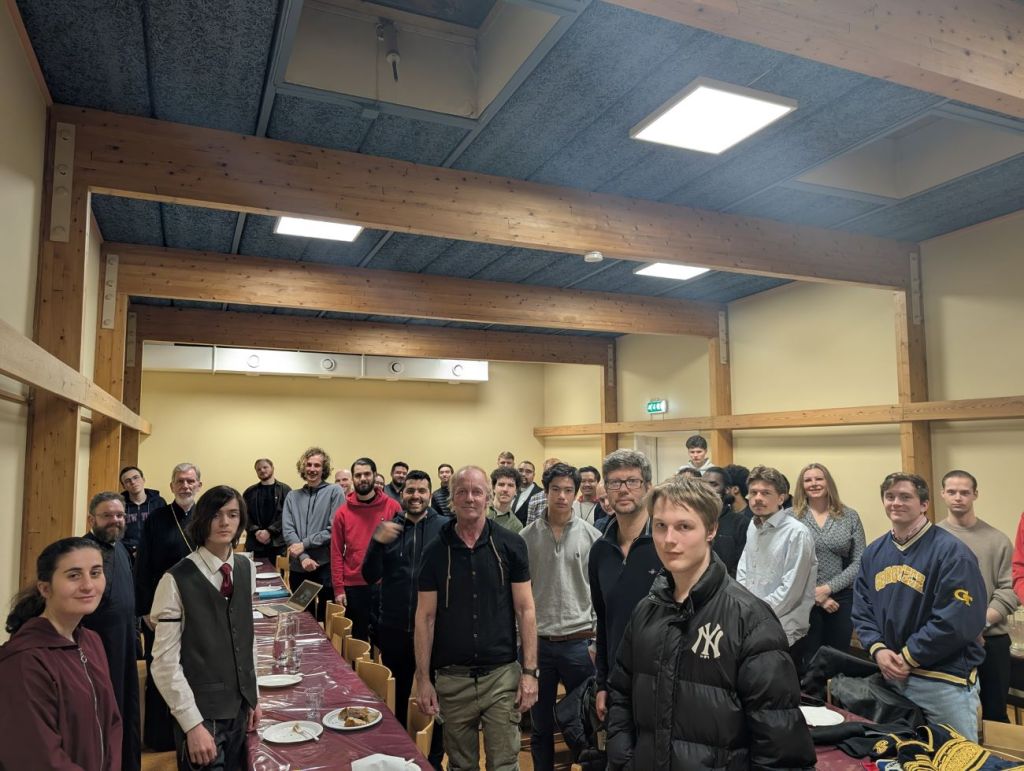
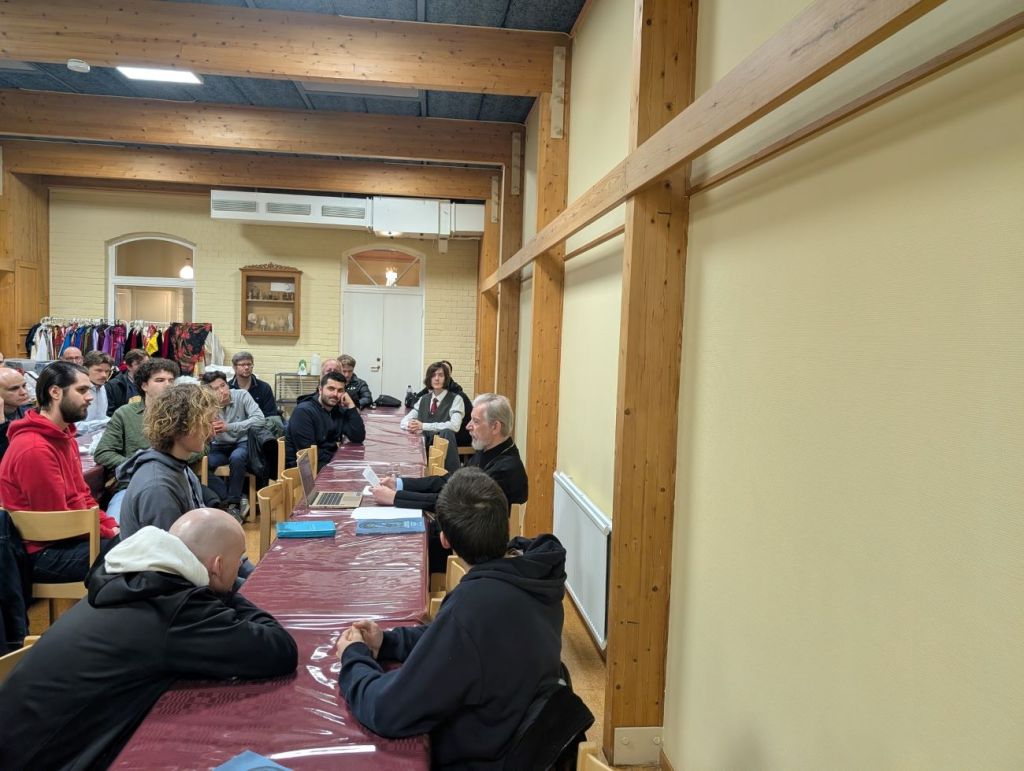
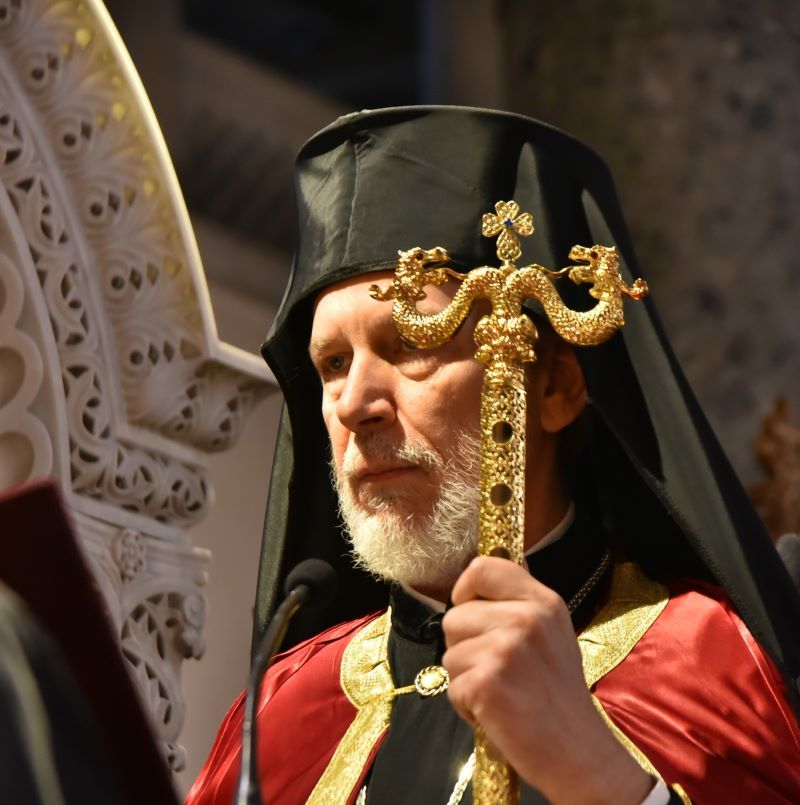
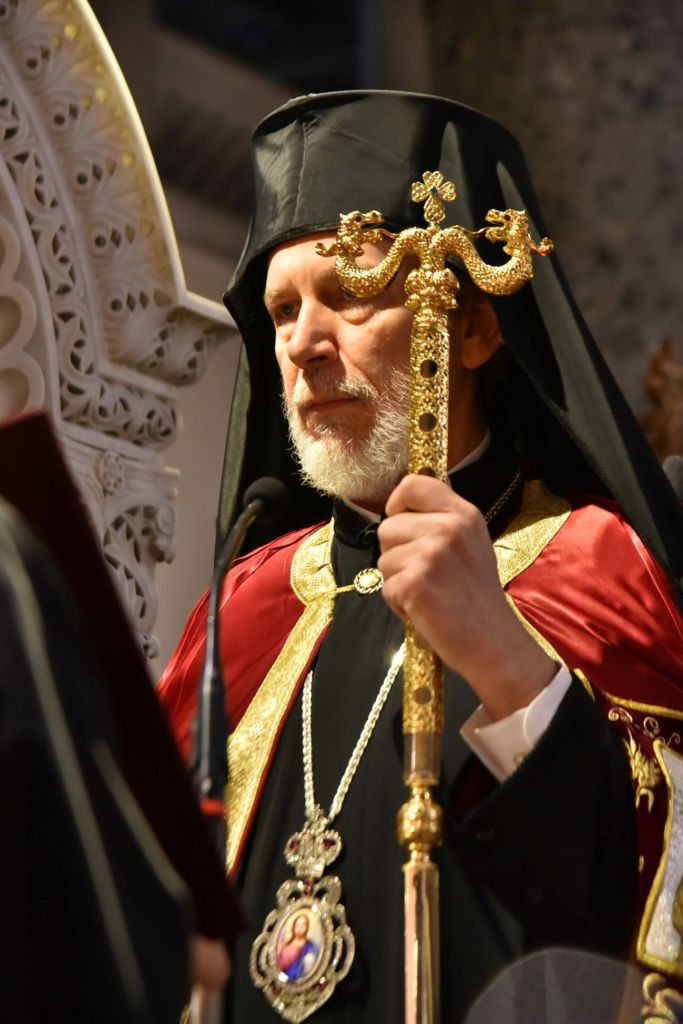
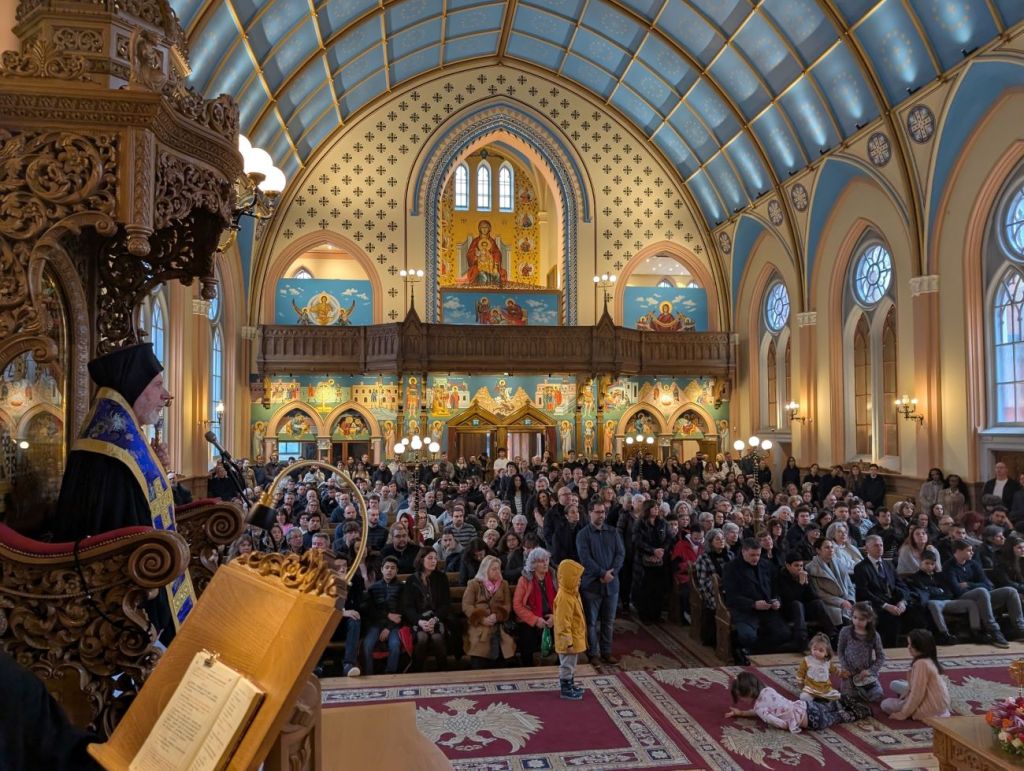
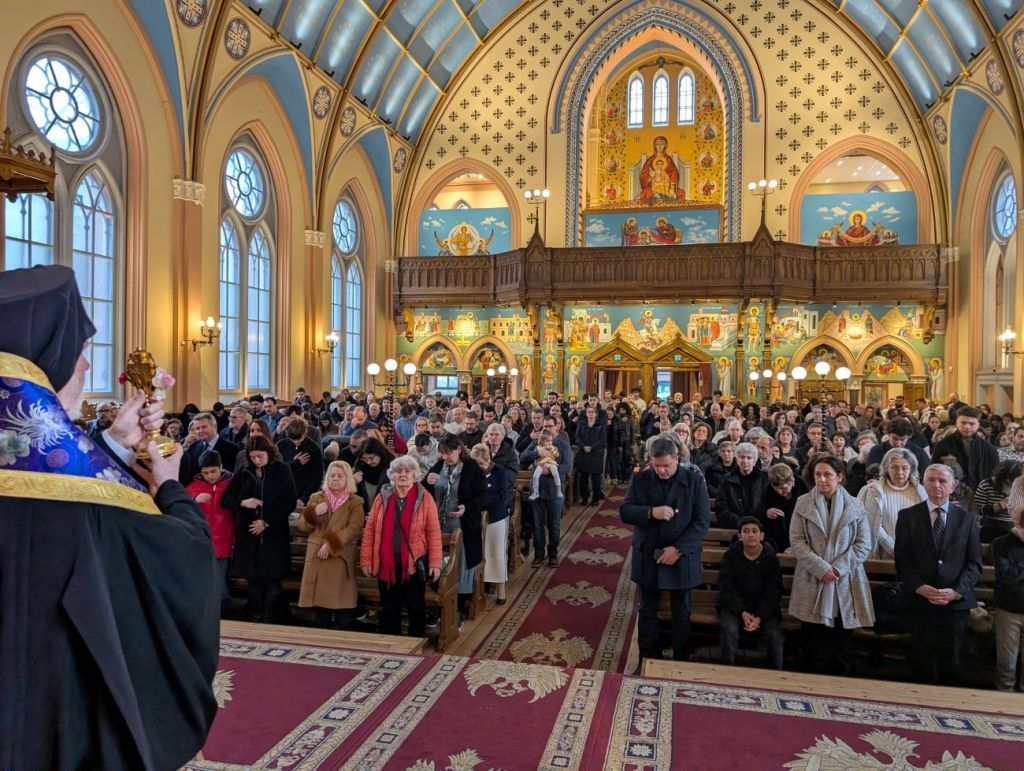
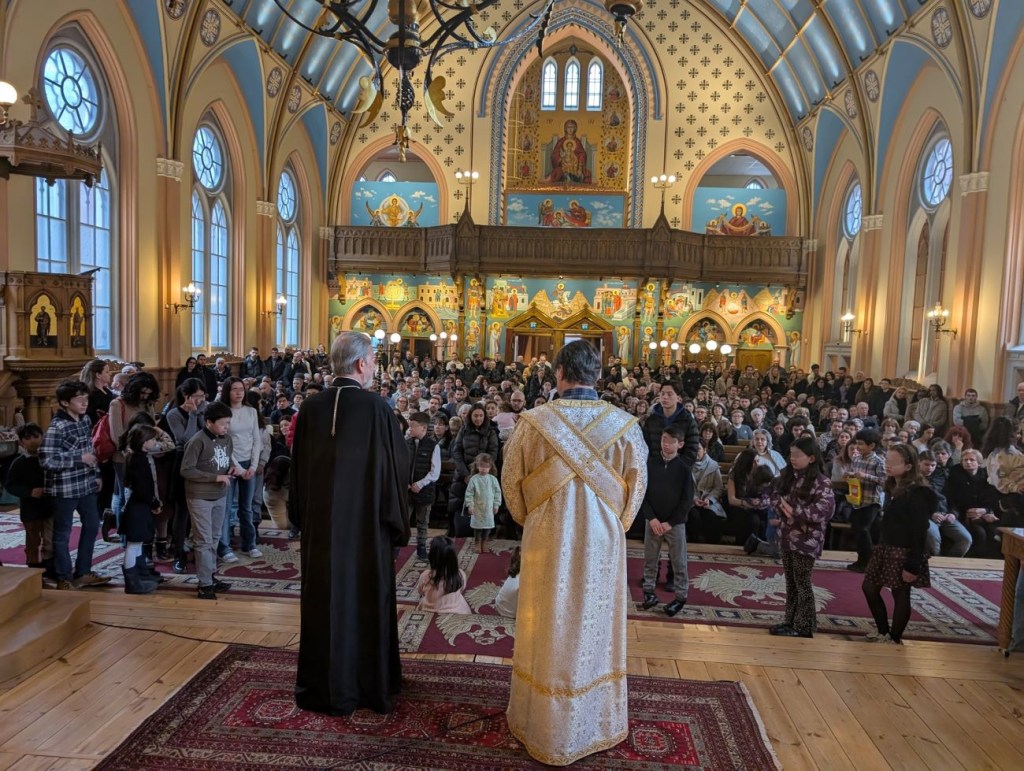
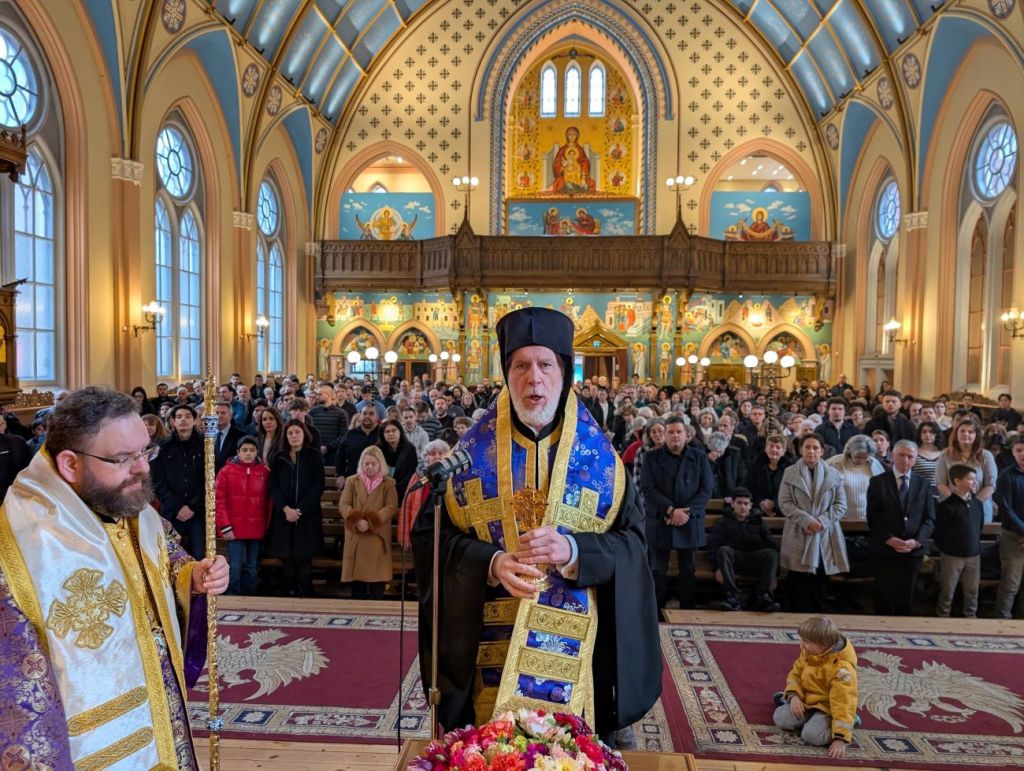
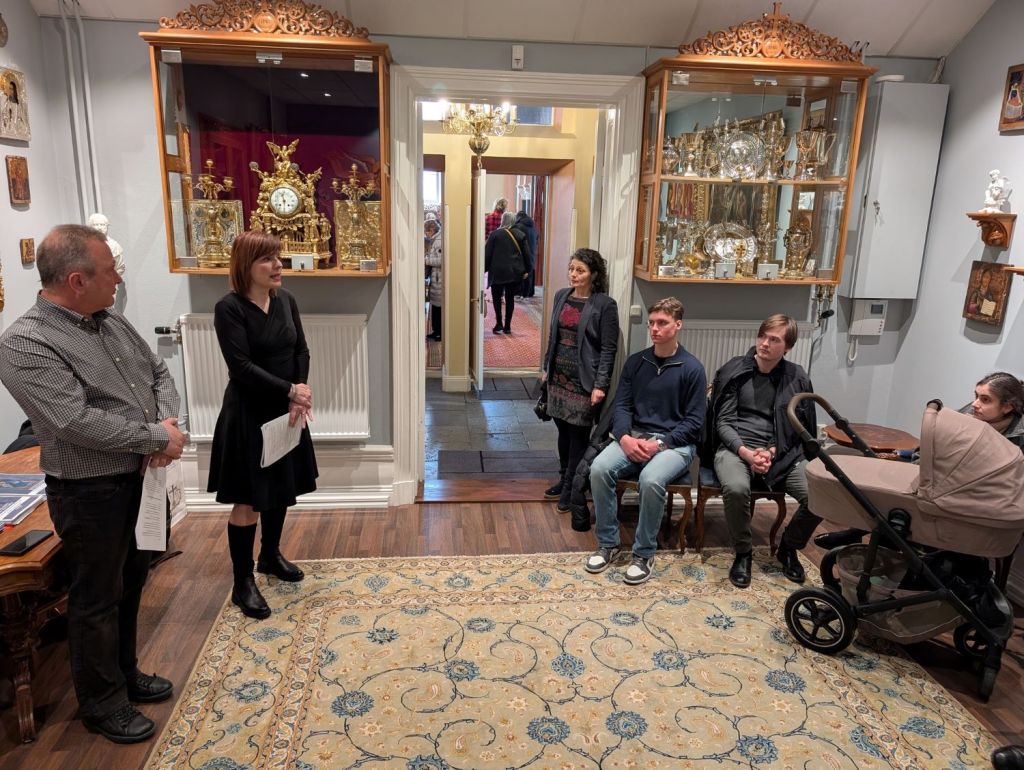
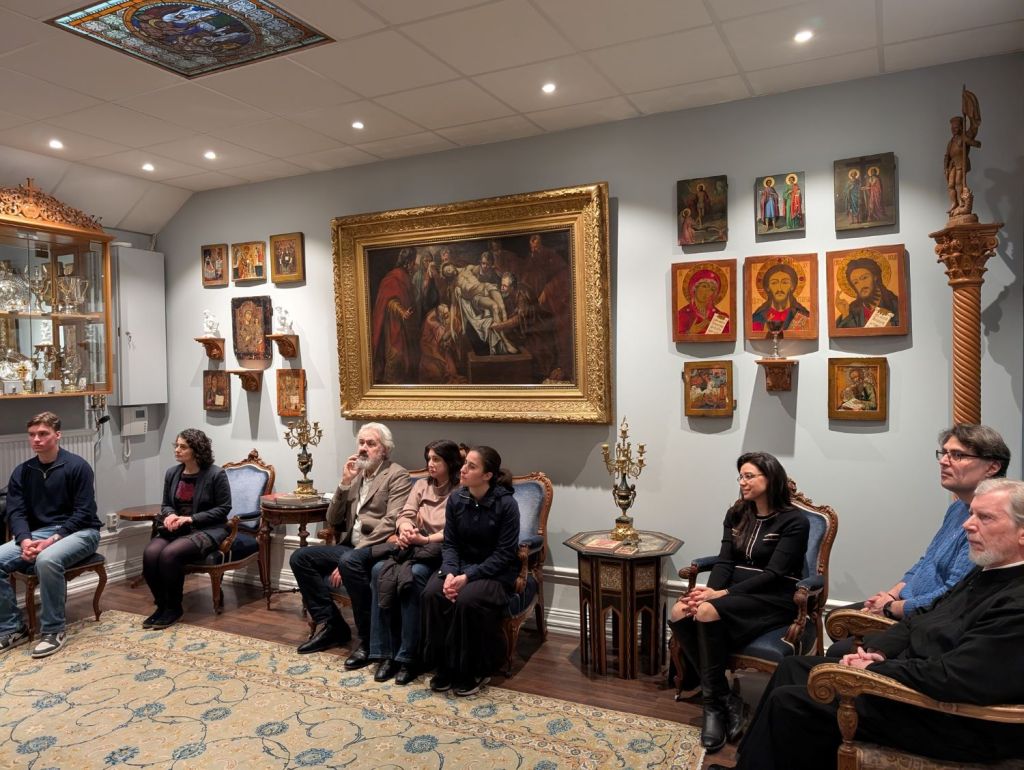
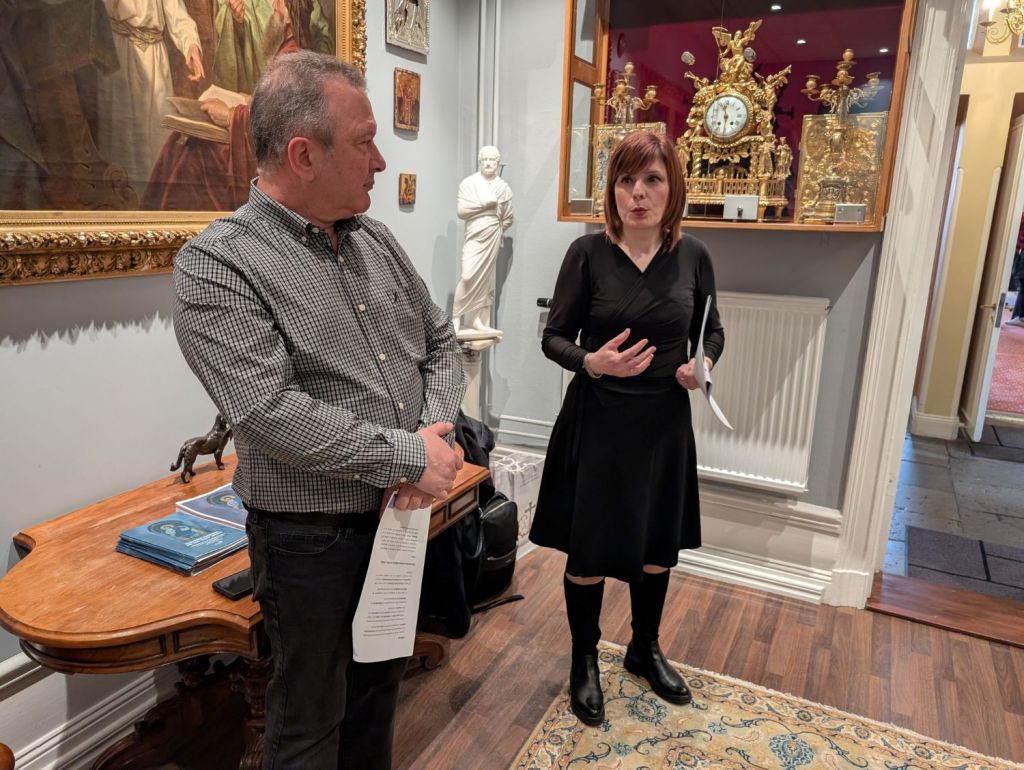
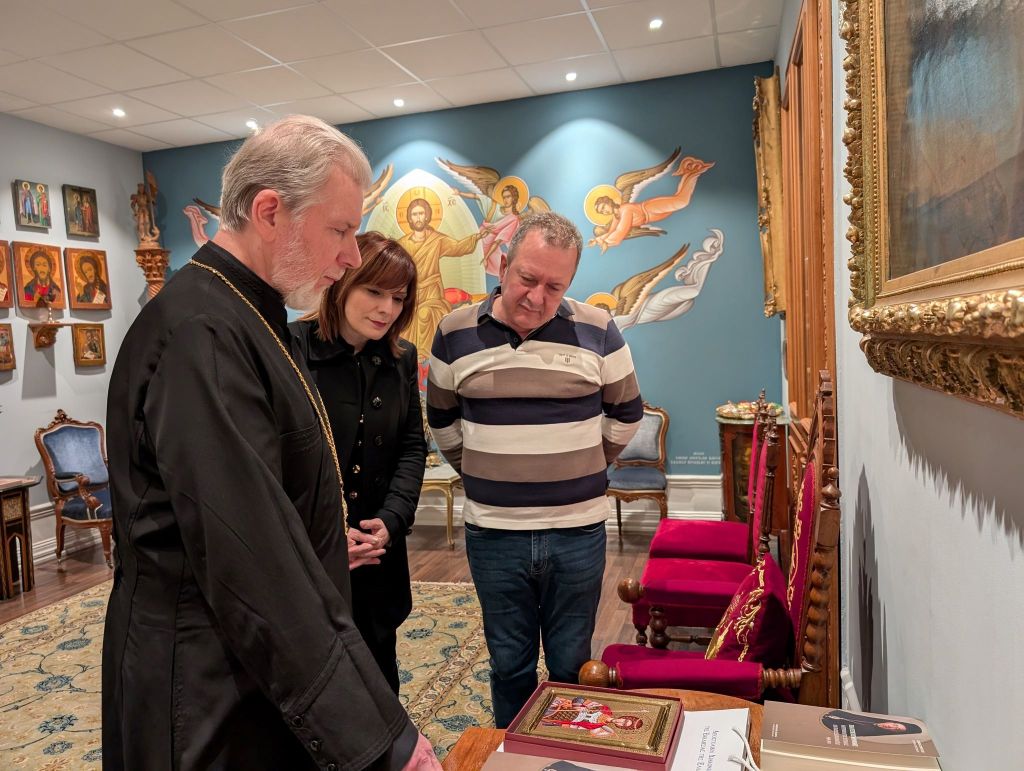
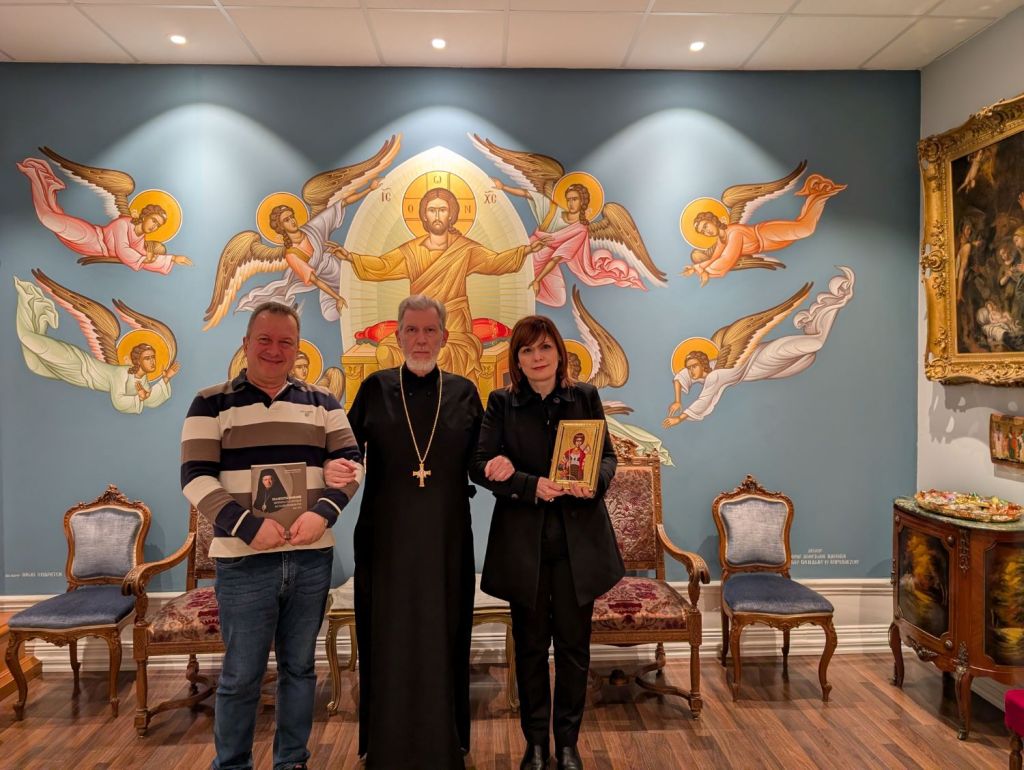
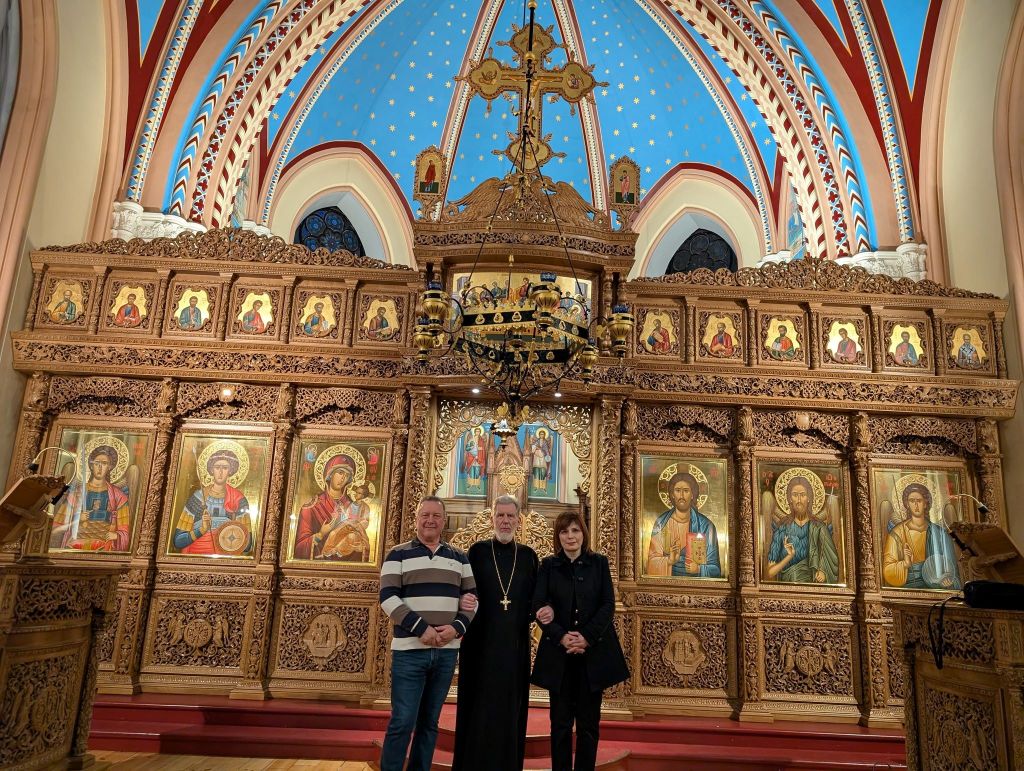
 Ελληνική Ορθόδοξη Ενορία Αγίου Ανδρέα Μάλμε