Metropolis

Η Παραβολή του Ασώτου ως θεολογία της επιστροφής και πολιτισμικό αρχέτυπο

Του Σεβ. Μητροπολίτου Σουηδίας κ. Κλεόπα

Η Παραβολή του Ασώτου (Λουκά 15:11–32) λειτουργεί στην Ορθόδοξη Παράδοση ως σύνοψη του Ευαγγελίου. Η πτώση δεν είναι απλώς ηθική αστοχία, αλλά ρήξη σχέσης, και η μετάνοια δεν είναι αυτοβελτίωση αλλά επιστροφή στην πατρική κοινωνία/επικοινωνία.

Η Πατερική ανάγνωση της παραβολής συναντά τη νεοελληνική ποιητική και μουσική ευαισθησία, όπου το σχήμα «φυγή–ξενιτιά–συντριβή–γυρισμός» αποτελεί κορυφαίο ανθρωπολογικό μοτίβο.

Η υμνογραφία της Κυριακής του Ασώτου θέτει αμέσως το κέντρο βάρους. Ο Άσωτος δεν διαπραγματεύεται δικαιώματα, αλλά προσφεύγει στη φιλανθρωπία.

Το κοντάκιο συμπυκνώνει την κίνηση της επιστροφής: «Της πατρώας δόξης σου… δέξαι με μετανοούντα».

Εδώ το «πατρικό» δεν είναι χώρος, είναι δόξα, δηλαδή τρόπος υπάρξεως, και η απώλειά της σημαίνει απογύμνωση της ύπαρξης. Πατερικά, αυτό διαβάζεται ως απώλεια του «κατ’ εικόνα» βιωματικά, όχι οντολογικά.

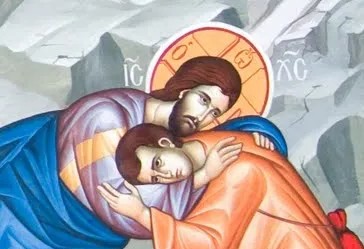
Στην Πατερική Παράδοση, ο Άσωτος γίνεται πρωτίστως παιδαγωγία ελπίδας. Ο ιερός Χρυσόστομος αξιοποιεί την παραβολή, για να αποκρούσει την απόγνωση και να φανερώσει τη δυνατότητα επιστροφής. Ο Χριστός διηγείται την παραβολή, για να δείξει άφεση και να μη νικήσει η απελπισία.

Το κρίσιμο θεολογικό σημείο είναι όταν ο Πατέρας τρέχει. Δεν περιμένει πρώτα «ιστορικό» και «εξηγήσεις». Το τρέξιμο αυτό είναι η εικόνα της προλαβαίνουσας χάριτος. Ο Πατέρας ενεργεί ως «πρόσωπο φιλοτιμίας» και όχι ως δικαστής.

Το «εἰς ἑαυτὸν ἐλθών» είναι ίσως η πιο θεολογικά γόνιμη φράση. Δείχνει ότι η μετάνοια αρχίζει ως επιστροφή του νου στην αλήθεια.

Ο Άσωτος δεν «διορθώνεται» για να αξιωθεί πατέρα· επιστρέφει επειδή θυμάται πως έχει Πατέρα. Το «Εἰς ἑαυτὸν ἐλθών» αποτελεί την αυτογνωσία που γεννά θεογνωσία.

Η νεοελληνική ποίηση συχνά διατηρεί το σχήμα της παραβολής, αλλά μετακινεί το βάρος από τη σωτηρία στη συντριβή, από τον πατέρα στην κοινωνία και την ιστορία, από τη βεβαιότητα της αγκαλιάς στην αμφιβολία της υποδοχής, δηλαδή η νεοελληνική γραφή στρέφεται από τη «σωτηριολογική» στην «τραυματική» επιστροφή.

Ο Δροσίνης συλλαμβάνει συχνά το μοτίβο του ανθρώπου που ξεκινά «για τη χερσωμένη χώρα» της ζωής. Χαρακτηριστικοί οι στίχοι του: «Με το ξημέρωμα της νιότης κίνησα / για της ζωής τη χερσωμένη χώρα». Στον Δροσίνη, ο άσωτος είναι ο λυρικός οδοιπόρος της ζωής.

Θεολογικά, όμως, η εικόνα ταιριάζει στην Ορθόδοξη διάγνωση. Ο άνθρωπος δοκιμάζει την αυτάρκεια κι εκεί ανακαλύπτει την πείνα του.

Στον Βάρναλη, το μοτίβο γίνεται πιο οξύ. Η επιστροφή είναι πικρή αυτογνωσία μέσα σ᾽ έναν κόσμο που δεν «τρέχει» να αγκαλιάσει.

Ενδεικτική, σκληρή εικόνα, από συμφραστικό πίνακα λέξεων: «…κι κάτουθέ του ο άσωτος ηλιοβολάει βυθός!» Στον Βάρναλη, ο άσωτος αποτελεί σκοτεινό κοινωνικό βίωμα.

Φιλολογικά, η μεταφορά «ηλιοβολάει βυθός» δίνει μια αντιστροφή. Εκεί που θα περίμενες φως, αναδύεται βυθός. Η πτώση έχει δική της λάμψη.

Θεολογικά, ο στίχος αυτός συνομιλεί με την Πατερική σοφία. Η αμαρτία δεν είναι απλώς «σκοτάδι», έχει και ψευδοφωτισμό, δηλαδή υπόσχεση πληρότητας που καταλήγει σε πείνα.

Ο Καζαντζάκης δεν μας δίνει ένα «καθαρό» ποίημα, με τίτλο «Ο Άσωτος», όμως το αρχέτυπο του «άσωτου» διατρέχει την κοσμοθεωρία του, ιδιαίτερα όπου η επιστροφή δεν είναι ανάπαυση, αλλά συνάντηση με “υπόγειες δυνάμεις” και λογοδοσία στην πατρική γη.

Στον Καζαντζάκη, ο άσωτος ταυτίζεται με τον υπαρξιακό αγώνα, τον μετασχηματισμό και όχι με μια αναδιήγηση.

Θεολογικά, η Παραβολή του Ασώτου κορυφώνεται στη δωρεά («στολή πρώτη», «δακτύλιον», «μόσχος»), ενώ ο Καζαντζακικός οδοιπόρος κορυφώνεται στον αγώνα. Η νεοελληνική γραφή συχνά μετατρέπει τη σωτηριολογία σε τραγωδία ελευθερίας.

Το κοντάκιο της Κυριακής του Ασώτου είναι δομημένο σαν εξομολόγηση. Κατονομάζει την απώλεια, αναλαμβάνει την ευθύνη, προστρέχει στην ευσπλαχνία. Εδώ το «λογοτεχνικό» στοιχείο (η ρητορική, η συμπύκνωση, οι εικόνες) υπηρετεί ένα σκοπό. Να μετατρέψει την αφήγηση σε προσωπικό λόγο.

Στην Ελληνική Παράδοση, το μοτίβο της επιστροφής συνδέεται συχνά με τη μητέρα που κλαίει και με τη στέρηση του οίκου, μοτίβα που μπορούν να διαβαστούν ως λαϊκή «μετάφραση» της παραβολής. Χαρακτηριστικός θρήνος σε δημοτικό τραγούδι: «Τίνος μανούλα θλίβεται, τίνος μανούλα κλαίει».

Φιλολογικά, το δημοτικό τραγούδι δουλεύει με την επανάληψη/επιφώνηση και με το συλλογικό αίσθημα της απώλειας.

Θεολογικά, αυτό φωτίζει τον πόνο της «μακράς χώρας». Η αμαρτία/απομάκρυνση δεν είναι ατομικό επεισόδιο· έχει εκκλησιαστική–κοινοτική διάσταση, πληγώνει σχέσεις.

Το τραγούδι «Ο άσωτος», που συνδέεται συχνά με θεατρικό πλαίσιο, είναι στίχοι του Ιάκωβου Καμπανέλλη, μουσική επένδυση του Σταύρου Ξαρχάκου, και συνδέεται ιστορικά με «Το Μεγάλο μας Τσίρκο» (1973–74) και την πρώτη ερμηνεία της Τζένης Καρέζη.

«Του ασώτου τον γυρισμό θέλω να ιστορήσω»!Φιλολογικά, το τραγούδι παίρνει τη μορφή «ιστορίας», σχεδόν μπαλάντας, και μεταφέρει τον άσωτο από την καθαρά θεολογική σκηνή σε μια σκηνή λαϊκής θέασης: «τον είδα», «τον γυρεύουν», η κοινότητα συμμετέχει. Η παραβολή γίνεται κοινωνικό γεγονός.

Το τραγούδι «Άσωτος υιός» του Νίκου Πορτοκάλογλου αποτυπώνει τον άσωτο ως πρόσωπο που «λείπει», που δεν πατά στο σπίτι. Η επιστροφή είναι ανοιχτή πληγή. «Λες να ταξιδεύει μοναχός, άλλος ένας άσωτος υιός»!

Θεολογικά, εδώ φαίνεται η μετατόπιση της εποχής μας. Δεν είναι δεδομένο ότι ο «οἶκος» είναι ζωντανός, ούτε ότι υπάρχει πατέρας που τρέχει, γι’ αυτό και η εκκλησιαστική ανάγνωση γίνεται ακόμη πιο αντιπολιτισμική, όταν διακηρύσσει βεβαιότητα αγκαλιάς εκεί που η νεωτερικότητα συχνά βιώνει αβεβαιότητα ανήκειν.

Η Πατερική Θεολογία προστατεύει την παραβολή από το να γίνει «ηθικό παραμύθι». Δείχνει ότι είναι πρωτίστως αποκάλυψη του Πατέρα και της χάριτος.

Η νεοελληνική φιλολογία και ποίηση προστατεύει το κήρυγμα από ρητορική αυτάρκεια. Θυμίζει ότι η επιστροφή μπορεί να είναι τραυματική, κοινωνικά δύσκολη, υπαρξιακά αμφίβολη κι έτσι μας αναγκάζει να δούμε καθαρότερα το «σκανδαλώδες» της χάριτος.

Η παράδοση του τραγουδιού (δημοτικό/έντεχνο) δείχνει πως ο άσωτος δεν είναι μόνον «θεολογικός τύπος», είναι μορφή που οργανώνει τη συλλογική μας μνήμη για το σπίτι, τη μάνα και τον πατέρα μας, την ξενιτιά και τον γυρισμό. Η Κυριακή του Ασώτου μάς θυμίζει ότι δεν υπάρχει δρόμος τόσο μακρινός που να μην οδηγεί πίσω στο σπίτι. Δεν υπάρχει πτώση που να νικά την αγάπη του Πατέρα. Το μόνο που χρειάζεται είναι να ανανήψουμε. Κι όσο εμείς κάνουμε ένα βήμα, Εκείνος τρέχει διαρκώς προς εμάς!

Uncategorized

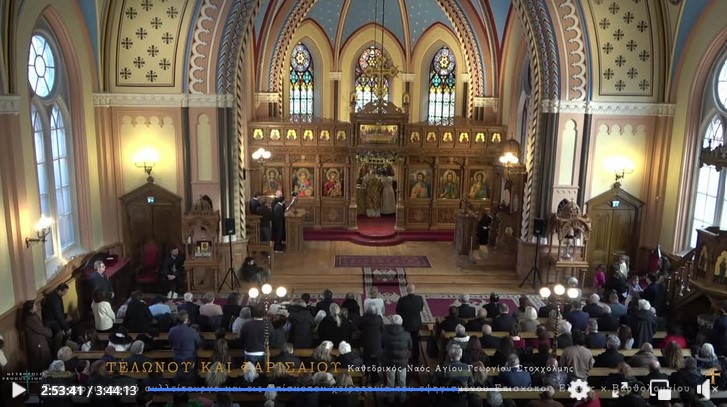
Τελώνου και Φαρισαίου – Τρειςαρχιερατικό συλλείτουργο και εις χειροτονία του εψηφισμένου Επισκόπου Ελαίας κ. Βαρθολομαίου

Τρειςαρχιερατικό συλλείτουργο και εις χειροτονία του εψηφισμένου Επισκόπου Ελαίας κ. Βαρθολομαίου.

Καθεδρικός Ναός Αγίου Γεωργίου Στοκχόλμης

Metropolis

The First Ordination to the Episcopacy at the Stockholm Cathedral

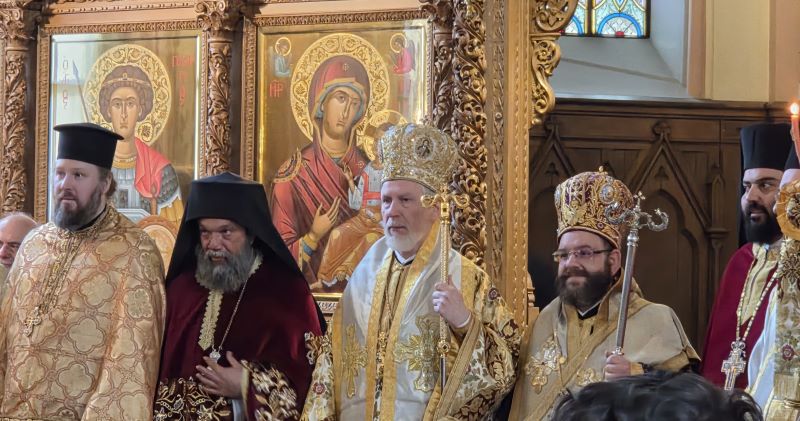
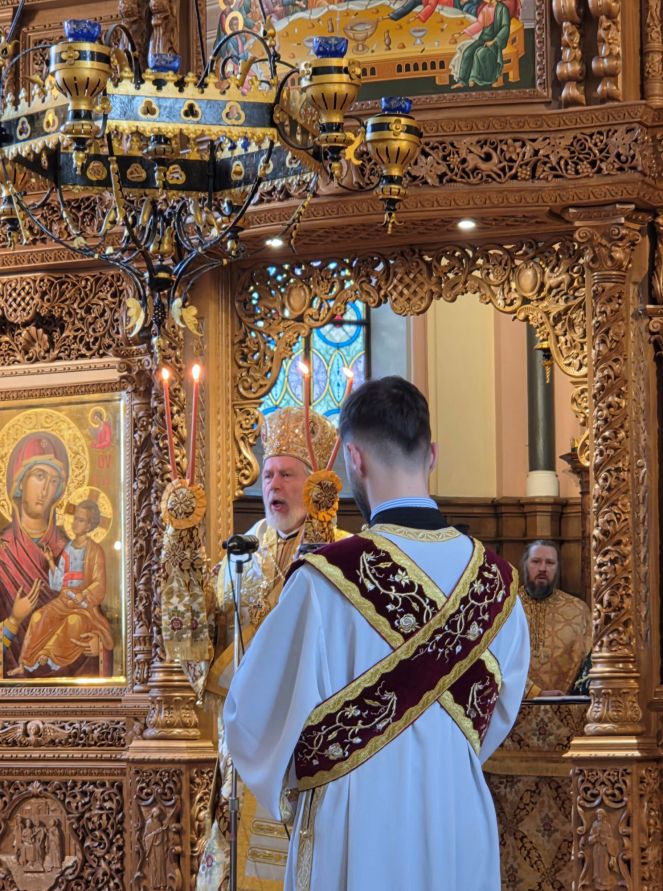
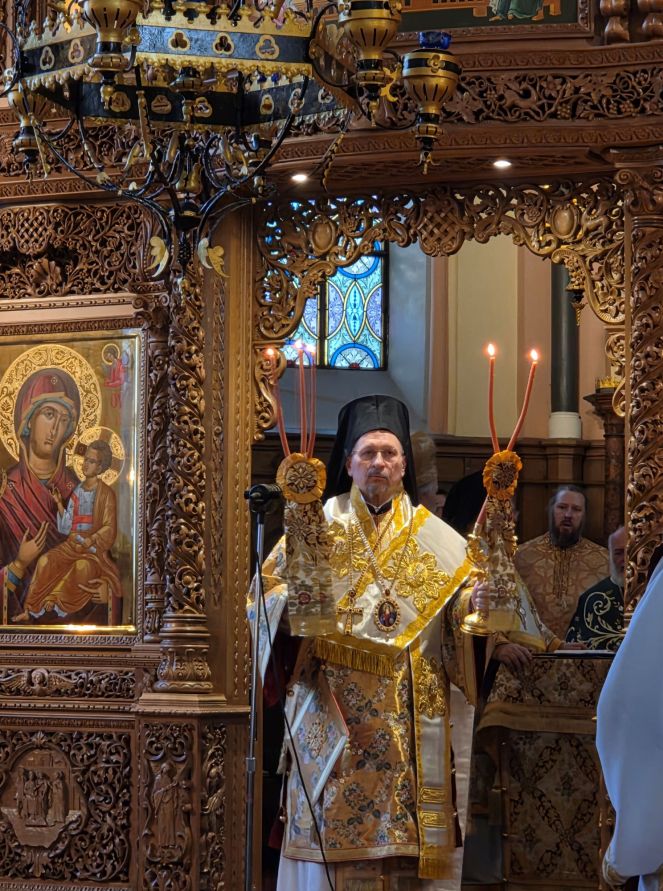
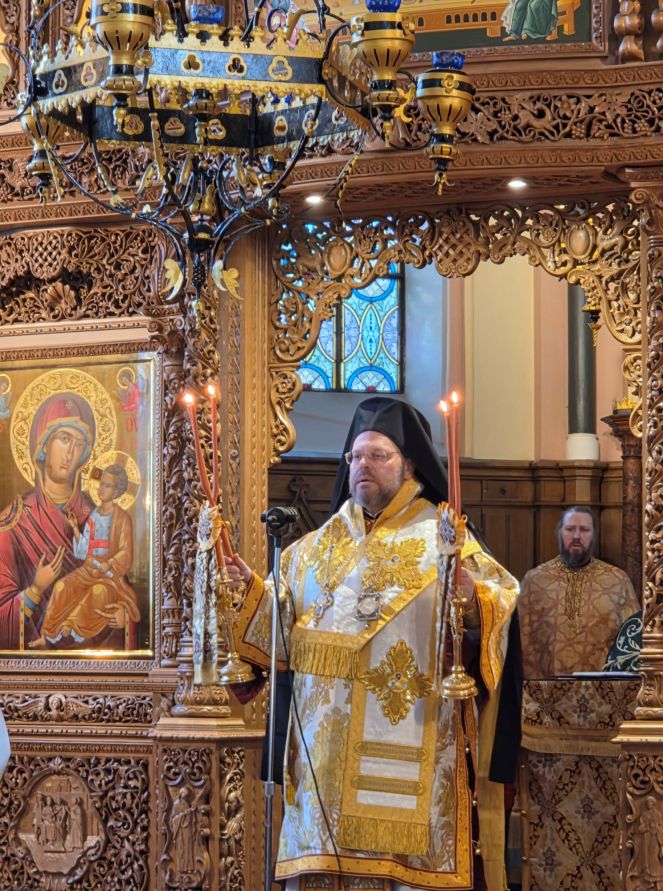
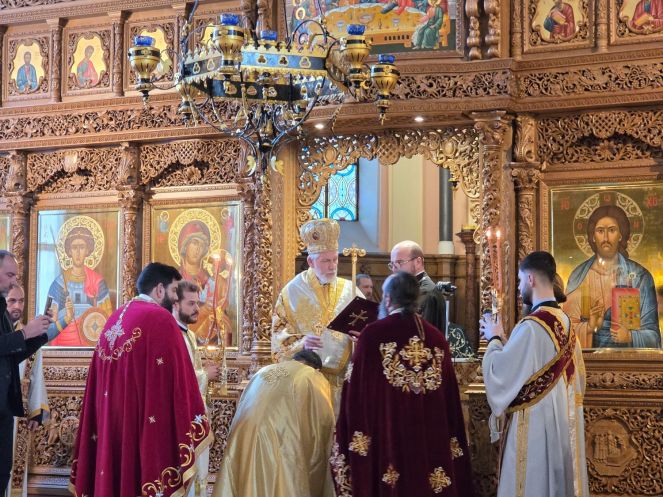
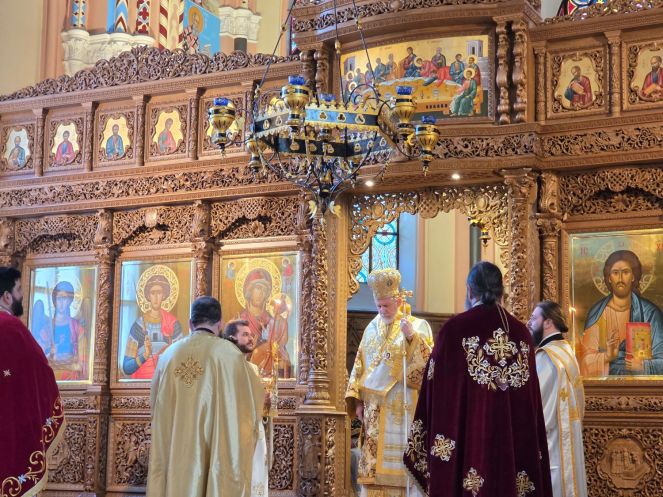
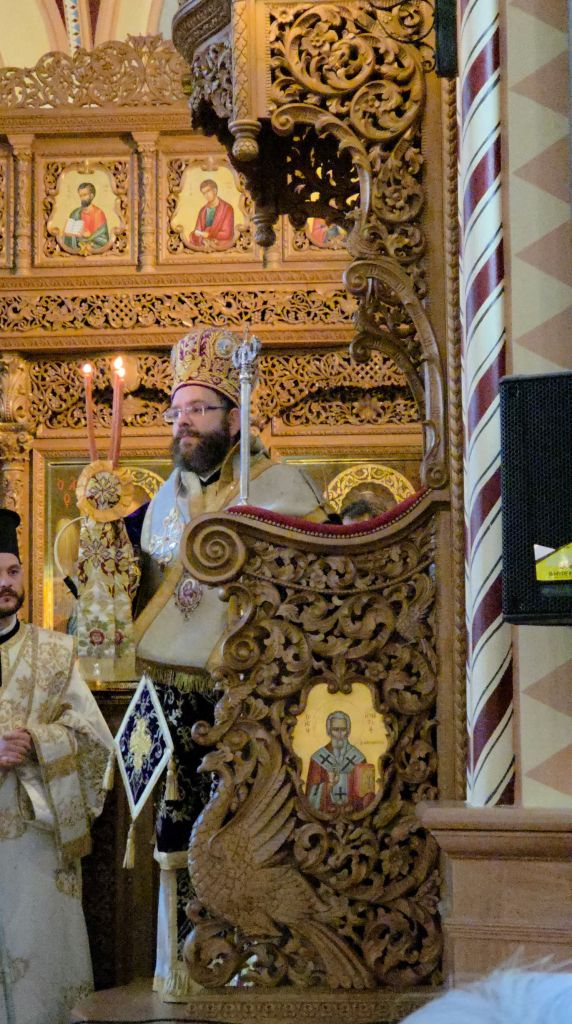
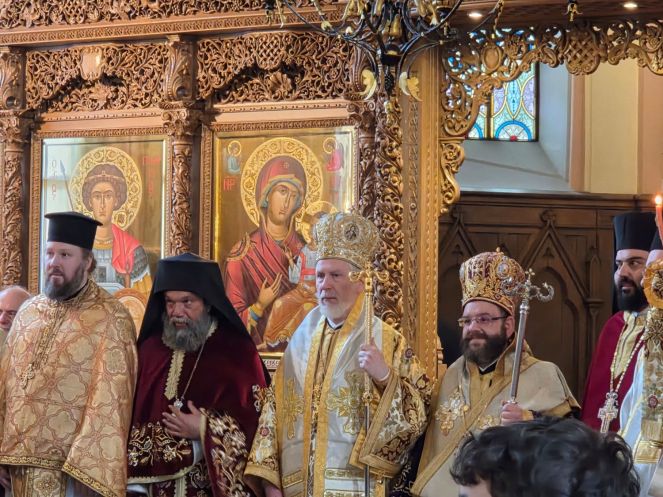
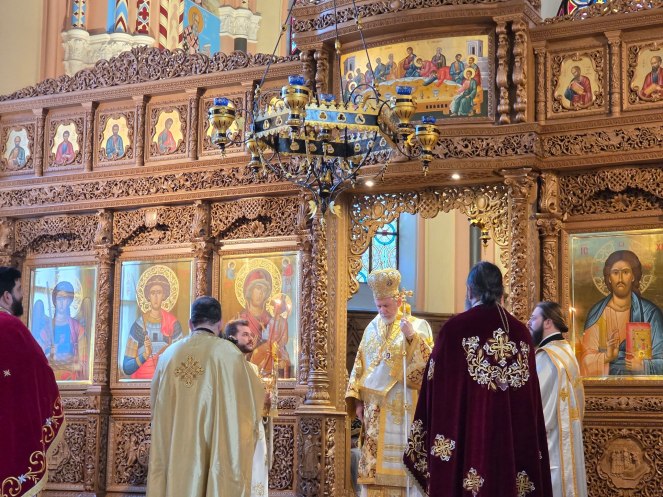
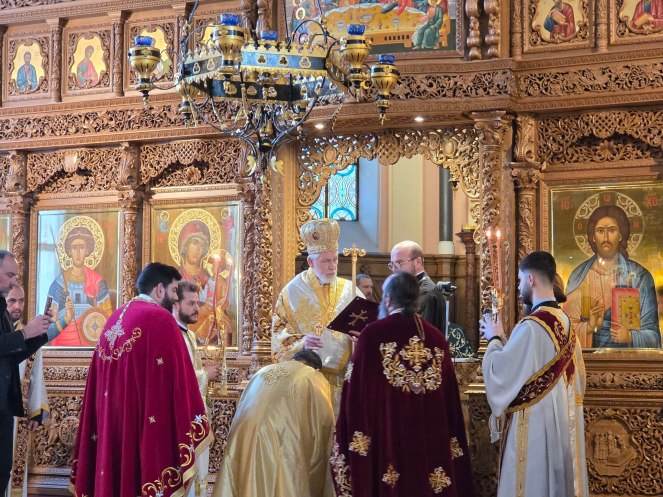
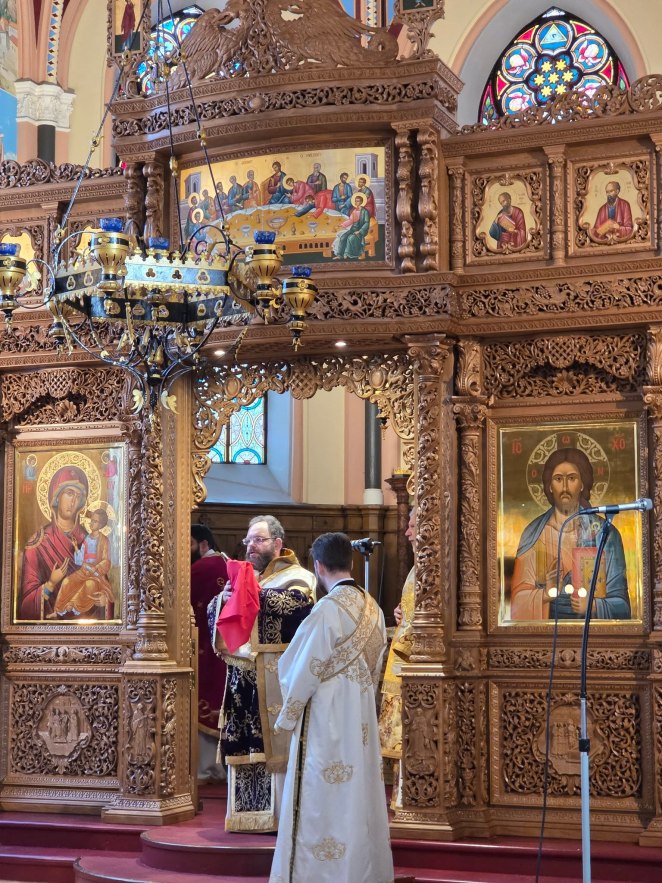
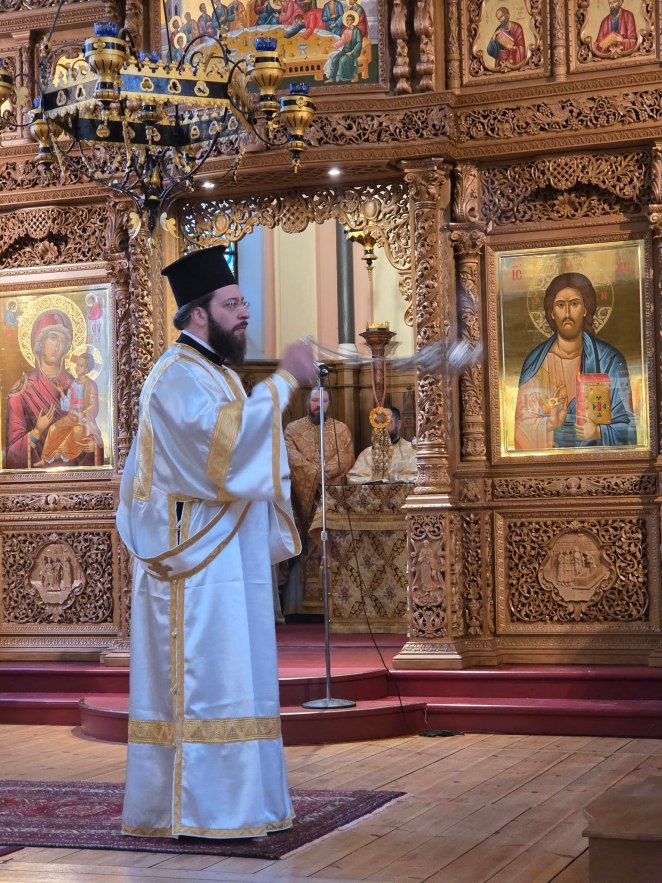
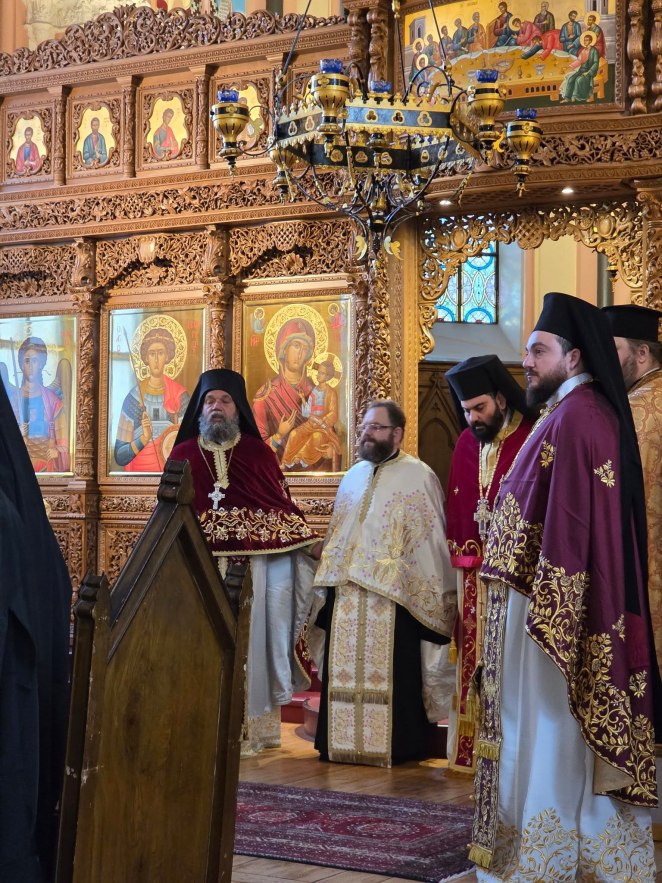
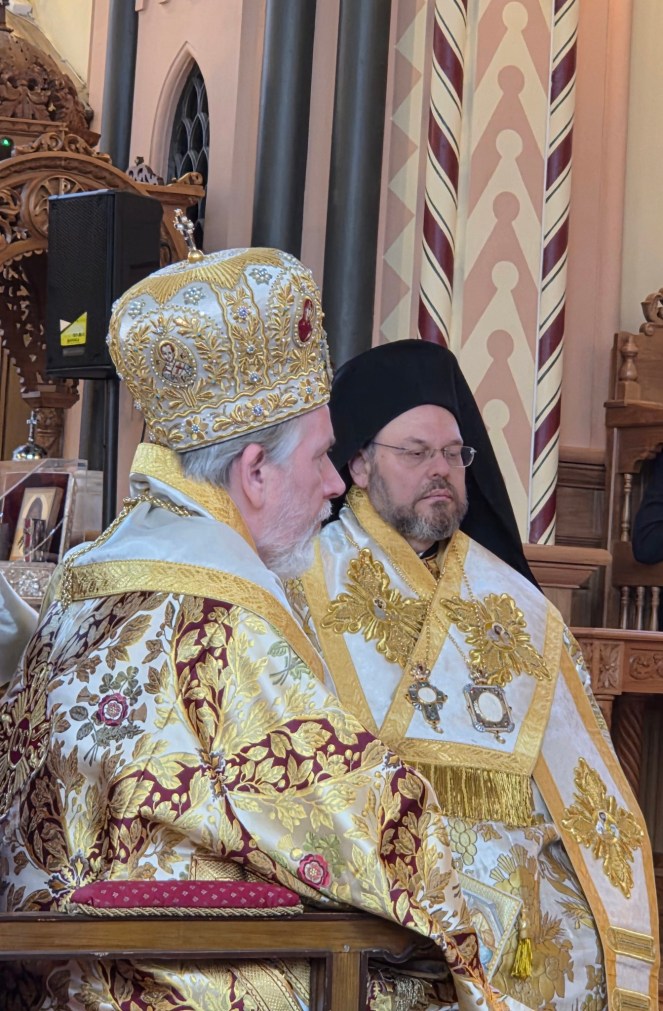
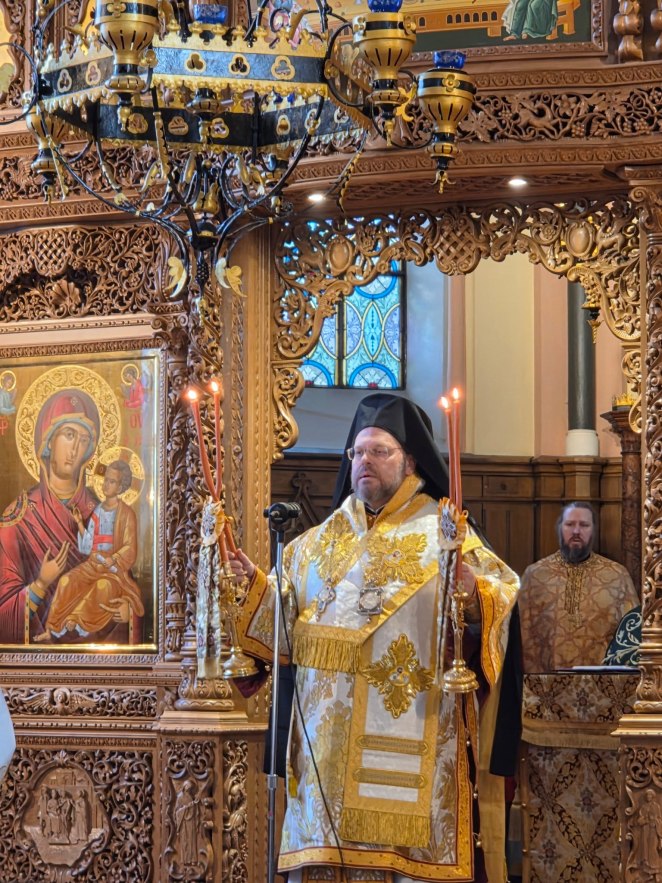
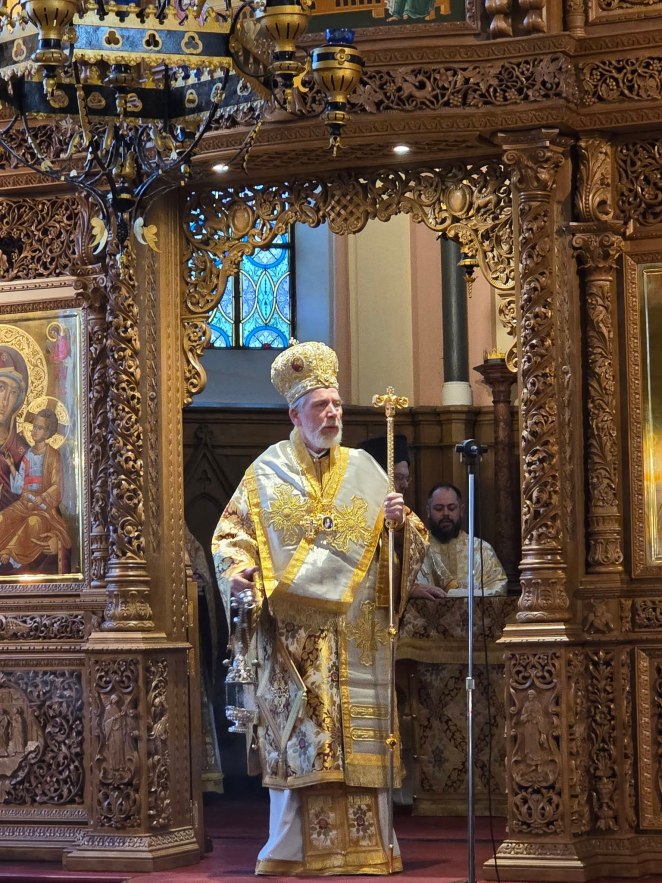
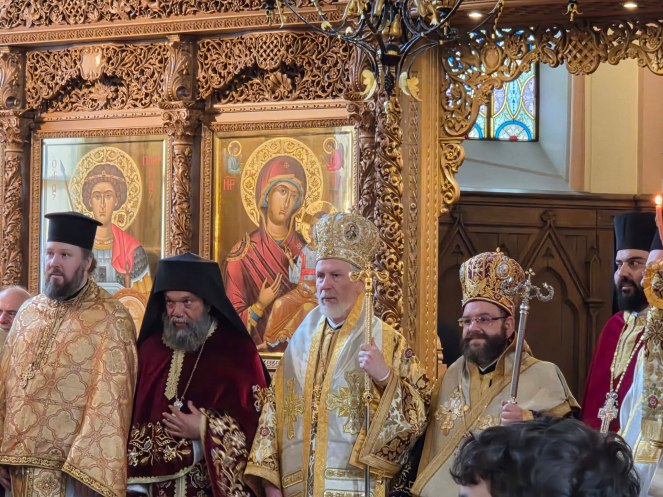
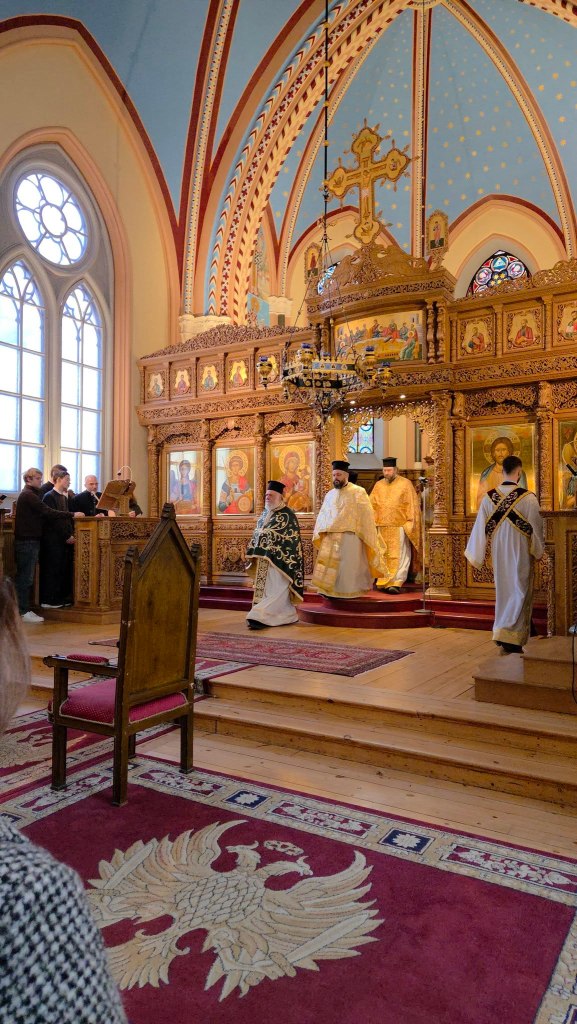
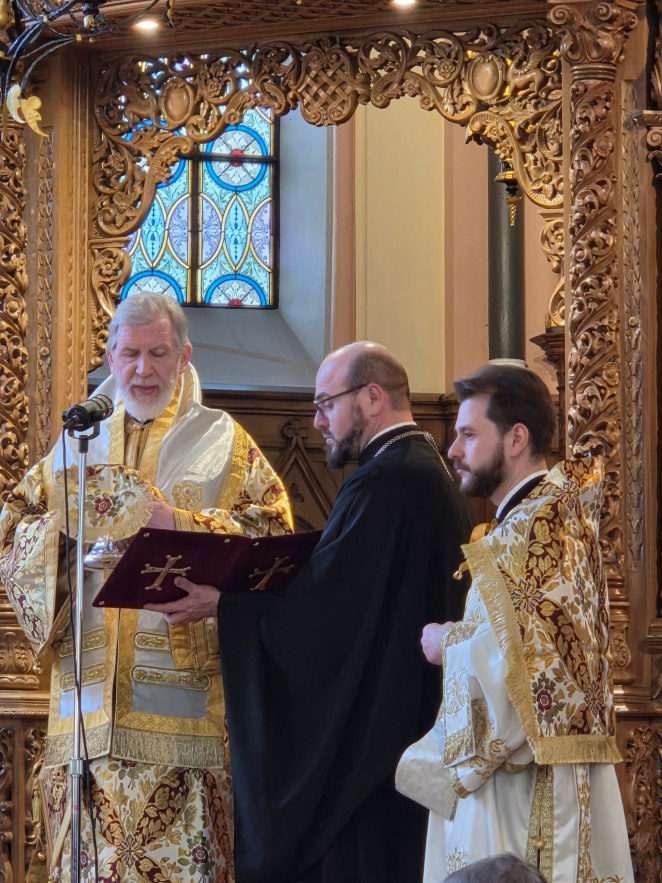
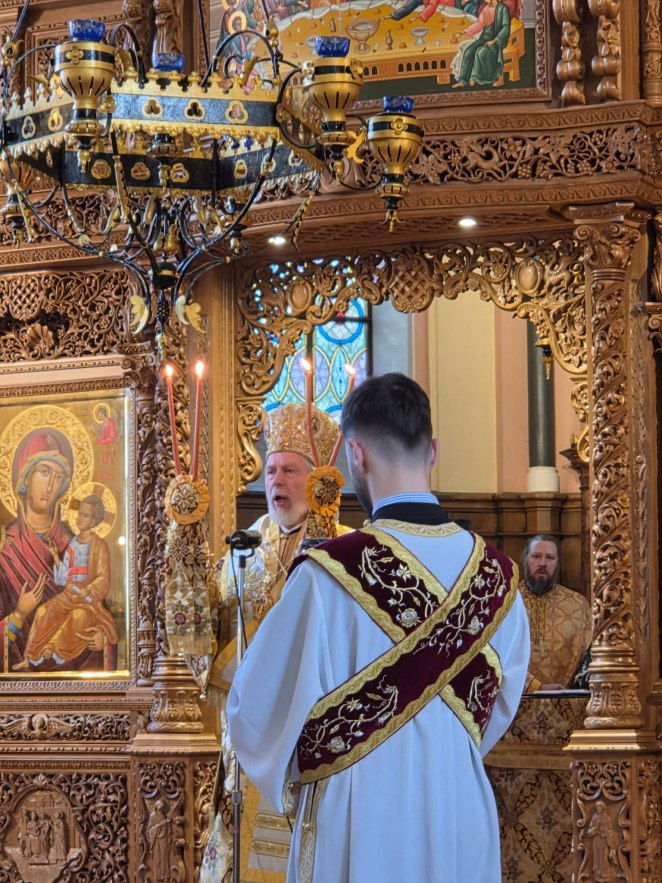
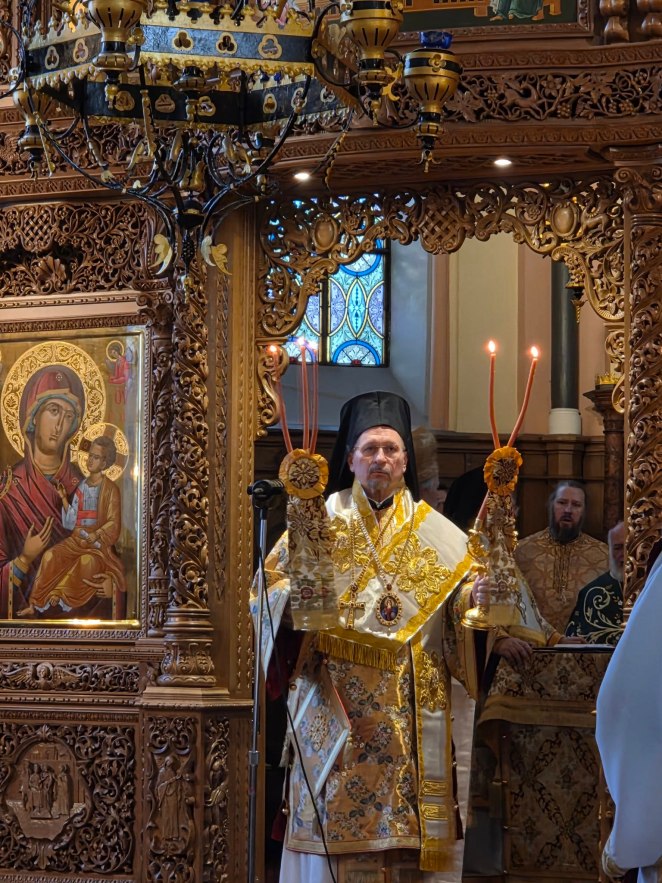
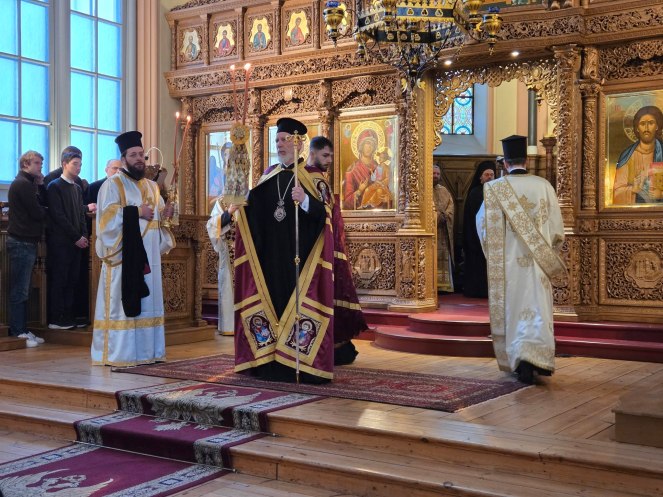
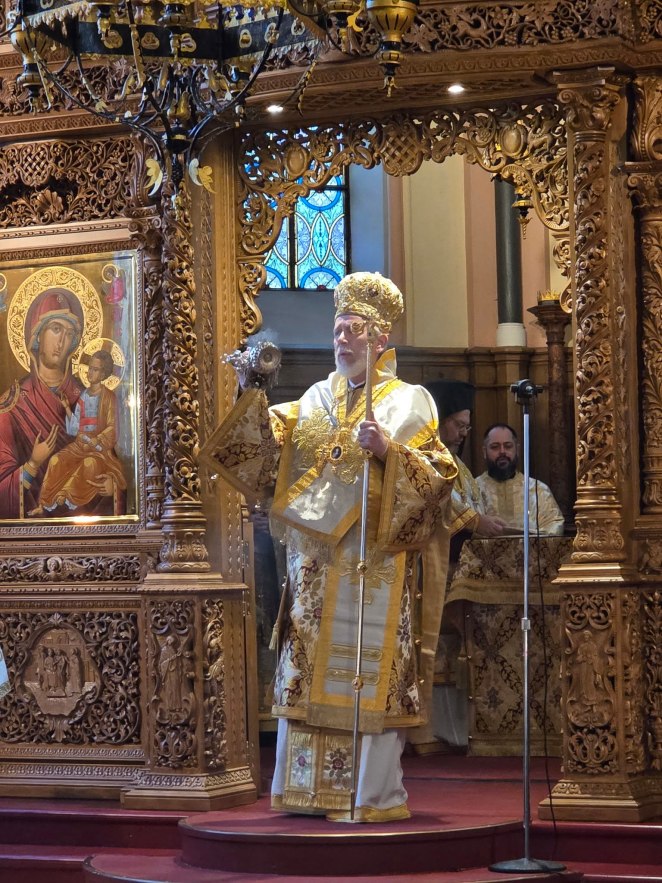
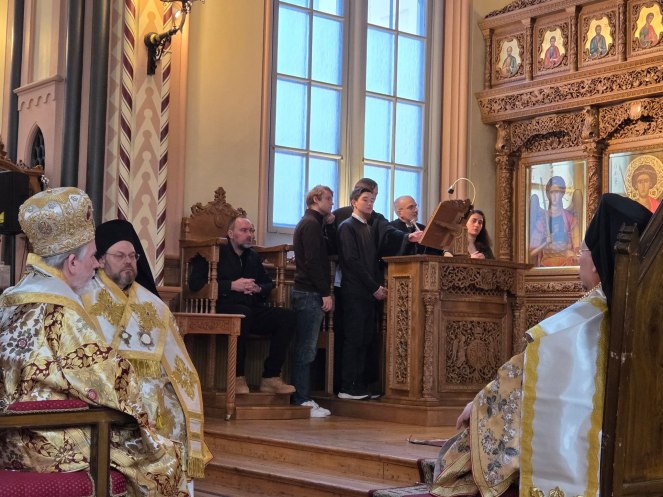
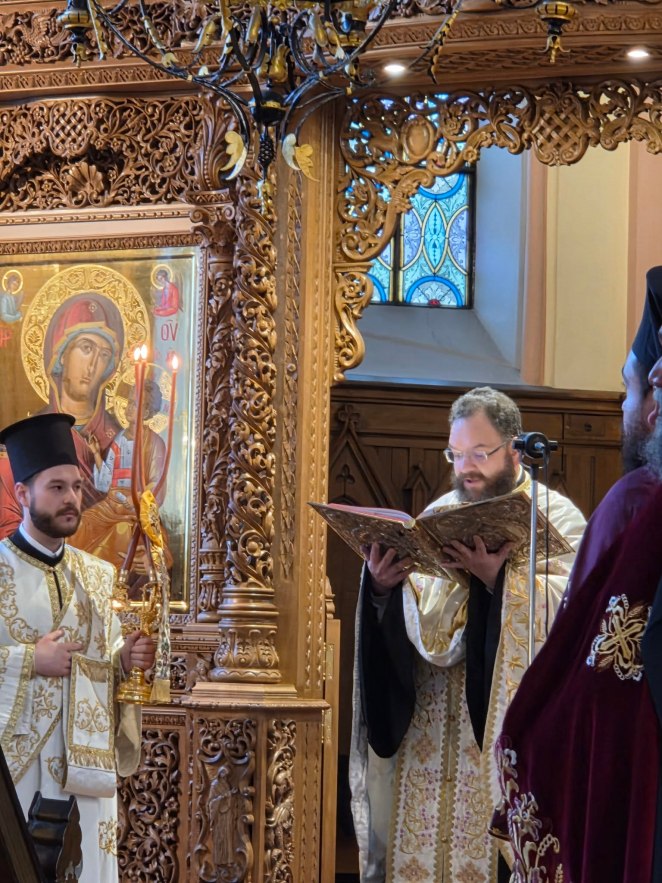
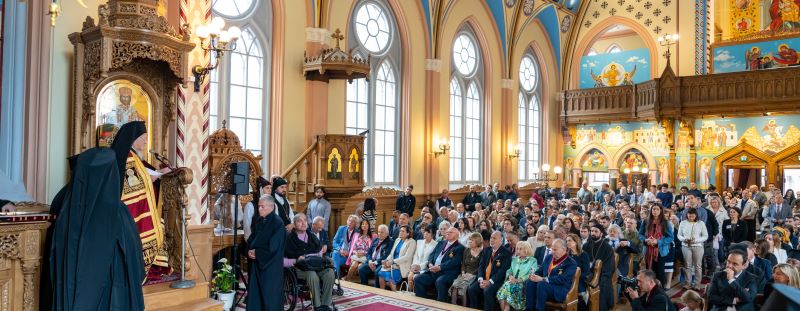
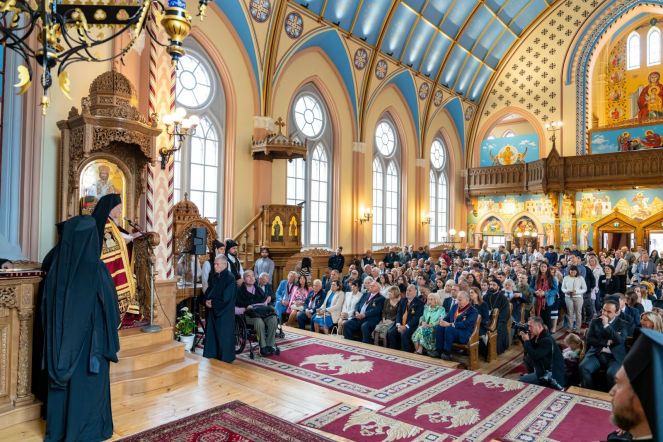
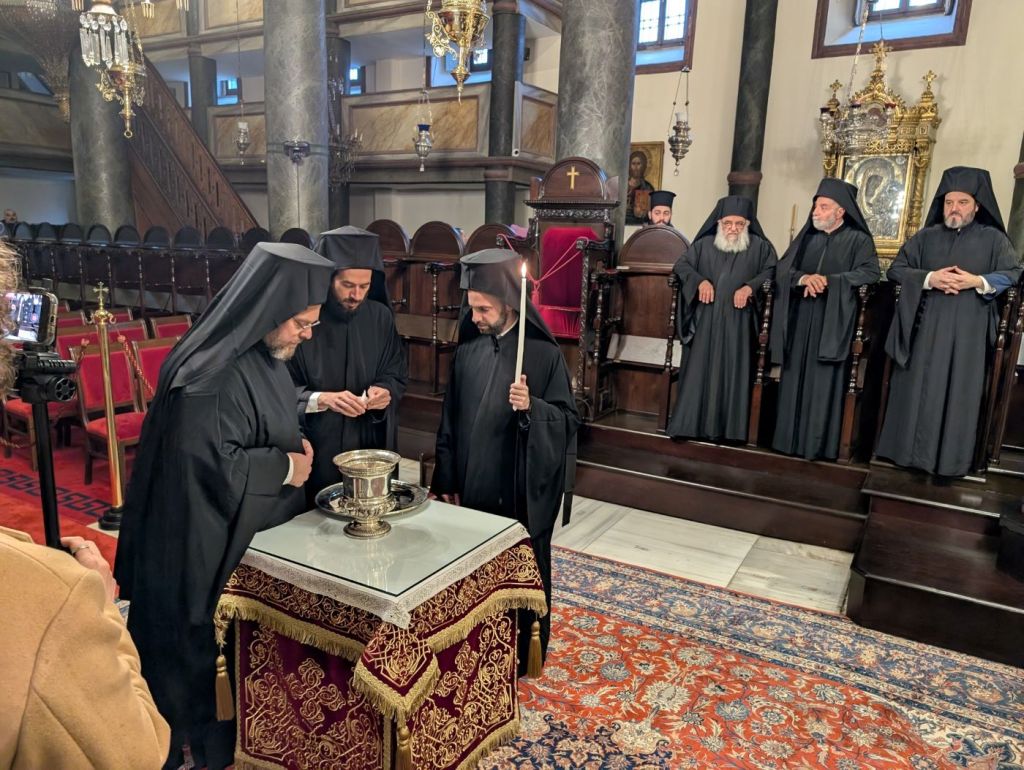
At the beginning of the Triodion season, on Sunday, February 1st, 2026, with the permission and encouragement of His All-Holiness Ecumenical Patriarch Bartholomew, the ordination to the episcopacy of the Most Reverend Bishop-elect Bartholomew of Elaia was celebrated at the Saint George Cathedral of Stockholm.

The service took place in an atmosphere of prayerful devotion, marked by the necessary simplicity, as well as ecclesiastical reverence and dignity.

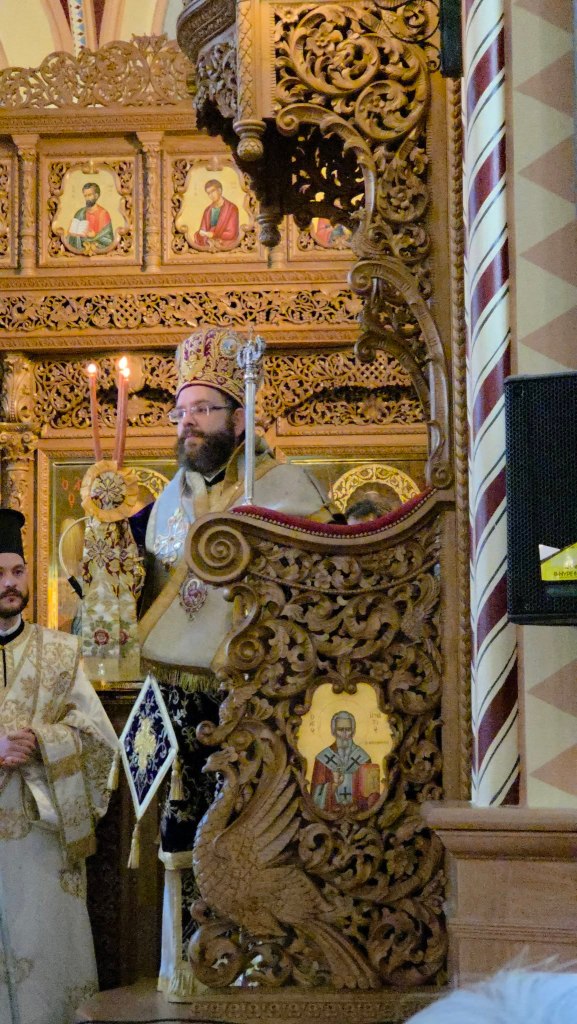
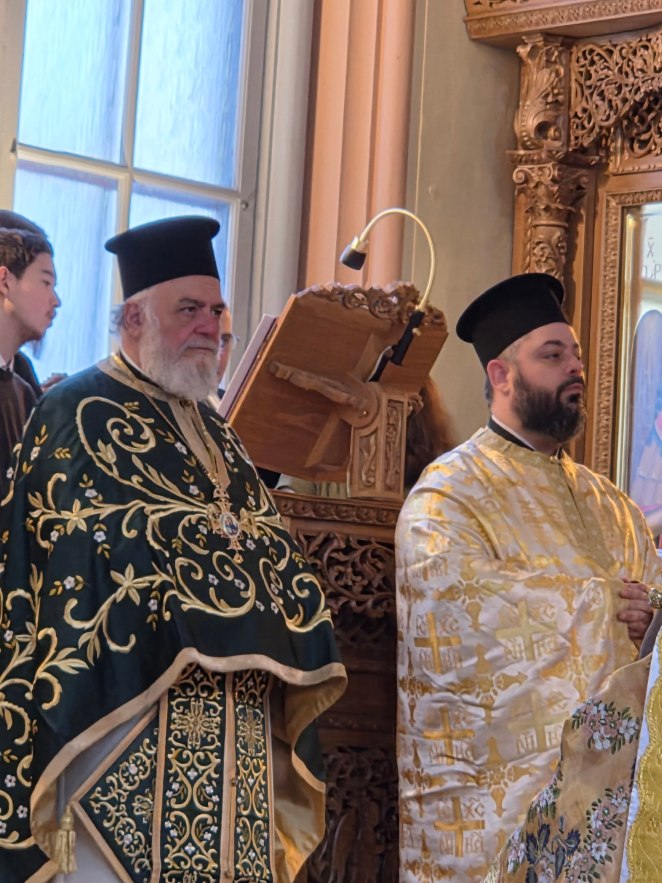
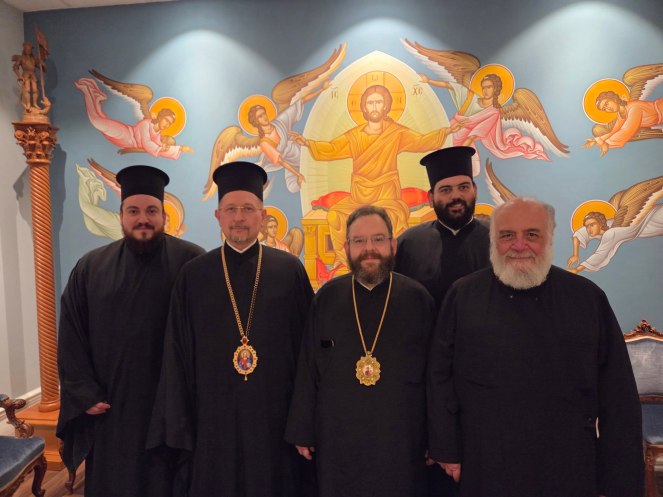
Taking part—besides the presiding local Metropolitan His Eminence Cleopas—were His Eminence Metropolitan Athenagoras of Kydoniai and His Eminence Metropolitan Maximos of Switzerland, together with the following clergy:

the Very Rev. Archimandrite Oikoumenios Markopoulos, clergyman of the Holy Metropolis of Maroneia and Komotini;
the Very Rev. Archimandrite Nektarios Demetropoulos, clergyman of the Holy Metropolis of Maroneia and Komotini;
the Very Rev. Archimandrite Symeon Gavras, clergyman of the Holy Metropolis of Polyani and Kilkis;
the Very Rev. Archimandrite Gabriel Baratasvili, clergyman of the Holy Metropolis of Switzerland;
the Rev. Protopresbyter Lampros Xesfygkis, clergyman of the Holy Archdiocese of Athens;
the Rev. Protopresbyter Georgios Arvanitidis, parish priest of the Saints Demetrios and Nestor parish, Örebro, Sweden;
the Rev. Presbyter Georgios Kanakaris, Presiding Priest of the Annunciation of the Theotokos Metropolitan Church, Oslo, Norway;
the Very Rev. Deacon Evlogios Tsatsas, Codifier of the Holy and Sacred Synod of the Ecumenical Patriarchate;
and the Rev. Hierodeacon Chrysostomos Kotidis, Archdeacon of the Holy Metropolis of Trikki, Gardiki and Pyli.

His Eminence Metropolitan Cleopas of Sweden and All Scandinavia addressed the Bishop-elect, in Greek, English and Swedish, with the following words:

“Your Eminences and Your Graces,

Very Reverend and Reverend Fathers,

Your Excellencies, Ambassadors,

Honorable Archons of the Ecumenical Patriarchate,

Esteemed Chanters,

Beloved Brothers and Sisters in Christ,

With feelings of deep emotion and spiritual joy, we preside over today in the episcopal ordination of His Grace Bishop Bartholomew of Elaia, in the honorable presence and participation of my brotherly friends and fellow hierarchs, His Eminence Metropolitan Athenagoras of Kydoniai and His Eminence Metropolitan Maximos of Switzerland, to whom I express my deepest gratitude for their many years of unwavering support for my unworthiness and for my humble Province.

This sacred moment is not simply a personal milestone for the one being ordained, but an ecclesiastical and historical event that concerns the entire Body of the Church.

Beloved Bartholomew,

Your dedicated priestly ministry at the Saint George Cathedral of Stockholm is a living testimony of pastoral sensitivity and authentic love for the flock of the Mother Church of Constantinople here.

The paternal love of our Patriarch and of the Holy and Sacred Synod of the Ecumenical Patriarchate has elected you Bishop of the historic Diocese of Elaia of Pergamon, whose predecessor was the late Ecumenical Patriarch Demetrios of blessed memory.

Your education and your ecclesiastical ethos constitute precious provisions for your new mission.

With an edifying word and with a disposition for cruciform ministry, continue to remain close to our people in moments of joy and trial, building bonds of trust.

The Church does not seek in the episcopate an administrator of structures, but a shepherd of souls. She does not expect a person of prestige, but a person of sacrifice. She does not await a bearer of authority, but a witness of the love of Christ.

Become ‘all things to all people,’ so that you may heal, build unity, and foster reconciliation. Preserve within you the flame of faith that you received from your good parents, which, guided by its critical disposition, will not hesitate to expose and cauterize certainties that lead to a self-satisfied and established mentality and attitude.

Your duty is your encounter with the other—who in truth is the ‘alter ego’—and an approach to society as a whole without exception, abstaining from fundamentalisms, from rhetoric of hatred and indignity, and from the public shaming of difference.

Christ is the beginning of another movement—of a motion that stands still and of a stillness that is ever in motion, as Saint Maximus the Confessor says.

Let us not forget that out there there is a world waiting: a world that wants to see the Orthodox Church give meaning to life and become the loving bond that holds together societies that are falling apart; a world wounded by hostility and by the breakdown of communion among persons and among Churches.

Are we ready for such a “together”? Might it be, in the end, that after so many years of insisting on the presence of a truth full of self-sufficiency and power, we must seek a God who is ‘without pride,’ as Saint Symeon the New Theologian characterizes Him? (Symeon the New Theologian, Eucharist/Thanksgiving.)

The late Elder Metropolitan Meliton of Chalcedon, wrote: ‘As Church, we are entangled in the course of the human race, in this great adventure that is called History, which leads to the perfection of the last things. By feigning the “yesterday,” we are absent from the “today,” and the “tomorrow” comes without us.’ … ‘Yesterday passed long ago; we do not even live today—tomorrow has already overtaken us.’ (Elder Metropolitan Meliton of Chalcedon, “On Hypocrisy,” Speeches and Homilies, pp. 86–89.)

I pray, Beloved Bartholomew, that you may daily become a fellow-traveller on the Cross-and-Resurrection path of our Lord toward Emmaus, so that your archpastoral ministry may always be timely, contemporary, and fruitful, since ‘Jesus Christ is the same yesterday and today and forever’ (Hebrews 13:8).

Beloved Bartholomew,

Be mindful of the living witness of our local Church and her pastoral care. Our seminar to the Catechumens who come from diverse ethnic and religious backgrounds, united by a genuine desire to discover the Orthodox faith, is not simply an educational initiative, but an authentic missionary work, faithful to the command of our Lord to preach the Gospel to all nations.

You share personally in this pastoral ministry. May you always carry in your heart these young people who seek spiritual truth with sincerity. Their questions, their presence, remind us vividly of our true responsibility toward the challenges of our time, since the Church exists not for Herself alone, but for the life of the world. She is missionary by her very nature.

In this spirit, we pray that you will be strengthened to serve as a true missionary, able to approach all people, and especially the young, with wisdom, humility, and love.

May the Lord grant Your Grace strength, in every aspect of your episcopal ministry, and may your service bear rich spiritual fruit to the glory of God and the edification of His beloved people.

Må Herren skänka Ers Nåd styrka i varje del av Ert biskopliga ämbete, och må Er tjänst bära rik andlig frukt till Guds ära och till uppbyggelse för Hans älskade folk.»

In his reply, His Grace Bishop Bartholomew of Elaia said the following:

“The Lord has become my helper and protector for salvation; He is my God, and I will glorify Him; He is the God of my father, and I will exalt Him, for He has been glorified exceedingly.”

“Your Eminence, most venerable Shepherd of the God-protected and missionary vessel of the vineyard in Sweden, Norway, Denmark, Iceland, and Greenland—whose root is in the Venerable Centre of Orthodoxy, the Phanar of Constantinople—my deeply respected Elder Cleopas, celebrant of the Mystery of my ordination to the episcopacy,

Very Reverend and Reverend concelebrants,
Your Eminences, holy Hierarchs, co-workers of divine grace and of this Sacrament now being accomplished,
Reverend Deacons,
Honored chanters,
Your Excellencies, the Ambassadors of Greece and Cyprus to Sweden,
Archons and Office-bearers of the Holy Great Church of Christ,
My respected parents, Georgios and Aikaterini,
Beloved children,
My beloved Brethren, parishioners of our Cathedral and devout pilgrims,

At the beginning of this year’s Triodion, following Your Eminence’s request to His All-Holiness Ecumenical Patriarch Bartholomew and the unanimous vote of the Members of the Holy and Sacred Synod of our Ecumenical Patriarchate, having been elected Bishop with the simple title of the once illustrious and most holy historic Diocese of Elaia, I stand at this hour before the Church with fear and trembling, knowing that I have nothing to present before God except my weakness and unworthiness.

Today’s Gospel reading of the Publican and the Pharisee clearly reveals the truth of spiritual life. As Saint John Chrysostom says: ‘God examines not our works, but the disposition of the heart.’

Before the sacrament of the episcopacy, I do not dare to compare myself with anyone or to justify my path. I desire only to stand, like the Publican, with the saving words: ‘O God, be merciful to me, a sinner.’

Saint Isaac the Syrian writes: ‘Humility is the path by which grace descends.’ And Saint Symeon the New Theologian adds: ‘Without contrition of heart, there is no working of the Spirit.’

I know that the episcopacy is not a dignity, but a cross. Saint Gregory the Theologian confesses: ‘I fear the priesthood, as the word of God and the work of angels.’

Therefore today I do not ask to be judged worthy, but to be surrendered to the mercy of God. As Saint Maximus the Confessor teaches: ‘God perfects the weak through grace.’

In our age, when doubt and spiritual confusion prevail, Christ’s mission touches us personally. We are called to continue the Church’s mission with confession of faith and active love; to defend the ‘image of God’ in the human person, especially in the poor, the refugee, and the marginalized; to offer Orthodoxy not as a closed tradition, but as a living witness of life and hope.

With deep emotion and sacred awe, on this most official day, I stand before the holy Altar, called to ascend to the great and fearful office of the Bishop. I confess with the Apostle Paul: ‘No one takes this honour upon himself, but is called by God’ (Heb. 5:4). Yet I tremble before the weight of responsibility, and I rejoice, because ‘the power of God is made perfect in weakness’ (2 Cor. 12:9).

Moved by mixed feelings of doxology to the Triune God, and towards those persons who became co-workers in His work, I begin by offering my gratitude: first, to the Mother Church and Her Venerable Summit of Orthodoxy, His All-Holiness Ecumenical Patriarch Bartholomew, for his fatherly admonitions on the day of the Little Message at the Phanar, and for his affection, recognition, and the sealing of my service in the Church through the joy of my elevation to the highest rank of Bishop.

Next, to You, Your Eminence, Father and Master—the wise helmsman and Shepherd of the First-Throned Church in Scandinavia—for the fatherly trust and love that extended even to proposing my unworthiness to receive the grace of the episcopacy, while at the same time taking upon myself the role of a Simon of Cyrene in your multifaceted and widely acknowledged work within and beyond the borders of our Holy Metropolis, through which our Metropolis has become known throughout the world.

I thank you, our most worthy Shepherd, who ‘in soul and body’ for twelve whole years, literally sleepless at your post, have spent yourself day and night for the spiritual growth of the people of God and for the progress and wellbeing of our entire Diaspora.

Selfless in your intentions, pure in your motives and impulses, you struggle, guide and lead, inspire and direct, and you have succeeded in winning everyone’s respect and love without exception.

Great is the favour of God to our local Church, which granted us you, Your Eminence, as leader and Chief Shepherd—wise man and loving father, well-formed theologian and author of many scholarly works, most capable in the handling of ecclesiastical discourse, illumined and graced by the Holy Spirit—a worthy captain who, with a steady compass toward Golgotha and the Parthenon, leads the noetic ship of our Metropolis to saving pastures and keeps watch, so that we may all be guided to calm harbours. May the Lord remember your sacrifice!

I thank the holy Hierarchs, Members of the Holy and Sacred Synod, for their love, concord, and prayer.

I thank the concelebrating Hierarchs, Their Eminences Metropolitan Athenagoras of Kydoniai and Metropolitan Maximos of Switzerland, not only for their love but also because they undertook the hardship of travel.

For me, His Eminence Metropolitan Athenagoras is above all a man with a true pastoral heart and an authentic Phanariot hierarch, knowledgeable and faithful to the liturgical order of the Holy Great Church of Christ, distinguished not only by his rank, but by the way he stands before every person—with respect, simplicity, and sincere concern.

In his company one feels truly heard. He does not rush to speak, he does not impose himself; he makes space, shows understanding, and speaks when necessary with words weighty and substantial. His manner breathes peace and trust.

His Eminence Metropolitan Maximos, on the other hand, is a person of authority in the theological and ecclesiastical sphere, with a word that bridges Orthodoxy with the contemporary world, presenting a Church open, responsible, and spiritually mature.

His overall ministry bears witness to a shepherd of depth, consistency, and genuine love for the Church and the human person. The presence of both is a very great honour to my unworthiness.

I thank the concelebrating Presbyters and Deacons—many of whom are also my spiritual children—especially for manifesting their love by being present here, as well as those present in prayer, who expressed their sentiments for my unworthiness, either verbally or in writing. May the Lord grant to each according to the desire of his heart!

I thank my spiritual fathers and teachers for their guidance and their examples. Among them, allow me to mention the late Headmaster of the 7th Gymnasium of Ilioupoli, Attica, Konstantinos Banavas, a graduate of the Theological School of Halki and classmate and fellow alumnus of the also late Metropolitan Dionysios of Neapolis and Stavroupoli, who was a support and model in the formation of my ecclesiastical ethos; and his late wife and my teacher, Zoi Nikolaidou, who, as a classical philologist, prepared me for the national examinations.

I also thank my professor at the Law School of Democritus University of Thrace and its Dean, the most learned Mr. Konstantinos Antonopoulos, who introduced me to the field of Public International Law and enabled me to become a Doctor of the School; as well as His Eminence Metropolitan Gregorios of Peristeri, alongside whom—at your urging and with your consent—I am preparing my second doctoral dissertation.

I thank my family, my first school of faith and love; my beloved and deeply respected parents, Georgios and Aikaterini, who proved worthy of their calling as parents, since they never stood as an obstacle to my vocation; on the contrary, they were always a support and a pillar for my decisions. I kiss their hands with gratitude and ask them to pray for my new and high ministry.

I thank His Eminence Metropolitan Damaskinos of Didymoteichon, Orestias and Souflion, who in 1999, when he was then Bishop of Diavleia, introduced me into the holy priesthood and fulfilled my childhood longing, after our acquaintance in the parish of my childhood, Saint Nicholas of Ilioupolis, when the rector and founder of the magnificent new church, Rev. Protopresbyter Ioannis Kyrlakis, whose right hand I kiss with gratitude, led me to meet him.

I thank the late Metropolitan Chrysostomos of Peristerion, the learned hierarch of the Church of Greece and graduate of the Theological School of Halki, who received me into the priestly family of his Metropolis although I had not yet reached the age of twenty, and who breathed into my unworthiness the spirit of devotion to the Mother Church; he also became the cause of my acquaintance and interaction with outstanding learned hierarchs of the First-Throned Church.

Thereafter my steps were led to Thessaly, specifically to the Holy Metropolis of Trikki and Stagoi, when the then shepherd of that Metropolis, now of blessed memory, Metropolitan Alexios, received me into his province and entrusted to me the highly responsible post of his Chancellor from 2003 until 2012.

Then, with his blessing, I received canonical release for two years from the Holy Synod of the Church of Greece and went to Paris, where the shepherd of the Holy Metropolis of France, now Elder Metropolitan Emmanuel of Chalcedon, received me in his God-protected Metropolis and assigned me parish duties at the Saint Stephen Cathedral of Paris, as well as duties as his secretary, while also blessing my pursuit of higher studies at postgraduate level at the École Pratique.

A few months before the end of my release, the election of the then Chancellor of the Holy Metropolis of Xanthi, the V. Rev. Archimandrite Panteleimon, as Metropolitan of Maroneia and Komotini took place; he called me to assist in the multifaceted work he undertook in the sensitive border Metropolis of Thrace, where I served until March 2020.

Then, with his canonical permission and blessing, I received canonical release from the Holy Synod of the Church of Greece for the Holy Metropolis of Sweden and All Scandinavia here, in order to serve beside you as parish priest of the Saint George Cathedral of Stockholm.

I thank the blessed people of God, who supported me with their prayers and teach me what it means to be a living Church. I ask them to shelter me with their prayers, so that I may never live with the mindset of the Pharisee, but with the heart of the Publican, with contrition and a spirit of service.

I invoke the protection of our Lady Theotokos, the intercessions of the Archangels, the holy Great Martyrs George and Demetrios, Nicholas of Myra, Nectarios of Pentapolis in Aegina, and the Equal-to-the-Apostles Constantine and Helen, in the churches of whom I have served, as well as the love of all of you, so that I may carry out this new mission.

Strengthened in Christ who strengthens me, and in the might of His power, and knowing the anxiety and struggle of the martyric Mother Church of Christ ‘always to bring forth from the worst given circumstances the best possible’ (Metropolitan Meliton, Elder of Chalcedon, Speeches and Addresses, “Panselinos” Editions, Karyes, Mount Athos, 1991, p. 96), and also the witness of this missionary province in Scandinavia, reborn from its ashes by you, our Shepherd, I shall proceed to ascend the steps of the holy altar and receive through your precious hands the grace of the episcopacy.

Concluding, I place myself in the mercy of God and in the grace of the All-Holy Spirit, and with humility of heart I await the holy acclamation of the faithful, which will seal the command of God and His Body, so that this new calling may not be only personal, but that all the living members of the same Body of the Lord may become ‘icons of Christ’ in the world, so that Orthodoxy may not be only a relic of the past, but a living power that supports and saves the inhabited world. Amen. Please pray for me!”

The hymns were chanted in Greek and Swedish by volunteer chanters of the Cathedral: Dr. Andreas Selamsis, Dr. Georgios Sidiras, Ms. Eliana Antoniou, Mr. Elias Gergi, Mr. Isak Isaksson, and Mr. Nikolaos Theodoridis.

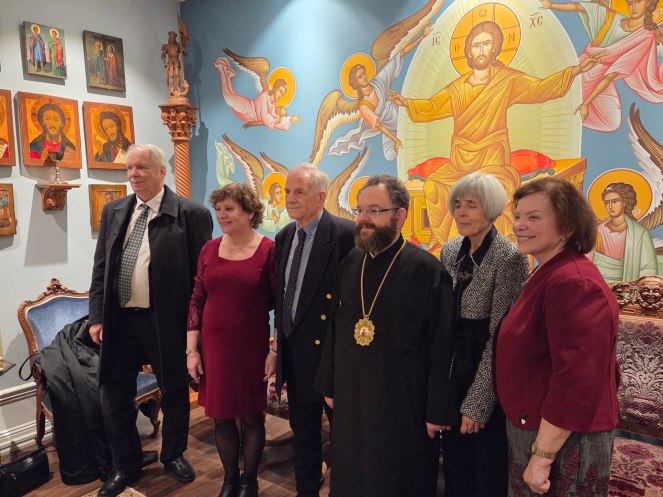
Also present were the parents of the new Bishop, Mr. and Mrs. Georgios Iatridis; the Archons of the Holy Great Church of Christ, Messrs. Rafail Poumeyrau and Fredrik Styrlander; Her Excellency the Ambassador of Greece to Sweden, Ms. Aikaterini Fountoulaki; His Excellency the Ambassador of Cyprus to Sweden, Mr. Solon Savva; Members of the Metropolis Executive Board Dr. Nikolaos Venizelos, Mr. Rafail Poumeyrau, Ms. Foteini Batsela, and Mr. Nikolaos Kitsios; Members of the Parish Councils of Stockholm and Norway; representatives of Christian Churches and confessions, including the Cardinal of Stockholm, His Eminence Anders Arborelius; His Eminence Archbishop Johhanun Lahdo of the Syrian-Aramean Community of Stockholm; and His Grace Bishop Emeritus Hans-Erik Nordin, representative of His Eminence Archbishop Martin Modéus of Uppsala of the Lutheran Church of Sweden.

The ordination was also attended by members of the Greek community living in Stockholm: Dr. Alexandros Georgiadis and Dr. Vasiliki Kakani; Dr. Benjamin Benjamin and Dr. Katarina Skodra; Dr. Ioannis Rigopoulos and Dr. Aikaterini Tzovla; Dr. Vasiliki Vasila; Dr. Vasileios Sarakatsianos; Mr. and Mrs. Christos Meletis with their daughters Andriana and Sofia (business owners); Mr. and Mrs. Aydin Melkemichel (business owners); Mr. and Mrs. Bengt Svendberg; Mr. and Mrs. Savvas Zorpidis; Mr. and Mrs. Oto Fromell; Mrs. Olga Karapanagiotidou; Mrs. Kyriaki Karapanagiotidou; Ms. Symela Karapanagiotidou; Mr. and Mrs. Georgios Kitsios; Mr. Georgios Tzanis (business owner); and Messrs. Eleftherios Tsengos and Christos Lytridis.

Visitors from Greece also came in order to honor His Grace and convey their congratulations in person: Messrs Christos Oikonomou, Vasileios and Glykeria Alexiou, Vasileios Papagiannis, Vasileios Souliotis, Lampros Zachos, and Athanasios Makrygiannis.

At the conclusion of the Divine Liturgy, the newly ordained Bishop distributed the bread/antidoron and received the congratulations of the faithful.

Afterwards, in the Cathedral Fellowship Hall, an official luncheon was offered in honor of the dignitaries and those who had come from abroad, a gift from the family of Mr. and Mrs. Christos Meletis.

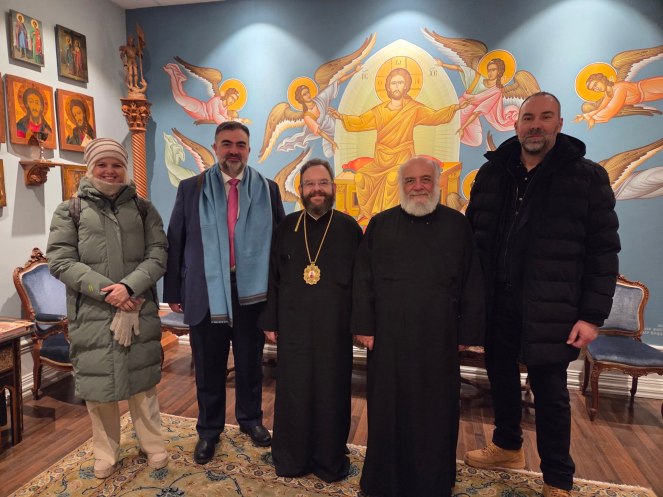
On the same evening, the Holy Metropolis of Sweden and its Hierarch, His Eminence Cleopas, hosted a dinner at a local restaurant in honor of the newly elected Bishop and his guests from abroad.

The following day, February 2nd, 2026, His Grace celebrated the Divine Liturgy at the Cathedral of Stockholm together with the visiting clergy, and later that afternoon, the family of Mr. George Vavoulidis offered a dinner at the premises of the aforementioned Cathedral.
Metropolis

Welcome to the 8th Catechumens Meeting at the Stockholm Cathedral

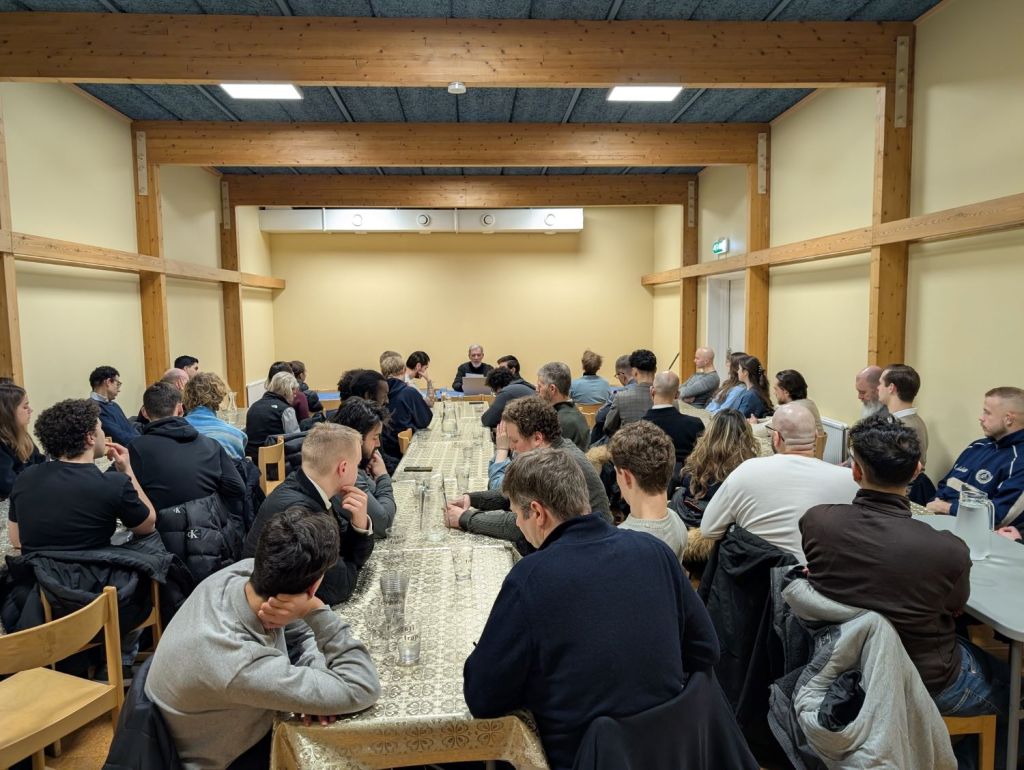
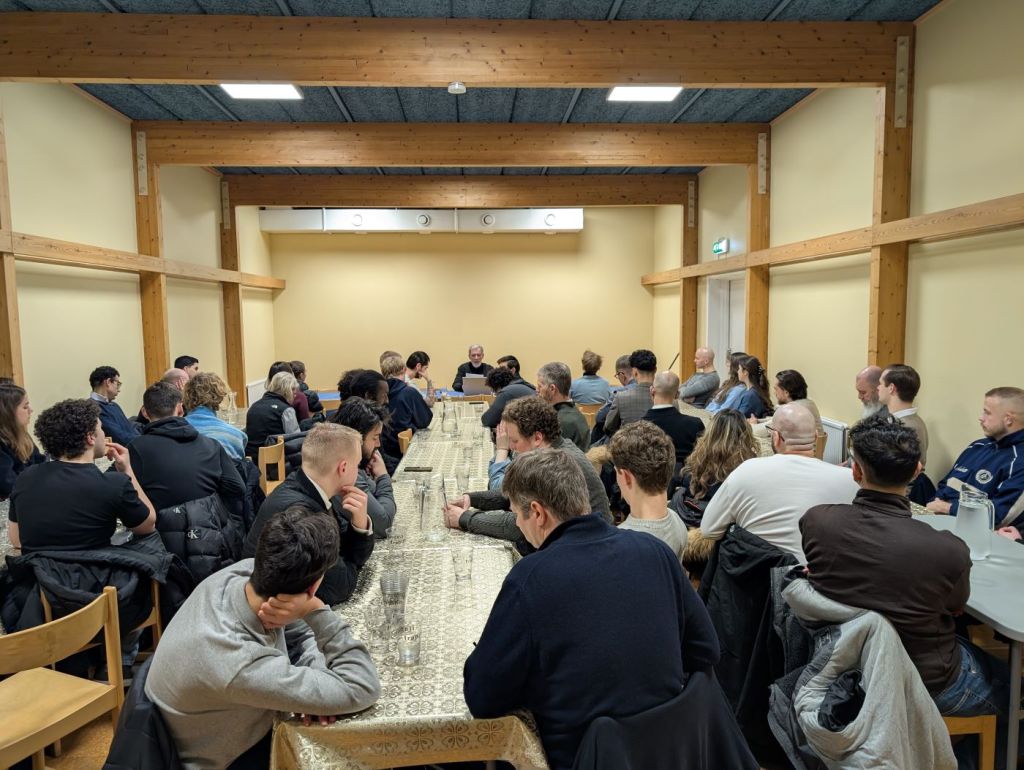
On Thursday, January 29th, 2026, at 6:00 p.m. (Swedish time), the 8th consecutive meeting with Catechumens and newly illumined faithful will take place at the premises of the Saint George Cathedral of Stockholm (Birger Jarlsgatan 92, 114 20 Stockholm).

The entrance is from the church driveway!

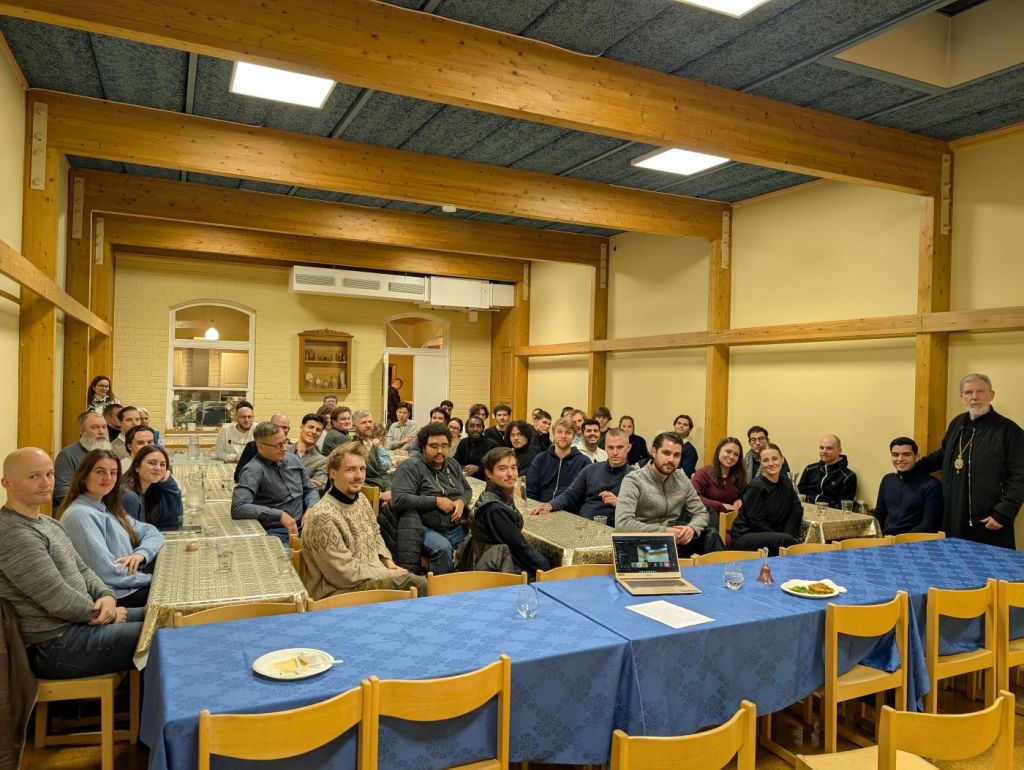
His Eminence Metropolitan Cleopas of Sweden and All Scandinavia will serve as the speaker, addressing the participants in the English language, in order to accommodate the diverse group of Catechumens and newly baptized and chrismated faithful, who come from various countries and cultural backgrounds.

His Eminence’s upcoming presentation is entitled:

“a) “New Year: From Secular to Sacred Time”

b) “Vasilopita and New Year’s Traditions, from Antiquity to the Present Day.”

The presentation will last for an hour, followed by a dinner at the Cathedral Fellowship Hall, in honor of the Catechumens and all those in attendance.

Those residing outside Stockholm may follow the meeting online via the following link:

For further information, please contact: +46 73 542 9745 or metropolisofsweden@gmail.com

Metropolis

7η Συνάντηση Κατηχουμένων στoν Καθεδρικό Ναό Στοκχόλμης

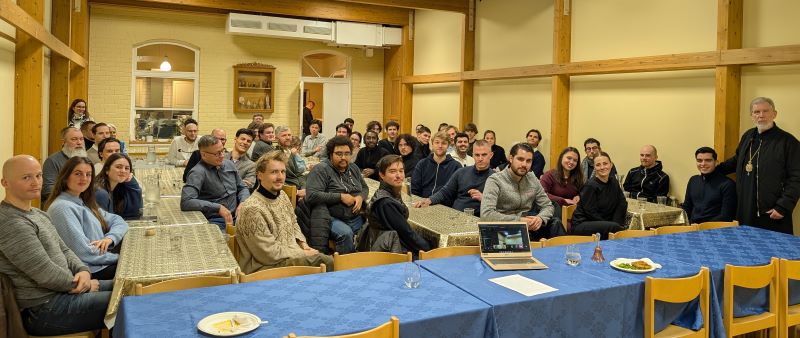
Το απόγευμα της Πέμπτης, 15ης Ιανουαρίου 2026, πραγματοποιήθηκε στις εγκαταστάσεις του Καθεδρικού Ναού Αγίου Γεωργίου Στοκχόλμης (Birger Jarlsgatan 92, 11420), η 7η κατά σειρά συνάντηση με τους Κατηχουμένους και τους νεοφώτιστους.

Μετά την ανταλλαγή των ευχών για το νέο έτος και την παρουσίαση του εψηφισμένου Επισκόπου Ελαίας, Θεοφιλ. κ. Βαρθολομαίου, άχρι τούδε Εφημερίου του Καθεδρικού Ναού, ο Ποιμενάρχης, Σεβ. Μητροπολίτης Σουηδίας κ. Κλεόπας, ανέλυσε στην συνάντηση των Κατηχουμένων, στην Αγγλική, το προσφάτως δημοσιευθέν άρθρο του, με τίτλο: «Φως και Νερό στα Θεοφάνεια και στην Αρχαία Ελλάδα», και απήντησε στις ερωτήσεις των συνεχώς αυξανομένων κατηχουμένων, οι οποίοι ξεπέρασαν τους 60 με φυσική παρουσία και τους 30 διαδικτυακά.

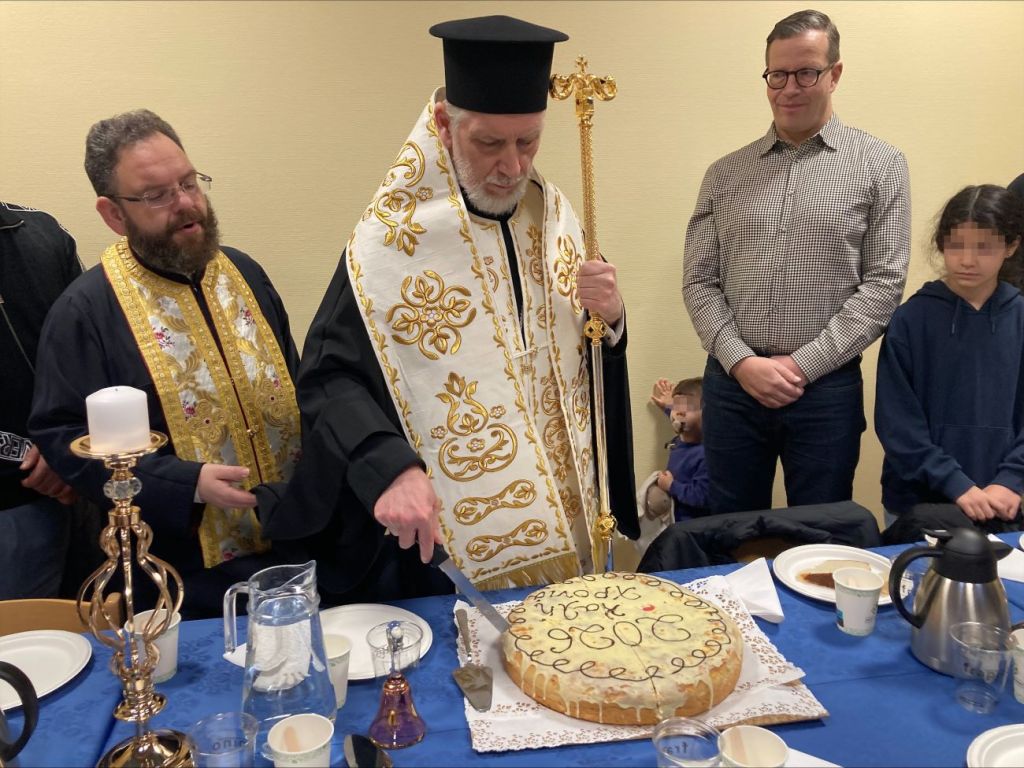
Στο τέλος της συναντήσεως και μετά τις ερωταποκρίσεις, έγινε η κοπή της βασιλόπιτας και προσεφέρθη παραδοσιακό ελληνικό δείπνο και γλυκίσματα, τα οποία επιμελήθηκαν οι εθελόντριες κυρίες Αλεξάνδρα Ζορπίδου, Αικατερίνη Καβαλτζή, Ασημίνα Κασαγιάννη και Σπυριδούλα Καρακατσάνη.

Η επόμενη, συν Θεώ, συνάντηση, προγραμματίστηκε για την Πέμπτη, 29 Ιανουαρίου 2026, στις 6 μ.μ. (ώρα Σουηδίας) (είσοδος από το πάρκινγκ του ναού), κατά την οποία ο Σεβασμιώτατος θα αναπτύξει, στην Αγγλική γλώσσα, τα ακόλουθα επίκαιρα δύο θέματα: 

α) «Η Πρωτοχρονιά από τον κοσμικό στον ιερό χρόνο» και

β) «Βασιλόπιτα και Πρωτοχρονιάτικα έθιμα, από την αρχαιότητα έως σήμερα». Όσοι βρίσκονται εκτός Στοκχόλμης, μπορούν να παρακολουθήσουν την συνάντηση διαδικτυακά, στον σύνδεσμο:

Για περισσότερες πληροφορίες, μπορείτε να επικοινωνήσετε τηλεφωνικώς στο +46 73 542 9745 ή στο metropolisofsweden@gmail.com

Metropolis

7th Catechumens Meeting at the Stockholm Cathedral

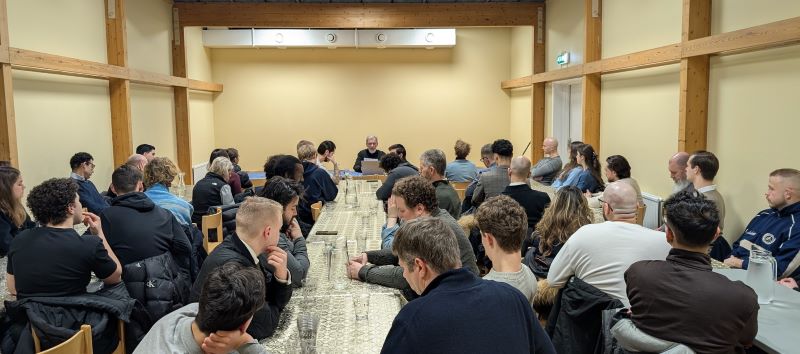
On the afternoon of Thursday, January 15th, 2026, the 7th consecutive meeting with Catechumens and newly illumined faithful took place at the premises of the Saint George Cathedral of Stockholm (Birger Jarlsgatan 92, 11420).

Following the exchange of New Year’s greetings and the presentation of the newly elected Bishop of Elaia, His Grace Bartholomew, until now Parish Priest of the Cathedral, His Eminence Metropolitan Cleopas of Sweden addressed the gathering of Catechumens in English.

He presented and analyzed his recently published article entitled “Light and Water at Theophany and in Ancient Greece,” and answered questions from the continually growing group of Catechumens, who numbered over 60 in physical attendance and more than 30 online.

At the conclusion of the meeting, following the discussion and questions, the traditional Vasilopita was cut, and a traditional Greek dinner and desserts were offered. These were prepared by the volunteer ladies Alexandra Zorpidou, Aikaterini Kavaltzi, Asimina Kasagianni, and Spyridoula Karakatsani.

The next meeting, God willing, has been scheduled for Thursday, January 29th, 2026, at 6:00 p.m. (Swedish time) (entrance from the church parking lot).

On this occasion, His Eminence will present in English the following two timely topics:

a) “New Year: From Secular to Sacred Time”

b) “Vasilopita and New Year’s Traditions, from Antiquity to the Present Day.”

Those who reside outside Stockholm may follow the meeting online via the following link:

For further information, you may contact us by telephone at +46 73 542 9745 or by email at metropolisofsweden@gmail.com

Metropolis

Θέλω να πιω όλο το Βόσπορο! 35 χρόνια Βαρθολομαίος

Του Σεβ. Μητροπολίτου Σουηδίας κ. Κλεόπα


«Τα πνεύματα επιστρέφουνε τις νύχτες
φωτάκια από αλύτρωτες ψυχές.
Κι αν δεις εκεί ψηλά στις πολεμίστρες
θα δεις να σε κοιτάζουνε μορφές.

Και τότε ένα παράπονο σε παίρνει
και στα καντούνια μέσα σε γυρνά.
Η Πόλη μια παλιά αγαπημένη
που συναντάς σε ξένη αγκαλιά.

Θέλω να πιω όλο το Βόσπορο.
Αλλάζουνε εντός μου τα σύνορα του κόσμου.

Την βρήκα στις στροφές των ποιημάτων
με τις βαριές χανούμισσες να ζει.
Και ρίχνω μες στο στόμα των αρμάτων
την κούφια μου αλήθεια τη μισή.

Θέλω να πιω όλο το Βόσπορο.
Αλλάζουνε εντός μου τα σύνορα του κόσμου.»

Ο «Βόσπορος» του Νίκου Ζούδιαρη δεν είναι απλώς ένα τραγούδι μνήμης· είναι ένας ποιητικός τόπος όπου η ιστορία επιστρέφει τη νύχτα, όχι για να εκδικηθεί, αλλά για να ζητήσει αναγνώριση.

Ο «Βόσπορος» δεν περιγράφει απλώς έναν τόπο· αρθρώνει μια θεολογία της μνήμης. Είναι το πέρασμα όπου ιστορία, πίστη και ταυτότητα συνυπάρχουν.

Ο «Βόσπορος» δεν είναι γεωγραφικός τόπος· είναι μεταφυσικό πέρασμα, όριο ανάμεσα σε χρόνους, μνήμες και ταυτότητες.

Τα «πνεύματα» και τα «φωτάκια από αλύτρωτες ψυχές» δεν στοιχειώνουν την Πόλη με τρόμο, αλλά με ευθύνη. Η Κωνσταντινούπολη παρουσιάζεται ως παλιά αγαπημένη, επειδή εξακολουθεί να μας ορίζει και η συνάντηση μαζί της γεννά σιωπηλή ωριμότητα.

Οι «πολεμίστρες» και οι «μορφές που σε κοιτάζουνε» μετατρέπουν τον περιπατητή σε μάρτυρα. Η Κωνσταντινούπολη δεν προσφέρεται ως τουριστικό τοπίο, αλλά ως ηθική δοκιμασία: όποιος την αντικρίζει, προτρέπεται να αναμετρηθεί με το παρελθόν.

Οι στίχοι «Θέλω να πιω όλο το Βόσπορο / Αλλάζουνε εντός μου τα σύνορα του κόσμου», εκφράζουν μια μυσταγωγική επιθυμία αφομοίωσης. Το «να πιω» δεν είναι κατανάλωση· είναι κοινωνία, μετοχή.

Ο Βόσπορος γίνεται πνευματικό υγρό που διαλύει σύνορα – όχι πολιτικά, αλλά υπαρξιακά. Ο άνθρωπος μεταβάλλεται εσωτερικά, καθώς η Ιστορία περνά μέσα του, για να τον αλλάξει, να τον καταστήσει ικανό να αντέξει το βάρος της μνήμης.

Ο Βόσπορος, ως φυσικό και συμβολικό πέρασμα, γίνεται το όριο όπου μετακινούνται, όχι τα σύνορα των κρατών, αλλά «τα σύνορα του κόσμου εντός μας».

Αυτήν ακριβώς την στάση της σιωπηλής αντοχής και της μεταμορφωτικής μαρτυρίας, ενσαρκώνει εδώ και τριάντα πέντε χρόνια η Α. Θ. Παναγιότης, ο Οικουμενικός Πατριάρχης κ.κ. Βαρθολομαίος.

Ο Πατριάρχης Βαρθολομαίος είναι, κατ’ ουσίαν, ζωντανή γέφυρα, όπως ο Βόσπορος του ποιήματος.

Όπως ο Βόσπορος ενώνει ηπείρους, χωρίς να ανήκει ολοκληρωτικά σε καμία, έτσι κι η Πατριαρχία του Βαρθολομαίου κινήθηκε ανάμεσα σε Ανατολή και Δύση, παράδοση και ανανέωση, πίστη και παγκόσμια ευθύνη, χωρίς να ακυρώσει καμία από τις δύο όχθες.

Η Πατριαρχία του δεν υπήρξε ποτέ διαχείριση ενός παρελθόντος που χάνεται, αλλά διακονία ενός παρόντος που δοκιμάζεται και ενός μέλλοντος που ζητεί θεμέλια.

Το Οικουμενικό Πατριαρχείο, υπό την καθοδήγησή του, κατέστη παγκόσμιος συνομιλητής, όχι επειδή αναζήτησε ρόλο, αλλά επειδή αρνήθηκε να περιορίσει την Ορθοδοξία σε γεωγραφικά ή εθνοτικά όρια.

Στον Διαχριστιανικό και Διαθρησκειακό διάλογο, στην υπεράσπιση της ανθρώπινης αξιοπρέπειας, στην παρέμβαση υπέρ της ειρήνης και της συμφιλίωσης, η φωνή της Κωνσταντινουπόλεως ακούγεται καθαρή και αναγνωρίσιμη.

Ιδίως στον τομέα της προστασίας της κτίσεως, η μαρτυρία του Πατριάρχη ανέδειξε ότι η οικολογία δεν είναι ιδεολογία, αλλά θεολογία· ότι η καταστροφή του κόσμου δεν αποτελεί απλώς περιβαλλοντικό ζήτημα, αλλά πνευματικό τραύμα, ρήξη της ευχαριστιακής σχέσης του ανθρώπου με το δώρο της ζωής.

Η περιβαλλοντική πρωτοπορία και μαρτυρία του Πατριάρχη Βαρθολομαίου, που του χάρισε διεθνώς τον χαρακτηρισμό «Πράσινος Πατριάρχης», δεν συνιστά παρέκκλιση από την παράδοση, αλλά επιστροφή στον πυρήνα της.

Η κτίση δεν είναι ουδέτερη ύλη· είναι δώρο Θεού. Η καταστροφή της συνιστά, όχι απλώς οικολογικό, αλλά πνευματικό πρόβλημα, αμαρτία!

Η κτίση, επίσης, όπως και η ιστορία της Πόλης στο ποίημα, δεν είναι αντικείμενο εκμετάλλευσης, αλλά χώρος ιερής σχέσης.

Η παρουσία του Πατριάρχη Βαρθολομαίου σε διεθνή συνέδρια, πανεπιστήμια, οργανισμούς και διεθνή οικολογικά συμπόσια κατέδειξε ότι η Ορθοδοξία διαθέτει συνεκτική θεολογία της οικολογίας, θεμελιωμένη στην ασκητική εγκράτεια και την ευχαριστιακή σχέση με τον κόσμο και κατέστησε το Πατριαρχείο παγκόσμιο συνομιλητή, χωρίς να αλλοιώσει ούτε κατ’ ελάχιστον την εκκλησιολογική του ταυτότητα. Αντιθέτως, την κατέστησε ορατή και σεβαστή.

Ιδιαίτερη σημασία αποκτά, στο πλαίσιο αυτό, η επανίδρυση και επαναδραστηριοποίηση ιστορικών Ιερών Μητροπόλεων του Οικουμενικού Θρόνου, σε τόπους όπου η μνήμη κινδύνευε να μεταβληθεί σε ερείπιο.

Η πράξη αυτή δεν υπήρξε διοικητική τυπικότητα. Ήταν εκκλησιολογική δήλωση: η Εκκλησία δεν εγκαταλείπει την Ιστορία, ακόμη κι όταν οι άνθρωποι απουσιάζουν. Οι Μητροπόλεις αυτές επανιδρύθηκαν για να μαρτυρήσουν ότι η Εκκλησία λειτουργεί με άλλα κριτήρια, αγιοπνευματικά, και όχι με όρους συγκυρίας.

Η Πρωτόθρονη Εκκλησία της Κωνσταντινουπόλεως δήλωσε ότι δεν αποσύρεται από την Ιστορία όταν οι αριθμοί μικραίνουν, ούτε εγκαταλείπει τους τόπους επειδή σιώπησαν οι φωνές. Αντιθέτως, μαρτυρεί ότι ο χρόνος της δεν ταυτίζεται με τον κοσμικό χρόνο και ότι η παρουσία της δεν μετριέται με στατιστικές, αλλά με πιστότητα.

Μέσα σ᾽ αυτά τα πλαίσια, ο Πατριάρχης Βαρθολομαίος ανεδείχθη ως μία από τις μεγαλύτερες προσωπικότητες του 20ού και του 21ου αιώνα, όχι επειδή επέβαλε την φωνή του, αλλά επειδή την διέθεσε!

Ο Παναγιώτατος ανήκει σ᾽ εκείνη την σπάνια κατηγορία προσωπικοτήτων, με παγκόσμια ακτινοβολία, που δεν ερμηνεύονται επαρκώς με πολιτικούς ή θεσμικούς όρους. Με απλά λόγια, της νεολαίας, είναι ένας Πατριάρχης «πολύ «προχώ», που υπαγορεύει στην ιστορία και προηγείται αυτής!

Όπως στον «Βόσπορο» «αλλάζουν εντός μας τα σύνορα του κόσμου», έτσι και η Πατριαρχία του μετατόπισε τα σύνορα της Εκκλησιαστικής παρουσίας, από το περιθώριο στο κέντρο του παγκόσμιου διαλόγου, από την εσωστρέφεια στην οικουμενικότητα, από την διαχείριση του παρελθόντος στην συνευθύνη για το μέλλον.

Σε μια εποχή όπου η ισχύς μετριέται με αριθμούς, κράτη και στρατούς, η Πατριαρχία του Βαρθολομαίου απέδειξε ότι υπάρχει και μια άλλη μορφή ηγεσίας: η ηθική αυθεντία χωρίς εξωτερική δύναμη. Από έναν Θρόνο ιστορικά πληγωμένο και σταυρωμένο, ανέδειξε την Ορθοδοξία σε παγκόσμιο συνομιλητή.

Η Πατριαρχική μαρτυρία δεν διεκδίκησε ποτέ την πληρότητα της απάντησης, αλλά την γνησιότητα της στάσης.

Στάθηκε μέσα στην «αγκαλιά» της Πόλης, χωρίς φόβο, μετατρέποντας την δοκιμασία σε διακονία και την μνήμη σε ευθύνη.

Τριάντα πέντε σχεδόν χρόνια από της αναρρήσεώς του στον Οικουμενικό Θρόνο (22 Οκτωβρίου 1991), ο Πατριάρχης Βαρθολομαίος δεν επιχείρησε να «ανακτήσει» την Πόλη· επέλεξε να την νοηματοδοτήσει εκ νέου.

Δεν επιχείρησε να οικειοποιηθεί τον Βόσπορο της ιστορίας, αλλά να σταθεί επάνω του, όπως η Εκκλησία πράττει πάντοτε, ως γέφυρα, ως σημείο διάβασης.

Κι ίσως αυτό να είναι το βαθύτερο μήνυμα, τόσο του ποιήματος, όσο και της Πατριαρχικής του πορείας: ότι τα σύνορα του κόσμου δεν αλλάζουν με ισχύ, αλλά με μεταμόρφωση συνείδησης, και ότι η αληθινή καθοδήγηση δεν κρατά το πηδάλιο για να κυριαρχήσει, αλλά για να οδηγήσει με ασφάλεια, μέσα στα δύσκολα περάσματα του καιρού.

Ο «Βόσπορος» του Ζούδιαρη και η Πατριαρχία του Βαρθολομαίου συναντώνται σε ένα σημείο: στην πεποίθηση ότι η ιστορία δεν θεραπεύεται με λήθη, αλλά με μεταμόρφωση.

Κι αν πράγματι «αλλάζουν εντός μας τα σύνορα του κόσμου», αυτό οφείλεται σε προσωπικότητες που, όπως ο Οικουμενικός Πατριάρχης, επέλεξαν να υπηρετήσουν, όχι την ισχύ, αλλά το πραγματικό, Χριστοκεντρικό, νόημα της ζωής και τον ίδιο τον άνθρωπο.

Στα 35 χρόνια της Πατριαρχίας του, ο Βαρθολομαίος στάθηκε με σταθερότητα, μαρτυρία και πνευματική αξιοπρέπεια. Έτσι, η Κωνσταντινούπολη παραμένει, όχι απλώς τόπος μνήμης, αλλά κέντρο ευθύνης κι ο Πατριάρχης Βαρθολομαίος παραμένει φρουρός μνήμης και αρχιτέκτονας μέλλοντος!

Metropolis

“I Want to Drink the Entire Bosphorus!” On HAH Bartholomew’s 35 Years as Ecumenical Patriarch

By His Eminence Metropolitan Cleopas of Sweden

“The spirits return at night,
Little lights from unredeemed souls,
And if you look up there on the battlements,
You will see figures staring back at you.

And then a sense of lament overtakes you,
And leads you through the narrow alleys,
The City (Constantinople)—an old beloved one,
Whom you meet in a stranger’s embrace.

I want to drink the entire Bosphorus,
The borders of the world within me are changing.

I found her in the turns of poems,
Living among heavy-laden hanum women,
And I cast into the mouths of the chariots
My hollow truth—only half of it.

I want to drink the entire Bosphorus,
The borders of the world within me are changing.”

The “Bosphorus” by Nikos Zoudiaris is not simply a song of memory; it is a poetic space in which history returns at night—not to take revenge, but to ask for recognition.

The “Bosphorus” does not merely describe a place; it articulates a theology of memory. It is the passage where history, faith, and identity coexist.

The “Bosphorus” is not a geographical location; it is a metaphysical passage, a boundary between times, memories, and identities.

The “spirits” and the “little lights from unredeemed souls” do not haunt Constantinople with fear, but with responsibility. Constantinople is presented as an old beloved one, because it continues to define us, and our encounter with her engenders a silent maturity.

The “battlements” and the “figures staring back at you” transform the wanderer into a witness. Constantinople is not offered as a tourist landscape, but as a moral trial: whoever beholds her is summoned to reckon with the past.

The verses “I want to drink the entire Bosphorus / the borders of the world within me are changing” express a mystical desire for assimilation. “To drink” is not consumption; it is communion, participation.

The Bosphorus becomes a spiritual liquid that dissolves borders—not political ones, but existential ones. The human person is transformed inwardly as history passes through them, changing them, rendering them capable of bearing the weight of memory.

The Bosphorus, as both a physical and symbolic passage, becomes the boundary where it is not the borders of states that shift, but “the borders of the world within us.”

Precisely this stance of silent endurance and transformative witness has been embodied for thirty-five years by His All-Holiness Ecumenical Patriarch Bartholomew.

Patriarch Bartholomew is, in essence, a living bridge, like the Bosphorus of the poem.

Just as the Bosphorus unites continents without belonging entirely to either, so Bartholomew’s Patriarchal tenure has moved between East and West, tradition and renewal, faith and global responsibility, without negating either shore.

His Patriarchate was never the management of a fading past, but the ministry of a present under trial and a future in need of foundations.

Under his guidance, the Ecumenical Patriarchate became a global interlocutor, not because it sought a role, but because it refused to confine Orthodoxy within geographic or ethnic boundaries.

In inter-Christian and interreligious dialogue, in the defense of human dignity, in interventions for peace and reconciliation, the voice of Constantinople is heard clearly and recognizably.

Especially in the field of the protection of creation, the Patriarch’s witness revealed that ecology is not an ideology, but a theology; that the destruction of the world is not merely an environmental issue, but a spiritual wound—a rupture in humanity’s eucharistic relationship with the gift of life.

The ecological leadership and witness of Patriarch Bartholomew, which earned him internationally the title “Green Patriarch,” does not constitute a deviation from tradition, but a return to its core.

Creation is not neutral matter; it is a gift from God. Its destruction is not merely an ecological problem, but a spiritual one—sin!

Creation also, like the history of Constantinople in the poem, is not an object of exploitation, but a space of sacred relationship.

The presence of Patriarch Bartholomew at international conferences, universities, organizations, and international ecological symposia demonstrated that Orthodoxy possesses a coherent theology of ecology, grounded in ascetic restraint and a eucharistic relationship with the world, and made the Patriarchate a global interlocutor without altering in the slightest its ecclesiological identity. On the contrary, it rendered it visible and respected.

Of particular significance in this context is the reestablishment and reactivation of historic Holy Metropolises of the Ecumenical Throne in places where memory was in danger of becoming ruin.

This act was not an administrative formality. It was an ecclesiological statement: the Church does not abandon history, even when people are absent. These Metropolises were reestablished to testify that the Church operates by other criteria; spiritual, not circumstantial.

The First-Throned Church of Constantinople declared that it does not withdraw from history when numbers diminish, nor abandon places because voices have fallen silent. On the contrary, it bears witness that its time does not coincide with secular time, and that its presence is not measured by statistics, but by fidelity.
Within this framework, Patriarch Bartholomew emerged as one of the greatest personalities of the twentieth and twenty-first centuries, not because he imposed his voice, but because he offered it.

His All-Holiness belongs to that rare category of figures with global radiance who cannot be adequately interpreted in political or institutional terms. Simply put, as young people say, he is “a very ahead-of-his-time” Patriarch—one who dictates to history rather than follows it.

Just as in the “Bosphorus” “the borders of the world within us are changing,” so too his Patriarchal tenure shifted the boundaries of ecclesial presence—from the margins to the center of global dialogue; from introversion to universality; from managing the past to shared responsibility for the future.

In an era where power is measured by numbers, states, and armies, the Patriarchal tenure of Bartholomew proved that another form of leadership exists: moral authority without external force. From a Throne historically wounded and crucified, he elevated Orthodoxy into a global interlocutor.

The Patriarchal witness never claimed the fullness of the answer, but the authenticity of the stance.

He stood within the “embrace” of Constantinople without fear, transforming trial into ministry and memory into responsibility.

Almost thirty-five years since his enthronement on the Ecumenical Throne (October 22, 1991), Patriarch Bartholomew did not attempt to “reclaim” the City; he chose to re-signify it.

He did not seek to appropriate the Bosphorus of History, but as the Church always does, to stand upon it as a bridge; as a point of passage.

And perhaps this is the deepest message, both of the poem and of his Patriarchal journey: that the borders of the world do not change through power, but through the transformation of conscience; and that true leadership does not hold the helm in order to dominate, but to guide safely through the difficult passages of time.

Zoudiaris’ “Bosphorus” and the Patriarchal tenure of Bartholomew meet at one point: in the conviction that History is not healed by forgetting, but by transformation.

And if indeed “the borders of the world within us are changing,” this is due to personalities who, like the Ecumenical Patriarch, chose to serve not power, but the true, Christ-centered meaning of life—and the human person himself.

In the thirty-five years of his Patriarchal tenure, Bartholomew has stood with steadfastness, witness, and spiritual dignity.

Thus, Constantinople remains not merely a place of memory, but a center of responsibility, and Patriarch Bartholomew remains a guardian of memory and an architect of the future!

Metropolis

Η Ι. Μ. Σουηδίας για την εκλογή του Επισκόπου Ελαίας Βαρθολομαίου

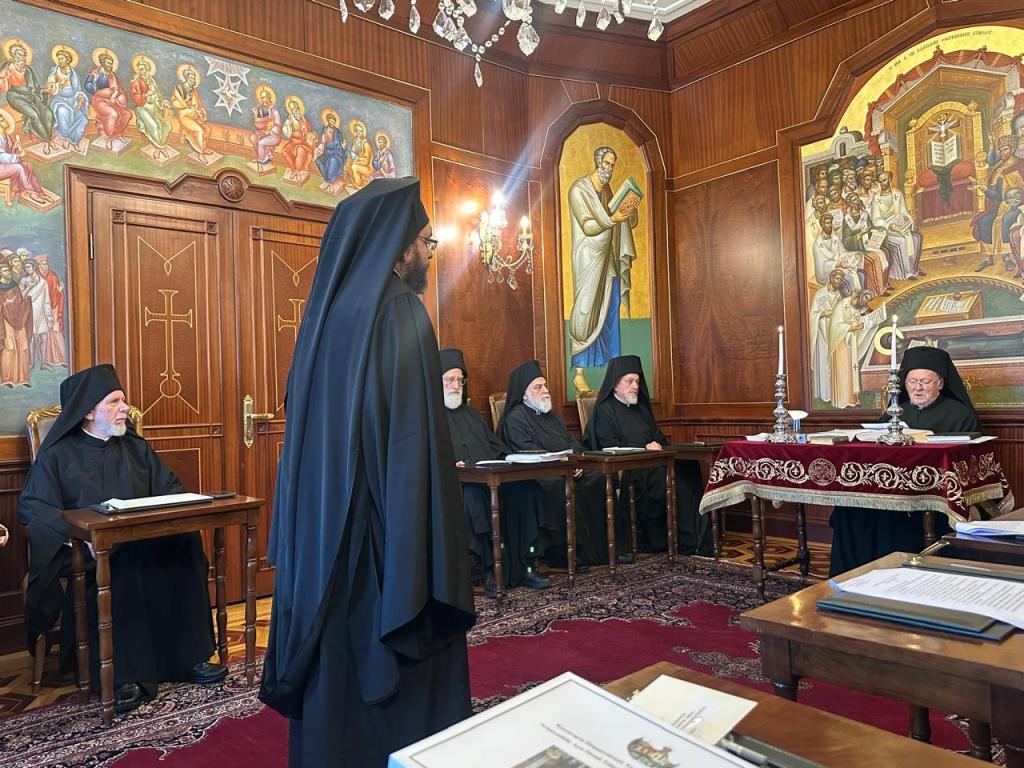
Περατωθεισών του εργασιών της Αγίας και Ιεράς Συνόδου του Οικουμενικού Πατριαρχείου, συγκληθείσης κατά την 8ην και 9ην Ιανουαρίου 2026, αντιστοίχως, κατά την πρώτην συνεδρίαν της πρώτης ημέρας, επιστρέψαντος δε του Σεβ. Μητροπολίτου Σουηδίας και πάσης Σκανδιναυΐας κ. Κλεόπα, εν τη έδρα Αυτού εν Στοκχόλμη, αιτηθέντος Βοηθού παρ’ Αυτώ Επισκόπου, προτάσει δε της Α. Θ. Παναγιότητος, του Οικουμενικού Πατριάρχου κ. κ. Βαρθολομαίου, εξελέγη ο Πανοσιολ. Αρχιμανδρίτης του Οικουμενικού Θρόνου κ. Βαρθολομαίος Ιατρίδης, Βοηθός Επίσκοπος παρά τω Σεβ. Μητροπολίτη Σουηδίας και πάσης Σκανδιναυΐας κ. Κλεόπα, υπό τον τίτλον της πάλαι ποτέ διαλαμψάσης Επισκοπής Ελαίας.

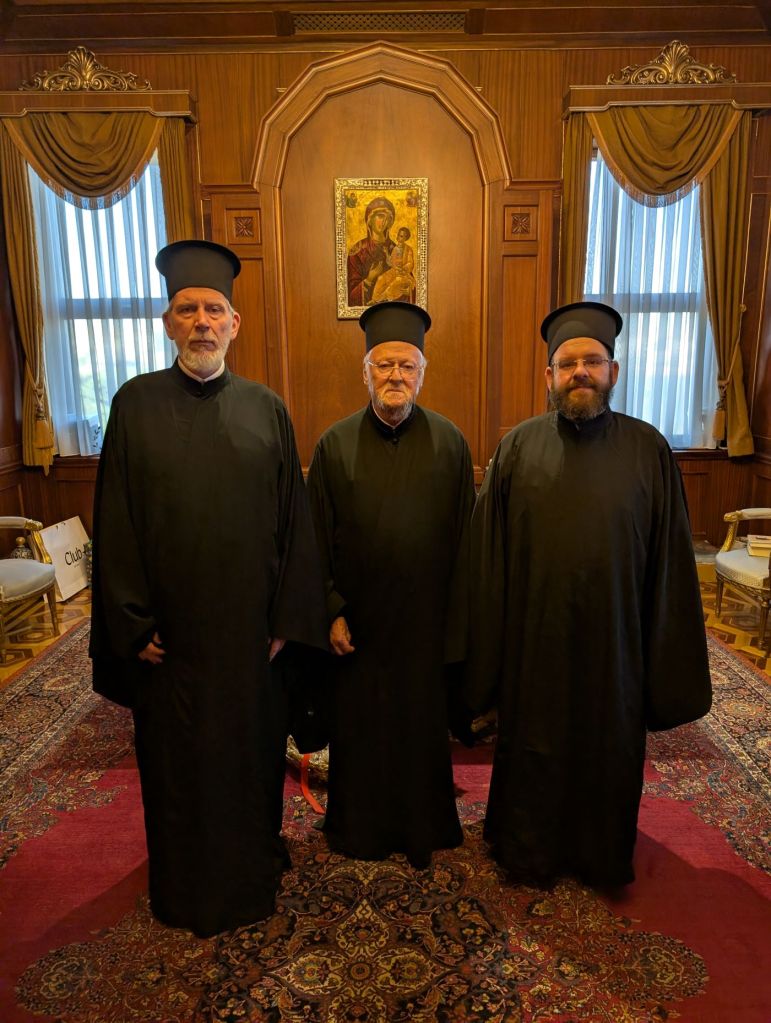
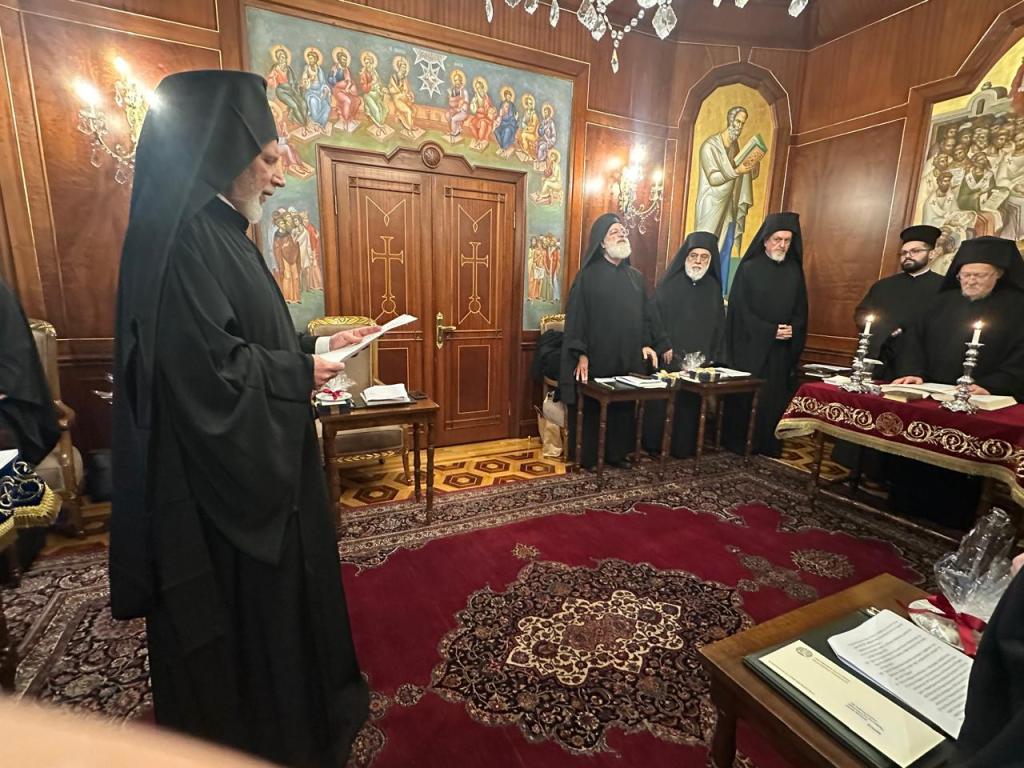
Αναγγελθείσης της εκλογής τω Θεοφ. Εψηφισμένω Επισκόπω Ελαίας κ. Βαρθολομαίω, μετέβη την επομένην εις το Σεπτόν της Ορθοδοξίας Κέντρον, όπου, την 9ην Ιανουαρίου 2026, ετελέσθη το Μικρόν Μήνυμα, ενώπιον της Α. Θ. Παναγιότητος, του Οικουμενικού Πατριάρχου κ. κ. Βαρθολομαίου, Όστις προσεφώνησε τον εκλεγέντα Επίσκοπον Ελαίας διά των κατωτέρω λόγων:

“Θεοφιλέστατε Ἐψηφισμένε Ἐπίσκοπε Ἐλαίας κ. Βαρθολομαῖε,

Ἦλθε τό πλήρωμα τοῦ χρόνου διά νά λάβῃς, ἀρχομένου τοῦ νέου ἐνιαυτοῦ τῆς χρηστότητος τοῦ ἐπιφανέντος τῷ κόσμῳ Κυρίου ἡμῶν, τόν τρίτον βαθμόν τῆς ἱερωσύνης, καθιστάμενος ἐπίσκοπος τῆς Μεγάλης τοῦ Χριστοῦ Ἐκκλησίας, τῇ προτάσει τοῦ ποιμενάρχου σου καί συνοδικοῦ παρέδρου καί τῇ τιμίᾳ ὁμοφώνῳ ψήφῳ τῶν συμπαρέδρων αὐτοῦ.

Τοῦτο ἀσφαλῶς ἀποτελεῖ κορυφαῖον σταθμόν εἰς τήν ζωήν σου καί εἰς τήν διακονικήν πορείαν σου ὡς κληρικοῦ, ἀλλά καί εἰς τήν ζωήν τῶν εὐσεβῶν ἐν Σκανδιναυΐᾳ Ὀρθοδόξων ἀδελφῶν μας, ἡ διαποίμανσις τῶν ὁποίων καί ὁ καταρτισμός ἐν Χριστῷ θά εἶναι τοῦ λοιποῦ εὐχερέστερος, καθώς ὁ Ἱερώτατος καί προσφιλής ἀδελφός ἅγιος Σουηδίας θά ἀναθέτῃ εἰς τήν Θεοφιλίαν σου μέρος τῶν βαρειῶν εὐθυνῶν του καί θά περιοδεύετε ἀμφότεροι, κατά τάς ἑκάστοτε ἀποφάσεις του, εἰς τάς πολλάς χώρας τῆς δικαιοδοσίας του, στηρίζοντες καί οἰκοδομοῦντες τόν λαόν τοῦ Θεοῦ. Ἄλλωστε, ὁ ἀδελφός ἔχει πεῖραν μακράν καί ἐκ τῆς ἐν τῷ νέῳ κόσμῳ διακονίας του ἐν μέσῳ τῶν ἀποδήμων ἀδελφῶν μας, ὡς καί ἐκ τῆς ὑπερδεκαετοῦς ἀγλαοκάρπου ποιμαντορίας του εἰς τόν εὐρωπαϊκόν βορρᾶν.

Σύ, ἀφ᾿ ἑτέρου, ἔχεις μακράν ἱερατικήν ἐμπειρίαν ἐκ τῆς διακονίας σου ὡς Πρωτοσυγκέλλου ἐν τῇ Ἱερᾷ Μητροπόλει Τρίκκης καί Σταγῶν καί ἀργότερον ἐν Γαλλίᾳ καί ἐν Θρᾴκῃ ἐξ ἧς μετεφυτεύθης καί πάλιν εἰς τήν ἀλλοδαπήν, ὅπου ὁ θερισμός πολύς καί οἱ ἐργάται, δυστυχῶς, ὀλίγοι καί ὀλιγώτεροι οἱ τῆς ἰδικῆς σου ἀξίας καί ἐργατικότητος καί παιδείας.

Ἀσφαλῶς συνειδητοποιεῖς τήν μεγάλην τιμήν τοῦ εἶναί σε ἀπό τῆς σήμερον ἐπίσκοπον τῆς πρωτοθρόνου ἐν τῇ Ὀρθοδοξίᾳ Ἐκκλησίας, τῆς ἐχούσης τήν δικαιοδοσίαν, ἀποφάσει μεγάλων οἰκουμενικῶν συνόδων, ἐπί τῆς διασπορᾶς, δικαιοδοσίαν καί εὐθύνην, τήν ὁποίαν θυσιαστικῶς καί κενωτικῶς καί ἀγαπητικῶς προσπαθεῖ πάντοτε νά ἐκπληρώσῃ, ἄλλως τε καί διά τῆς ἐκλογῆς καί τῆς ἀποστολῆς ἐκλεκτῶν πρός αὐτήν ποιμεναρχῶν, ὡς ὁ ὧδε συνών ἀδελφός ἅγ. Σουηδίας.

Θεοφιλέστατε, διά νά ἐπιτύχῃς εἰς τήν νέαν ἀποστολήν σου φρόντισε νά ζῇς συμφώνως πρός ὅσα κηρύττεις καί διδάσκεις εἰς τούς πιστούς διά νά εἶσαι ἀξιόπιστος καί νά μή βλασφημῆται ἐξ αἰτίας σου τό ὄνομα τοῦ Κυρίου ἐν τοῖς ἔθνεσιν, ἀλλά νά φέρῃς αὐτούς διαρκῶς καί ἐγγύτερον πρός τόν Χριστόν καί τήν Ἐκκλησίαν του, εἰς σωτηρίαν αὐτῶν καί δόξαν τοῦ ὑπερουρανίου ὀνόματος τοῦ Θεοῦ.

Σέ συγχαίρομεν ἅπαντες οἱ ἐν τῷ ἱερῷ τούτῳ χώρῳ συνηγμένοι ἐπί τό αὐτό καί σοι εὐχόμεθα εὐλογημένην καί καλλίκαρπον ἀρχιερατικήν διακονίαν. Συγχαίρομεν καί τόν Ἱερώτατον ποιμενάρχην σου καί ἡμέτερον προσφιλῆ συνεργόν ἐν Κυρίῳ κ. Κλεόπαν διά τήν ἐπιλογήν του καί τήν ἀπόκτησιν δι᾿ αὐτῆς ἑνός ἀξίου καί ἱκανοῦ βοηθοῦ ἐπισκόπου, πρός τόν ὁποῖον τρέφει, ὡς καλῶς γνωρίζομεν, πατρικήν ἀγάπην καί ἐκτίμησιν καί ἐμπιστοσύνην.

Πορεύου, λοιπόν, καί τίμα τήν ἀρχιερωσύνην σου ἔργῳ καί λόγῳ καί ὁμοῦ μετ᾿ αὐτῆς καί τήν Μητέρα Ἁγίαν τοῦ Χριστοῦ Μεγάλην Ἐκκλησίαν τήν οὑτωσί τιμήσασάν σε. Ἄξιος!”

 Ο Θεοφ. Εψηφισμένος Επίσκοπος αντιφώνησε, εκφωνήσας την ευχαριστήριον ομιλίαν και αποδοχήν της εκλογής, ως εξής:

“Παναγιώτατε καί Θειότατε Πάτερ καί Δέσποτα,

Ἐν αἰσθήμασι βαθυτάτου σεβασμοῦ καί ἀπείρου υἱϊκῆς εὐγνωμοσύνης, ἵσταμαι σήμερον ἐνώπιον τῆς Ὑμετέρας Θειοτάτης Παναγιότητος, εὐγνωμονῶν τόν Πανάγαθον Θεόν, Ὅστις μέ ἠξίωσεν τῆς ὑψίστης τιμῆς, νά ἐκλεγῶ ὑπό τῆς Ἁγίας καί Ἱερᾶς Συνόδου, ὡς Ἐπίσκοπος τῆς Μιᾶς, Ἁγίας, Καθολικῆς καί Ἀποστολικῆς Ἐκκλησίας, καί μάλιστα μέ τόν ψιλόν τίτλον τῆς πάλαι ποτέ διαλαμψάσης Ἐπισκοπῆς Ἐλαίας.

«Καταδεχόμενος τελέσαι τήν τῆς Ἐκκλησίας ἐπιταγήν» κατά Συμεών Θεσσαλονίκης (Περί τῶν ἱερῶν χειροτονιῶν, PG 155, κεφ. PΞΕ΄, 405Β΄), δοξάζω τό Ὄνομα τοῦ ἐν Τριάδι προσκυνητοῦ Θεοῦ ἡμῶν καί ἐν Ἰορδάνῃ φανέντος, «διά τήν ὑπερβάλλουσαν χάριν αὐτοῦ ἐπ’ ἐμοί[1]». Ὡσαύτως «εὐχαριστῶ τῷ Θεῷ μου…περί πάντων» (Β΄ Κορ. 9,14).

Μέ εὐλαβικήν συγκίνησιν εὑρίσκομαι εἰς τό σεπτόν τῆς Ὀρθοδοξίας Κέντρον, τό μαρτυρικόν καί περιώνυμον Οἰκουμενικόν Πατριαρχεῖον Κωνσταντινουπόλεως, τό φῶς τό ἀκοίμητον τῆς Ὀρθοδοξίας, τήν κιβωτόν τῆς ἱερᾶς παραδόσεως καί τῆς κανονικῆς τάξεως. Ἐδῶ, είς τόν ἡγιασμένον τοῦτον τόπον, ὅπου ἀντηχοῦν ἀκόμη αἱ ψαλμωδίαι τῶν Ἁγίων Πατέρων καί τῶν Οἰκουμενικῶν Συνόδων, ὅπου ἐδράζεται ἡ ἑνότης τῶν κατά τόπους Ὀρθοδόξων Ἐκκλησιῶν καί ἀπό ἐδῶ ἐκπορεύεται ὁ φιλάνθρωπος καί εἰρηνικός λόγος τῆς Ἐκκλησίας πρός τόν σύγχρονον κόσμον.

Πιστός τῇ προτροπῇ τοῦ Χριστοκήρυκος καί Διδασκάλου τῶν Ἐκκλησιῶν ἀποστόλου Παύλου «ἀπόδοτε πᾶσιν τάς ὀφειλάς» (Α΄ Πέτρ. 1,14) «ὡς τέκνον ὑπακοῆς» (Φιλιπ. 2,2) κλίνω γόνυ ψυχῆς τε καί σώματος πρό τῆς Ὑμετέρας βαθυσεβάστου μοι τῆς Ὀρθοδοξίας καί τοῦ Γένους Θεοβουλήτου Κορυφῆς, καθ’ ὅτι «ἐπληρώσατε τήν χαράν» (Φιλιπ. 1,7) τῆς ἐν τῇ Ἐκκλησίᾳ διακονίας μου. Ὅλον ἐμαυτόν ἀνατιθέμενος, ὑπό τήν σκέπην καί τούς θόλους τοῦ Μεγάλου τούτου τῶν ὀνείρων καί τῶν θρύλων τοῦ Γένους Μοναστηρίου, ὑπόσχομαι υἱϊκήν ἀφοσίωσιν καί τελείαν ὑποταγήν.

Παναγιώτατε Πάτερ καί Δέσποτα,

Τό πρόσωπον τῆς Ὑμετέρας Ἱερᾶς Κεφαλῆς, ἀποτελεῖ σημεῖον ἑνότητος, πατρικῆς καθοδηγήσεως καί πνευματικῆς αὐθεντίας διά τόν σύμπαντα Ὀρθόδοξον κόσμον. Ἡ σταυροαναστάσιμος πορεία, ἡ ἀκατάπαυστος Ὑμετέρα μέριμνα διά τήν προστασίαν τοῦ περιβάλλοντος, τῶν ἀνθρωπίνων δικαιωμάτων καί τῆς πανορθοδόξου συνοχῆς, μαρτυροῦν τό γνήσιον ἐκκλησιαστικόν ἦθος καί τήν ὑψηλήν ἀποστολήν τῆς Ὑμετέρας Σεπτῆς Κορυφῆς, ὡς πρώτου τῆς Ὀρθοδοξίας, πηγήν δέ ἐμπνεύσεως καί μαθητείας διά πάντας ἡμᾶς.

Ἐν μετανοίᾳ καί ὑπακοῇ, ἀποδεχόμενος τό κέλευσμα, ἀναλαμβάνω τήν νέαν ταύτην εὐθύνην, ὑποσχόμενος νά διακονήσω μέ φόβον Θεοῦ, ταπείνωσιν καί αὐταπάρνησιν. Ὁμολογῶ ἐπισήμως τήν ἀφοσίωσίν μου εἰς τήν Μητέρα Ἐκκλησίαν, εἰς τήν  Ὑμετέραν Θειοτάτην Παναγιότητα, ὡς καί εἰς τόν σεπτόν Ποιμενάρχην μου καί Συνοδικόν Μέλος τῆς παρούσης Συνοδικής περιόδου, Σεβασμιώτατον Μητροπολίτην Σουηδίας και πάσης Σκανδιναυΐας κ. Κλεόπαν, τόν πολυειδῶς καί πολυτρόπως εὐεργετήσαντά με,  καί εὐλαβῶς παρακαλῶ, ὅπως εὐλογήσητε τήν ἐλαχίστην ταύτην ἀρχιερατικήν μου ἀρχήν, στηρίξητε δέ τά βήματά μου καί ἐνισχύσητε τήν προσευχήν μου.

Τοῖς σεβασμίοις Συνοδικοῖς Ἀρχιερεῦσιν τοῦ ὑψηλοῦ τῆς Οἰκουμένης τούτου Θρόνου εὐγνώμονας ἀποδίδω εὐχαριστίας διά τήν ἁγίαν ψῆφον αὐτῶν, ἐπαναλαμβάνων τήν Παύλειον ρῆσιν: «Καθώς ἐστίν δίκαιον ἐμοί τοῦτο φρονεῖν ὑπέρ πάντων ὑμῶν διά τό ἔχειν με ἐν τῇ καρδίᾳ ὑμᾶς» (Λουκ. 2,8), ἀλλά καί τῆς ἡμέρας «πάντοτε ἐν πάσῃ δεήσει Ὑμῶν ὑπέρ πάντων ἡμῶν, μετά χαρᾶς τήν δέησιν ποιούμενοι» (Φιλιπ. 1,4).

«Κεῖται μοι εὐεργεσίᾳ ἐν τῷ (ὑπό τόν οὐρανόν Πρώτῳ τῆς Ὀρθοδοξίας) οἴκῳ ἐς ἀεί ἀνάγραπτος» (Θουκ. 1,129.3. (Ξέρξης πρός Παυσανίαν). Ἀμήν!”

Κατόπιν τούτου, ο Θεοφ. Εψηφισμένος Επίσκοπος Ελαίας κ. Βαρθολομαίος κατήλθε μετά των Μελών της Αγίας και Ιεράς Συνόδου εν τω Πανσέπτω Πατριαρχικώ Ναώ του Αγίου ενδόξου Μεγαλομάρτυρος Γεωργίου του Τροπαιοφόρου, όπου ετελέσθη κατά την κανονικήν τάξιν το Μέγα Μήνυμα, δεχθείς ακολούθως τας συγχαρητηρίους ευχάς των Αγίων Αρχιερέων και των Μελών της Πατριαρχικής Αυλής.

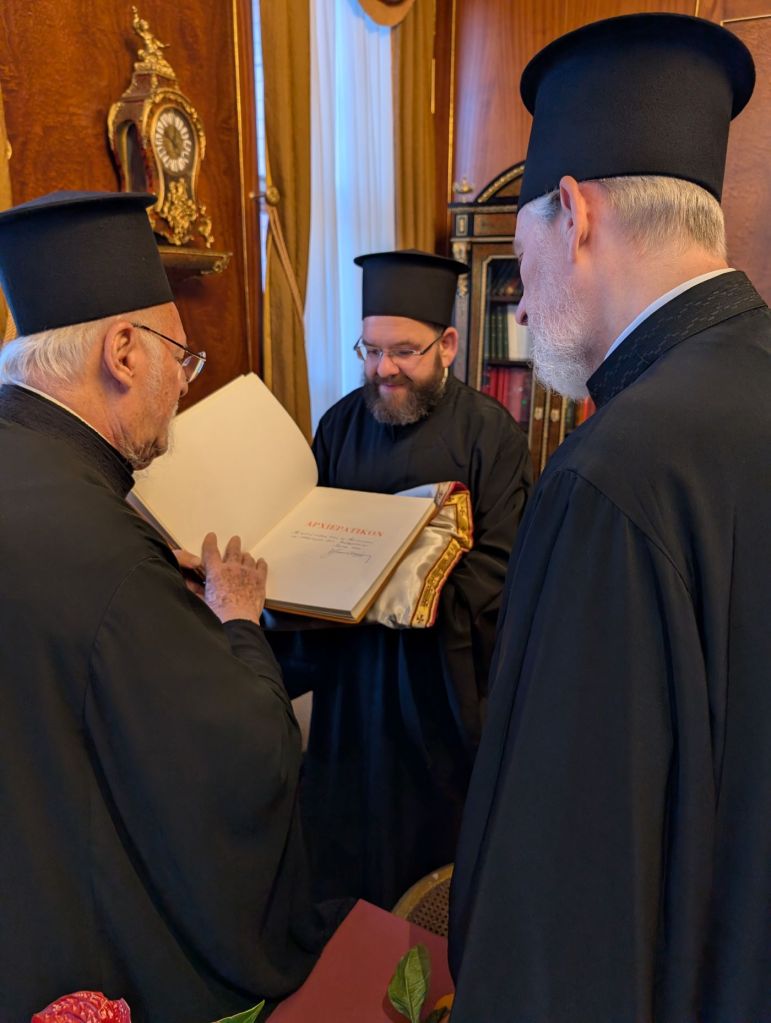
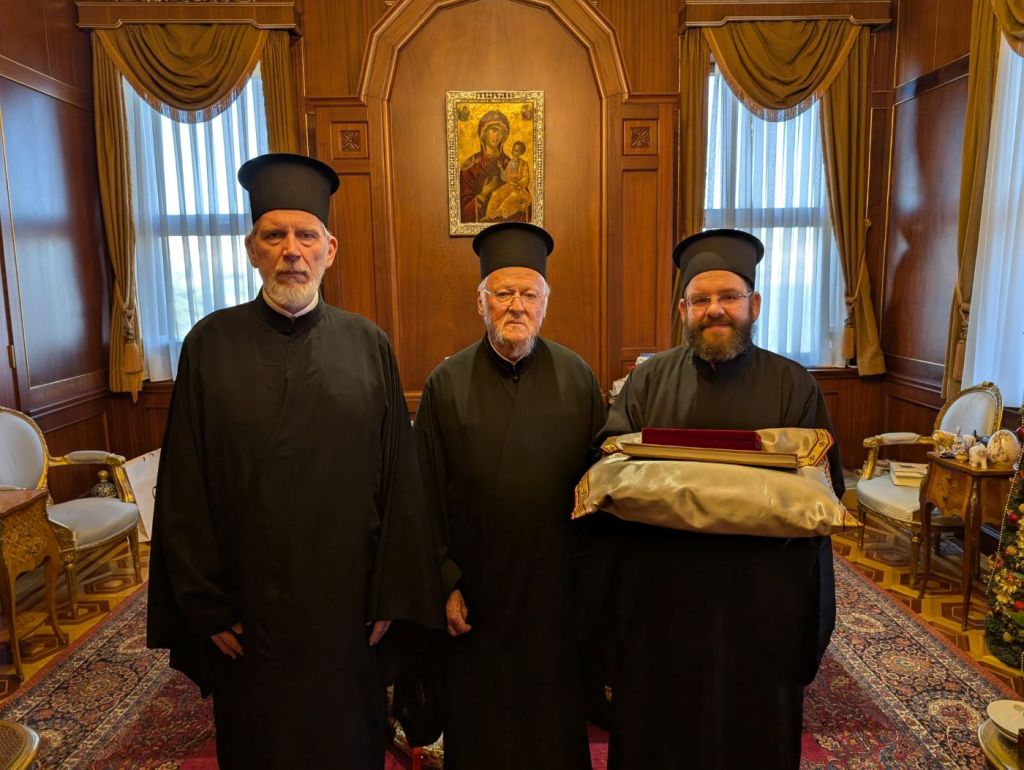
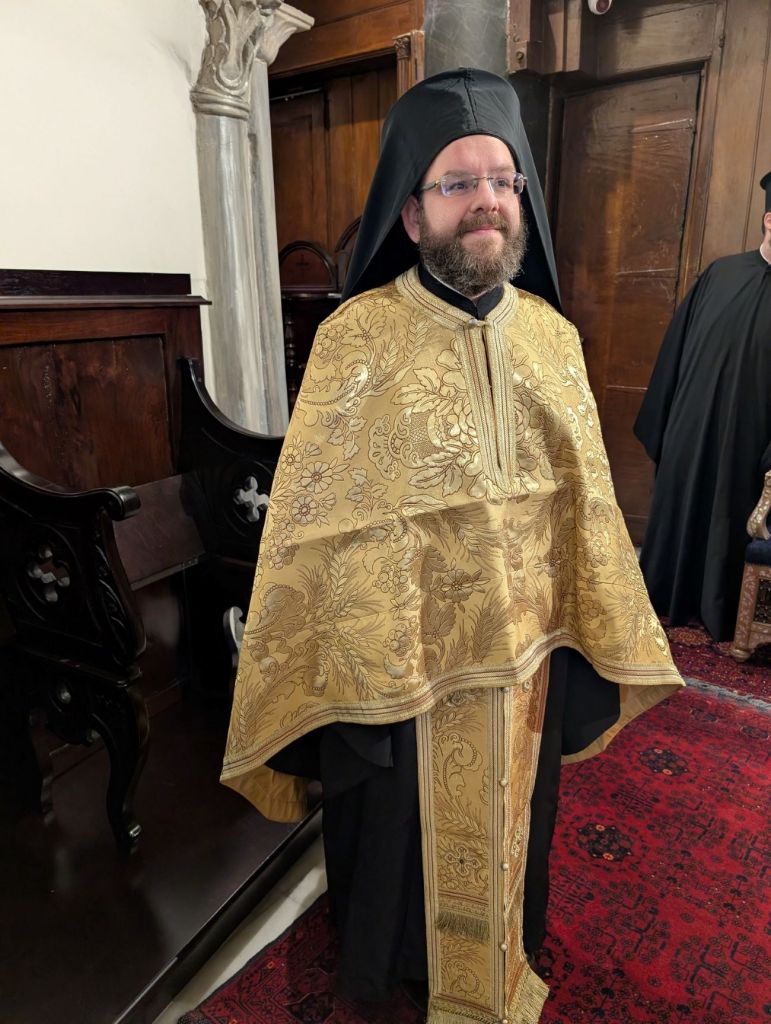
Ο Σεβ. Μητροπολίτης κ. Κλεόπας, γενόμενος δεκτός εις ακρόασιν από την Σεπτήν της Ορθοδοξίας Κορυφήν, εξέφρασε τας ευγνωμόνους ευχαριστίας του δια την θετικήν ανταπόκρισιν και την αποδοχήν του αιτήματός του και τελικώς την εκλογήν Βοηθού παρ’ αυτώ Επισκόπου, εκζητήσας τας σεπτάς Πατριαρχικάς ευχάς και ευλογίας δια την εύκαρπον συνέχισιν της ποιματορίας του εν Σκανδιναυΐα, αλλά και δια την μετά του εκλεγέντος Επισκόπου Ελαίας κ. Βαρθολομαίου και αύθις ακρόασιν αμφοτέρων, οίτινες υπέβαλον καθηκόντως τας προσρήσεις αυτών προς την Α. Θ. Παναγιότητα και έλαβον τας Θεοπειθείς Αυτής ευχάς δια την διακονίαν των, ο δε νεοεκλεγείς έλαβε επιπροσθέτως άπασαν αρχιερατικήν στολήν, αρχιερατικόν εγκόλπιον και αρχιερατικήν φυλλάδαν.

Αδεία και προτροπή της Α. Θ. Παναγιότητος, του Οικουμενικού Πατριάρχου κ.κ. Βαρθολομαίου, η χειροτονία του Θεοφ. Εψηφισμένου Επισκόπου Ελαίας κ. Βαρθολομαίου θα τελεσθεί υπό του Ποιμενάρχου κ. Κλεόπα, την Κυριακήν, 1ην Φεβρουαρίου 2026, εν τω Καθεδρικώ Ναώ Αγίου Γεωργίου Στοκχόλμης (Birger Jarlsgatan 92, 11420 Stockholm), συλλειτουργούντων των, επί τω χαρμοσύνω τούτω γεγονότι της τοπικής Εκκλησίας, προσκληθέντων Αγίων Αρχιερέων.

Metropolis

Βασιλόπιτα και Πρωτοχρονιάτικα έθιμα, από την αρχαιότητα έως σήμερα

Του Σεβ. Μητροπολίτου Σουηδίας κ. Κλεόπα

Δεν είναι απλώς ένα γλυκό, αλλά ένας ζωντανός φορέας ιστορίας, πίστης και πολιτισμικής συνέχειας, που γεφυρώνει την Αρχαιότητα, το Βυζάντιο και την σύγχρονη Ελλάδα, εντός και εκτός συνόρων.

Η καταγωγή της Βασιλόπιτας, όπως την γνωρίζουμε σήμερα, ανάγεται στους πρώιμους Βυζαντινούς χρόνους και συνδέεται άρρηκτα με τον Μέγα Βασίλειο, Αρχιεπίσκοπο Καισαρείας της Καππαδοκίας.

Ο Μέγας Βασίλειος δεν υπήρξε μόνον θεολόγος, αλλά και κοινωνικός μεταρρυθμιστής. Στην Καισάρεια ίδρυσε την «Βασιλειάδα», ένα πρωτοφανές για την εποχή σύμπλεγμα κοινωνικής πρόνοιας (νοσοκομεία, πτωχοκομεία, ξενώνες), γεγονός που προσδίδει ιδιαίτερο βάρος στον θρύλο της Βασιλόπιτας: δεν πρόκειται απλώς για θαύμα, αλλά για έκφραση κοινωνικής δικαιοσύνης και ισότητος. Έτσι, το ήθος (Βασιλειάδα) μετατρέπεται σε έθος (Βασιλόπιτα)!

Σύμφωνα με την παράδοση, όταν ένας Έπαρχος απαίτησε βαριά φορολογία από τους κατοίκους της Καισαρείας, ο Μέγας Βασίλειος ζήτησε από τον λαό να συγκεντρώσει χρυσά νομίσματα και κοσμήματα.

Όταν τελικά ο κίνδυνος αποσοβήθηκε, ο Άγιος, μη γνωρίζοντας σε ποιον ανήκε τι, υπέδειξε να ψηθούν ψωμιά, μέσα στα οποία τοποθετήθηκαν τα τιμαλφή. Κατά θαυμαστό τρόπο, κάθε οικογένεια έλαβε το ψωμί που περιείχε τα δικά της πολύτιμα αντικείμενα.

Αυτό το γεγονός αποτέλεσε την βάση του εθίμου της Βασιλόπιτας, η οποία καθιερώθηκε να κόβεται την 1η Ιανουαρίου, ημέρα εορτής του Μεγάλου Βασιλείου, σε ολόκληρη την Βυζαντινή Αυτοκρατορία.

Αν και δεν υπήρχε Βασιλόπιτα με την σημερινή της μορφή στην Αρχαία Ελλάδα, υπήρχαν συγγενή έθιμα με έντονο συμβολισμό. Ο άρτος είχε πάντοτε ιερό χαρακτήρα στον Ελληνικό κόσμο.

Στην Αρχαία Ελλάδα, προσφερόταν στους θεούς, ως σύμβολο ζωής, καρποφορίας και συνέχειας, οι λεγόμενοι «πλακούντες» και οι «άρτοι των θυσιών», οι οποίοι συνδέονταν με εορτές του αγροτικού κύκλου και της αλλαγής των εποχών, καθώς και οι εορτές προς τιμήν της θεάς Δήμητρας, όπου το ψωμί και οι καρποί της γης λειτουργούσαν ως μέσα επικοινωνίας ανθρώπου και θείου.

Επίσης, η έννοια της «τύχης» ήταν ήδη παρούσα, όχι όμως μέσω νομίσματος, αλλά μέσω οιωνών και τελετουργικών πράξεων. Στην αρχαιότητα, η τύχη δεν ήταν τυχαία· θεωρούνταν αποτέλεσμα θεϊκής εύνοιας ή δυσαρέσκειας.

Στην Ρωμαϊκή παράδοση, ο μήνας Ιανουάριος ήταν αφιερωμένος στον θεό Ιανό, τον θεό των περασμάτων και των νέων αρχών. Ο εν λόγω θεός με τα δύο πρόσωπα συμβόλιζε το βλέμμα στο παρελθόν και στο μέλλον.

Η έννοια της Πρωτοχρονιάς δεν ήταν ενιαία στην Αρχαία Ελλάδα· κάθε πόλη είχε το δικό της ημερολόγιο. Ωστόσο, η συμβολική μετάβαση του χρόνου συνοδευόταν από τελετές ανανέωσης, εξαγνισμού και ευχών.

Η μετάβαση στο νέο έτος συνδέθηκε διαχρονικά με την έννοια της τύχης. Με τον Χριστιανισμό, η τύχη μετασχηματίζεται θεολογικά. Δεν είναι πλέον αποτέλεσμα μοίρας, αλλά καρπός ευλογίας.

Το φλουρί της Βασιλόπιτας δεν «προλέγει» το μέλλον, αλλά λειτουργεί ως σημείο πνευματικής χαράς, οικογενειακής ενότητος και κοινωνίας προσώπων εν Χριστώ.

Πολλά Πρωτοχρονιάτικα έθιμα εξαλείφθηκαν, διαμορφώθηκαν ή εκχριστιανίστηκαν, όταν η Εκκλησία θεράπευσε ή αντικατέστησε παλαιότερες πρακτικές, που συνδέονταν με μαντεία, μεταμφιέσεις και εορτές του Ρωμαϊκού ημερολογίου.

Ζητήθηκε τότε να εξαλειφθούν από τον χριστιανικό βίο οι «Καλάνδες», τα «Βοτά» και τα «Βρουμάλια», και τα συναφή δρώμενα (μεταμφιέσεις, τελετές, κ.ά.).

Βλέπουμε πόσο ισχυρά επέμεναν αυτά τα έθιμα στον λαό και κατανοούμε τον μηχανισμό με τον οποίο κάποια στοιχεία τελικά μετασχηματίστηκαν, αντί να εξαφανιστούν, αποκτώντας χριστιανικό περιεχόμενο.

Στο ίδιο πνεύμα, η Πατερική Γραμματεία μας δίνει άμεση μαρτυρία για τις αντιδράσεις απέναντι στις «Καλάνδες». Ο Άγιος Ιωάννης ο Χρυσόστομος έχει ομιλία «Εἰς τὰς Καλάνδας» (PG 48) και αποτελεί σαφές τεκμήριο του πώς οι Πατέρες αντιμετώπιζαν τις πρακτικές της Πρωτοχρονιάς, όταν αυτές συνδέονταν με δεισιδαιμονία και «ευτυχισμό» αποκομμένο από την πίστη.

Από την άλλη, το ίδιο το γεγονός ότι σήμερα έχουμε κάλαντα, δηλαδή δημόσια ευχετήρια Χριστουγεννιάτικα και Πρωτοχρονιάτικα άσματα, δείχνει ότι ένα αρχικό «ημερολογιακό» έθιμο μπορεί να επιβιώσει, αλλά να αλλάξει περιεχόμενο: από κοινωνικό δώρο/ευχή της Ρωμαϊκής καλένδας, σε χριστιανική ευχή και οικογενειακή χαρά.

Επομένως, κάποια έθιμα που διατηρούνται έως σήμερα με προχριστιανικές καταβολές, ενσωματώθηκαν στην χριστιανική κοσμοαντίληψη και αποτελούν χαρακτηριστικά παραδείγματα πολιτισμικής συνέχειας, όπως:

α) Το γούρι και η τύχη: Η αρχαία πίστη στην μοίρα και την εύνοια των θεών αντικαταστάθηκε από την θεία ευλογία.

β) Το ρόδι: Σύμβολο γονιμότητος και αφθονίας, ήδη από τα Ελευσίνια Μυστήρια, διατηρείται ως σύμβολο καλοτυχίας και μετατρέπεται σε χριστιανικό σύμβολο αφθονίας και ευλογίας των καρπών της γης.

γ) Το σπάσιμο του ροδιού και η είσοδος με το δεξί: Αρχαίες αποτροπαϊκές πρακτικές που επιβίωσαν ως λαϊκά έθιμα, ως λαϊκή ευχή καλής αρχής.

δ) Οι ευχές και τα κεράσματα: Ανάγονται στις αρχαίες «ευετηρίες», δηλαδή ευχές για καλή χρονιά και καρποφορία.

Κόβοντας την Βασιλόπιτα σήμερα, επαναλαμβάνουμε την ίδια τελετουργία, όχι από συνήθεια, αλλά γιατί μέσα της αναγνωρίζουμε τον εαυτό μας ως κρίκο μιας μακραίωνης ιστορικής αλυσίδας, όπου η ελπίδα για καλή χρονιά, ευημερία, προσφορά και ενότητα παραμένει αναλλοίωτη.