Metropolis

Catechumens’ Meeting at the St. George Cathedral of Stockholm

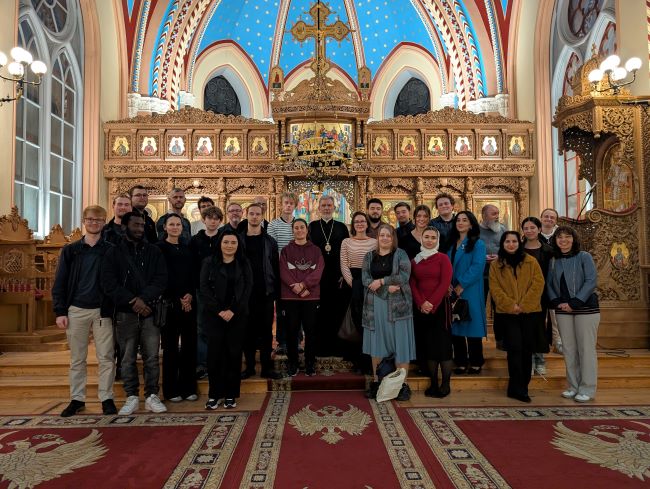
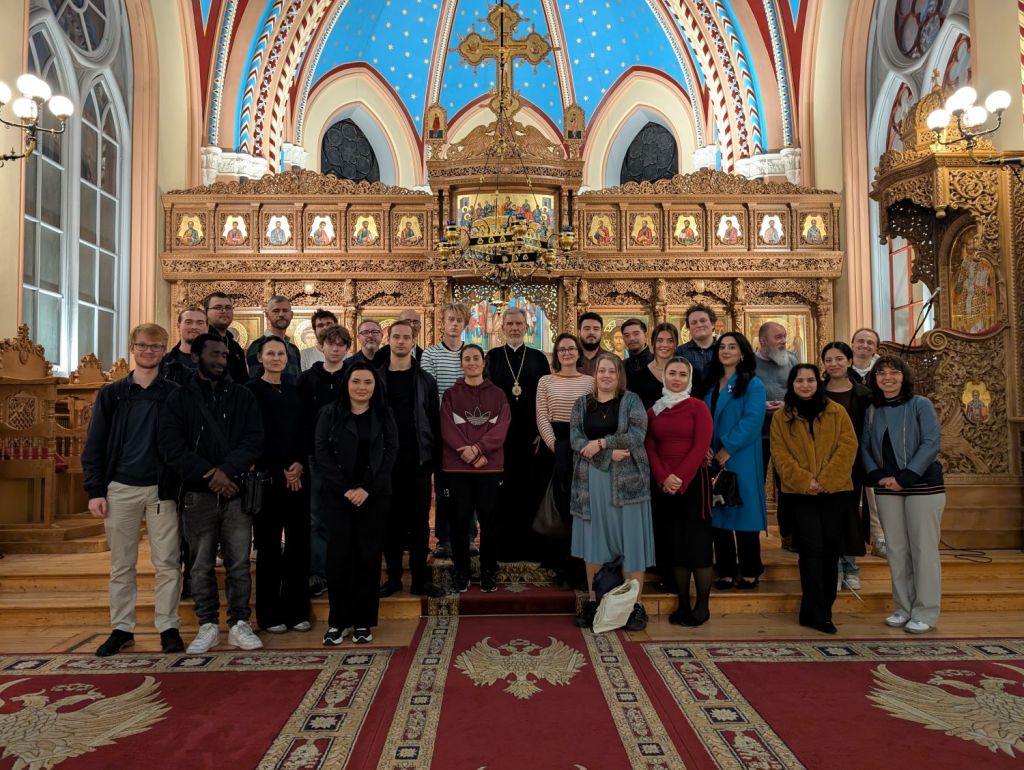
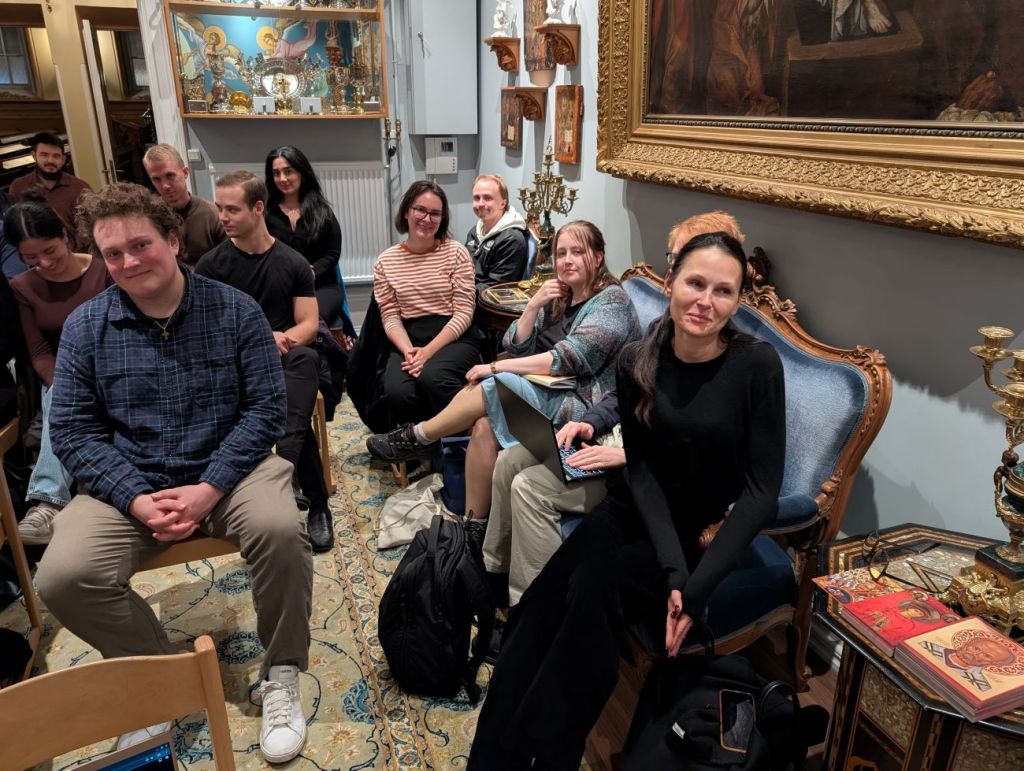
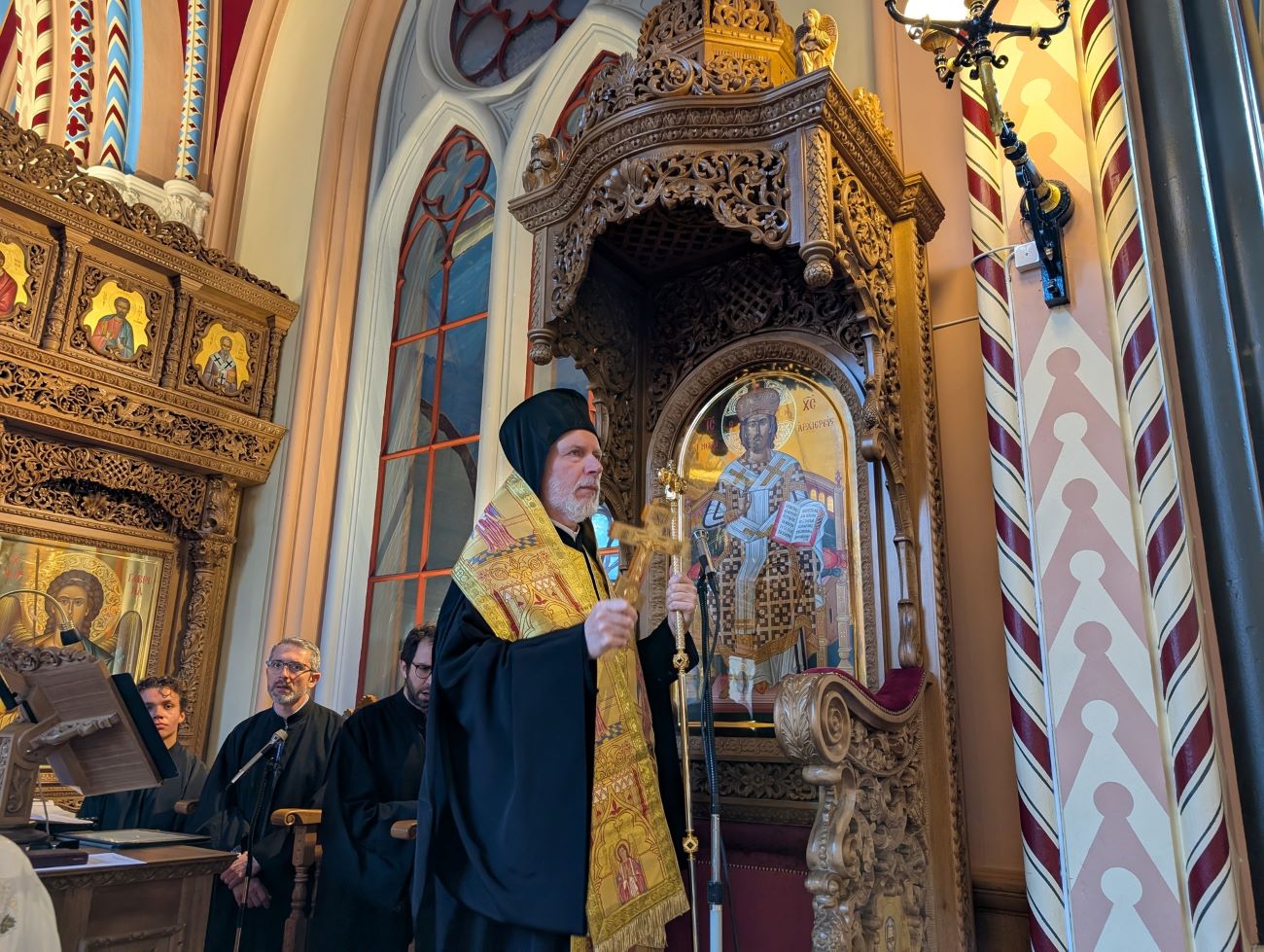
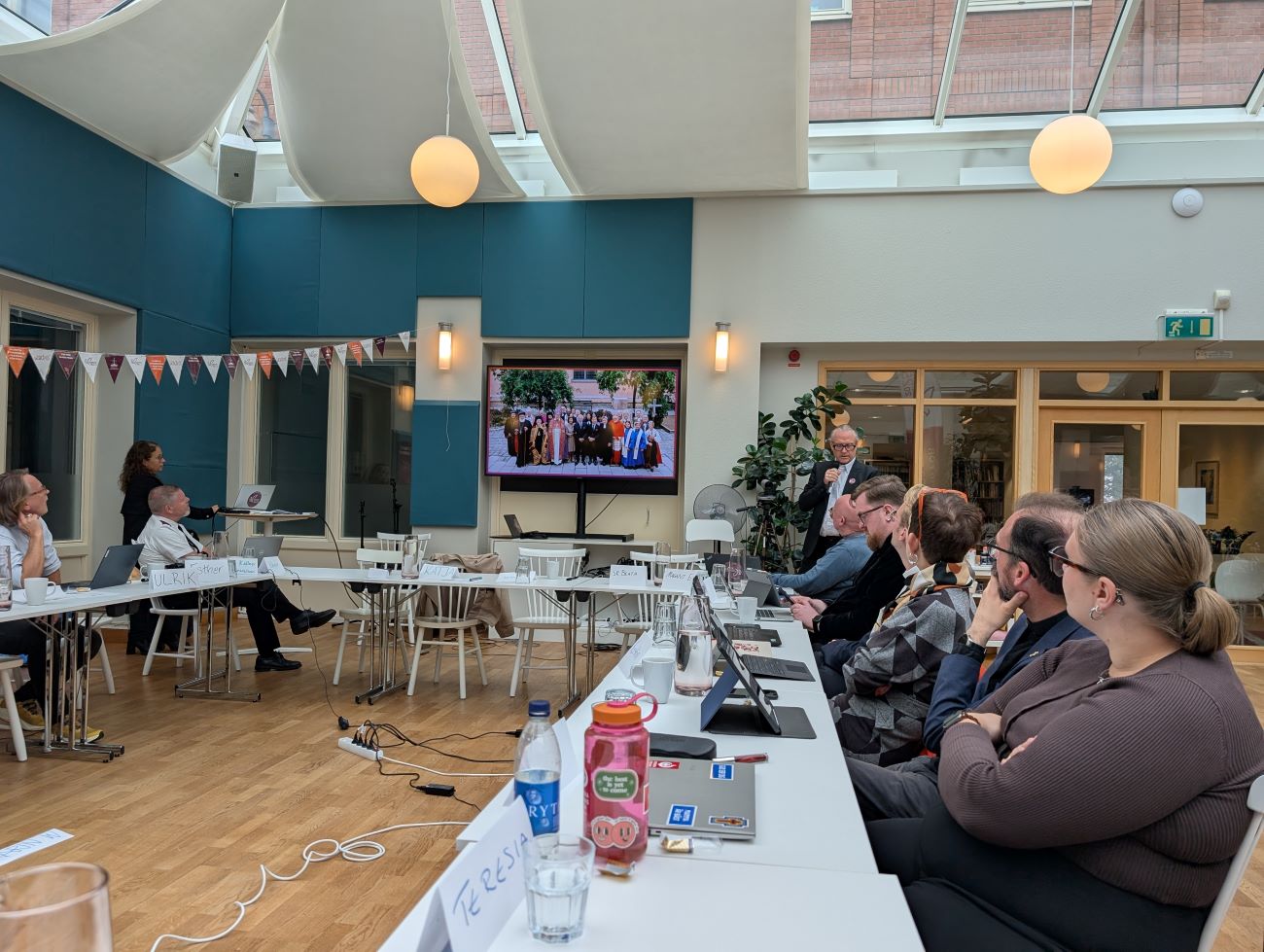
On the afternoon of Thursday, September 18th, 2025, His Eminence Metropolitan Cleopas of Sweden and All Scandinavia blessed the beginning of the Catechumens’ meetings of the Holy Metropolis of Sweden, held at the facilities of St. George Cathedral of Stockholm (Birger Jarlsgatan 92, 11420 Stockholm).

His Eminence once again served as the keynote speaker, delivering his talk in English, as among the participants there were many Catechumens of the Orthodox faith coming from different countries.

The theme of the first lecture was: “The Foolishness of the Cross”. The Metropolitan presented a wealth of examples from the lives of Saints of the Church who spoke of the Mystery of the Cross, concluding with Saint Nectarios of Pentapolis, who characteristically declared: “The Cross is my portion in life.”

The lecture was followed by questions, which were answered clearly and thoroughly.

It should be noted that the total number of participants, both in person and online, exceeded forty—twice as many as last year.

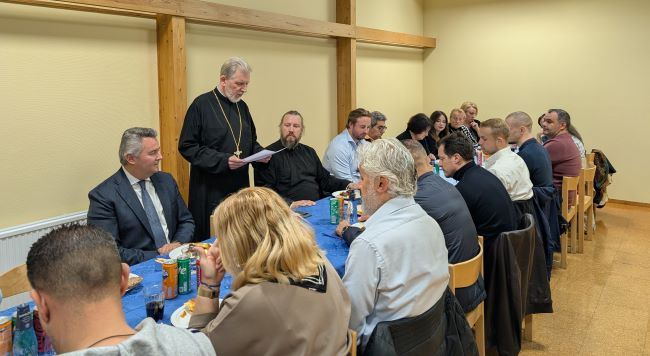
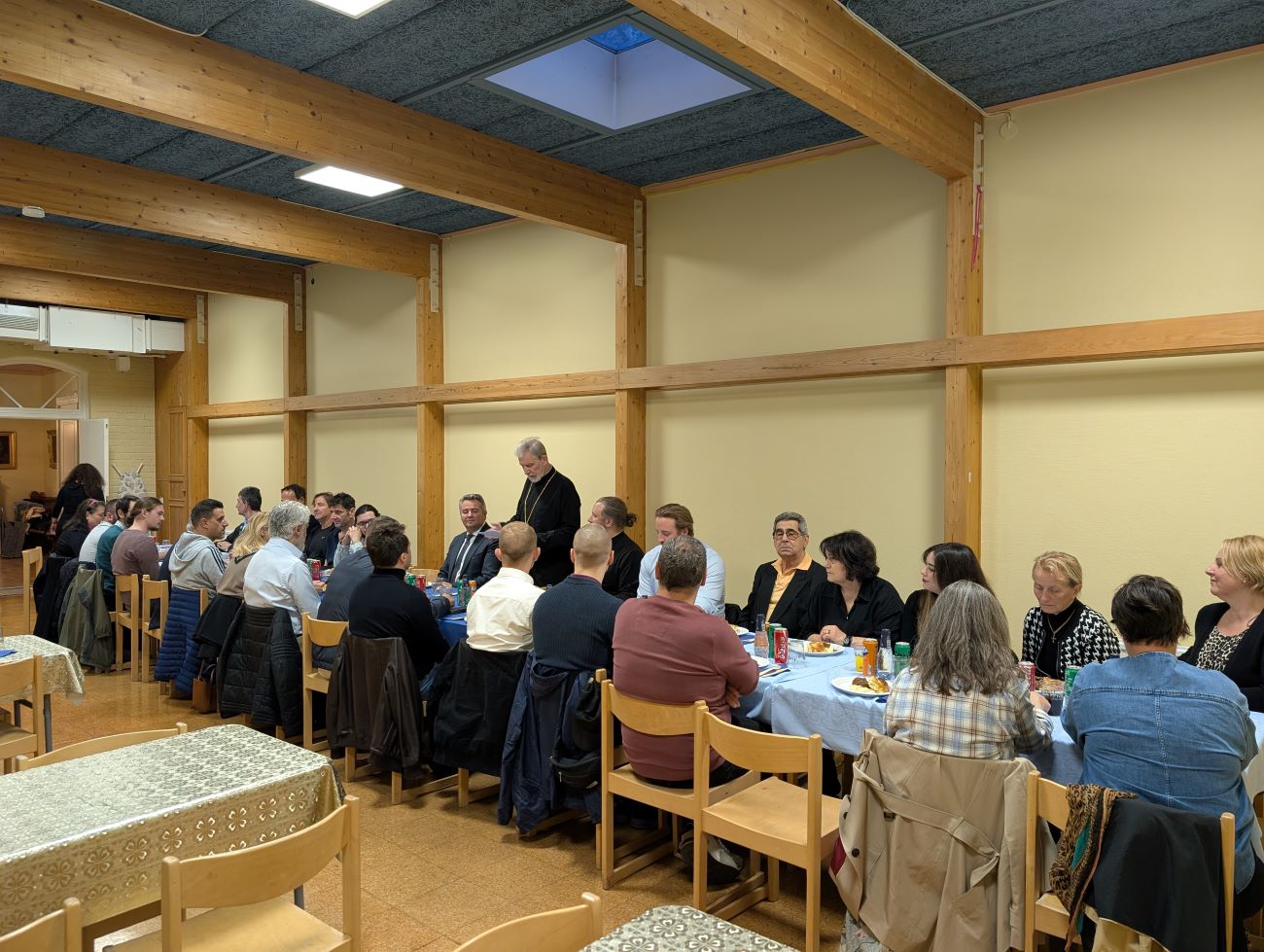
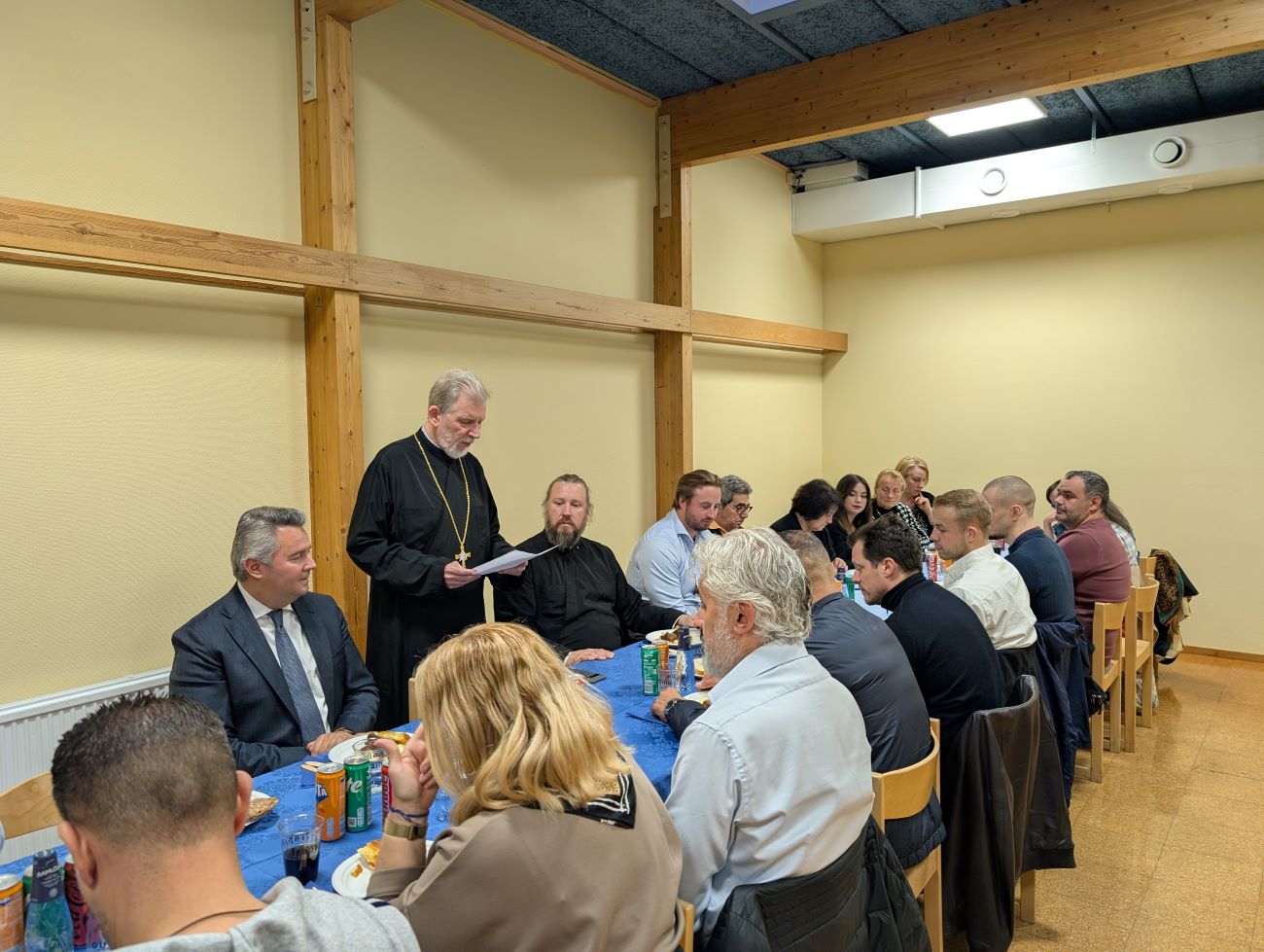
At the end of the meeting, refreshments were offered in the Cathedral Fellowship Hall, in honor of the young people, who serve our local Church in various capacities.

The next meeting will take place on Thursday, October 2, 2025, at 6:00 p.m., once again at the facilities of the St. George Cathedral of Stockholm.

For those outside of Stockholm, you can follow the meeting online at:

https://discord.gg/J6fENCkg

To join the WhatsApp group for updates, please use the following link:

For more information, you may call us at: +46 73 542 9745

Metropolis

Ο Μητροπολίτης Σουηδίας Κλεόπας τέλεσε τον Αγιασμό στο Ελληνικό Σχολείο Στοκχόλμης

Το πρωΐ του Σαββάτου, 20 Σεπτεμβρίου 2025, ο Σεβ. Μητροπολίτης Σουηδίας και πάσης Σκανδιναυΐας κ. Κλεόπας, συνοδευόμενος από τον Πανοσιολ. Αρχιμανδρίτη κ. Βαρθολομαίο Ιατρίδη, Εφημέριο του Καθεδρικού Ναού Αγίου Γεωργίου Στοκχόλμης, ανταποκρινόμενος δε στην ευγενική και τιμητική πρόσκληση του Διοικητικού Συμβουλίου του Ελληνικού Σχολείου Στοκχόλμης, ετέλεσε την ακολουθία του Αγιασμού, ευλογώντας την έναρξη των μαθημάτων και του σχολικού έτους 2025-2026.

Ο Ποιμενάρχης, απευθυνόμενος στα τριακόσια παιδιά, τα προέτρεψε, να χαίρονται που φοιτούν σε Ελληνικό σχολείο.

Τους υπενθύμισε, ότι η Ελληνική γλώσσα είναι θησαυρός και πως, μέσα από αυτήν, μιλά ο πολιτισμός μας, οι πρόγονοί μας και η Εκκλησία μας.

Τα προσκάλεσε, μαζί με τα μαθήματά τους, να καλλιεργούν την αρετή, την αγάπη και την συνεργασία μεταξύ τους, καθώς και την προσευχή, κάνοντας ιδιαίτερη μνεία στην ομιλία του, στον Άγιο Νεκτάριο Πενταπόλεως, τον θαυματουργό.

Απευθυνόμενος στην συνέχεια προς τους δεκαπέντε δασκάλους του Σχολείου, τόνισε, ότι ο κόπος τους είναι διπλά πολύτιμος, καθώς δεν διδάσκουν μόνον γνώσεις, αλλά κρατούν ζωντανή την Ελληνική φλόγα και βοηθούν τα παιδιά, να αισθάνονται κοντά στην πατρίδα και την Εκκλησία.

Τέλος, ευχαριστώντας τον Πρόεδρο του Σχολείου, Ελλογιμ. κ. Δημήτριο Σιώτη, και τα Μέλη του Διοικητικού του Συμβουλίου, προσέφερε ως ευλογία και ενθύμιο την τελευταία του μελέτη με τίτλο, «Πολύευκτος Φινφίνης, Μητροπολίτης Σουηδίας και πάσης Σκανδιναυΐας, 1969-1974», που εξεδόθη από την Αποστολική Διακονία της Εκκλησίας της Ελλάδος και παρουσιάστηκε ενώπιον της Α. Θ. Παναγιότητος, του Οικουμενικού Πατριάρχου κ.κ. Βαρθολομαίου, στις 23 Αυγούστου 2025.

Στα παιδιά και τους γονείς, διένειμε ως ευλογία το ενθύμιο των τελεσθέντων Θυρανοιξίων, με την εικόνα του Αγίου Γεωργίου του Τροπαιοφόρου, που επίσης ευγενώς προσέφερε στην Ι. Μητρόπολη Σουηδίας, ο Γενικός Διευθυντής του εξονομασθέντος Εκκλησιαστικού Οργανισμού, Πανιερώτατος Μητροπολίτης Φαναρίου κ. Αγαθάγγελος.

Ακολούθησε καφές και κεράσματα, στην καφετέρια του Σχολείου, τα οποία προσέφερε ευγενώς ο κ. Γεώργιος Πρόκος, Μέλος του ως άνω Διοικητικού Συμβουλίου.

Metropolis

Metropolitan Cleopas of Sweden Conducted the Agiasmos Service at the Greek School of Stockholm

On the morning of Saturday, September 20, 2025, His Eminence Metropolitan Cleopas of Sweden and All Scandinavia, accompanied by the Very Reverend Archimandrite Bartholomew Iatridis, parish priest of the Cathedral of Saint George in Stockholm, and responding to the kind and honorable invitation of the Board of Directors of the Greek School of Stockholm, celebrated the service of the Blessing of the Waters, marking the beginning of the lessons and the school year 2025–2026.

Addressing the three hundred children present, the Metropolitan encouraged them to take joy in attending a Greek school. He reminded them that the Greek language is a treasure, through which our culture, our ancestors, and our Church continue to speak.

He invited them, alongside their studies, to cultivate virtue, love, cooperation among themselves, and prayer. In his remarks, he made special reference to Saint Nectarios of Pentapolis, the Wonderworker.

Turning next to the fifteen teachers of the School, he emphasized that their efforts are doubly precious, since they not only impart knowledge but also keep alive the Greek flame and help the children feel close to their homeland and their Church.

Finally, thanking the President of the School, the Honorable Mr. Dimitrios Siotis, and the Members of the Board of Directors, he offered as a blessing and keepsake his most recent study entitled “Polyevktos Finfinis, Metropolitan of Sweden and All Scandinavia, 1969–1974”, published by the Apostolic Diaconate of the Church of Greece and presented before His All-Holiness, the Ecumenical Patriarch Bartholomew, on August 23, 2025.

To the children and their parents, he distributed as a blessing a commemorative gift from the recently celebrated opening of the doors of a church, bearing the image of Saint George the Trophy-Bearer. This was also graciously offered to the Holy Metropolis of Sweden by His Grace Metropolitan Agathangelos of Fanarion, General Director of the said ecclesiastical organization.

The event concluded with coffee and refreshments in the School cafeteria, generously offered by Mr. Georgios Prokos, a Member of the aforementioned Board of Directors.

Πνευματικά · Metropolis

Ομιλία Σεβ. Μητροπολίτου Σουηδίας κ. Κλεόπα στην Κυριακή, μετά την Ύψωση του Τιμίου και Ζωοποιού Σταυρού

Καθεδρικός Ναός Αγίου Γεωργίου Στοκχόλμης

Κυριακή, 21 Σεπτεμβρίου 2025

Πανοσιολογιώτατε,
Μουσικολογιώτατοι,
Αγαπητοί εν Χριστώ Αδελφοί,
Αγαπημένα μας παιδιά,

Η σημερινή Κυριακή είναι αφιερωμένη στην έννοια και στο μυστήριο του Σταυρού, αμέσως μετά την μεγάλη Εορτή της Υψώσεως.

Η Εκκλησία μας υπενθυμίζει, ότι ο Σταυρός δεν είναι ένα παλαιό ιστορικό γεγονός, αλλά η καρδιά της πίστεώς μας. Είναι η «δύναμις Θεού» (Α΄ Κορ. 1,18), η πηγή της ζωής και το σημείο της νίκης.

Ο Απόστολος Παύλος λέγει: «Χριστώ συνεσταύρωμαι· ζω δε ουκέτι εγώ, ζη δε εν εμοί Χριστός». Δεν πρόκειται για ένα φιλοσοφικό σύνθημα, αλλά για βίωμα.

Ο Παύλος δεν ζει πια για τον εαυτό του, αλλά για τον Χριστό. Η παλαιά ζωή της αμαρτίας πέθανε στον Σταυρό· μια νέα ζωή, εν Χριστώ, αναστήθηκε μέσα του.

Ο Άγιος Ιωάννης ο Χρυσόστομος σχολιάζει: «Σταυρός το της αγάπης τρόπαιον· εκείνος ο Παύλος ήτο νεκρός διά τον κόσμον και έζη διά τον Χριστόν».

Έτσι, και εμείς καλούμεθα, να γίνουμε «συνεσταυρωμένοι»· να θανατώνουμε τα πάθη και να ζούμε εν Χριστώ.

Ο Κύριος στο σημερινό Ευαγγελικό ανάγνωσμα μάς προτρέπει: «Όστις θέλει οπίσω μου ελθείν, απαρνησάσθω εαυτόν, και αράτω τον σταυρόν αυτού και ακολουθείτω μοι». Εθελοντή η θυσιαστική προσφορά, όχι υποχρεωτική.

Η Εκκλησία του Χριστού πάντοτε μας προτρέπει, αλλά δεν επιβάλει την γνώμη και το θέλημά της.

Ο υγιής Χριστιανισμός μας απελευθερώνει και λυτρώνει πνευματικά, δεν μας δημιουργεί ενοχές, παγιδεύοντάς μας σε μια καταναγκαστική πίστη, άβουλη και τυφλή.

Τουναντίον, ο Χριστός μας ζητά, ν᾽ αρνηθούμε τον παλαιό άνθρωπο, την φιλαυτία, τον εγωισμό, τα μικροσυμφέροντα, που μας αποπροσανατολίζουν, μας αποξενώνουν ακόμη και από τον ίδιο μας τον εαυτό και από το περιβάλλον μας και μας υποδουλώνουν.

Να υπομένουμε τις δοκιμασίες, με θυσιαστική αγάπη, και στο τέλος να Τον ακολουθούμε καθημερινά στην ζωή μας.

Ο Άγιος Γρηγόριος ο Θεολόγος μας διδάσκει: «Σταυρού γεύεσθαι, τούτο σωτηρία· άνευ του ξύλου, ουρανός ουκ αναβαίνεται».

Ο Άγιος Εφραίμ ο Σύρος προσθέτει: «Σταυρός φύλαξ των πιστών, οπλοστάσιον της ελπίδος».

Ο Σταυρός σήμερα δεν είναι μόνον γιά να τον προσκυνούμε, αλλά για να τον ζούμε, να τον βιώνουμε, για ν᾽ αντέχουμε με πίστη τις δυσκολίες της ζωής, για να συγχωρούμε και να βάζουμε την αγάπη και το θέλημα του Θεού, πάνω από τα προσωπικά μας σχέδια.

Στην καθημερινότητα μας, τιμή στον Σταυρό, σημαίνει, ν᾽ ανεχθούμε τις δυσκολίες και τα προβλήματα των συνανθρώπων μας, να θυσιάσουμε λίγο από τον πολύτιμο χρόνο μας για το καλό του άλλου, συγκυρηναίοι στον σταυρό που σηκώνει ο καθένας μας.

Η Ύψωσις του Σταυρού μας υπενθυμίζει, ότι εκεί όπου ο κόσμος βλέπει ήττα, εκεί ο Θεός αποκαλύπτει την νίκη.

Ο Σταυρός είναι «η δόξα της Εκκλησίας» και «η ελπίδα των πιστών».

Ας εμπιστευθούμε την ζωή μας στον Εσταυρωμένο και Αναστάντα Κύριο.

Καθώς λέγει ο Άγιος Ιουστίνος Πόποβιτς: «Χωρίς τον Σταυρό δεν υπάρχει Ανάσταση· χωρίς θυσία, δεν υπάρχει σωτηρία».

Ας σηκώσουμε, λοιπόν, ο καθένας τον σταυρό του, με υπομονή, γνωρίζοντας ότι μετά την Σταύρωση, έρχεται πάντοτε η Ανάσταση. Αμήν!

Πνευματικά · Metropolis

H.E. Metropolitan Cleopas of Sweden’s Homily on Sunday after the Elevation of Holy Cross

St. George Cathedral of Stockholm

Sunday, September 21, 2025

Dearly Beloved Brothers and Sisters in Christ,

Both last Sunday and today are dedicated to the Universal Elevation of the Precious and Life-Giving Cross.

The Church places the Cross at the very midpoint of many holy services, so that the Christians, seeing it in the midst of their spiritual struggles, may draw strength to continue their journey.

From the moment Christ shed His precious blood upon the Cross, the Cross itself was sanctified.

The sign of the Cross is an inseparable element of every Holy Sacrament and every act of worship. There is no sanctifying rite in the Church without the Cross.

Saint Iakovos of Evia advised us to make the sign of the Cross even over our food and drink, before consuming them.

The practice of sealing ourselves with the Cross dates back to the first century and finds its biblical roots in Prophet Ezekiel (Ezekiel 9:2-3).

God instructed His people then, to mark the foreheads of those who remained faithful, with a “sign.” Thus, the Cross became our Christian identity.

St. Paisios recounts the following story: A man refused to wear a cross. His wife secretly sewed a small cross inside the collar of his jacket.

One day, as he was crossing a bridge, he heard a voice whisper: “Take off your jacket and cross with me.” But since it was cold, he replied, “How can I take it off? I’ll freeze!” The voice insisted, “Take it off! Take it off!”

It was the devil, trying to make him remove the cross so that he could throw him into the river. Because the man refused, the devil could not harm him — the little cross was protecting him.

In our time, the sign of the Cross risks becoming an empty form — a mere gesture without meaning.

We often make the sign, but refuse to carry the Cross. We attend church, but remain spiritually indifferent. We pray, but only to demand, rarely to praise or thank.

We want to be Christians without sacrifice; wanting comfort, wealth, and security, while ignoring the suffering of others.

We want to belong to Christ, who said: “If they persecuted Me, they will also persecute you” (John 15:20) … but at the same time, we want to be perfectly comfortable in this world.

This is the tragedy of modern Christianity: We perform the outward rituals but avoid the inner transformation!

St. Porphyrios teaches us: “Do everything out of love, not fear. The most important thing is to go beyond the form and enter the essence.” This is the true veneration of the Cross. Amen!

Πνευματικά · Metropolis

Ομιλία Σεβ. Μητροπολίτου Σουηδίας κ. Κλεόπα στην Παγκόσμιο Ύψωση του Τιμίου και Ζωοποιού Σταυρού

Καθεδρικός Ναός Αγίου Γεωργίου Στοκχόλμης

Κυριακή, 14 Σεπτεμβρίου 2025

Πανοσιολογιώτατε,
Μουσικολογιώτατοι,
Αγαπητοί εν Χριστώ Αδελφοί,
Αγαπημένα μας παιδιά,

Σήμερα, η Εκκλησία πανηγυρίζει την Παγκόσμια Ύψωση του Τιμίου και Ζωοποιού Σταυρού. Την ημέρα αυτή εορτάζουμε το μέγα μυστήριο της σωτηρίας, διότι, διά του Σταυρού, δόθηκε η ζωή στον κόσμο και καταργήθηκε η δύναμη της απώλειας.

Η παράδοσις διηγείται, ότι η Αγία Ελένη, η μητέρα του Μεγάλου Κωνσταντίνου, εύρε τον Τίμιο Σταυρό στα Ιεροσόλυμα κι ο Πατριάρχης Μακάριος τον ύψωσε ενώπιον του πλήθους, ώστε όλοι οι πιστοί να τον προσκυνήσουν. Εκείνη η ιερή στιγμή παρέμεινε χαραγμένη στην μνήμη της Εκκλησίας κι έτσι γεννήθηκε η σημερινή πανήγυρις.

Ο Σταυρός συνδέεται με τις τελευταίες στιγμές του επιγείου βίου του Χριστού. Κάθε φάση της ανθρώπινης ζωής από την οποία πέρασε ο Χριστός, την θεράπευσε και την αγίασε. Ο Σταυρός του Χριστού δεν έμεινε σημάδι ατιμίας, αλλά έγινε σημάδι νίκης. Ο Άγιος Εφραίμ ο Σύρος λέγει: «Ο Σταυρός είναι φρούριο για τους πιστούς, παρηγοριά για τους θλιμμένους, ελπίδα για τους απελπισμένους».

Η λέξη σταυρός απαντά στην Ιλιάδα και και την Οδύσσεια του Όμηρου και σε διάφορους μεταομηρικούς συγγραφείς, όπως ο Θουκυδίδης κι ο Ηρόδοτος.

Στην Παλαιά Διαθήκη, όλα όσα απεκάλυψε ο Θεός δεν ήταν παρά παραβολές, προαγγέλουσες το «μυστήριον του Σταυρού». «Ο του Χριστού Σταυρός προεκηρύττετο και προετυπούτο εκ γενεών αρχαίων», λέγει ο Άγιος Γρηγόριος ο Παλαμάς.

Ιδού κάποιες πιο χαρακτηριστικές προτυπώσεις. Ο Άγιος Ιωάννης ο Χρυσόστομος αναφέρει ότι, «ο Αδάμ δια του ξύλου της βρώσεως κατεκρίθη και ο νέος Αδάμ δια του ξύλου του Σταυρού ημάς ενίσχυσεν».

Σχετικώς με την Θυσία του Αβραάμ, «εν…τω Αβραάμ το μυστήριον ενήργει του σταυρού, ο δε αυτού υιός ην τύπος του σταυρωθέντος ύστερον Χριστού», αναφέρει ο Άγιος Γρηγόριος ο Παλαμάς.

«Ο υιός του Ιακώβ, αυτός ην τύπος και μυστήριον του σταυρωθησομένου μετά ταύτα Θεανθρώπου Λόγου», διδάσκει ο Άγιος Γρηγόριος Παλαμάς, και ότι, επίσης, τα τεταμένα χέρια του Μωυσή στον αγώνα κατά των Αμαληκιτών, «αναζωγράφησαν παρ’ εαυτώ χείρας ηπλωμένας, ίνα ίδης του προσκυνητού σταυρού λάμπουσαν την εικόνα».

Κατά τους προχριστιανικούς χρόνους, ο σταυρός ήτο σύμβολον «κακοπαθείας».Ήτο όργανον θανατικής εκτελέσεως. Όποιος πέθαινε δια της σταυρώσεως, χαρακτηρίζονταν «επικατάρατος».

Αφότου όμως ο Σαρκωθείς Θεός πέθανε πάνω στο εγκάρσιο ξύλο, αυτό κατέστη πηγή απολυτρώσεως. «Πρότερον γαρ ο σταυρός όνομα καταδίκης ην, νυνί δε πράγμα τιμής γέγονε », σημειώνει ο Άγιος Ιωάννης ο Χρυσόστομος.

Από μέσον θανατώσεως, μετεβλήθη σε ακένωτη πηγή ζωής, φωτεινό σύμβολο και δίαυλο ευλογιών. Από ξύλο πόνου και ωδινών, κατέστη καταφύγιο αναπαύσεως και χαράς, πηγή αγιασμού και απολυτρώσεως.

Ο Σταυρός είναι το σχολείο της αγάπης. Πάνω σ᾽ αυτόν, ο Χριστός απέδειξε, ότι η αληθινή αγάπη ζητά θυσία. Ο Άγιος Μάξιμος ο Ομολογητής λέγει: «Όποιος αγαπά αληθινά, σταυρώνει το θέλημά του, χάριν του πλησίον». Αυτή η θυσία ανοίγει την πύλη της Αναστάσεως. Ο Άγιος Ανδρέας Κρήτης ψάλλει: «Σήμερα ο Σταυρός φανερώνεται και οι πιστοί ανακαινίζονται».

Ας προσκυνήσουμε, λοιπόν, τον Τίμιο Σταυρό, με πίστη κι ευγνωμοσύνη κι ας πορευθούμε την ζωή μας κάτω από την χάρη του Σταυρού, ώστε να αξιωθούμε και της χαράς της Αναστάσεως. Αμήν!

Πνευματικά · Metropolis

H.E. Metropolitan Cleopas of Sweden’s Homily On the Universal Elevation of the Holy Cross

St. George Cathedral of Stockholm

Sunday, September 14, 2025

Dearly Beloved Brothers and Sisters in Christ,

Beloved children,

Today, we celebrate the Universal Elevation of the Holy Cross. In our lives, we are all bearers of the Cross. “Come, therefore, let us also, with purified minds, walk with Him and be crucified with Him, and die to the pleasures of life for His sake, so that we may also live with Him…” (Sticheron Idiomelon hymn of the Great and Holy Monday)

In his First Epistle, Apostle Peter writes that Christ suffered for our sake and became an “example”, a perfect model, so that we might imitate Him and follow in His footsteps.

There is no person who does not carry their own cross. Even those whom we envy, thinking they have no problems, bear their own struggles. They may not carry our cross, but unfortunately, we believe ours is always the heaviest.

The mystery of the Cross in our lives is great. We often wonder: Why do the wealthy, who have everything, seem to live comfortably, while the poor suffer? Why does one young person die suddenly, while another lives to be one hundred?

St. Anthony the Great wrestled with the same questions and turned them into prayer. God answered him: “Anthony, take care of your own soul. These are My mysteries, which cannot fit into your human mind. They surpass you. You, who have a limited understanding, seek to comprehend the incomprehensible. The only thing you need to understand is this: God is love.”

At such moments, it is better to remain silent and to wait. Perhaps later, even years later, we may be given the answer.

God assigns to each person a cross according to their strength; not to crush them, but to raise them to perfection. In reality, the Cross is a ladder to Heaven.

Through His Divine Passion, Jesus the God-Man shares in the suffering and trials of humanity. The “burial of God incarnate” represents His participation in human suffering.

Christ suffers with the suffering and those who suffer hardships together with him. Now Risen, He walks alongside Luke and Cleopas on the road to Emmaus, affirming His promise to us: “Behold, I am with you always, till the end of the age.”

“Through Christ’s sufferings, as well as through His Incarnation and Resurrection, we learn the overwhelming measure of God’s love for us.”

The truth is that without trials, we run the risk of falling into the illusion of self-sufficiency,

thinking we are independent, and free, but this false freedom empties us and enslaves us.

Pain, even the pain of death itself, makes us more human, more compassionate, more tenderhearted. Through suffering, love springs forth from within us, our soul becomes gentler, and our life is deeply marked by grace.

Through the Divine Grace, the heart expands and becomes more spacious. Our complaints can transform into prayer, not only for ourselves but for the entire world, for all those unknown people who suffer like us, and even for those who suffer more than us.

This is the ethos we are called to carry into every aspect of our lives; in the Divine Liturgy,

after the Liturgy, and into all that we do.

When everything in our life becomes a liturgical act, then everything we do is done by the power and grace of the Holy Spirit, who sustains the life of the Church and strengthens the personal spiritual journey of every believer. Amen!