The Orthodox Church, within her Spirit-filled treasury, has throughout the ages brought forth radiant figures who were not merely theologians, but living exemplars of faith, love, and ministry.
The Church is not founded upon ideas or philosophical systems, but upon sanctified persons who became “living icons” of the Gospel.
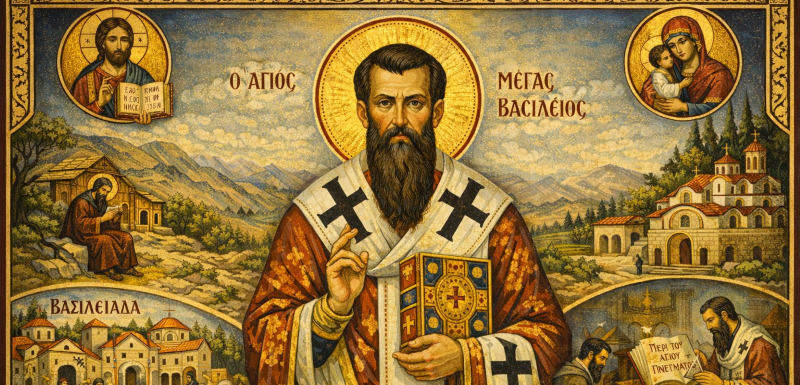
One of the foremost and most universal figures of the Patristic Tradition is Saint Basil the Great, Bishop of Caesarea; a pillar of Orthodoxy, teacher of the Church, theologian of truth, shepherd of souls, and father of the poor.
Saint Basil uniquely united rare intellectual acuity with profound spiritual humility. Endowed with exceptional education, he studied in Caesarea, Constantinople, and Athens, where he distinguished himself by his wide learning in philosophy, rhetoric, and the sciences. Yet he never regarded knowledge as an end in itself, but as an instrument in the service of the truth of the Gospel.
His ascetic life—his self-control, renunciation of possessions, and unceasing prayer—made him a living model of a bishop and shepherd who first lived what he taught. He himself writes characteristically: “All human wisdom became vanity to me when the light of the Gospel shone within my soul.” (Epistle 223)
The literary work of Saint Basil is vast in scope and invaluable in theological significance. Of particular importance are his dogmatic writings, foremost among them On the Holy Spirit, in which he establishes with precision and clarity the divinity of the Holy Spirit, contributing decisively to the formation of the Church’s Trinitarian doctrine.
He writes: “We do not call the Holy Spirit a creature, nor a servant, but consubstantial with the Father and the Son.”
Equally significant are his homilies on the Hexaemeron, where, interpreting the Book of Genesis, he combines theological reflection with observations on nature and creation, demonstrating that faith does not oppose reason, but transcends it and illumines it. Teaching about creation, he emphasizes: “Marvel at the Creator through His creations; from what is visible ascend to the Invisible, and from the created things conceive the Creator.”
Saint Photius the Great would later say of him: “Basil is the rule of Orthodoxy and the precision of dogma.”
His letters, pastoral and theological, reveal a man of deep sensitivity, who struggles for the unity of the Church, confronting heresies, administrative difficulties, and human weaknesses with discernment and love.
Of particular and enduring significance is Saint Basil’s contribution to the liturgical life of the Church through the Divine Liturgy that bears his name. The Divine Liturgy of Saint Basil the Great, celebrated to this day on specific days of the ecclesiastical year, is distinguished by the depth of its prayers, its strongly dogmatic and soteriological character, and the majesty of its theological language.
The philanthropy of Saint Basil was not theoretical, but practical. Its supreme example is the renowned Basileias, an unprecedented social complex for its time, which included hospitals, poorhouses, guesthouses, and facilities for the care of lepers and the sick. There, the love of Christ became daily action, proving that the Church exists not only to teach, but also to heal, to console, and to save.
The homilies of Saint Basil possess a strong pastoral and social character. His word is bold, prophetic, and reproving toward social injustice and indifference to the suffering neighbor.
In one of his social discourses he states with frankness: “He who exploits others commits injustice; the rich man who does not share is a robber.” And elsewhere: “You are holding back the bread of the hungry; you are keeping the garment of the naked.” He himself teaches: “Nothing is so characteristic of a Christian as showing mercy.”
Saint Gregory the Theologian describes the Basileias as: “A new city, a treasury of love for the poor, a healing place for diseases, and a refuge for suffering.”
The great Fathers of the Church spoke with admiration of Saint Basil. Saint Gregory the Theologian, his close friend, presents him as a “pillar of virtue” and a “rule for bishops,” emphasizing that in his person contemplation and action were united. Praising him, he notes: “For him, word was action and action was word; true philosophy—not in the shadow of words, but in the exactness of virtue.” (Funeral Oration for Basil)
Saint John Chrysostom praises his courage before authority and his unwavering stance for Orthodoxy, even when this meant persecutions and threats: “He was not a man who accommodated himself to the times, but one who served the truth.”
Saint Basil the Great does not belong only to the past of the Church, but also to Her present and Her future. His example calls us to unite right faith with active love, theological knowledge with humility, worship with service to our neighbor.
He exhorts us to become theologians not only with our lips, but with our hearts and our deeds. He reminds us that right faith without love becomes lifeless, and love without truth loses its direction.
As a true Father of the Church, he continues to beget spiritual children through his work and his timeless witness.
May we, through the intercessions of Saint Basil the Great, be found worthy to live the Gospel—not merely in words, but as lived experience—for his memory is indeed a call to imitation!
Από την αρχαιότητα μέχρι σήμερα, ο άνθρωπος αναζητά τρόπους να εκφράσει την αλήθεια, να διδάξει την αρετή και να καταδείξει τις συνέπειες της ανθρώπινης συμπεριφοράς.
Δύο μεγάλα παιδαγωγικά ρεύματα της ιστορίας, φαινομενικά διαφορετικά, αλλά ουσιαστικά συγκλίνοντα, είναι οι μύθοι του Αισώπου και η διδασκαλία του Χριστού, όπως αυτή ερμηνεύεται και βιώνεται μέσα στην Ορθόδοξη Παράδοση.
Η πορεία του ανθρώπου προς την αλήθεια δεν υπήρξε ποτέ στιγμιαία· υπήρξε σταδιακή, παιδαγωγική και αποκαλυπτική. Πριν ακόμη ακουστεί ο λόγος του Ευαγγελίου, ο άνθρωπος είχε ήδη λάβει σπέρματα αλήθειας μέσω της συνείδησης, της εμπειρίας και της παρατήρησης του κόσμου.
Σε αυτή τη διαδικασία εντάσσονται οι μύθοι του Αισώπου, οι οποίοι, αν και στερούνται αποκαλυπτικού χαρακτήρα, αποτυπώνουν με ενάργεια τη φυσική ηθική τάξη.
Με τον ερχομό του Χριστού, η ηθική αυτή γνώση δεν αναιρείται αλλά υπερβαίνεται και οδηγείται στην πληρότητά της.
Οι Πατέρες της Εκκλησίας, με διάκριση και σοφία, αναγνώρισαν στους μύθους αυτούς μια προπαιδεία του Ευαγγελίου, έναν προθάλαμο που προετοιμάζει τον άνθρωπο για την αλήθεια της σωτηρίας.
Η ανθρώπινη ιστορία της παιδείας δεν αρχίζει ούτε τελειώνει με τον Χριστιανισμό, αλλά στον Χριστιανισμό βρίσκει την πληρότητα και τη σωτηριολογική της ολοκλήρωση.
Πριν από το Ευαγγέλιο, ο άνθρωπος διδάχθηκε μέσω της εμπειρίας, της φιλοσοφίας και του μύθου. Ένας από τους σημαντικότερους φορείς αυτής της ηθικής προπαιδείας υπήρξε ο Αίσωπος, του οποίου οι μύθοι, με απλό αλλά διεισδυτικό τρόπο, ανέδειξαν διαχρονικές αλήθειες για την ανθρώπινη φύση.
Οι μύθοι του Αισώπου χρησιμοποιούν απλές εικόνες, ζώα και καθημερινές καταστάσεις, για να μεταδώσουν βαθιά ηθικά διδάγματα. Με παρόμοιο τρόπο, ο Χριστός μίλησε στον λαό με παραβολές: τον σπορέα, τον άσωτο υιό, τον καλό Σαμαρείτη. Και στις δύο περιπτώσεις, η αλήθεια δεν επιβάλλεται· αποκαλύπτεται στον ακροατή, που είναι έτοιμος να στοχαστεί.
Όπως σημειώνει ο Άγιος Ιωάννης ο Χρυσόστομος, η παραβολή κατεβάζει τα υψηλά νοήματα στο μέτρο της ανθρώπινης αδυναμίας, ώστε η διδασκαλία να γίνει κατανοητή και βιωματική: «Διὰ τῶν παραβολῶν παιδαγωγεῖ, ἵνα μὴ βίᾳ, ἀλλὰ προαιρέσει δέξωνται τὴν ἀλήθειαν». (Εἰς τὸ Κατὰ Ματθαῖον, Ομιλία ΜΕ΄, PG 57, 464)
Η ίδια παιδαγωγική λογική διακρίνεται και στους μύθους, οι οποίοι λειτουργούν ως καθρέπτης της ανθρώπινης συμπεριφοράς.
Όταν ήρθε ο Χριστός «ἐν πληρώματι χρόνου», δεν κατήργησε τη φυσική ηθική γνώση, αλλά την υπερέβη και την τελείωσε, οδηγώντας την από το επίπεδο της συμπεριφοράς στο επίπεδο της σωτηρίας και της κοινωνίας με τον Θεό.
Οι μύθοι του Αισώπου λειτουργούν παιδαγωγικά. Παρουσιάζουν συμπυκνωμένες αφηγήσεις, με συμβολικά πρόσωπα, που καταλήγουν σε σαφές ηθικό συμπέρασμα. Λειτουργούν ως καθρέπτης της ανθρώπινης συμπεριφοράς, προκαλώντας αυτογνωσία.
Αντίστοιχα, ο Χριστός χρησιμοποίησε τις παραβολές ως μέσο αποκαλύψεως της Βασιλείας του Θεού.
Η Εκκλησία αναγνωρίζει ότι η εικόνα και το παράδειγμα είναι απαραίτητα για τη μετάδοση της αλήθειας, ιδίως σε έναν κόσμο πνευματικά ανώριμο. Επομένως, οι μύθοι του Αισώπου εξετάζονται ως προπαιδεία του Ευαγγελίου και η ερμηνεία τους υπό το φως των Πατέρων της Ορθοδόξου κατ᾽ Ανατολάς Εκκλησίας.
Μύθος και παραβολή ως παιδαγωγικές μορφές λόγου
Παραδείγματα μύθων και θεολογικών αντιστοιχιών
Ο μύθος, όπως και η παραβολή, λειτουργεί ως έμμεσος λόγος. Δεν επιβάλλει την αλήθεια, αλλά την υπαινίσσεται. Η παραβολική διδασκαλία του Χριστού εντάσσεται ακριβώς σε αυτή την παιδαγωγική λογική.
Ο Άγιος Ιωάννης ο Χρυσόστομος επισημαίνει ότι οι παραβολές δεν αποσκοπούν στη σκίαση της αλήθειας, αλλά στη συγκατάβαση προς την ανθρώπινη αδυναμία. (Εἰς τὸ Κατὰ Ματθαῖον, Ομιλ. ΜΕ΄, PG 57, 464)
Ο άνθρωπος καλείται να αναγνωρίσει τον εαυτό του μέσα στην αφήγηση. Το ίδιο συμβαίνει και με τους μύθους του Αισώπου, οι οποίοι καθιστούν τον ακροατή κριτή και συγχρόνως κατηγορούμενο της ίδιας του της συμπεριφοράς.
α) Ο Λαγός και η Χελώνα – Υπομονή και ταπείνωση
Ο μύθος προβάλλει την υπεροχή της σταθερής πορείας έναντι της αλαζονικής αυτοπεποίθησης, καταδεικνύει δε την καταστροφική δύναμη της αλαζονείας και τη σωτήρια δυναμική της επιμονής.
Η χελώνα νικά, όχι λόγω φυσικών χαρισμάτων, αλλά λόγω σταθερότητας. Το ίδιο πνεύμα συναντούμε στον λόγο του Χριστού: «ὁ ταπεινῶν ἑαυτόν ὑψωθήσεται». «Ὁ δὲ ὑπομείνας εἰς τέλος, οὗτος σωθήσεται». (Ματθ. 24,13)
Ο Μέγας Βασίλειος τονίζει ότι η πνευματική πρόοδος δεν είναι αποτέλεσμα ταχύτητας ή εντυπωσιακών πράξεων, αλλά σταθερής άσκησης και υπομονής στον αγώνα της αρετής: «Οὐκ ἐν τάχει τὰ τῆς ἀρετῆς κατορθώματα, ἀλλ’ ἐν χρόνῳ καὶ ὑπομονῇ». «Ἡ ἀρετὴ χρόνῳ τελειοῦται, οὐκ ἐξ ὀρμῆς». (Όροι κατὰ πλάτος, Ερώτησις ΚΒ΄, PG 31, 1017)
Λειτουργικά, η Εκκλησία καλλιεργεί την ίδια αρετή μέσα από την επαναληπτικότητα και τον ασκητικό ρυθμό του εκκλησιαστικού έτους.
Η χριστιανική ζωή δεν είναι αγώνας εντυπωσιασμού, αλλά μακρά πορεία ασκήσεως. Ο μύθος λειτουργεί εδώ ως φυσική προεικόνιση της πνευματικής οδού.
β) Ο Λύκος και το Αρνί – Αδικία και αθωότητα
Ο μύθος αποκαλύπτει τον μηχανισμό της βίας που ντύνεται με ψευδολογική δικαιολογία και προβάλλεται η αδικία της ισχύος και η κατάχρηση εξουσίας. Ο ισχυρός κατασκευάζει αιτίες για να δικαιολογήσει την αδικία. Ο λύκος κατασκευάζει ψευδείς κατηγορίες για να δικαιολογήσει τη βία του. Πρόκειται για εικόνα της πεπτωκυίας ανθρώπινης εξουσίας.
Η Παλαιά Διαθήκη αναφέρει για τον Χριστό: «Ὡς ἀμνὸς ἐναντίον τοῦ κείροντος αὐτὸν ἄφωνος». (Ἠσαΐας 53,7)
Ο Άγιος Γρηγόριος ο Θεολόγος γράφει ότι ο μύθος δείχνει τον κόσμο χωρίς λύτρωση· το Ευαγγέλιο αποκαλύπτει τη λύτρωση διά της θυσίας, ερμηνεύει δε τη σιωπή του Χριστού ως ελεύθερη πράξη αγάπης. (Λόγος ΜΕ΄, PG 36, 632)
Η υμνογραφία της Μεγάλης Εβδομάδος μετατρέπει αυτή τη σιωπή σε εκκλησιαστικό βίωμα.
Η εικόνα αυτή μας παραπέμπει ευθέως στον Χριστό ως «ἀμνὸν ἄμωμον», που υπέμεινε άδικη κρίση, χωρίς να ανταποδώσει το κακό.
Ο Άγιος Γρηγόριος ο Θεολόγος επισημαίνει ότι η αληθινή δύναμη του Θεού φανερώνεται, όχι στη βία, αλλά στην εκούσια θυσία και την αγάπη: «Ὡς ἀμνὸς σιωπῶν ἤγετο, οὐχ ὡς ἀσθενής, ἀλλ’ ὡς ἐθελῶν». «Ἀδικεῖται καὶ σιωπᾷ, ἵνα τὴν ἀδικίαν ἡμῶν θεραπεύσῃ». (Λόγος ΜΕ΄, Εἰς τὸ Πάσχα, PG 36, 632)
Η Εκκλησία βλέπει στον μύθο μια τραγική εικόνα του κόσμου χωρίς Χριστό, ενώ στο Ευαγγέλιο αποκαλύπτεται η νίκη της αθωότητας διά της Αναστάσεως.
γ) Η Αλεπού και τα Σταφύλια – Αυταπάτη και πνευματική τύφλωση
Ο μύθος φανερώνει τη ροπή του ανθρώπου να μετατρέπει την αποτυχία σε περιφρόνηση, για να προστατεύσει τον εγωισμό του. Αυτός ο μηχανισμός είναι βαθιά πνευματικός.
Ο μύθος περιγράφει με ενάργεια τον μηχανισμό της αυτοδικαίωσης και της υποκρισίας. Η αλεπού απαξιώνει αυτό που δεν μπορεί να αποκτήσει.
Όταν ο άνθρωπος δεν μπορεί να φτάσει κάτι, το απαξιώνει. Η στάση αυτή έρχεται σε αντίθεση με τη χριστιανική ειλικρίνεια και μετάνοια. Οι Πατέρες της Εκκλησίας επανειλημμένα προειδοποιούν για την πνευματική αυταπάτη, δηλαδή την προσπάθεια του ανθρώπου να δικαιολογήσει τα πάθη του, αντί να τα θεραπεύσει. «Ἐὰν εἴπωμεν ὅτι ἁμαρτίαν οὐκ ἔχομεν, ἑαυτοὺς πλανῶμεν». (Α΄ Ἰωάννου 1,8)
Ο Άγιος Μάξιμος ο Ομολογητής αναλύει τη φιλαυτία ως ρίζα αυτής της πλάνης: «Ὁ νοῦς, ὅταν μὴ δύνηται τὴν ἀρετὴν κτήσασθαι, ἐφευρίσκει λόγους δικαιώσεως τῶν παθῶν». «Ἡ φιλαυτία γεννᾷ τὴν πλάνην, καὶ ἡ πλάνη δικαιοῖ τὰ πάθη». (Κεφάλαια περὶ ἀγάπης, Β΄, 8, PG 90, 964)
Λειτουργικά, το πνεύμα της αυτομεμψίας εκφράζεται στην ευχή του Αγίου Εφραίμ του Σύρου: «Ναί, Κύριε Βασιλεῦ, δώρησαί μοι τοῦ ὁρᾶν τὰ ἐμὰ πταίσματα…»
Η λειτουργική ζωή, ιδίως κατά τη Μεγάλη Τεσσαρακοστή, αποδομεί συστηματικά αυτή την αυταπάτη, μέσω της προσευχής και της αυτομεμψίας.
Ο μύθος αποκαλύπτει ψυχολογικό μηχανισμό· η Εκκλησία αποκαλύπτει θεραπεία, μέσω μετανοίας. Η Πατερική σκέψη εμβαθύνει τον μύθο, δείχνοντας ότι η αυταπάτη δεν είναι απλώς ηθικό ελάττωμα, αλλά εμπόδιο στη σωτηρία.
δ) Ο Τζίτζικας και ο Μέρμηγκας – Πρόνοια, εργασία και πνευματική εγρήγορση
Ο τζίτζικας ζει στο παρόν, χωρίς μέριμνα για το μέλλον. Η αμέλεια του τζίτζικα οδηγεί σε αδιέξοδο. Ο μύθος διδάσκει την ευθύνη και την πρόνοια, πραγματεύεται δε την ευθύνη απέναντι στον χρόνο.
Ο Απόστολος Παύλος συνδέει την εργασία με την υπευθυνότητα. Η Παύλειος διδασκαλία για την εργασία δεν έχει ηθικιστικό, αλλά παιδαγωγικό χαρακτήρα: «Ὁ μὴ θέλων ἐργάζεσθαι, μηδὲ ἐσθιέτω». (Β΄ Θεσσαλονικεῖς 3,10)
Ο Άγιος Ιωάννης ο Χρυσόστομος διδάσκει ότι η εργασία αποτελεί μέσο παιδαγωγίας και όχι απλώς βιοπορισμού. Συνδέει την εργασία με την πνευματική εγρήγορση: «Οὐχ ἡ ἐργασία μόνον, ἀλλὰ ἡ προνοητικὴ διάθεσις σώζει τὸν ἄνθρωπον». (Εἰς Β΄ Θεσσαλονικεῖς, PG 62, 485)
Η υμνογραφία της Μεγάλης Τεσσαρακοστής καλεί σε εγρήγορση: «Ψυχή μου, ψυχή μου, ἀνάστα, τί καθεύδεις;» (Μεγάλος Κανών Αγίου Ανδρέου Κρήτης)
Ο μύθος λειτουργεί ως κάλεσμα για πνευματική εγρήγορση. Το παρόν προετοιμάζει την αιωνιότητα.
ε) Το Λιοντάρι και το Ποντίκι – Έλεος και ταπείνωση
Το μικρό ποντίκι σώζει το ισχυρό λιοντάρι. Ο μύθος ανατρέπει την κοσμική αντίληψη περί ισχύος. Ο μικρός σώζει τον μεγάλο.
Η Αγία Γραφή διακηρύσσει ότι η χάρις δίδεται στους ταπεινούς: «Ὁ Θεὸς τοῖς ταπεινοῖς δίδωσι χάριν». (Ἰακώβου 4,6)
Ο Μέγας Βασίλειος υπογραμμίζει ότι η αληθινή δύναμη δεν είναι φυσικό μέγεθος, αλλά δωρεά του Θεού: «Οὐκ ἐν τῷ μεγέθει ἡ δύναμις, ἀλλ’ ἐν τῇ χάριτι τοῦ Θεοῦ». (Ομιλία εἰς τὴν ταπείνωσιν, PG 31, 529)
Η Ορθόδοξη Εκκλησία ουδέποτε απέρριψε συλλήβδην την προχριστιανική σκέψη. Αντιθέτως, την υπέταξε σε διάκριση. Τη διέκρινε και την αξιοποίησε. Οι Πατέρες είδαν στους μύθους του Αισώπου έναν προπαιδευτικό λόγο, μια φυσική ηθική που προετοιμάζει τον άνθρωπο να δεχθεί το φως του Ευαγγελίου.
Η κλασική διατύπωση της Πατερικής στάσης απέναντι στην αρχαία σοφία ανήκει στον Μέγα Βασίλειο, ο οποίος χαρακτηρίζει την «ἔξω παιδεία» ως προπαιδεία προς την εν Χριστώ ζωή: «Προπαιδεία τις ἐστὶν ἡ ἔξω σοφία πρὸς τὴν κατὰ Χριστὸν ζωήν». Η σοφία αυτή δεν σώζει, αλλά προετοιμάζει. Δεν μεταμορφώνει, αλλά παιδαγωγεί.
Στο γνωστό του κείμενο προς τους νέους, ο Άγιος προτρέπει να συλλέγουμε από την κοσμική σοφία ό,τι οδηγεί στην αρετή, όπως η μέλισσα παίρνει από το άνθος μόνο το νέκταρ: «Ὥσπερ αἱ μέλισσαι ἐκ τῶν ἀνθέων τὸ χρήσιμον μόνον λαμβάνουσιν, οὕτω καὶ ἡμεῖς ἐκ τῶν ἔξω λόγων». (Πρὸς τοὺς νέους, PG 31, 564)
Οι μύθοι του Αισώπου, επομένως, μπορούν να ιδωθούν ως προπαιδεία: καλλιεργούν τη συνείδηση, ώστε ο άνθρωπος να είναι δεκτικός στο φως του Ευαγγελίου. Οι μύθοι του Αισώπου, επομένως, δεν είναι αντίπαλοι του Ευαγγελίου, αλλά υπηρέτες της παιδαγωγικής του προετοιμασίας.
Ό,τι ο Αίσωπος υπαινίσσεται, ο Χριστός αποκαλύπτει. Ό,τι η φυσική ηθική διδάσκει, η Εκκλησία το μεταμορφώνει σε οδό σωτηρίας. Η Εκκλησία ενώνει τα δύο, οδηγώντας τον άνθρωπο από τη γνώση στη θέωση.
Η φυσική ηθική δεν καταργείται, αλλά βρίσκει το πλήρωμά της εν Χριστώ, όπου ο λόγος γίνεται ζωή και η διδασκαλία μεταμορφώνεται σε σωτηρία.
Οι μύθοι του Αισώπου δεν σώζουν· διδάσκουν. Το Ευαγγέλιο δεν διδάσκει απλώς· μεταμορφώνει. Έτσι, ο Αίσωπος μιλά στη συνείδηση, ο Χριστός μιλά στην καρδιά, και η Εκκλησία οδηγεί ολόκληρο τον άνθρωπο στη σωτηρία και τη θέωση.
Οι μύθοι του Αισώπου και η διδασκαλία του Χριστού συναντώνται στο επίπεδο της ηθικής αγωγής και της καλλιέργειας του ανθρώπινου ήθους. Οι μύθοι δείχνουν τον δρόμο της φυσικής αρετής· το Ευαγγέλιο αποκαλύπτει τον δρόμο της σωτηρίας. Οι Πατέρες της Εκκλησίας γεφυρώνουν αυτούς τους δύο κόσμους, δείχνοντάς μας ότι κάθε αληθινό δίδαγμα βρίσκει την τελείωσή του μέσα στο φως του Χριστού.
From antiquity to the present day, humanity has sought ways to express truth, to teach virtue, and to demonstrate the consequences of human behavior.
Two great pedagogical currents of history—seemingly different yet essentially convergent—are the fables of Aesop and the teaching of Christ, as interpreted and lived within the Orthodox Tradition.
The human journey toward truth has never been instantaneous; it has been gradual, pedagogical, and revelatory. Even before the word of the Gospel was heard, humanity had already received seeds of truth through conscience, experience, and observation of the world.
Within this process belong the fables of Aesop, which, although lacking a revelatory character, vividly depict the natural moral order.
With the coming of Jesus Christ, this moral knowledge is not abolished but transcended and brought to its fullness.
The Fathers of the Church, with discernment and wisdom, recognized in these fables a preparation for the Gospel—a vestibule that prepares humanity for the truth of salvation.
The educational history of humanity neither begins nor ends with Christianity, yet in Christianity it finds its fullness and its salvific completion.
Before the Gospel, humanity was instructed through experience, philosophy, and myth. One of the most significant bearers of this moral preparation was Aesop, whose fables, in a simple yet penetrating manner, highlighted timeless truths about human nature.
Aesop’s fables employ simple images—animals and everyday situations—to convey profound moral teachings. In a similar manner, Christ spoke to the people through parables: the Sower, the Prodigal Son, the Good Samaritan. In both cases, truth is not imposed; it is revealed to the listener who is prepared to reflect.
As Saint John Chrysostom notes, the parable brings lofty meanings down to the measure of human weakness, so that teaching may become comprehensible and experiential: “Through parables He educates, so that they may receive the truth not by compulsion, but by free choice” (Homily XLV on Matthew, PG 57, 464).
The same pedagogical logic is evident in the fables, which function as a mirror of human behavior.
When Christ came “in the fullness of time,” He did not abolish natural moral knowledge, but transcended and perfected it, leading it from the level of behavior to the level of salvation and communion with God.
Aesop’s fables function pedagogically: they present condensed narratives with symbolic figures that culminate in a clear moral conclusion. They act as a mirror of human behavior, provoking self-knowledge.
Correspondingly, Christ used parables as a means of revealing the Kingdom of God.
Saint John Chrysostom, interpreting the parables, emphasizes: “For He does not speak in parables out of obscurity, but out of condescension, so that He may lead us from sensible things to intelligible ones” (Homily XLV on Matthew, PG 57, 464).
The Church recognizes that image and example are indispensable for the transmission of truth, especially in a spiritually immature world. Therefore, Aesop’s fables are examined as a preparation for the Gospel and interpreted in the light of the Fathers of the Orthodox Eastern Church.
Myth and Parable as Pedagogical Forms of Discourse
Examples of Fables and Theological Correspondences
Myth, like parable, functions as indirect speech. It does not impose truth but suggests it. Christ’s parabolic teaching fits precisely within this pedagogical framework.
Saint John Chrysostom emphasizes that parables do not aim at obscuring the truth, but at condescension to human weakness (Homily XLV on Matthew, PG 57, 464).
Human beings are called to recognize themselves within the narrative. The same occurs with Aesop’s fables, which render the listener both judge and, simultaneously, accused of their own behavior.
a) The Hare and the Tortoise – Patience and Humility
The fable highlights the superiority of steady progress over arrogant self-confidence and demonstrates the destructive power of arrogance and the salvific potential of perseverance.
The tortoise wins not because of natural gifts, but because of steadfastness. The same spirit is found in Christ’s words: “Whoever humbles himself will be exalted.” “He who endures to the end will be saved” (Matthew 24:13).
Saint Basil the Great emphasizes that spiritual progress is not the result of speed or spectacular actions, but of steady ascetic practice and patience in the struggle for virtue: “The achievements of virtue are not accomplished in haste, but in time and patience.” (Very Detailed Rules (Όροι κατὰ πλάτος), Question 22, PG 31, 1017)
Liturgically, the Church cultivates the same virtue through repetition and the ascetical rhythm of the ecclesiastical year.
The Christian life is not a contest of display, but a long journey of ascetic effort. The fable thus functions as a natural foreshadowing of the spiritual path.
b) The Wolf and the Lamb – Injustice and Innocence
The fable exposes the mechanism of violence disguised in pseudo-rational justification and highlights the injustice of power and the abuse of authority. The strong fabricate causes to justify injustice. The wolf invents false accusations to legitimize his violence. This is an image of fallen human authority.
The Old Testament speaks of Christ: “Like a lamb before its shearer is silent” (Isaiah 53:7).
Saint Gregory the Theologian writes that the fable depicts a world without redemption, while the Gospel reveals redemption through sacrifice, interpreting Christ’s silence as a free act of love (Oration XLV, PG 36, 632).
The hymnography of Holy Week transforms this silence into ecclesial experience.
This image directly refers to Christ as the “blameless Lamb,” who endured unjust judgment without retaliation.
Saint Gregory the Theologian emphasizes that God’s true power is revealed not in violence, but in voluntary sacrifice and love: “He was led as a silent lamb, not as one powerless, but as one willing.” “He is wronged and remains silent, in order to heal our injustice” (Oration XLV, On Pascha, PG 36, 632).
The Church sees in the fable a tragic image of the world without Christ, while in the Gospel the victory of innocence is revealed through the Resurrection.
c) The Fox and the Grapes – Self-Deception and Spiritual Blindness
The fable reveals humanity’s tendency to turn failure into contempt in order to protect ego. This mechanism is deeply spiritual.
The fable vividly describes the mechanism of self-justification and hypocrisy. The fox devalues what it cannot obtain.
When a person cannot attain something, they disparage it. This attitude stands in opposition to Christian sincerity and repentance. The Fathers of the Church repeatedly warn against spiritual delusion—human attempts to justify passions instead of healing them: “If we say that we have no sin, we deceive ourselves” (1 John 1:8).
Saint Maximus the Confessor analyzes self-love as the root of this delusion: “When the mind cannot acquire virtue, it invents justifications for the passions.” “Self-love gives birth to delusion, and delusion justifies the passions” (Chapters on Love, II, 8, PG 90, 964).
Liturgically, the spirit of self-accusation is expressed in the Prayer of Saint Ephrem the Syrian: “Yes, Lord and King, grant me to see my own transgressions…”
The liturgical life, especially during Great Lent, systematically dismantles this delusion through prayer and self-reproach.
The fable reveals a psychological mechanism; the Church reveals healing through repentance. Patristic thought deepens the fable, showing that self-deception is not merely a moral flaw, but an obstacle to salvation.
d) The Cicada and the Ant – Providence, Work, and Spiritual Watchfulness
The cicada lives in the present without concern for the future. Its negligence leads to impasse. The fable teaches responsibility and foresight, addressing accountability toward time.
Apostle Paul connects work with responsibility: “If anyone is unwilling to work, let him not eat” (2 Thessalonians 3:10).
Saint John Chrysostom teaches that work is a means of pedagogy, not merely subsistence. He links work with spiritual vigilance: “Not work alone, but a provident disposition saves a person” (On 2nd Thessalonians, PG 62, 485).
The hymnography of Great Lent calls for vigilance: “My soul, my soul, arise; why are you sleeping?” (Great Canon of Saint Andrew of Crete).
The fable functions as a call to spiritual watchfulness; the present prepares eternity.
e) The Lion and the Mouse – Mercy and Humility
The small mouse saves the mighty lion. The fable overturns the worldly concept of power: the small saves the great.
Holy Scripture proclaims that grace is given to the humble: “God gives grace to the humble” (James 4:6).
Saint Basil the Great emphasizes that true power is not a natural magnitude but a gift of God: “Power lies not in size, but in the grace of God” (Homily on Humility, PG 31, 529).
The Orthodox Church has never categorically rejected pre-Christian thought. On the contrary, it subjected it to discernment, distinguished it, and made use of it. The Fathers saw in Aesop’s fables a preparatory discourse; a natural morality that prepares humanity to receive the light of the Gospel.
The classic Patristic formulation of this stance belongs to Saint Basil the Great, who characterizes “external education” as preparation for life in Christ: “External wisdom is a kind of preparation for the life according to Christ.”
This wisdom does not save, but prepares. It does not transform, but educates.
In his well-known address to the youth, the Saint exhorts them to gather from secular wisdom whatever leads to virtue, just as the bee takes only the nectar from the flower: “As bees take only what is useful from flowers, so we also from secular writings” (Address to the Youth, PG 31, 564).
Aesop’s fables, therefore, can be viewed as preparation: they cultivate conscience, enabling humanity to be receptive to the light of the Gospel. Thus, Aesop’s fables are not adversaries of the Gospel, but servants of its pedagogical preparation.
What Aesop suggests, Christ reveals. What natural morality teaches, the Church transforms into a path of salvation. The Church unites the two, leading humanity from knowledge to deification.
Natural morality is not abolished, but finds its fulfillment in Christ, where the word becomes life and teaching is transformed into salvation.
Aesop’s fables do not save; they teach. The Gospel does not merely teach; it transforms. Thus, Aesop speaks to conscience, Christ speaks to the heart, and the Church leads the whole human person to salvation and deification.
The fables of Aesop and the teaching of Christ meet at the level of moral formation and the cultivation of human ethos. The fables show the path of natural virtue; the Gospel reveals the path of salvation. The Fathers of the Church bridge these two worlds, showing us that every true teaching finds its completion in the light of Christ.
Η Γέννησις του Χριστού ως προτύπωσις της Ταφής και της Αναστάσεώς Του στην Πατερική και Λειτουργική Παράδοση
Το Μυστήριον της Ενανθρωπήσεως του Υιού και Λόγου του Θεού δεν αποτελεί ένα απομονωμένο γεγονός μέσα στην ιστορία της Θείας Οικονομίας. Η Γέννησις του Χριστού συνδέεται αδιάσπαστα με το Πάθος, την Ταφή και την Ανάστασή Του. Όλα συνιστούν μία ενιαία πορεία σωτηρίας, ένα αδιάσπαστο μυστήριο αγάπης του Θεού προς τον άνθρωπο.
Η Γέννησις του Χριστού δεν αποτελεί απλώς την αρχή της επίγειας παρουσίας Του, αλλά ήδη την απαρχή της εκούσιας πορείας Του προς τον θάνατο και τη νίκη κατά του θανάτου, γι’ αυτό και η Ορθόδοξος εικονογραφία, η Πατερική θεολογία και, κυρίως, η υμνογραφία της Εκκλησίας βλέπουν στην Φάτνη την σκιά του Τάφου και στην Γέννηση την προαναγγελία της Αναστάσεως.
Οι Πατέρες της Εκκλησίας, με την θεολογική τους διορατικότητα, αναδεικνύουν αυτή την εσωτερική ενότητα, όχι μόνο σε δογματικό, αλλά και σε εικονογραφικό επίπεδο.
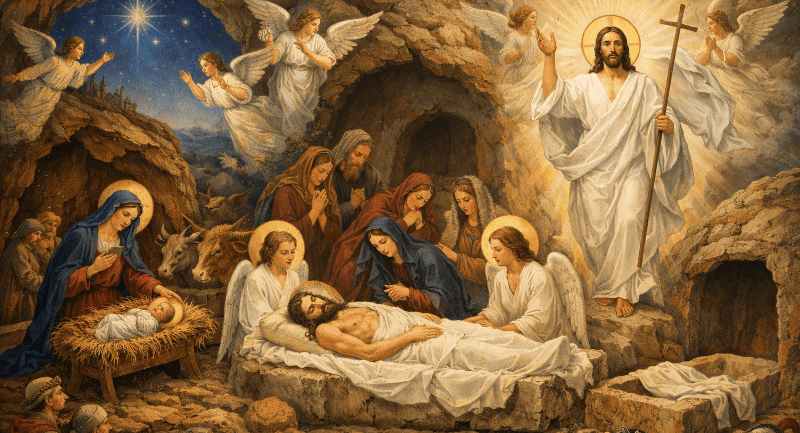
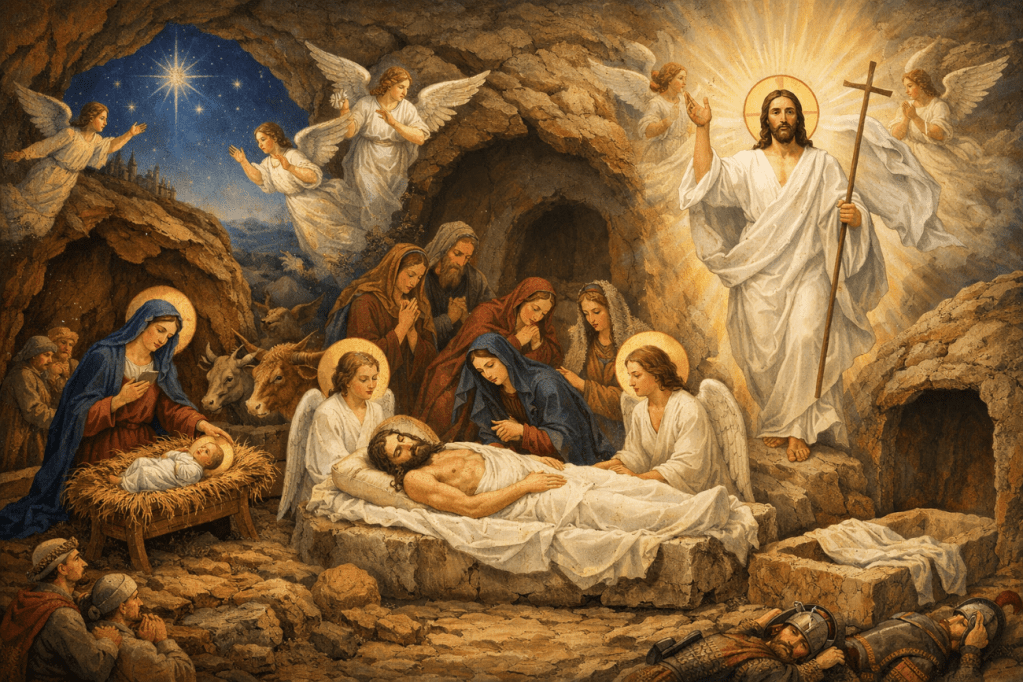
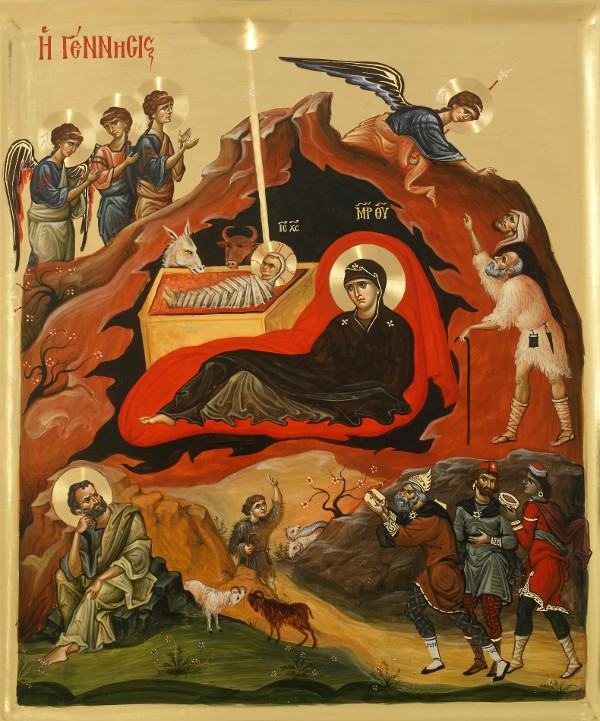
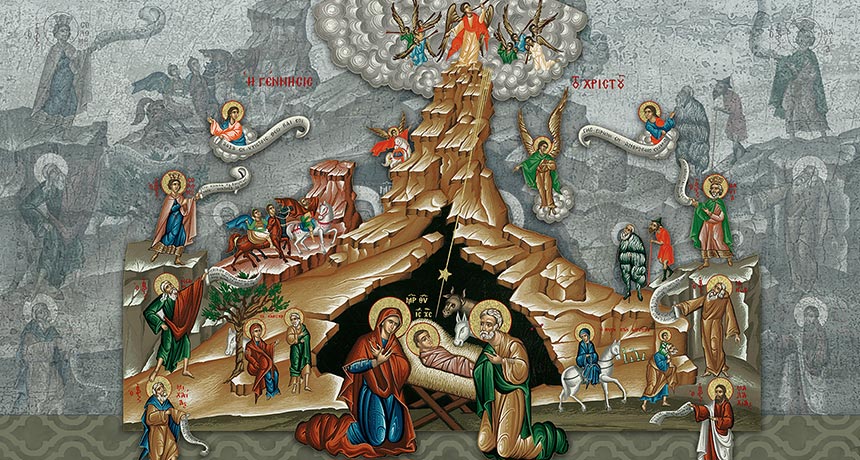
Η εικονογραφία της Γεννήσεως δεν είναι απλώς μια γλυκύτατη αναπαράσταση ενός βρέφους σε φάτνη· είναι βαθύτατα σταυροαναστάσιμη. Η εικόνα της Γεννήσεως προαναγγέλλει ήδη την Ταφή και την Ανάσταση του Χριστού.
Τόσο στην Γέννηση, όσο και στην Ανάσταση, κυρίαρχη είναι η παρουσία των αγγέλων. Στη νύχτα της Γεννήσεως, οι άγγελοι δοξολογούν τον Θεό και αναγγέλλουν την είσοδό Του στην ιστορία. «Ἡ Παρθένος σήμερον τὸν ὑπερούσιον τίκτει… Ἄγγελοι μετὰ Ποιμένων δοξολογοῦσι» (Κοντάκιον Χριστουγέννων, ήχος γ΄).
«Δόξα ἐν ὑψίστοις Θεῷ καὶ ἐπὶ γῆς εἰρήνη», ψάλλει η Εκκλησία στον Όρθρο των Χριστουγέννων, ενώ το Δοξαστικό των Αίνων προσθέτει: «Σήμερον ἡ Βηθλεὲμ δέχεται τὸν καθήμενον ἐπὶ Χερουβίμ».
Η ίδια παρουσία αγγέλων επαναλαμβάνεται στον Τάφο. Εκεί, οι άγγελοι δεν υμνούν πλέον την Γέννηση, αλλά κηρύττουν τη νίκη επί του θανάτου, όταν λέγουν: «Τί ζητεῖτε τὸν ζῶντα μετὰ τῶν νεκρῶν;»
Οι άγγελοι λειτουργούν ως εκ Θεού μάρτυρες των καθοριστικών στιγμών της σωτηρίας, όταν ο Θεός εισέρχεται στον κόσμο κι όταν ο θάνατος καταλύεται εκ των έσω.
Ο Άγιος Ιωάννης ο Χρυσόστομος επισημαίνει ότι οι άγγελοι εμφανίζονται «ὅπου ὁ Θεὸς καινουργεῖ τὴν φύσιν» (Εἰς τὸ Κατὰ Ματθαῖον, Ὁμιλία Β΄), δηλαδή, όταν ο Θεός εισέρχεται στον κόσμο κι όταν ο κόσμος εξέρχεται από την φθορά. Δεν πρόκειται για δύο διαφορετικά γεγονότα, αλλά για το ίδιο σωτηριολογικό έργο.
Ιδιαίτερη θεολογική βαρύτητα αποδίδουν οι Πατέρες της Εκκλησίας στα σπάργανα του Θείου Βρέφους. Ο Λόγος του Θεού καταδέχεται να γεννηθεί μέσα σε μια φάτνη. Ο Χριστός γεννάται «ἐσπαργανωμένος» και τοποθετείται σε φάτνη· κατά την Ταφή, τυλίγεται με σινδόνι και τίθεται σε μνήμα.
Ο Άγιος Γρηγόριος ο Θεολόγος εκφράζει με συγκλονιστικό τρόπο αυτή την αλήθεια: «Σπαργανῶται ὁ Λόγος, ἵνα λύσῃ τὰ δεσμὰ τῆς ἁμαρτίας» (Λόγος ΛΗ΄, Εἰς τὰ Θεοφάνεια). Οι Πατέρες βλέπουν στα σπάργανα την προτύπωση των ταφικών οθονίων.
Αυτή η απορία βρίσκει την απάντησή της στην Μεγάλη Παρασκευή, όταν η Εκκλησία αντικρίζει τον Χριστό, τυλιγμένο όχι πλέον με σπάργανα, αλλά με σινδόνι: «Ὁ ἐν ὕδασι τὴν γῆν κρεμάσας, ἐν σινδόνι καθορᾶται περιειλημμένος» (Δοξαστικό Αποστίχων Εσπερινού Μεγάλης Παρασκευής).
Τα σπάργανα της Γεννήσεως και το σινδόνι της Ταφής αποτελούν δύο στοιχεία της ίδιας Κενώσεως. Ο Θεός αποδέχεται τον περιορισμό, για να ελευθερώσει τον άνθρωπο από τα δεσμά του θανάτου.
Στην Γέννηση, το φως φωτίζει το σπήλαιο της Βηθλεέμ, έναν τόπο σκοτεινό και ταπεινό. Ο λαός «ὁ καθήμενος ἐν σκότει» είδε «φῶς μέγα». Στην Ανάσταση, το ίδιο φως λάμπει από τον Τάφο, διαλύοντας το σκοτάδι του Άδη.
Ο Άγιος Μάξιμος ο Ομολογητής τονίζει ότι «Ὁ Χριστός ἐστὶ τὸ Φῶς τὸ ἀληθινόν, ὃ οὐδεμία σκιά χωρεῖ» (Κεφάλαια Θεολογικά, Α΄). Το «Φῶς τὸ ἀληθινόν» δεν εξαρτάται από τις συνθήκες του κόσμου, τον χώρο ή τον χρόνο. Είτε στο σπήλαιο, είτε στον Τάφο, το φως Του παραμένει ανέσπερο, νικώντας το σκοτάδι της φθοράς.
Το ίδιο φως που φωτίζει τη νύχτα της Βηθλεέμ λάμπει εκθαμβωτικά από τον Τάφο της Αναστάσεως, γι’ αυτό και η Εκκλησία, τη νύχτα του Πάσχα διακηρύττει: «Δεῦτε λάβετε φῶς ἐκ τοῦ ἀνεσπέρου φωτός, καὶ δοξάσατε Χριστόν τὸν ἀναστάντα ἐκ νεκρῶν».
Η Πατερική Παράδοσις εμμένει στο γεγονός ότι τόσο η Γέννησις, όσο και η Ταφή, λαμβάνουν χώρα σε σπήλαιο. Το σπήλαιο της Βηθλεέμ και ο λαξευτός Τάφος αποτελούν εικονικές και θεολογικές αντιστοιχίες.
«Ὁ Τάφος Σου, Κύριε, πηγὴ ἀναστάσεως ἐδείχθη» (Κανών Μεγάλου Σαββάτου, Ὠδή ΣΤ΄). Η Εκκλησία χρησιμοποιεί την ίδια γλώσσα: σπήλαιο = παράδεισος, τάφος = πηγή ζωής.
«Ὁ ἐν φάτνῃ ἀνακείμενος, ἐν τάφῳ κατατίθεται· ὁ δὲ ἐκ τάφου ἀναστάς, τὸν Ἀδὰμ ἀνίστησι» αναφέρει το Στιχηρό των Αίνων του Μεγάλου Σαββάτου. Το συγκεκριμένο υμνολογικό σχήμα είναι χαρακτηριστικό της ποιητικής και θεολογικής σύνθεσης του Μεγάλου Σαββάτου, όπου συνυπάρχουν φαινομενικά αντιφατικά γεγονότα (θάνατος–ζωή, ταφή–ανάσταση), μέσα σε ενιαία σωτηριολογική προοπτική.
Το στιχηρό αυτό συγκροτείται ως συμπυκνωμένη χριστολογική σύνοψις της Θείας Οἰκονομίας: «Ὁ ἐν φάτνῃ ἀνακείμενος» παραπέμπει στο μυστήριο της Ενανθρωπήσεως. Η φάτνη δηλώνει την άκρα Κένωση του Λόγου: ο προαιώνιος Θεός προσλαμβάνει την ανθρώπινη φύση, χωρίς δόξα, ισχύ ή τιμή.
Η υμνολογία δεν παρουσιάζει τρία αποσπασματικά γεγονότα, αλλά ένα ενιαίο σωτηριολογικό τόξο: ό,τι αρχίζει στην Φάτνη, ολοκληρώνεται στον Τάφο και ανατρέπεται στην Ανάσταση!
Το παράδοξο δεν είναι ρητορικό τέχνασμα, αλλά θεολογική γλώσσα. Μόνον έτσι μπορεί να αποδοθεί το Μυστήριον της Θείας Συγκαταβάσεως.
Το δεύτερο τμήμα του στιχηρού μετατοπίζει το κέντρο βάρους: «ὁ δὲ ἐκ τάφου ἀναστάς». Η Ανάστασις δεν είναι απλώς νίκη επί του θανάτου ως φυσικού γεγονότος, αλλά οντολογική τομή στην ιστορία της ανθρωπότητος.
«τὸν Ἀδὰμ ἀνίστησι». Ο «Ἀδάμ» εδώ δεν δηλώνει απλώς το ιστορικό πρόσωπο, αλλά το σύνολο της ανθρωπότητος. Η Ανάστασις του Χριστού έχει καθολικό ανθρωπολογικό χαρακτήρα. Ο Χριστός ανασταίνεται ως νέος Αδάμ και ανασταίνει ολόκληρο το ανθρώπινο γένος.
Ο Χριστός βρίσκεται στον Τάφο, αλλά ήδη ενεργεί σωτηριολογικά: κατέρχεται στον Άδη και ανιστά τον Αδάμ. Το στιχηρό εκφράζει ακριβώς αυτή την διπλή πραγματικότητα: φαινομενική ακινησία – πραγματική σωτηρία.
Το στιχηρό διδάσκει ότι η Ενανθρώπησις είναι εξ αρχής σταυρική, ο θάνατος του Χριστού είναι σωτηριολογικός και η Ανάστασις δεν είναι ατομικό γεγονός, αλλά καθολική ανάστασις της ανθρωπίνης φύσεως.
Ο Άγιος Εφραίμ ο Σύρος συνοψίζει ποιητικά αυτή την θεολογία: «Τὸ σπήλαιον ἐγέννησε Ζωήν, καὶ ὁ Τάφος ἀνεκήρυξε Ἀθανασίαν» (Ύμνοι εἰς τὴν Γέννησιν, ΙΑ΄). Εκεί όπου ο Χριστός εισέρχεται, ο χώρος μεταβάλλεται: το σπήλαιο γίνεται μήτρα ζωής, νέα Εδέμ, και ο Τάφος πηγή αφθαρσίας.
Ο κενός Τάφος αποτελεί την τελική επιβεβαίωση ότι Εκείνος που γεννήθηκε ταπεινά είναι ο Κύριος της ζωής και του θανάτου.
Ο Τάφος δεν είναι τόπος απουσίας, αλλά τόπος παρουσίας ζωής, γι’ αυτό και το Μέγα Σάββατο η Εκκλησία ψάλλει: «Ὁ Τάφος Σου, Κύριε, πηγὴ ἀναστάσεως ἐδείχθη».
Η φάτνη, το σινδόνι και ο κενός Τάφος δεν είναι τρεις εικόνες· είναι μία αλήθεια, μία ενιαία σωτηριολογική πορεία. Ο Χριστός γεννάται, για να πεθάνει εκουσίως και πεθαίνει για να αναστήσει τον άνθρωπο.
Όπως συνοψίζει ο Άγιος Αθανάσιος ο Μέγας: «Αὐτὸς ἐνηνθρώπησεν, ἵνα ἡμεῖς θεοποιηθῶμεν». (Περὶ Ἐνανθρωπήσεως, 54)
Η εικόνα της Γεννήσεως είναι ήδη εικόνα Αναστάσεως, διότι αποκαλύπτει την είσοδο του Θεού στον κόσμο, με σκοπό τη νίκη κατά του θανάτου.
Ας εορτάζουμε, λοιπόν, την Γέννηση του Χριστού με αναστάσιμη πίστη και ας βιώνουμε την Ανάσταση ως καρπό της Ενανθρωπήσεως, διότι Εκείνος που ετέθη ἐν φάτνῃ, κατέλυσε τον Τάφο και χάρισε στον κόσμο την αιώνια ζωή.
Christ’s Nativity as a Prefiguration of His Burial and Resurrection in the Patristic and Liturgical Tradition
The Mystery of the Incarnation of the Son and Word of God is not an isolated event within the history of the Divine Economia/Dispensation. The Nativity of Christ is inseparably linked with His Passion, His Burial, and His Resurrection. All of these constitute a single path of salvation, an indivisible mystery of God’s love for humankind.
The Nativity of Christ is not merely the beginning of His earthly presence, but already the commencement of His voluntary journey toward death and the victory over death. For this reason, Orthodox iconography, Patristic theology, and above all the Church’s hymnography perceive in the Manger the shadow of the Tomb, and in the Nativity the proclamation in advance of the Resurrection.
The Fathers of the Church, with their theological insight, highlight this inner unity not only on the dogmatic level, but also on the iconographic one.
The iconography of the Nativity is not simply a tender depiction of an infant in a manger; it is profoundly cruciform and resurrectional. The icon of the Nativity already foretells the Burial and the Resurrection of Christ.
Both in the Nativity and in the Resurrection, the presence of the angels is dominant. On the night of the Nativity, the angels glorify God and announce His entry into history: “Today the Virgin gives birth to the Transcendent One… Angels with shepherds glorify Him” (Kontakion of Christmas, Tone 3).
“Glory to God in the highest, and on earth peace,” the Church chants at the Orthros of Christmas, while the Doxastikon of the Αίνοι/Praises adds: “Today Bethlehem receives Him who sits upon the Cherubim.”
The same angelic presence is repeated at the Tomb. There, the angels no longer praise the Nativity, but proclaim the victory over death when they say: “Why do you seek the living among the dead?”
The angels function as witnesses sent by God of the decisive moments of salvation, when God enters the world and when death is destroyed from within.
Saint John Chrysostom points out that the angels appear “where God renews nature” (Homily II on Matthew), that is, when God enters the world and when the world is delivered from corruption. These are not two different events, but one and the same work of salvation.
The Fathers of the Church assign particular theological weight to the swaddling clothes of the Divine Infant. The Word of God condescends to be born in a manger. Christ is born “wrapped in swaddling clothes” and placed in a manger; at His Burial, He is wrapped in a burial shroud and laid in a tomb.
Saint Gregory the Theologian expresses this truth in a striking manner: “The Word is wrapped in swaddling clothes, that He may loosen the bonds of sin” (Oration 38, On Theophany). The Fathers see in the swaddling clothes a prefiguration of the burial linens.
The Church chants: “The Uncontainable One—how was He contained in a womb? He who is in the bosom of the Father—how is He held in the arms of His Mother? In every way as He knew, as He willed, and as He was pleased” (Canon of Christmas, Ode 9).
This wonder finds its answer on Great Friday, when the Church beholds Christ wrapped no longer in swaddling clothes, but in a burial shroud: “He who suspended the earth upon the waters is seen wrapped in a shroud” (Doxastikon of the Aposticha of Great Friday Vespers).
The swaddling clothes of the Nativity and the burial shroud of the Burial are two expressions of the same Kenosis. God accepts limitation in order to free humanity from the bonds of death.
At the Nativity, light illumines the cave of Bethlehem, a dark and humble place. The people “who sat in darkness” saw a “great light.” At the Resurrection, the same light shines forth from the Tomb, dispersing the darkness of Hades.
Saint Maximus the Confessor emphasizes that “Christ is the true Light, which no shadow can contain” (Theological Chapters, I). The “true Light” does not depend on the conditions of the world, space, or time. Whether in the cave or in the Tomb, His light remains unsetting, conquering the darkness of corruption.
The same light that illumines the night of Bethlehem shines forth brilliantly from the Tomb of the Resurrection; therefore, on the night of Pascha the Church proclaims: “Come, receive light from the unwaning Light, and glorify Christ who has risen from the dead.”
The Patristic Tradition insists on the fact that both the Nativity and the Burial take place in a cave. The cave of Bethlehem and the hewn Tomb constitute iconographic and theological correspondences.
“Your Tomb, O Lord, has been revealed as a fountain of resurrection” (Canon of Holy Saturday, Ode 6). The Church uses the same language: cave equals paradise; tomb equals source of life.
“He who lay in a manger is laid in a tomb; and He who rose from the tomb raises Adam,” states the Sticheron of the Αίνοι/Praises of Holy Saturday. This hymnographic structure is characteristic of the poetic and theological synthesis of Holy Saturday, where seemingly contradictory events (death–life, burial–resurrection) coexist within a single salvific perspective.
This sticheron is formed as a condensed Christological summary of the Divine Economy. “He who lay in a manger” refers to the mystery of the Incarnation. The manger signifies the extreme Kenosis of the Word: the pre-eternal God assumes human nature without glory, power, or honor.
Hymnography does not present three fragmented events, but a single salvific arc: what begins in the Manger is fulfilled in the Tomb and overturned in the Resurrection!
The paradox is not a rhetorical device, but theological language. Only in this way can the Mystery of Divine Condescension be expressed.
The second part of the sticheron shifts the focus: “He who rose from the tomb.” The Resurrection is not merely a victory over death as a natural event, but an ontological rupture in the history of humanity.
“He raises Adam.” “Adam” here does not signify merely the historical person, but the entirety of humankind. The Resurrection of Christ possesses a universal anthropological character. Christ rises as the new Adam and raises the whole human race.
Christ lies in the Tomb, yet already acts salvifically: He descends into Hades and raises Adam. The sticheron expresses precisely this dual reality: apparent stillness—real salvation.
The sticheron teaches that the Incarnation is from the outset cruciform, that the death of Christ is salvific, and that the Resurrection is not an individual event, but the universal resurrection of human nature.
Saint Ephrem the Syrian poetically summarizes this theology: “The cave gave birth to Life, and the Tomb proclaimed Immortality” (Hymns on the Nativity, 11). Wherever Christ enters, space itself is transformed: the cave becomes a womb of life, a new Eden, and the Tomb a source of incorruption.
The empty Tomb is the final confirmation that He who was born in humility is the Lord of life and death.
The Tomb is not a place of absence, but a place of the presence of life; therefore, on Holy Saturday the Church chants: “Your Tomb, O Lord, has been revealed as a fountain of resurrection.”
The manger, the burial shroud, and the empty Tomb are not three images; they are one truth, one unified salvific journey. Christ is born in order to die voluntarily, and He dies in order to raise humanity.
As Saint Athanasius the Great summarizes: “He became man, that we might be deified” (On the Incarnation, 54).
The icon of the Nativity is already an icon of the Resurrection, because it reveals God’s entry into the world with the purpose of conquering death.
Let us therefore celebrate the Nativity of Christ with resurrectional faith, and let us experience the Resurrection as the fruit of the Incarnation, for He who was laid in a manger destroyed the Tomb and granted the world eternal life.
Yet we celebrate this saving event in a world marked by deep wounds and profound suffering. Our generation bears witness to wars that devastate entire nations, violence that uproots families, and conflicts that claim innocent lives.
We see the scandal of human trafficking, where men, women, and children are reduced to commodities. We encounter crushing poverty, economic injustice, forced migration, loneliness, and despair.
Creation itself groans under the weight of exploitation and neglect. These realities confront our conscience and challenge our faith.
The Nativity of Christ is God’s decisive intervention in the brokenness of human history. The Son of God enters precisely into a world of fear, injustice, and pain. He does not come with worldly power, but in humility, revealing that true strength is found in sacrificial love.
Saint Athanasios the Great teaches us that the Word became flesh “that we might become by grace what He is by nature.” In Christ’s birth, humanity is offered transformation.
In the face of wars and violence, the newborn Christ reveals Himself as the Prince of Peace. His peace is not the absence of conflict alone, but the restoration of right relationship between God and humanity, and among human beings themselves.
In the face of exploitation and human trafficking, Christ affirms the infinite dignity of every human person, created in the image and likeness of God.
In the face of poverty and exclusion, He identifies Himself with the poor, having no place to lay His head even from His birth.
Saint John Chrysostom exhorts us that we cannot honor Christ in the altar while neglecting Him in the suffering neighbor.
We are called to be witnesses of hope in a world tempted by despair, to be peacemakers where hatred prevails, to protect the vulnerable, to speak for those who have no voice, and to practice mercy, generosity, and solidarity. The love revealed in the cave of Bethlehem must be made visible through our concrete acts of faith and love.
For the faithful of the Holy Metropolis of Sweden and All Scandinavia, living in societies marked by both prosperity and spiritual challenges, this calling is especially urgent. The Incarnate Christ invites us to resist indifference, to cultivate compassion, and to bear living witness to the Gospel in a pluralistic and often secular environment.
Saint Maximus the Confessor teaches us that love for God is inseparable from love for neighbor. Our fidelity to Christ is measured by how we reflect His self-emptying love in the world.
May the Child born in the cave grant peace to the world, comfort to those who suffer, justice to the oppressed, and salvation to our souls.
With paternal love and heartfelt wishes in the Incarnate Lord for a blessed, peaceful, and grace-filled Christmas and a healthy New Year,
† Metropolitan Cleopas of Sweden and All Scandinavia
Dearly Beloved Brothers & Sisters in the Incarnate Lord,
As we approach the radiant Feast of the Nativity of our Lord, the Church once again invites us to contemplate the great and ineffable mystery of the Incarnation.
The eternal Word of God, through Whom all things were made, humbles Himself, assumes our human nature, and is born in a cave, laid in a manger, and welcomed by the poor and the lowly. Heaven and earth are united. God becomes man, so that humanity may be restored and healed.
Yet we celebrate this saving event in a world marked by deep wounds and profound suffering. Our generation bears witness to wars that devastate entire nations, violence that uproots families, and conflicts that claim innocent lives.
We see the scandal of human trafficking, where men, women, and children are reduced to commodities. We encounter crushing poverty, economic injustice, forced migration, loneliness, and despair.
Creation itself groans under the weight of exploitation and neglect. These realities confront our conscience and challenge our faith.
The Nativity of Christ is God’s decisive intervention in the brokenness of human history. The Son of God enters precisely into a world of fear, injustice, and pain. He does not come with worldly power, but in humility, revealing that true strength is found in sacrificial love.
Saint Athanasios the Great teaches us that the Word became flesh “that we might become by grace what He is by nature.” In Christ’s birth, humanity is offered transformation.
In the face of wars and violence, the newborn Christ reveals Himself as the Prince of Peace. His peace is not the absence of conflict alone, but the restoration of right relationship between God and humanity, and among human beings themselves.
In the face of exploitation and human trafficking, Christ affirms the infinite dignity of every human person, created in the image and likeness of God.
In the face of poverty and exclusion, He identifies Himself with the poor, having no place to lay His head even from His birth.
Saint John Chrysostom exhorts us that we cannot honor Christ in the altar while neglecting Him in the suffering neighbor.
We are called to be witnesses of hope in a world tempted by despair, to be peacemakers where hatred prevails, to protect the vulnerable, to speak for those who have no voice, and to practice mercy, generosity, and solidarity. The love revealed in the cave of Bethlehem must be made visible through our concrete acts of faith and love.
For the faithful of the Holy Metropolis of Sweden and All Scandinavia, living in societies marked by both prosperity and spiritual challenges, this calling is especially urgent. The Incarnate Christ invites us to resist indifference, to cultivate compassion, and to bear living witness to the Gospel in a pluralistic and often secular environment.
Saint Maximus the Confessor teaches us that love for God is inseparable from love for neighbor. Our fidelity to Christ is measured by how we reflect His self-emptying love in the world.
May the Child born in the cave grant peace to the world, comfort to those who suffer, justice to the oppressed, and salvation to our souls.
With paternal love and heartfelt wishes in the Incarnate Lord for a blessed, peaceful, and grace-filled Christmas and a healthy New Year,
† Metropolitan Cleopas of Sweden and All Scandinavia
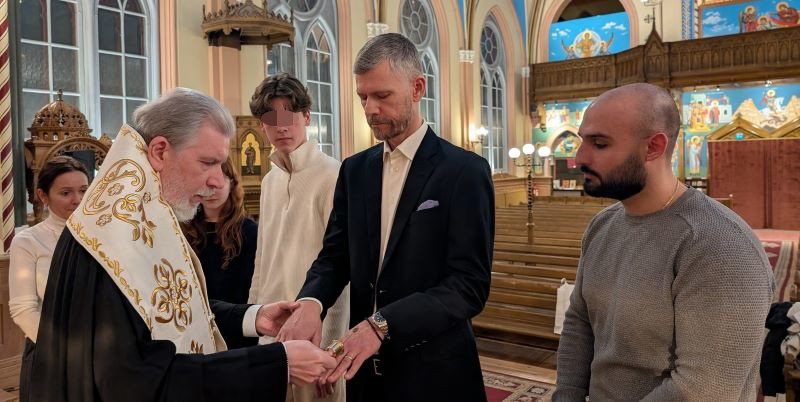
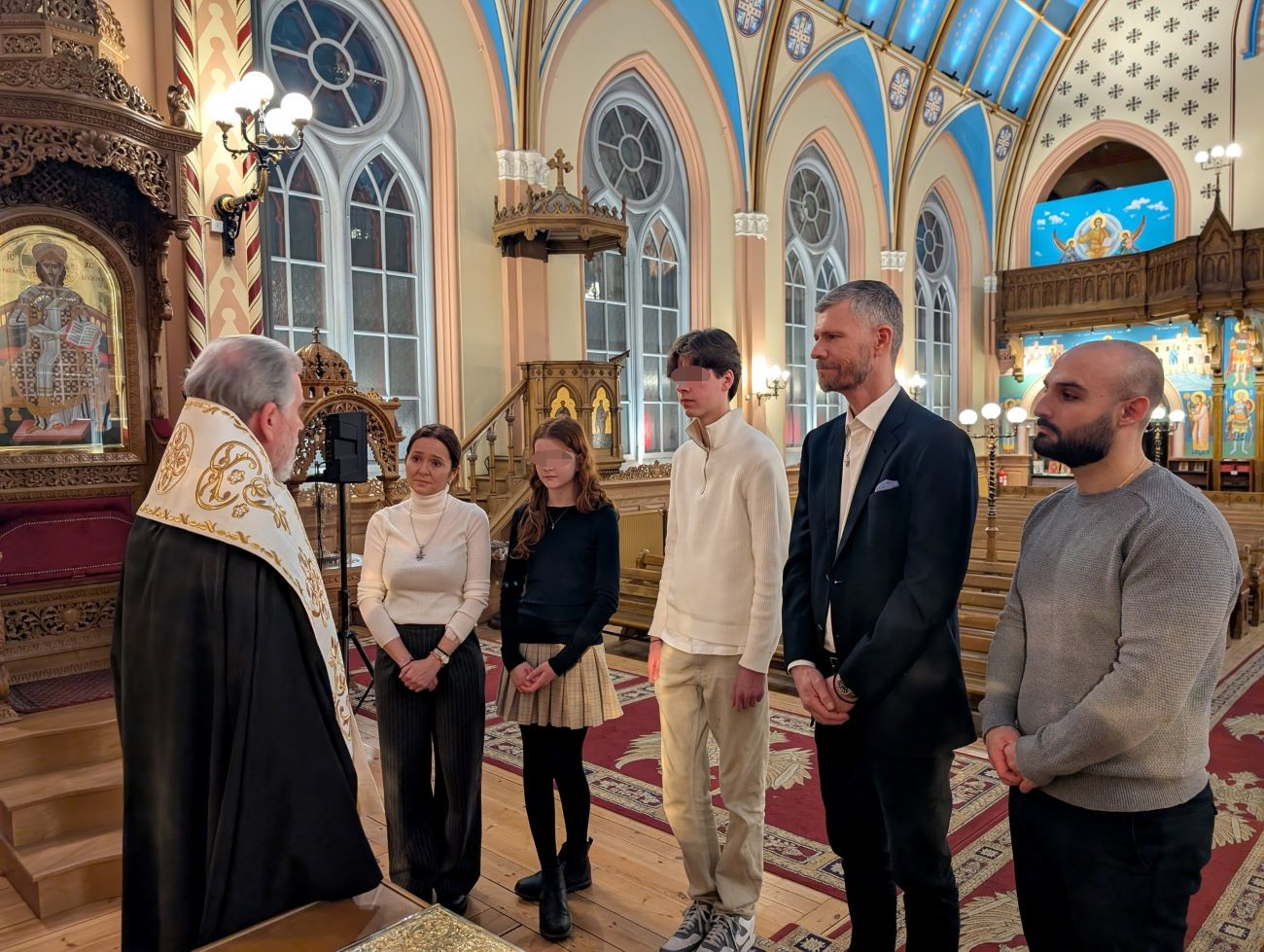
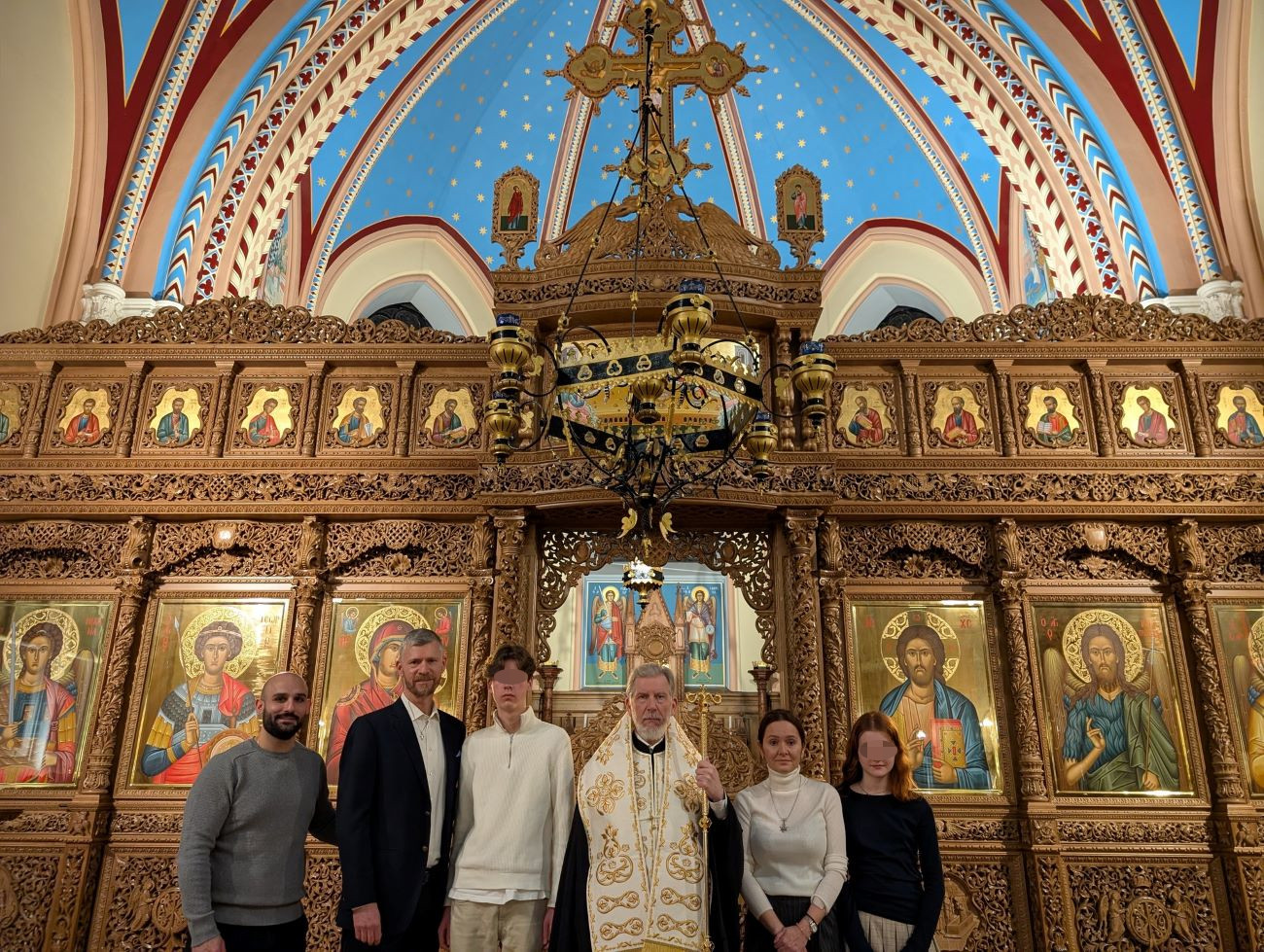
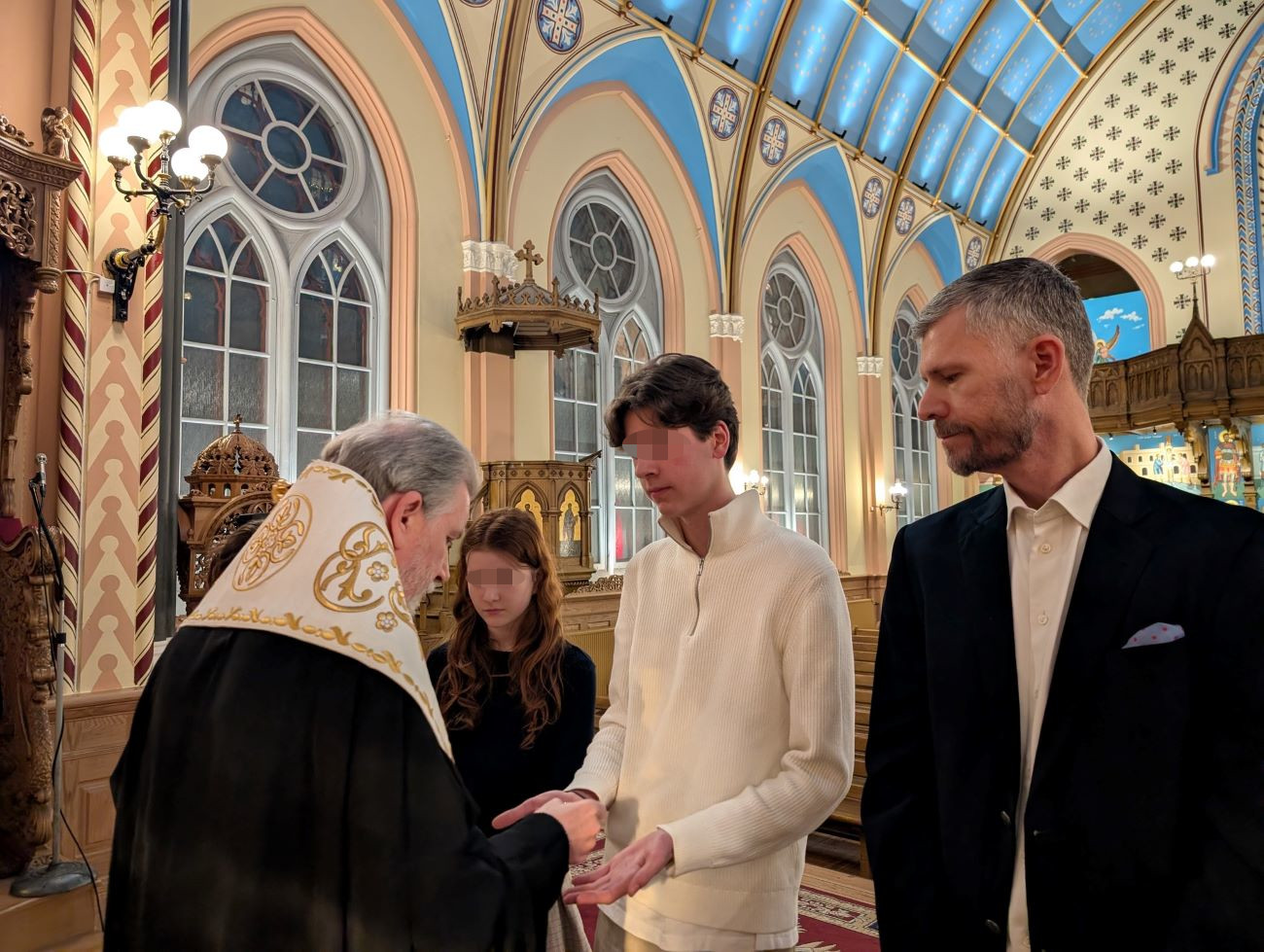
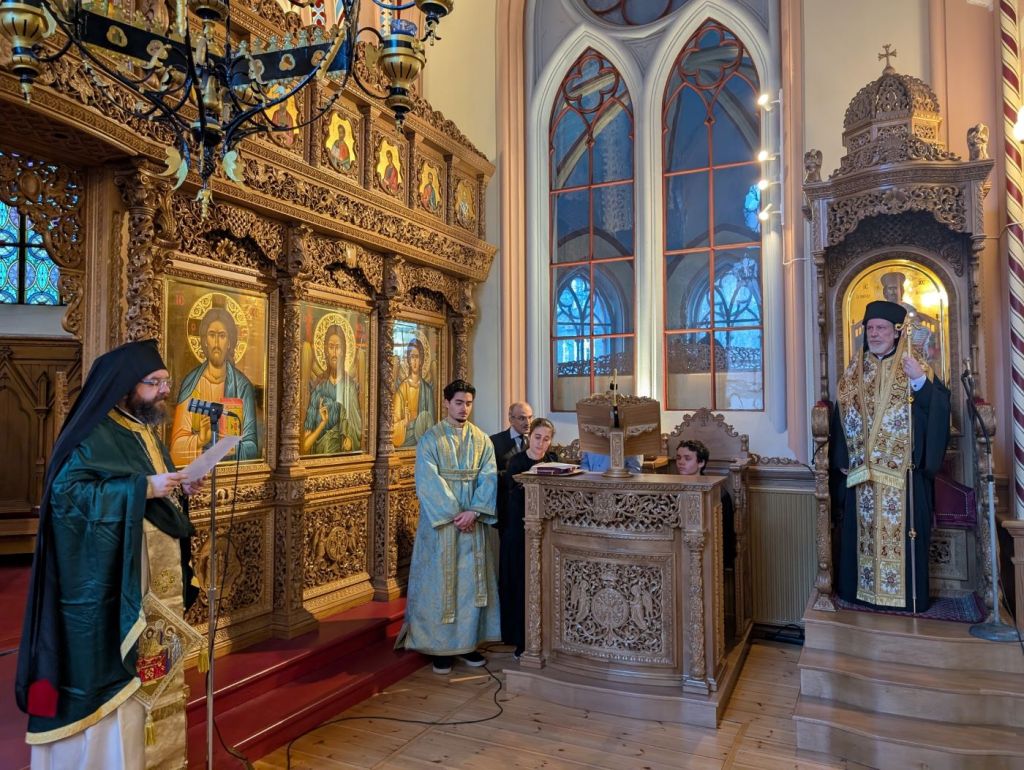
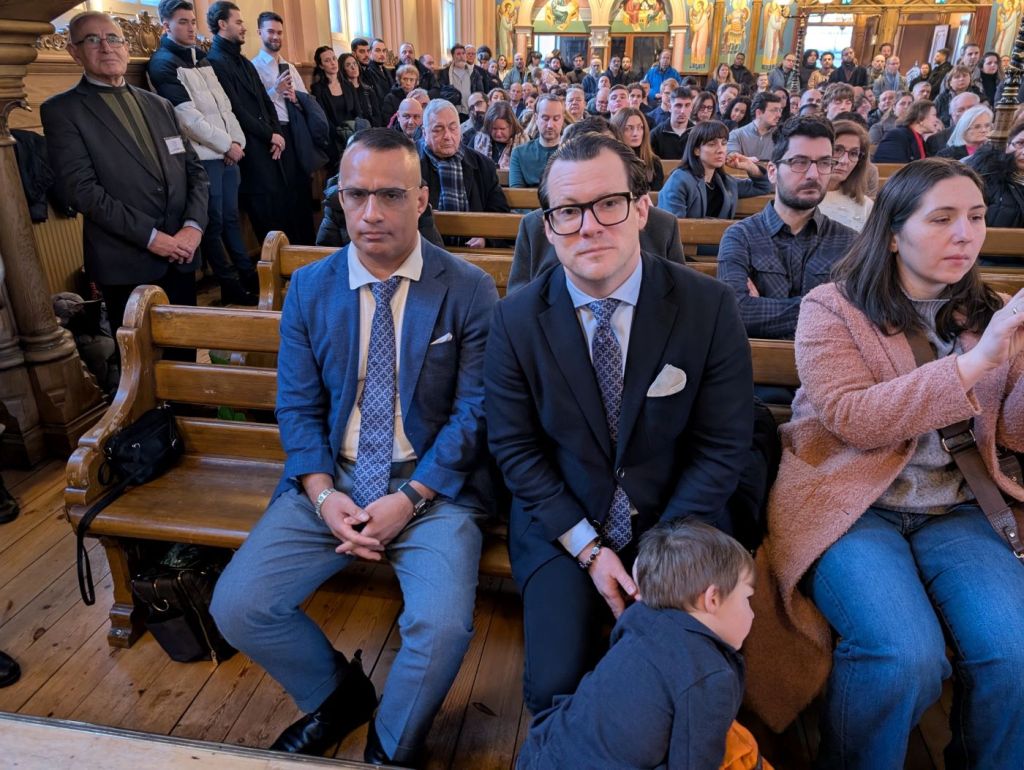
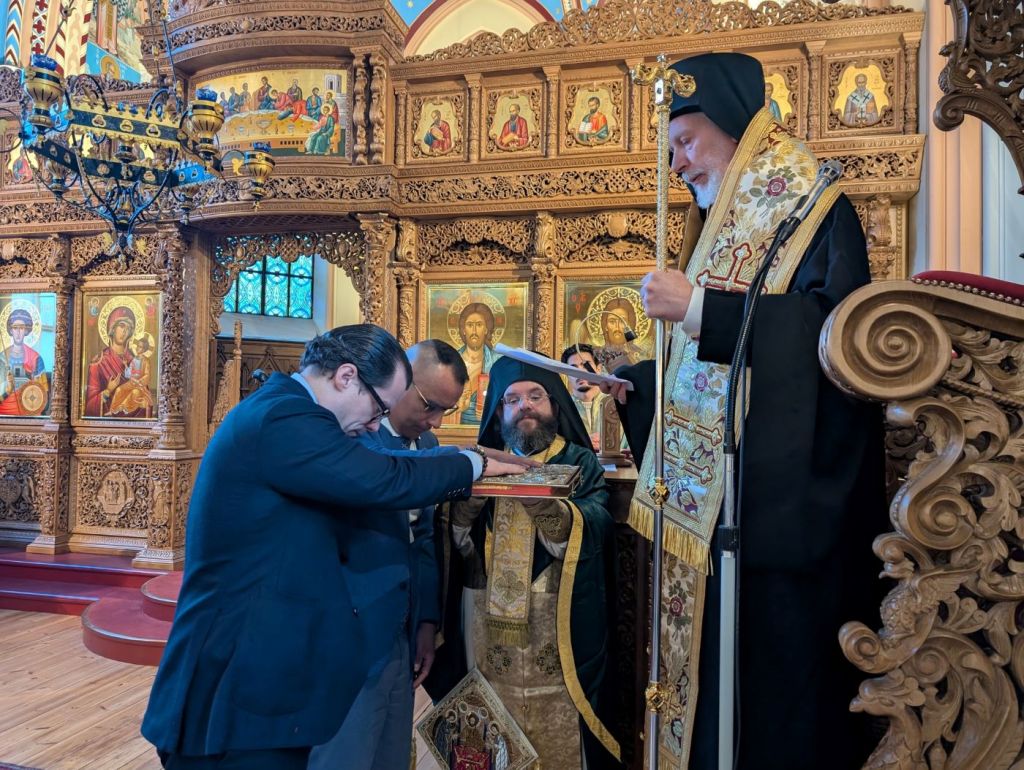
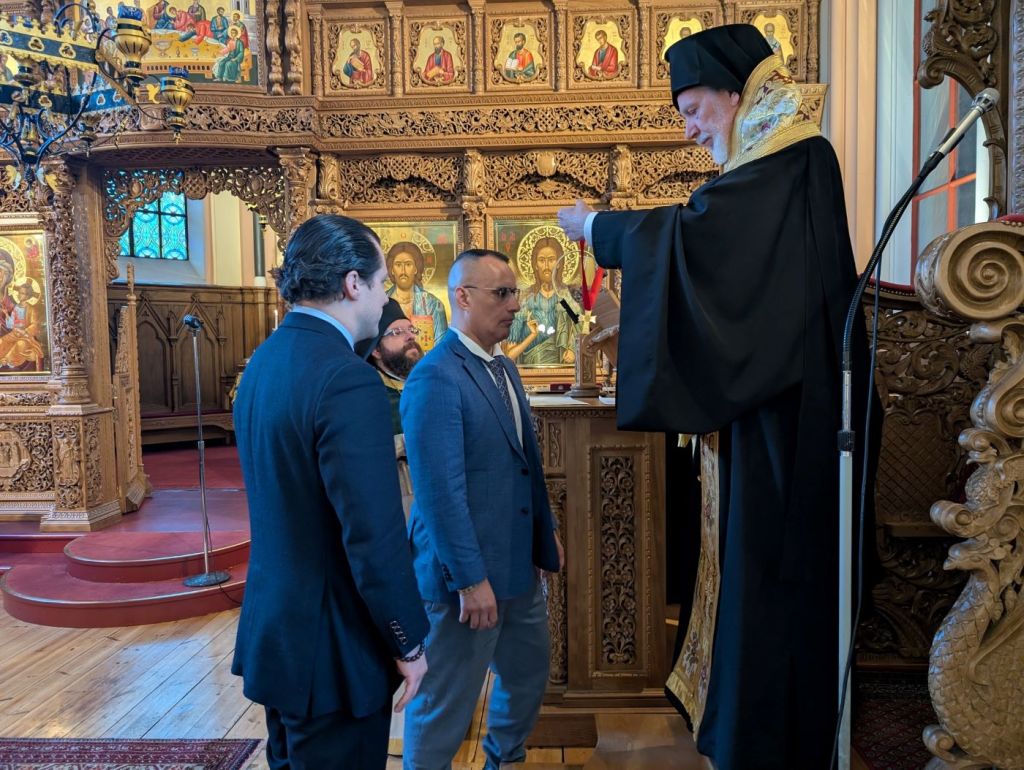
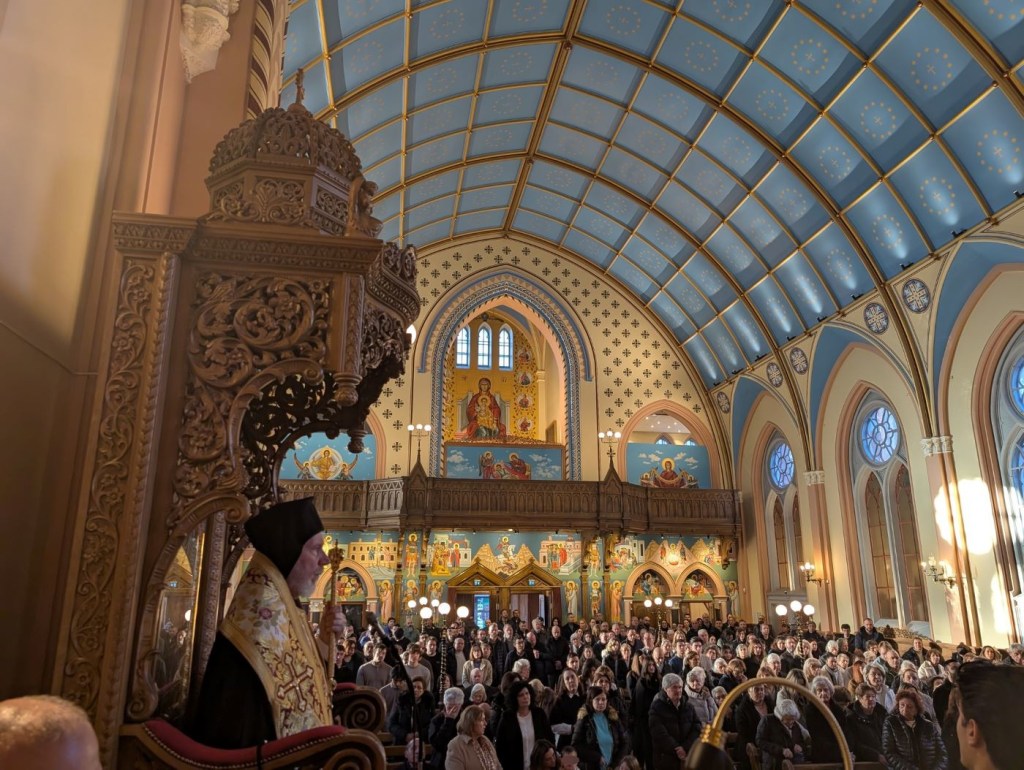
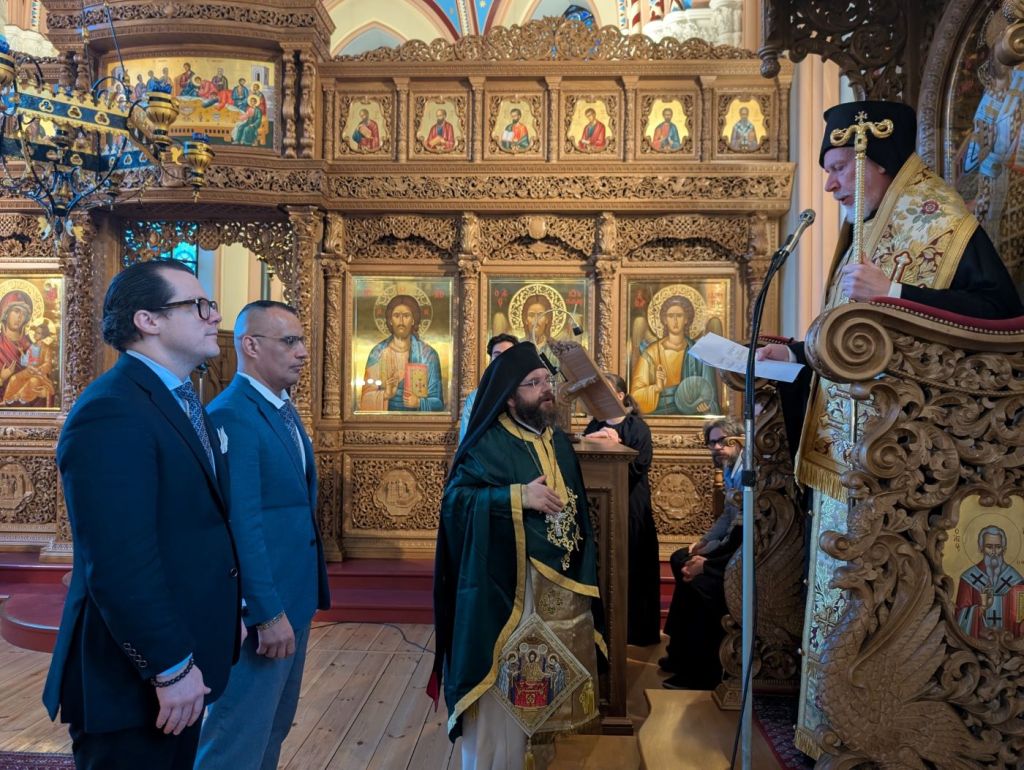
Τρία μέλη οικογένειας του Καθεδρικού Ναού Στοκχόλμης έλαβαν το Ι. Μυστήριο του Χρίσματος, το Σάββατο, 20 Δεκεμβρίου 2025. Οι προσευχές μας θα τους συνοδεύουν στην ζωή τους.
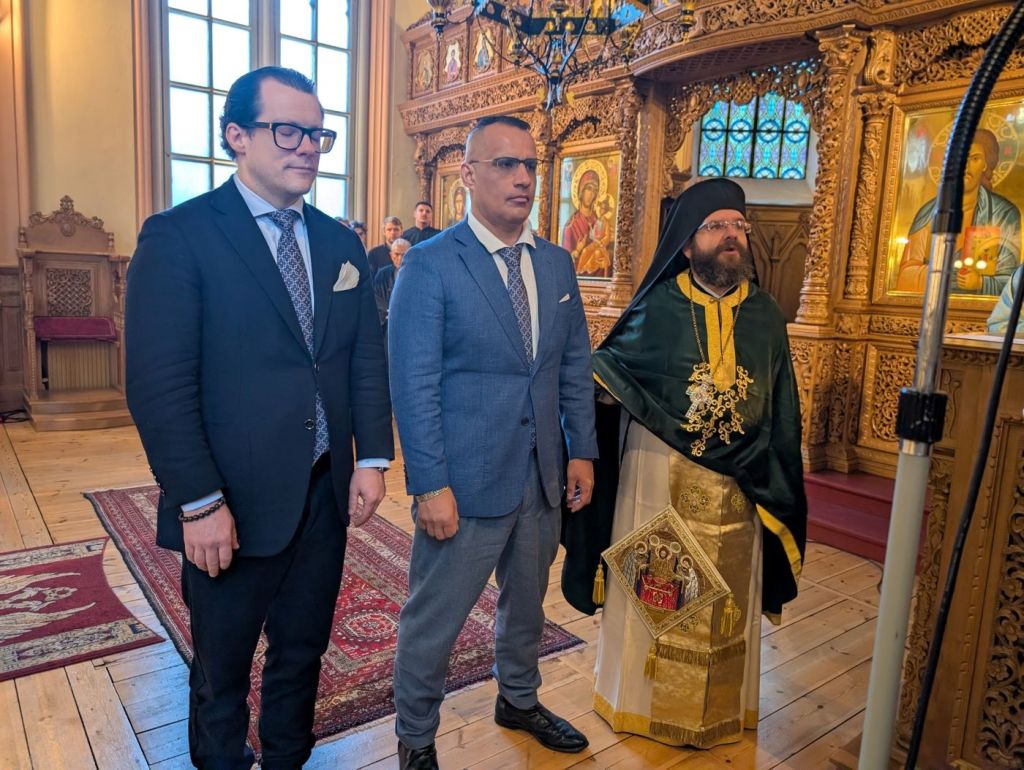
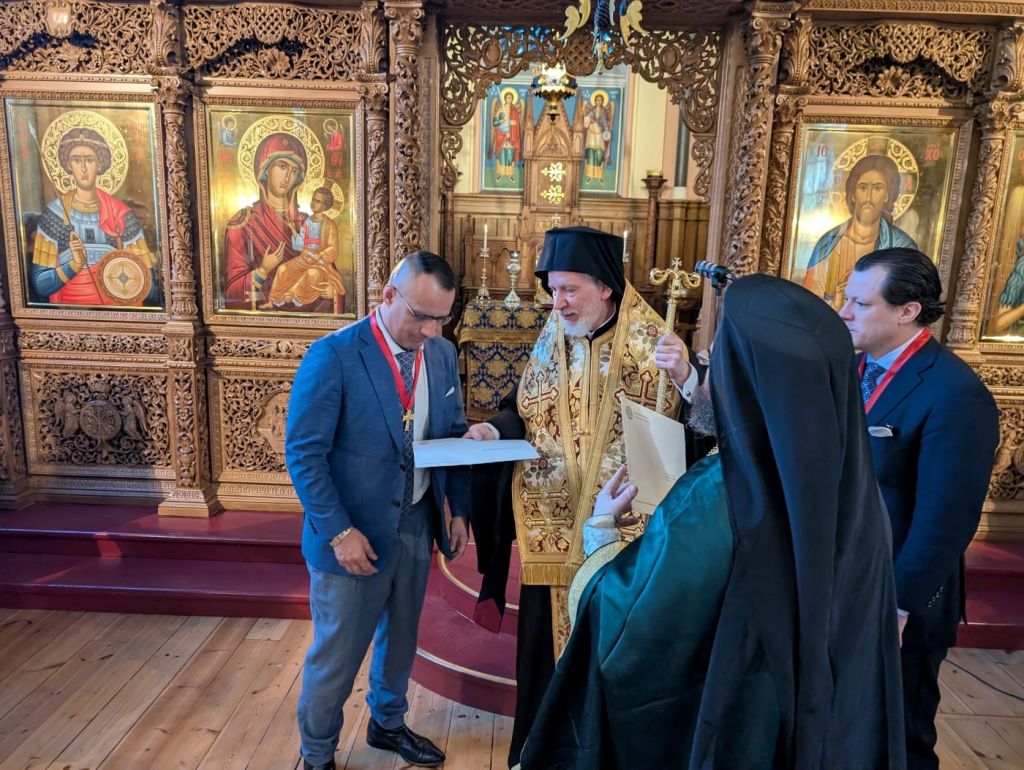
Στην σημερινή λατρευτική μας σύναξη, θα μου επιτρέψετε να αναφερθώ σε δύο πρόσωπα, μέλη της τοπικής μας Εκκλησίας, τα οποία διαδραματίζουν ιδιαίτερα σημαντικό ρόλο στο γίγνεσθαι αυτής, εξαιτίας της επιστημονικής τους ιδιότητος αφ’ ενός, αλλά και της αφοσιώσεώς τους αφ’ ετέρου. Πρόκειται για τους Νομικούς κ.κ. Rafail Poumeyrau και Fredrik Styrlander.
Αυτά τα δύο πρόσωπα αποτελούν τους δύο βραχίονες του Μητροπολίτου, σε όλα τα θέματα που άπτονται των νομικών θεμάτων, και φυσικά απαιτούν οι αποφάσεις του Μητροπολιτικού Συμβουλίου, αλλά και η σχέση της Ι. Μητροπόλεως με τις υπηρεσίες του Κράτους και τους διαφόρους Οργανισμούς.
Ιδιαιτέρως, όμως, θα ήθελα να αναφερθώ στην υποδειγματική και απολύτως αφοσιωμένη προσφορά τους στην Ι. Μητρόπολη και τον ομιλούντα, προ δύο περίπου ετών, όταν πρόσωπα, μετρημένα στα δάχτυλα του ενός χεριού, ως μη όφειλε, ταλάνισαν την τοπική μας Εκκλησία και την κοινωνία, αφού, με ανυπόστατα και συκοφαντικά δημοσιεύματα, προσπάθησαν να αμαυρώσουν το κύρος της Εκκλησίας μας και του υποφαινομένου.
Τότε, και οι δύο, καθημερινώς και για ώρες, αφοσίωσαν τον προσωπικό και πολύτιμο χρόνο τους και με τις νομικές τους γνώσεις κατηύθυναν στην αισία έκβαση των πραγμάτων, ώστε, όχι μόνον να αποδειχθεί, δια δικαστικών αποφάσεων, το ανυπόστατο και αίολο των κατηγοριών, αλλά και για πρώτη φορά στην ιστορία της Σουηδικής Δικαιοσύνης, να αναγκαστεί το Συνδικάτο Εργαζομένων, όχι μόνο να αποσύρει την μηνυτήρια αναφορά του εναντίον της Ι. Μητροπόλεως, αλλά και να αποζημιώσει αυτήν αρχικώς και στην συνέχεια τον ομιλούντα για τα μεταφραστικά έξοδα, ώστε ένα σεβαστό χρηματικό ποσό να δωρηθεί στην Ι. Μητρόπολη κι έτσι να εξοφληθούν οι δαπάνες για την δεύτερη φάση της αποκαταστάσεως του Καθεδρικού μας Ναού.
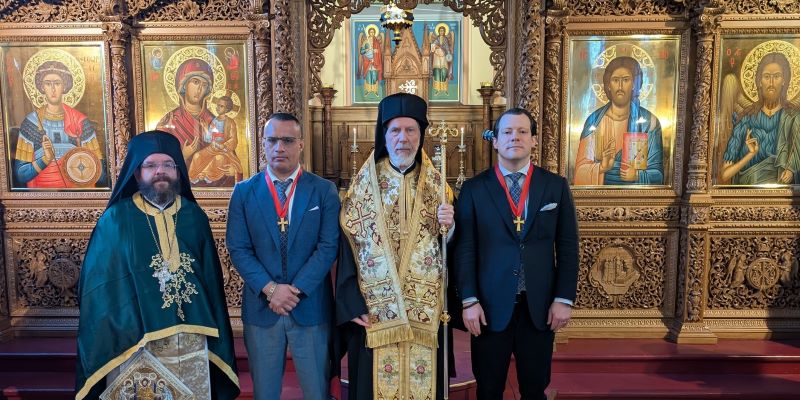
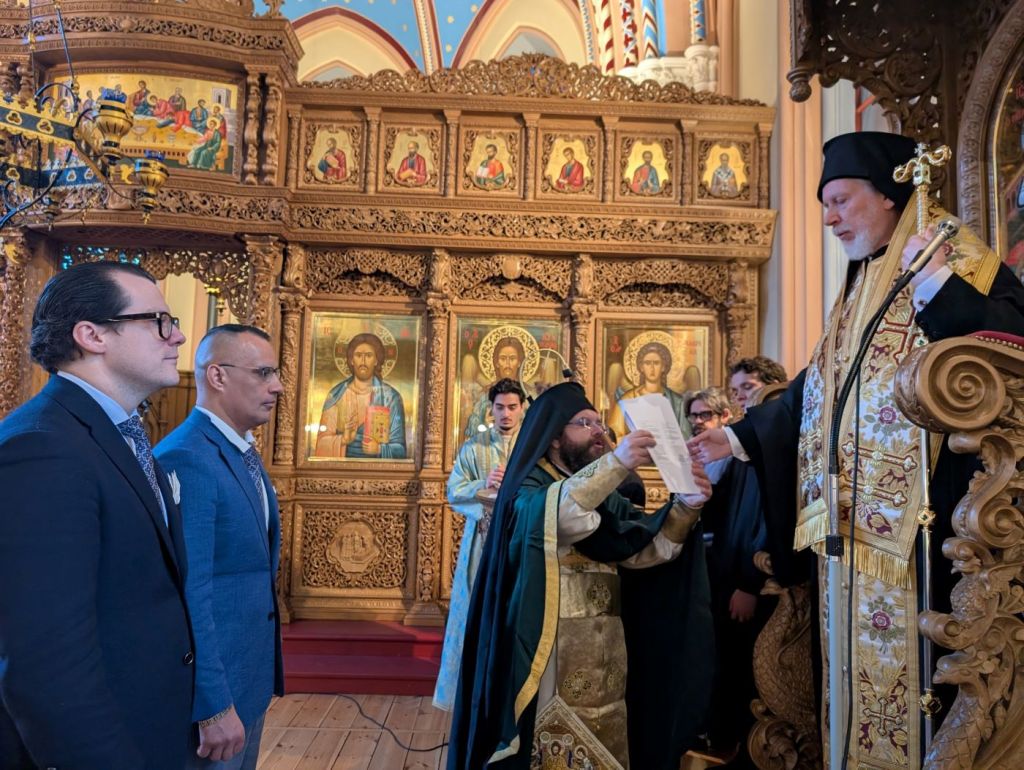
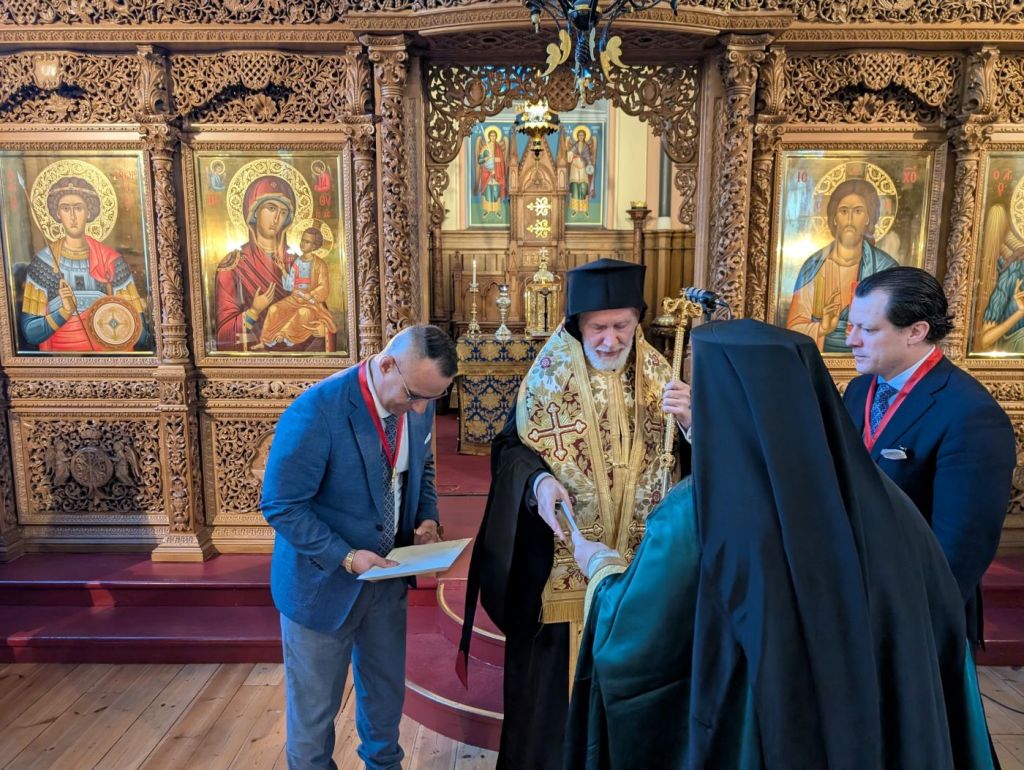
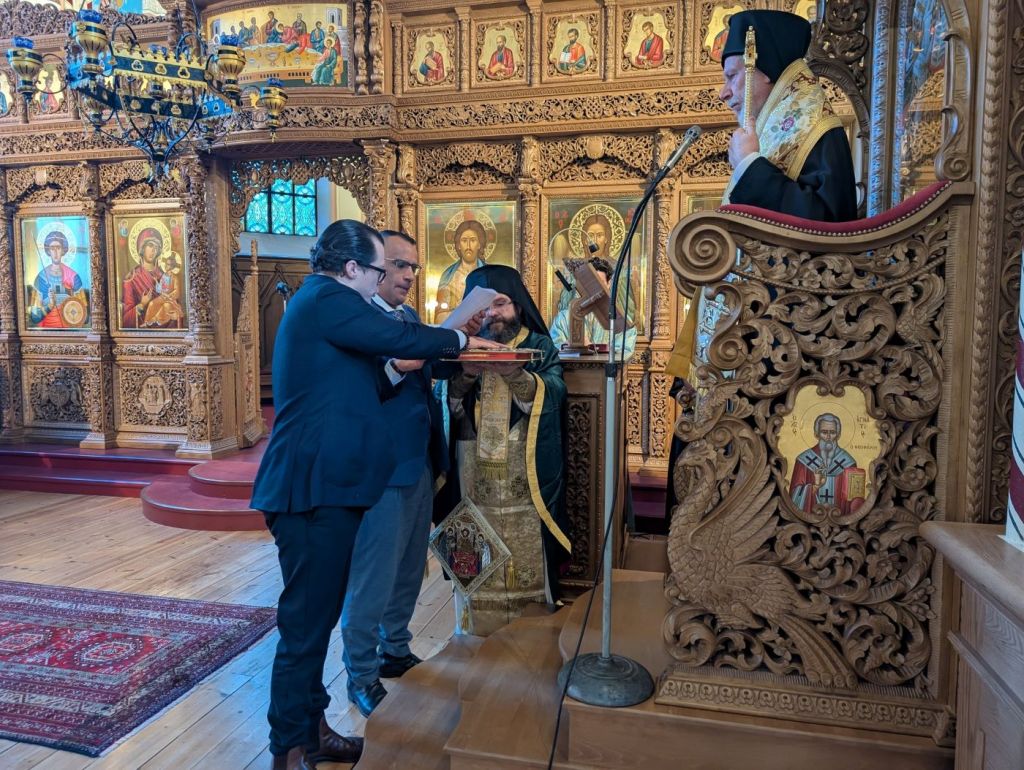
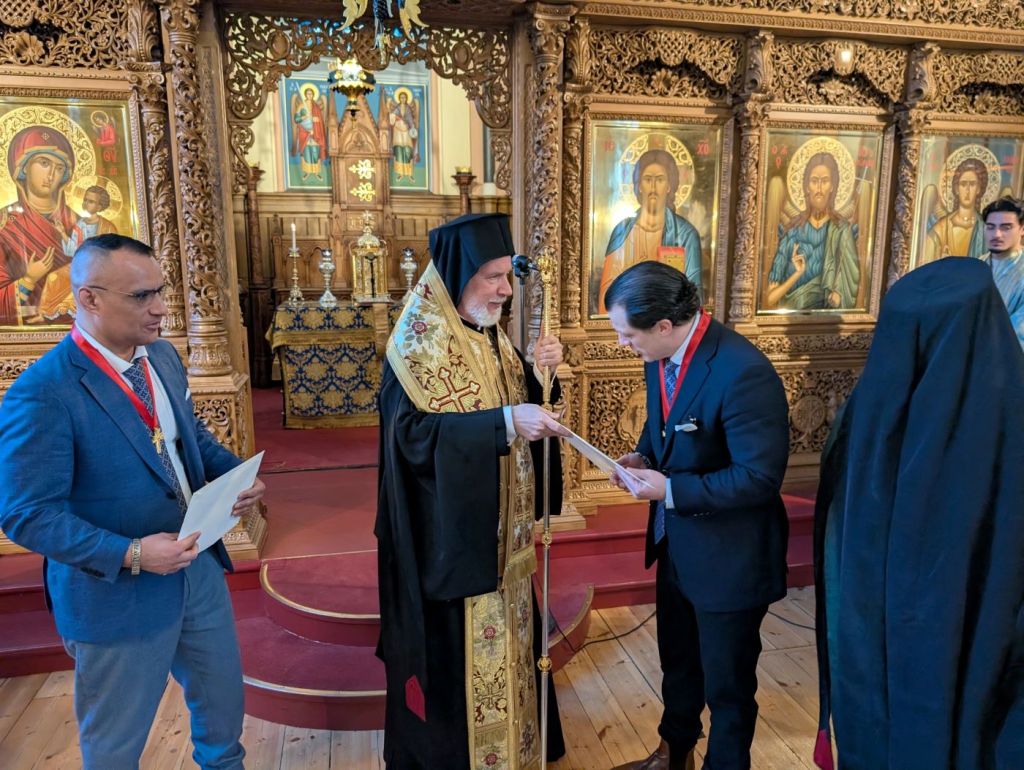
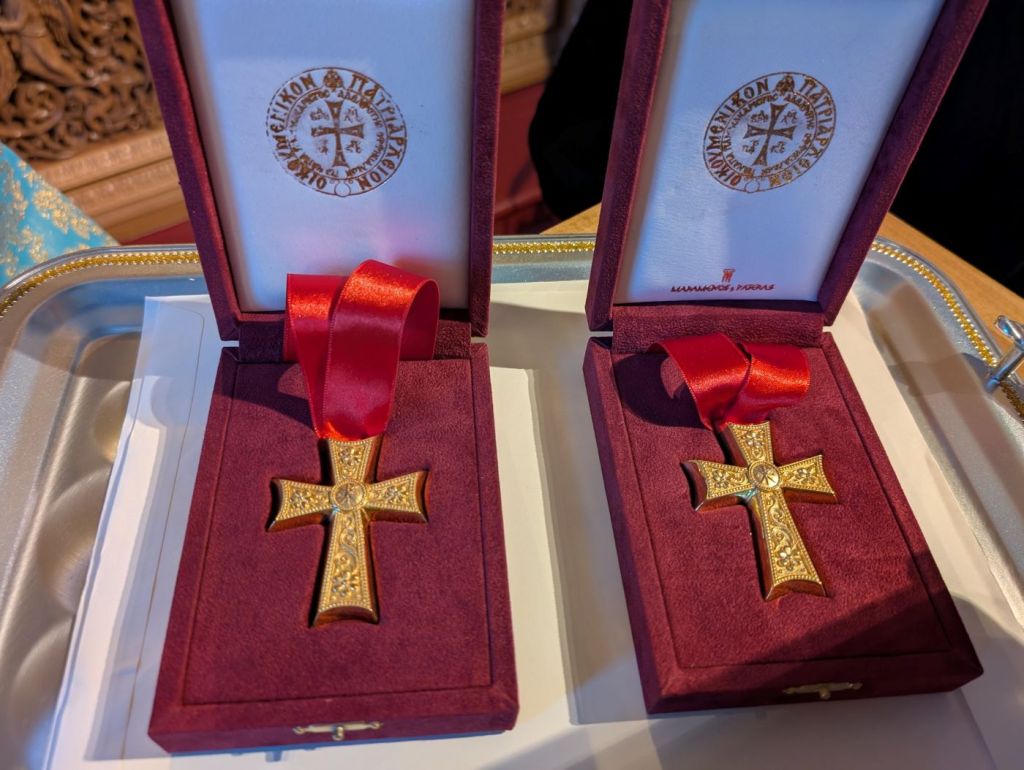
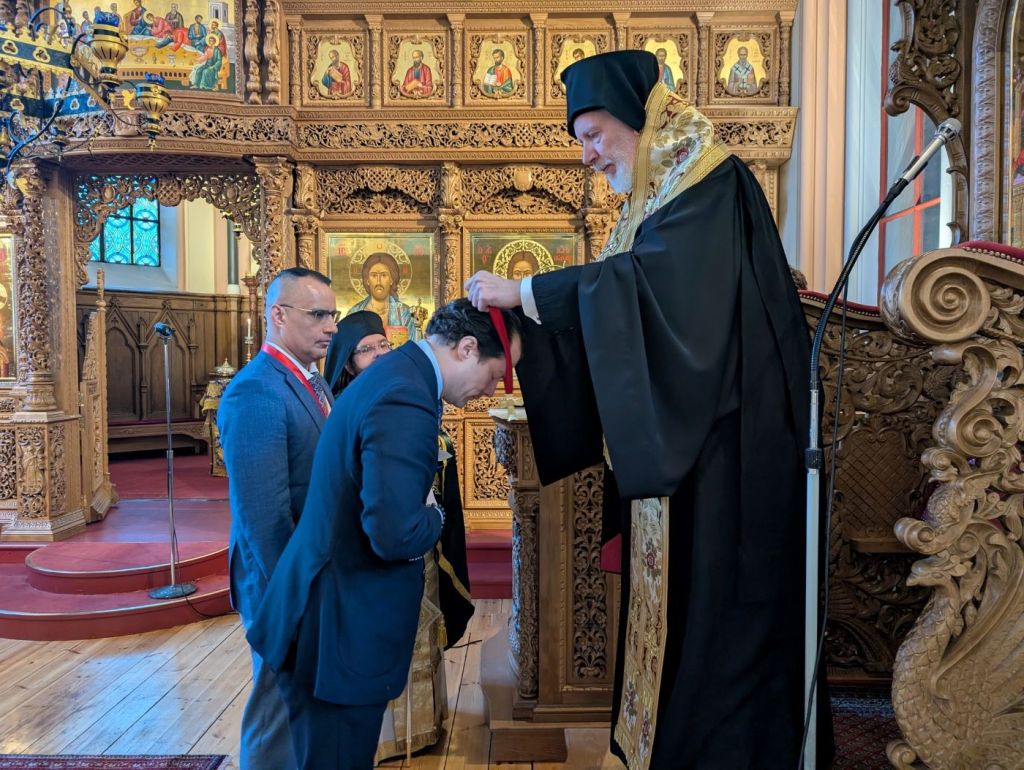
Για όλους αυτούς τους λόγους και για τον κυριότερο, ότι η αφοσίωση και προσφορά τους είναι άμισθη και συνεπώς αδάπανη για την Ι. Μητρόπολη, σε μια χώρα που γνωρίζετε πόσο κοστίζει η προσφορά των νομικών υπηρεσιών, με οδήγησαν ώστε να εισηγηθώ στην Α. Θ. Παναγιότητα, τον Οικουμενικό Πατριάρχη κ. κ. Βαρθολομαίο, να απονείμει σε αυτούς την ανώτατη τιμητική διάκριση της Μητρός Εκκλησίας, κατατάσσοντάς τους στους Άρχοντες Οφικιαλίους της Αγίας του Χριστού Μεγάλης Εκκλησίας.
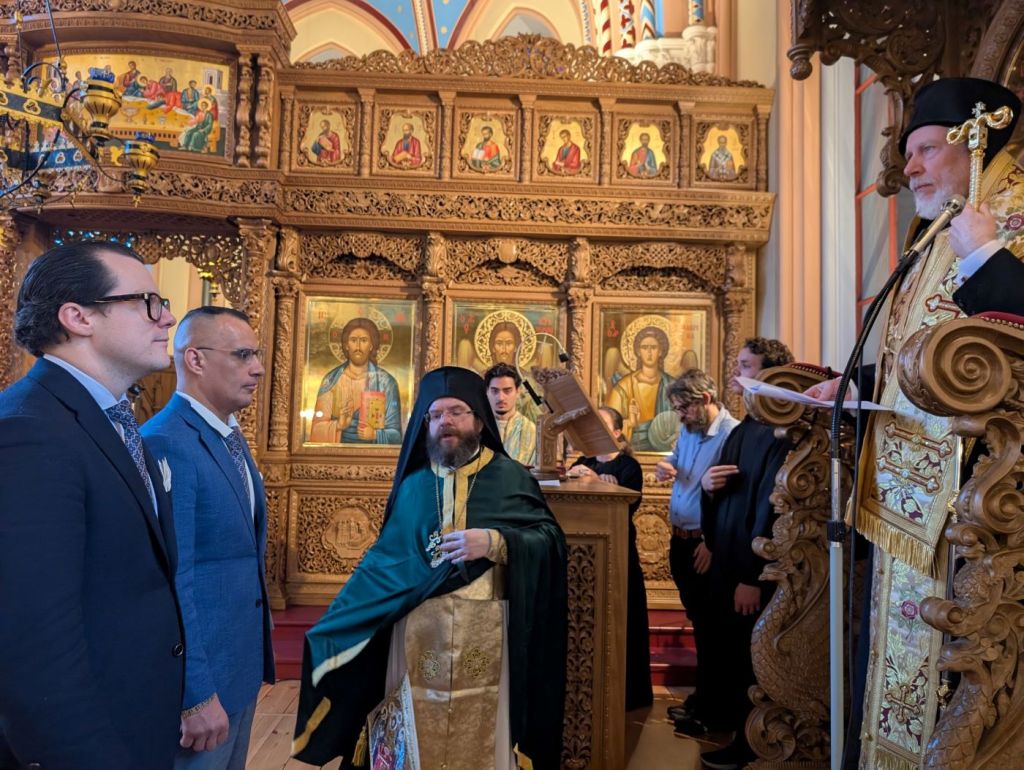
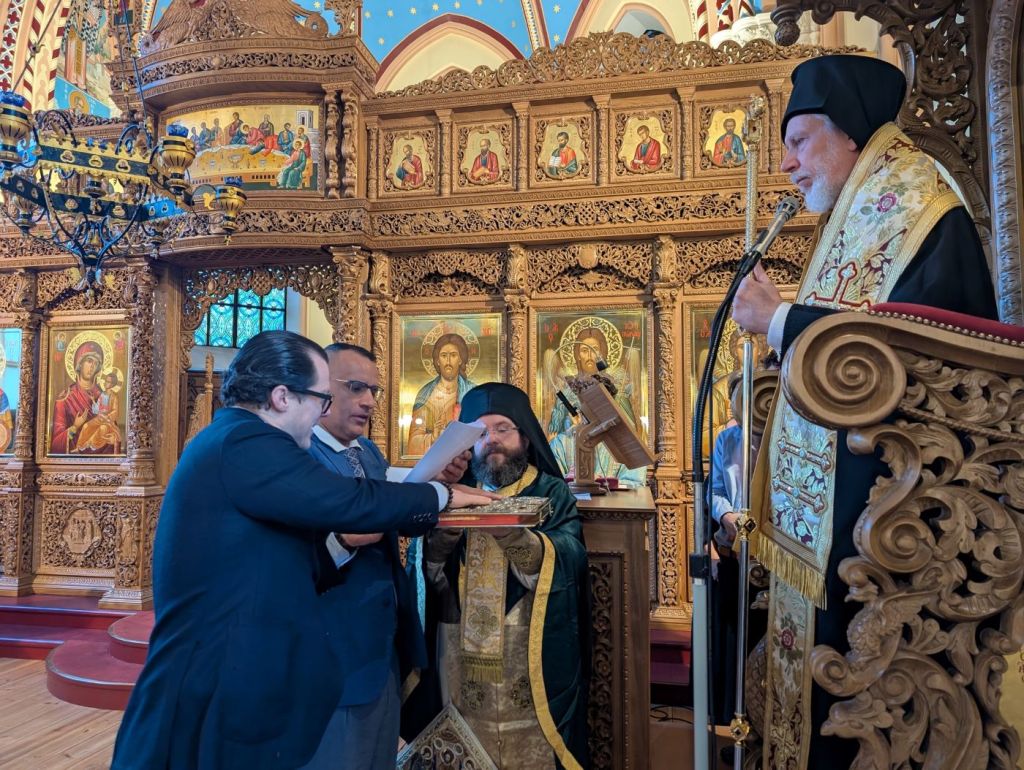
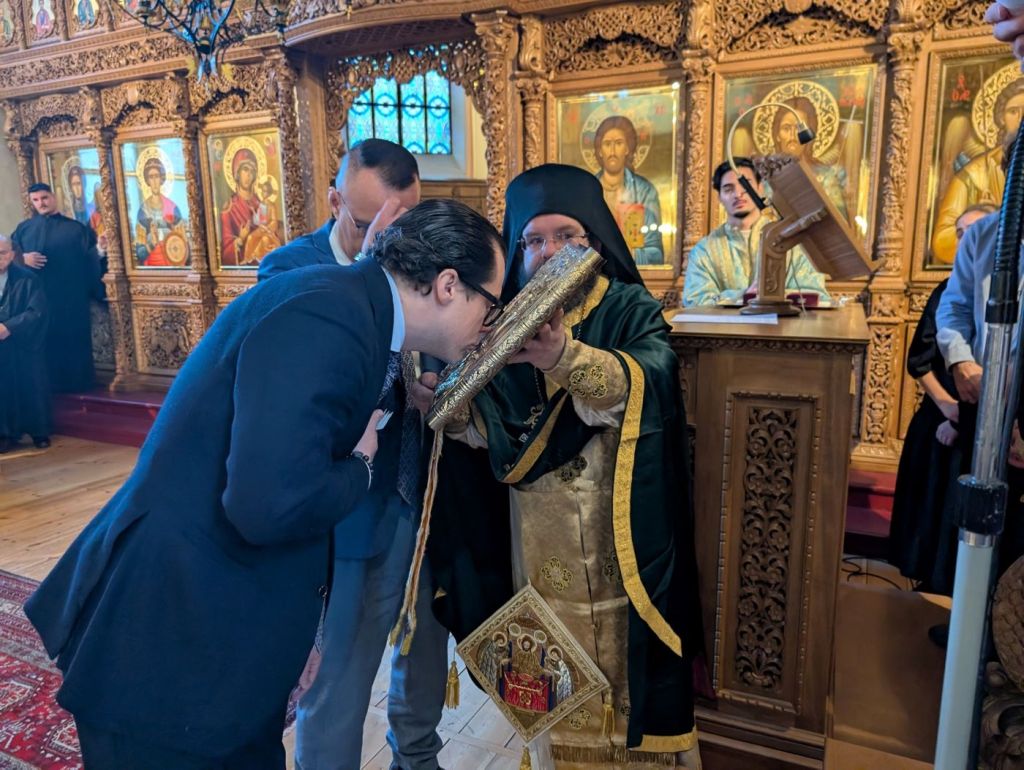
Ο Πατριάρχης μας ασμένως ανταποκρίθηκε και κατ’ ιδίαν Πατριαρχικήν προαίρεσιν και φιλοτιμίαν, απονέμει σήμερα δι’ εμού, εις μεν τον κ. Ραφαήλ Poumeyrau το οφφίκιον του Άρχοντος Νομοφύλακος, εις δε τον κ. Fredrik Styrlander το οφφίκιον του Άρχοντος Εκδίκου, με τα αντίστοιχα Πατριαρχικά Πιττάκια και διακριτικά.
Το οφφίκιον του Νομοφύλακος ανάγεται στη Βυζαντική Αυτοκρατορία από τον 12ο αιώνα, ώστε να υφίσταται εκκλησιαστικός νομοφύλαξ, παράλληλα με τον κοσμικό, αποδίδεται δε από την Μητέρα Εκκλησία στους νομομαθείς και τους συμβούλους των Ιερών Μητροπόλεων, υπερασπίζοντας τα δίκαια της Εκκλησίας.
Όσον αφορά στο οφφίκιο του Άρχοντος Εκδίκου, απονέμεται και αυτό σε νομικούς και στελέχη με προσφορά προς την Εκκλησία, η δε σχέση του ενός οφφικίου με το άλλο, ανάγεται στο γεγονός ότι ο μεν Νομοφύλαξ διασφαλίζει τον νόμο, ο δε Έκδικος υπερασπίζεται τον νόμο.
Είναι η πρώτη φορά που απονέμεται αυτού του είδους η διάκριση στα έτη της Ποιμαντορίας μου, όμως θεωρώ ότι και τα δύο αυτά πρόσωπα αξίζουν αυτής και φυσικά είναι το ελάχιστο δείγμα ευχαριστίας και ευγνωμοσύνης στην ανεκτίμητη προσφορά και αφοσίωσή τους.
Εύχομαι ο Θεός, δια πρεσβειών του Αγίου Γεωργίου, να τους καταστέφει, μαζί με τις Θεοπειθείς Πατριαρχικές ευχές και ευλογίες του Οικουμενικού Πατριάρχου, και να τους χαρίζει υγεία και κάθε εφετό και καταθύμιο! Άξιοι!
+ Ο Μητροπολίτης Σουηδίας και πάσης Σκανδιναυΐας Κλεόπας










 Ελληνική Ορθόδοξη Ενορία Αγίου Ανδρέα Μάλμε