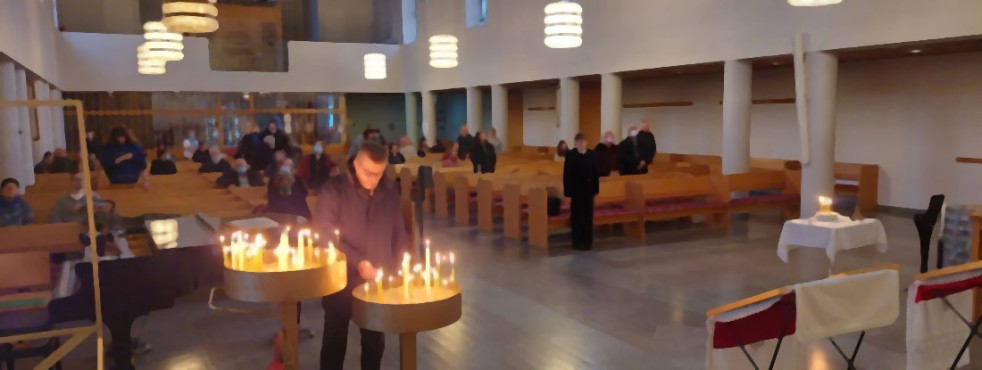
Θα τελεστεί Θεία Λειτουργία το Σάββατο στις 21 Μαρτίου στις 10 η ώρα, στο Malmö στην Mariakyrkan.
Gudomlig liturgi kommer att genomföras lördagen den 21 march kl 10:00 i S:ta Maria kyrka, Södervärnsgatan 8, Malmö.
Ελληνική Ορθόδοξη Ενορία Αγίου Ανδρέα Μάλμε
Greek Orthodox Parish of Saint Andreas Malmo – S:t Andreas Greek Ortodoxa Församling Malmö
Θα τελεστεί Θεία Λειτουργία το Σάββατο στις 21 Μαρτίου στις 10 η ώρα, στο Malmö στην Mariakyrkan.
Gudomlig liturgi kommer att genomföras lördagen den 21 march kl 10:00 i S:ta Maria kyrka, Södervärnsgatan 8, Malmö.
St. George Cathedral of Stockholm
Thursday, February 19, 2026
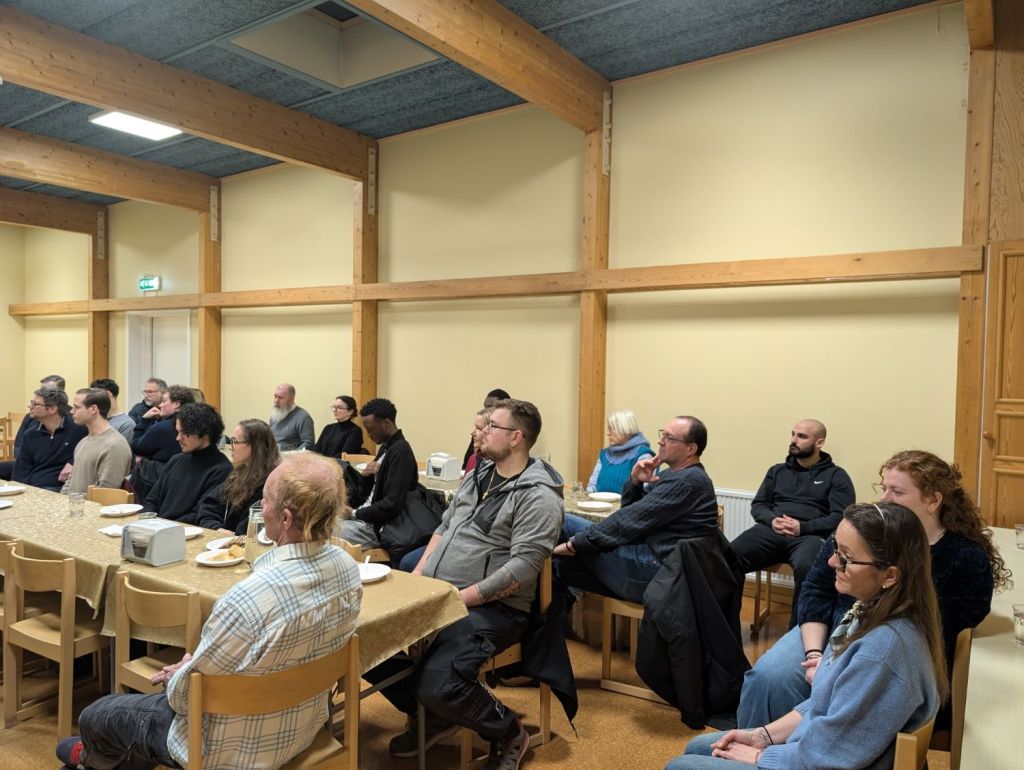
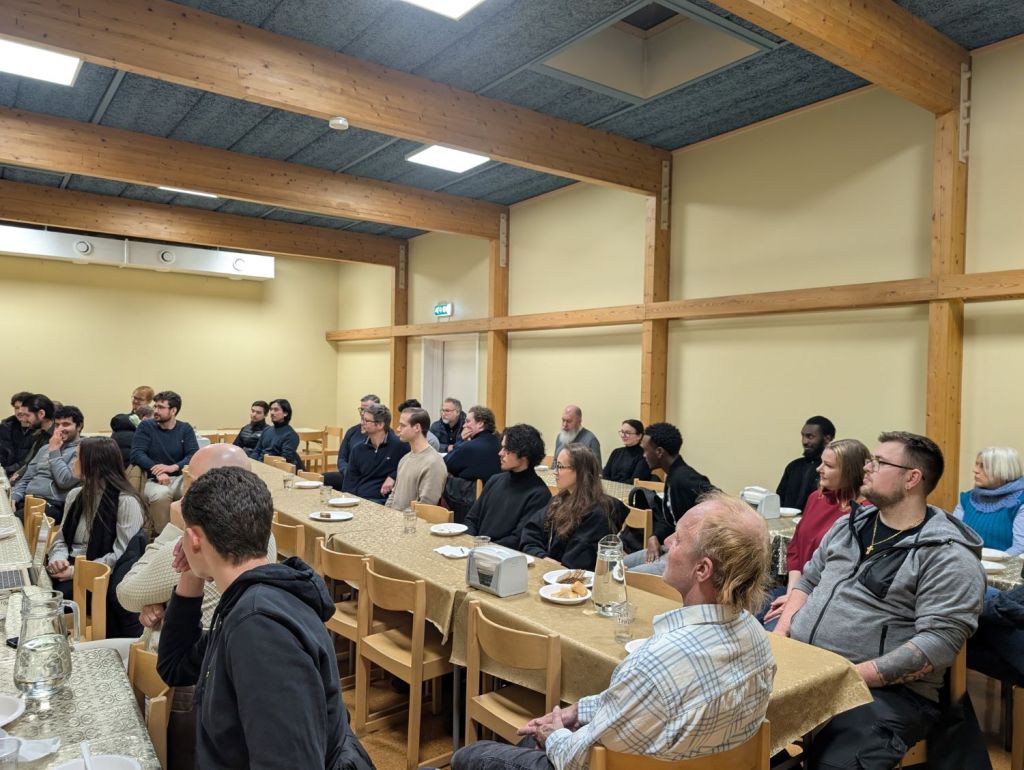
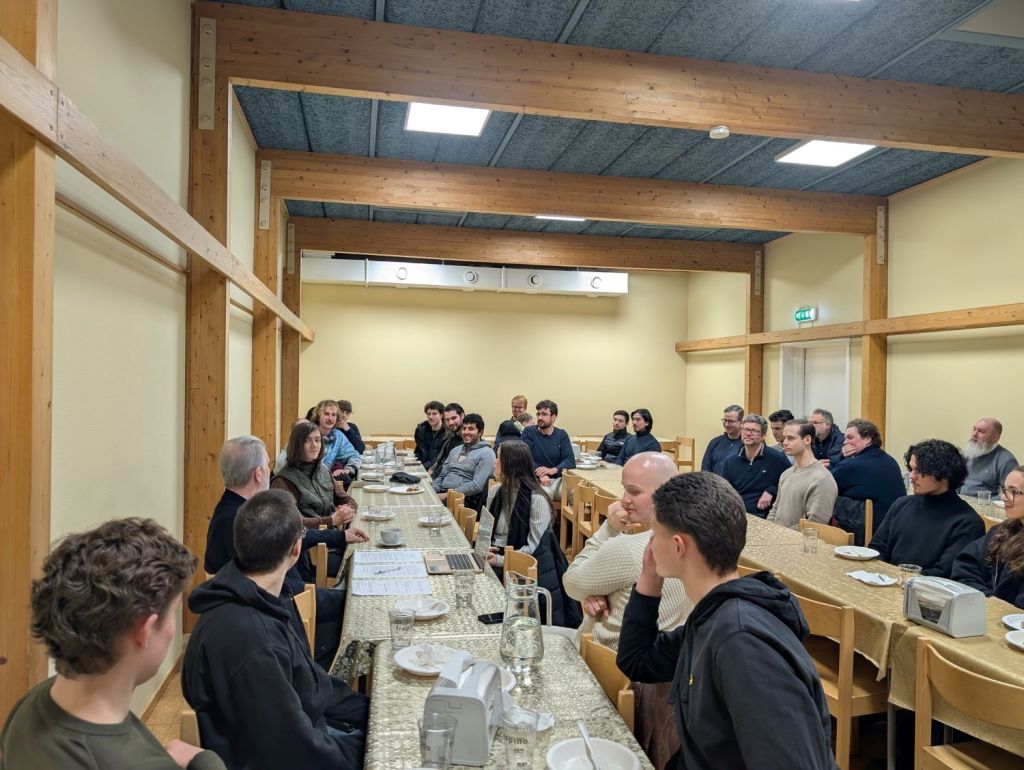
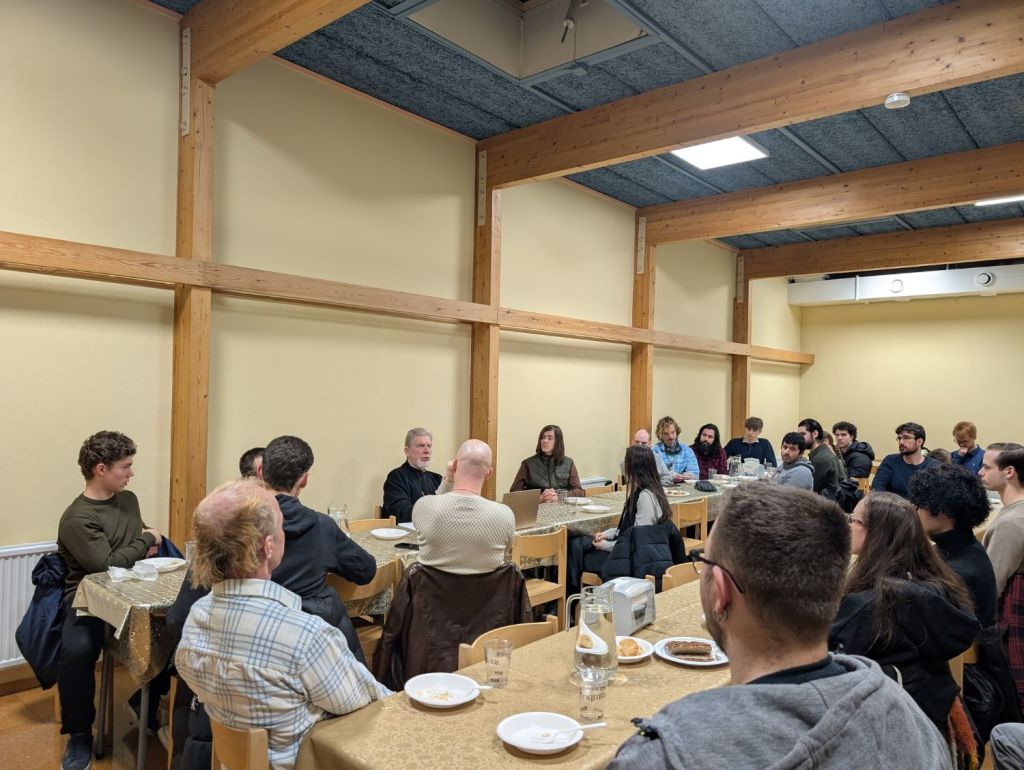
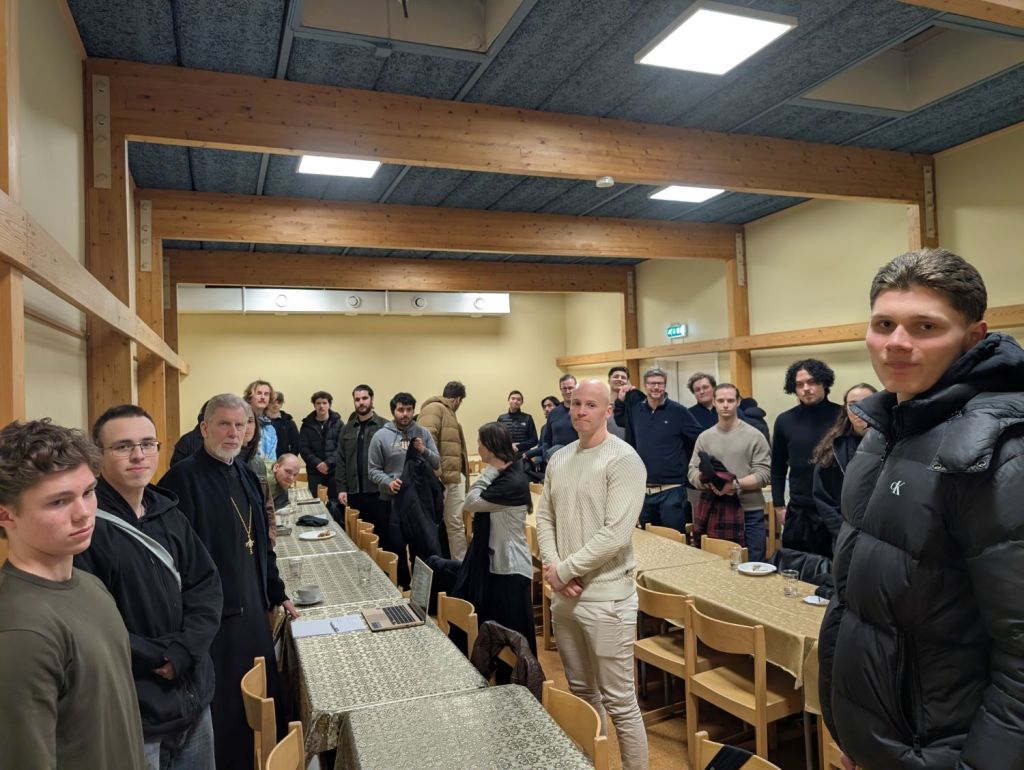
Topic: From Triodion to Holy Week and Easter:
A Journey of Repentance and Theosis
The liturgical journey of the Orthodox Church from the Triodion to Great Lent, through Holy Week, and culminating in the radiant and life-giving Feast of Pascha/Easter, constitutes the most profound spiritual movement within the life of the Church.
This sacred period is not simply a remembrance of past events, nor merely a cycle of beautiful liturgical traditions. It is, rather, an existential and ontological journey, a path of restoration that leads the human person from alienation to communion, from fragmentation to wholeness, from death to life.
In the theology of the Church Fathers, salvation is not understood primarily in juridical or moral terms, but in ontological and therapeutic ones. Humanity’s fundamental tragedy is not simply that it has broken rules, but that it has become separated from the Source of life.
Saint Athanasios the Great expresses this truth with remarkable clarity when he writes, “The Word became man so that man might become god by grace.” In this brief yet inexhaustible statement, he reveals both the tragedy of the human condition and the glory of its restoration.
Humanity, created for communion with God, had fallen into corruption and death, but in Christ, human nature itself is restored, healed, and united once again with divine life.
This restoration is not imposed externally. It unfolds within the living experience of the Church, and above all, within her liturgical life. As Vladimir Lossky – a Russian Orthodox theologian exiled in Paris- reminds us, the Divine Liturgy is not a symbolic reenactment, but real participation in divine reality.
Through the liturgical journey of the Triodion and Great Lent, the faithful are not merely instructed; they are transformed.
The Church, with the wisdom of a loving mother and a skilled physician, begins this journey gently. The Triodion opens not with strict ascetic demands, but with a call to self-knowledge.
It begins with the Sunday of the Publican and the Pharisee, confronting us immediately with the fundamental spiritual condition that determines our relationship with God. The Pharisee represents the illusion of spiritual self-sufficiency, the tragic condition in which a person believes himself righteous and therefore no longer capable of repentance.
The Publican, by contrast, stands in the truth of his own brokenness. He does not justify himself. He does not compare himself with others. He simply says, “God, be merciful to me, a sinner.”
In these few words, the entire foundation of spiritual life is revealed. Saint Isaac the Syrian tells us that humility is the garment of divinity itself. It is not weakness, but truth. It is the recognition that life itself is a gift, and that apart from God, we cannot exist. Pride isolates the human person, enclosing him within himself. Humility restores openness, restoring the human person to communion with God.
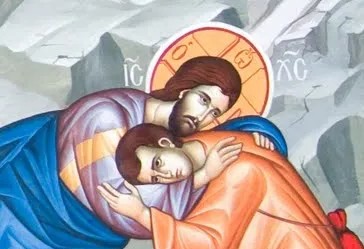
This movement deepens on the Sunday of the Prodigal Son, where the Church reveals the true nature of repentance. Repentance is not merely regret or moral correction; it is a return to the Father. The Prodigal Son does not simply acknowledge his error. He remembers his father’s house, and in remembering, he begins to return.
Saint Gregory of Nyssa teaches that sin is exile from true being, and repentance is the return to authentic existence. What is most striking in this parable is not the son’s repentance, but the father’s response. The father runs toward him. He does not wait for perfection. He receives him immediately, restoring him fully.
Here we encounter one of the most profound truths of Orthodox theology: that divine love precedes human repentance. Fr. Dumitru Staniloae -a Romanian Orthodox Priest and theologian- explains that repentance is possible only because divine love already surrounds and sustains the human person. We return because we are already loved.
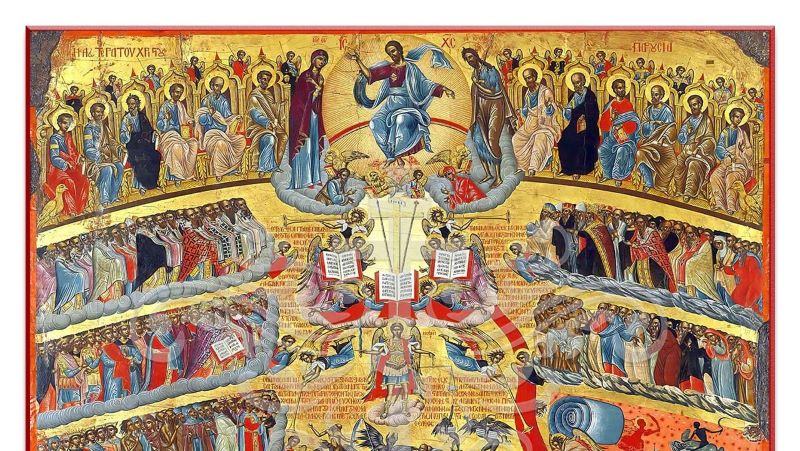
This revelation is followed by the Sunday of the Last Judgment, which reminds us that love is not merely an emotion, but the very criterion of existence. Christ tells us that we will be judged according to whether we have loved, whether we have recognized Him in the hungry, the stranger, the suffering.
Saint Maximus the Confessor explains that love is the natural state of the human soul, because humanity is created in the image of the God who is love. To refuse love is not merely to disobey a commandment, but to deny our own nature.
Forgiveness Sunday then brings us to the threshold of Great Lent by restoring communion. We ask forgiveness of one another, not as a formality, but as a necessity. For sin isolates, but forgiveness restores unity.
Saint Cyprian of Carthage reminds us that salvation is inseparable from life in the Church, because the Church is the place where communion is restored. Thus, Great Lent begins not with external discipline, but with restored relationship.
As we enter Great Lent itself, the Church intensifies the spiritual journey, guiding the faithful through purification, illumination, and union.
Saint Maximus the Confessor describes these as the stages through which the human person is restored. The ascetical practices of fasting, prayer, and repentance are not ends in themselves. They exist to free the human person from the tyranny of the passions, to restore the clarity of the mind, and to reopen the human heart to divine presence.
The services of Great Lent express this transformation with extraordinary depth. In the Great Compline, we encounter prayers of profound repentance and existential honesty.
The prayer of Saint Ephraim the Syrian diagnoses the deepest spiritual disorders of the human condition: sloth, despair, lust for power, and idle talk. These are not simply moral failures; they are manifestations of a deeper fragmentation within the human person. Through repentance, this fragmentation is healed.
The Divine Liturgy of the Presanctified Gifts sustains the faithful in this struggle by offering participation in the Eucharistic life of Christ.
Saint Nicholas Cabasilas teaches that in the Eucharist, Christ unites His life to ours, transforming our mortal existence into immortal life.
Metropolitan Kallistos Ware reminds us that the Eucharist is not merely symbolic nourishment, but the medicine of immortality.
The Sundays of Great Lent then guide us progressively toward restoration. On the Sunday of Orthodoxy, the Church celebrates the restoration of icons, affirming that in Christ, God has become visible.
Saint John of Damascus explains that because the Word became flesh, matter itself becomes capable of revealing divine glory. The restoration of icons reflects the restoration of human vision, the recovery of our ability to perceive God.
On the Sunday of Saint Gregory Palamas, we are reminded that God is not distant or inaccessible. Through His uncreated energies, He makes Himself truly present.
As Lossky explains, the distinction between essence and energies preserves both divine transcendence and divine intimacy. God remains beyond comprehension, yet truly communicable.
At the midpoint of Great Lent, the Cross is lifted before us. The Cross reveals that salvation comes not through domination, but through sacrificial love.
Saint Gregory the Theologian teaches that Christ conquers death not by avoiding it, but by entering it and destroying it from within.
Saint John Climacus then reminds us that spiritual life is an ascent, requiring perseverance and cooperation with grace.
Saint Mary of Egypt reveals that no depth of sin can prevent the possibility of transformation. Her life stands as living testimony to the limitless power of repentance.
Finally, Holy Week brings us face to face with the mystery of Christ’s Passion. In His suffering and death, Christ enters fully into the depths of human existence.
Saint Maximus the Confessor explains that Christ assumes every dimension of human nature in order to heal it completely.
And then, in the darkness of Easter night, everything changes. Christ rises from the dead. Death, which had defined human existence since the Fall, is destroyed.
Saint John Chrysostom proclaims triumphantly, “Christ is risen, and death is overthrown.” The Resurrection is not simply an event in the past. It is the restoration of human nature itself.
As the late Metropolitan John (Zizioulas) of Pergamon explains, the Resurrection restores true personhood, freeing humanity from the limitations of biological existence and restoring it to eternal communion with God.
This is the ultimate purpose of the journey we have undertaken. The Triodion, Great Lent, and Holy Week do not exist merely to prepare us to celebrate Pascha as an external feast. They exist to prepare us to become participants in the Resurrection itself.
Saint Symeon the New Theologian expresses this with remarkable boldness when he writes that the Resurrection of Christ occurs within each believer.
This is the true meaning of the Christian life. Not simply to believe in Christ, but to be united with Him. Not simply to commemorate His Resurrection, but to participate in it.
This is the invitation extended to us through the sacred journey of the Triodion, Great Lent, and Easter. An invitation to repentance, to healing, to life, and ultimately, an invitation to become, by grace, what Christ is by nature. In Him, humanity is restored and deified!
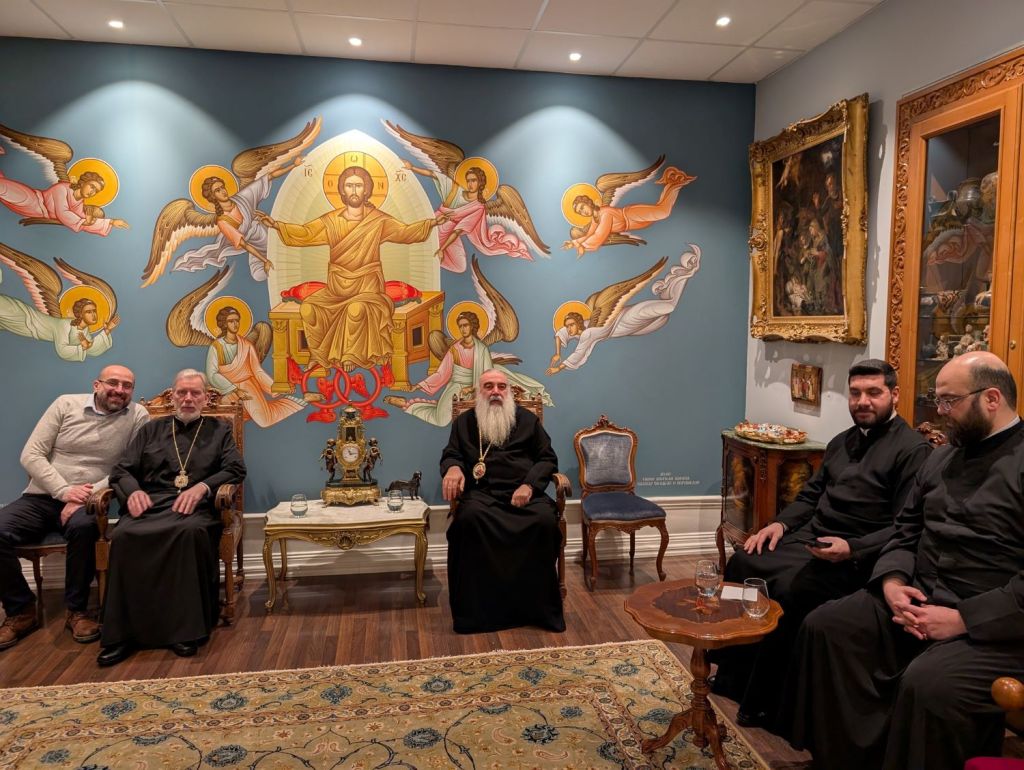
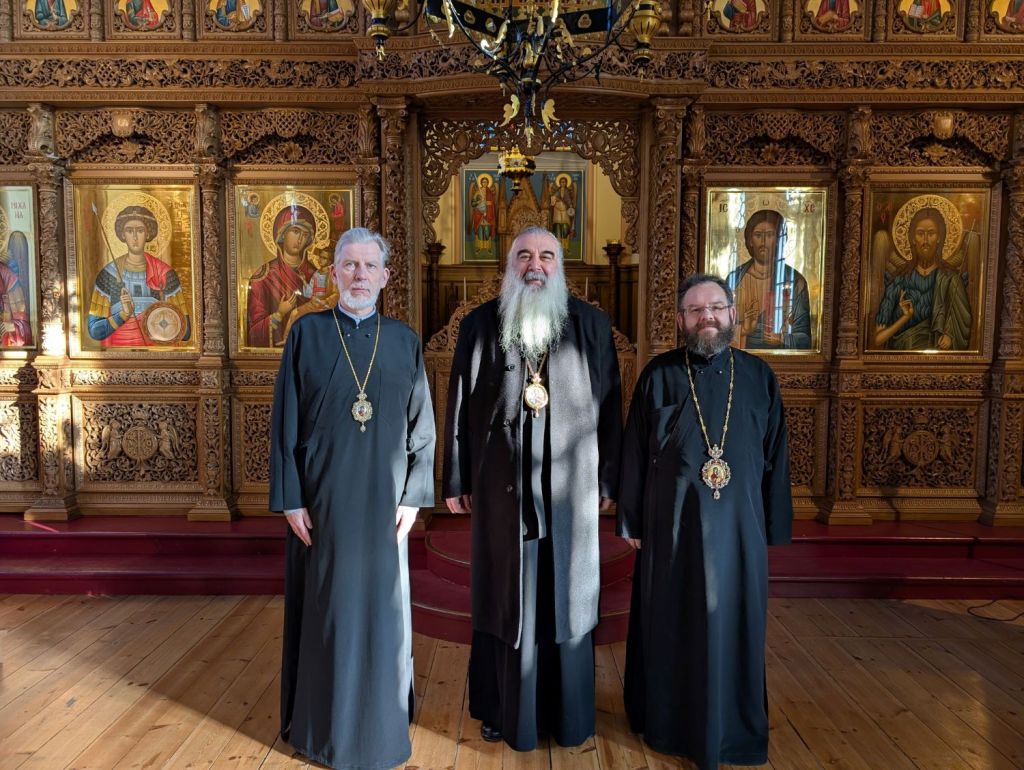
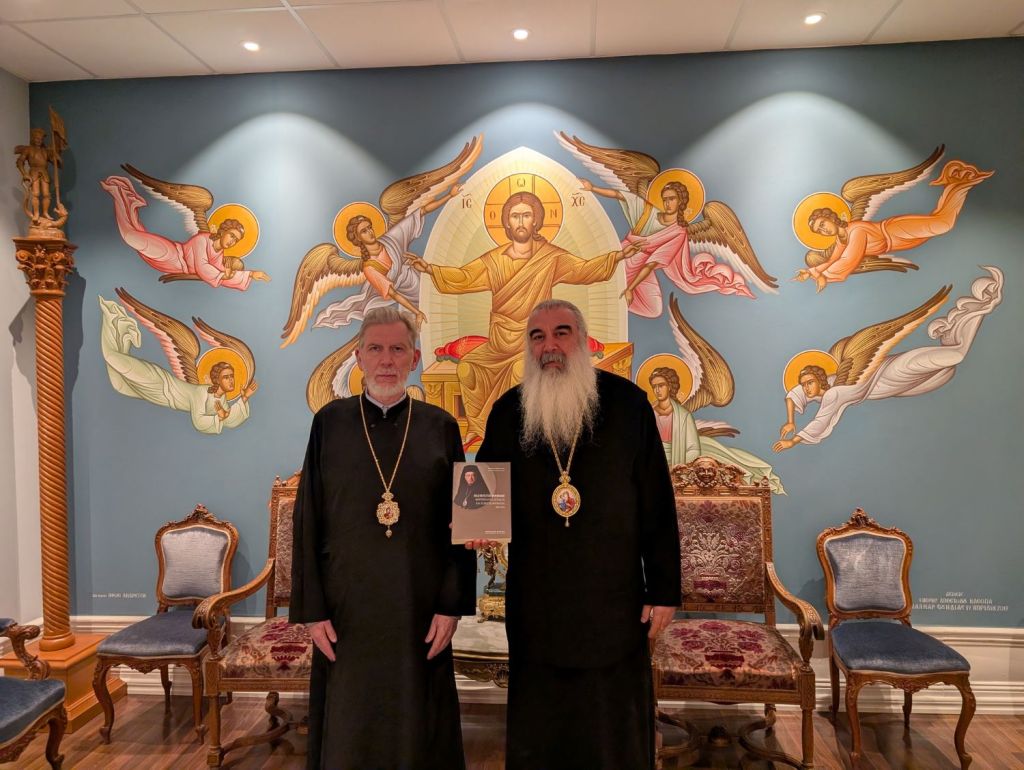
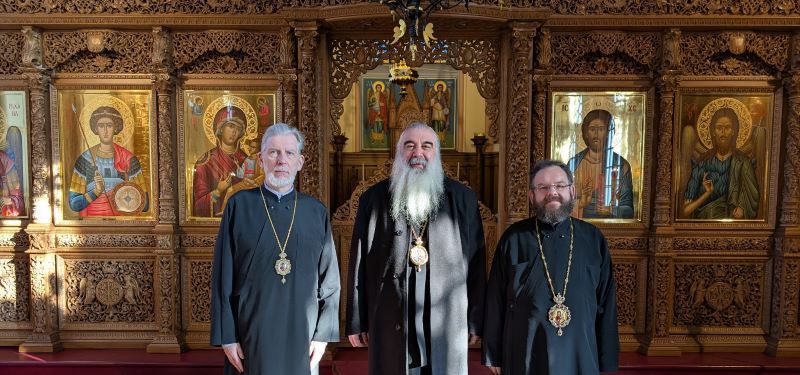
Επίσκεψη του Σεβ. Μητροπολίτου Λαοδικείας, του Πατριαρχείου Αντιοχείας, μετά της συνοδείας του, στον Σεβ. Μητροπολίτη Σουηδίας κ. Κλεόπα, την 16η Φεβρουαρίου 2026.
Καθεδρικός Ναός Αγίου Γεωργίου Στοκχόλμης
Κυριακή, 15 Φεβρουαρίου 2026
Θεοφιλέστατε,
Αιδεσιμολογιώτατε π. Γεώργιε,
Μουσικολογιώτατοι,
Αγαπητοί εν Χριστώ Αδελφοί,
Αγαπημένα μας παιδιά,
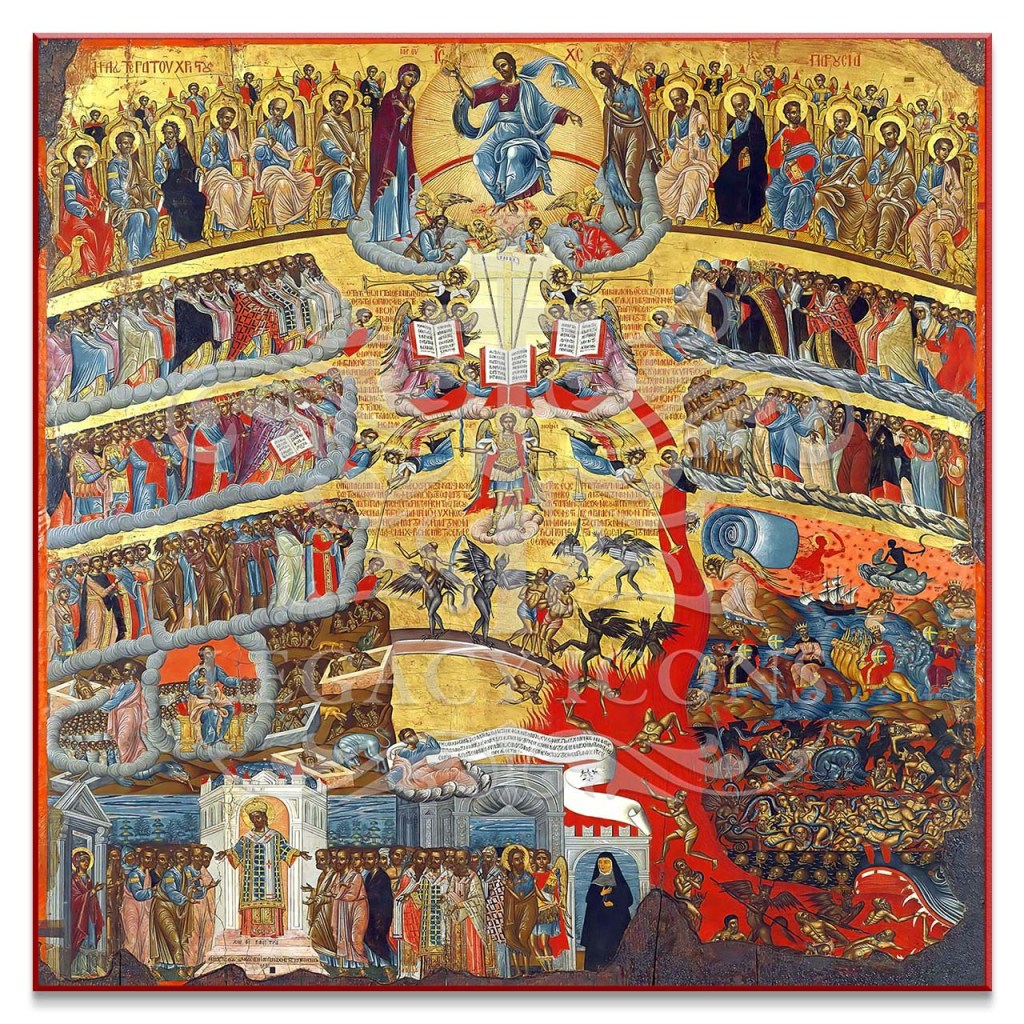
Η σημερινή Κυριακή των Απόκρεω μάς εισάγει στην πνευματική πορεία προς την Μεγάλη Τεσσαρακοστή. Η Εκκλησία προβάλλει ενώπιόν μας την παραβολή της Τελικής Κρίσεως (Ματθ. 25, 31-46), για να μάς αφυπνίσει και να μάς οδηγήσει στην μετάνοια.
Ο Χριστός παρουσιάζεται ως ο Δίκαιος Κριτής, αλλά και ως ο Φιλάνθρωπος Θεός, που ταυτίζεται με κάθε πονεμένο άνθρωπο: «ἐφ’ ὅσον ἐποιήσατε ἑνί τούτων τῶν ἀδελφῶν μου τῶν ἐλαχίστων, ἐμοί ἐποιήσατε». Η κρίση, λοιπόν, θα γίνει με βάση την έμπρακτη αγάπη.
Ο Άγιος Ιωάννης ο Χρυσόστομος τονίζει ότι ο Χριστός δεν ζητά από εμάς κατορθώματα υπεράνθρωπα, αλλά καρδιά ελεήμονα. Λέγει ότι τίποτε δεν μοιάζει τόσο με τον Θεό όσο η ελεημοσύνη, διότι ο Θεός είναι αγάπη και όποιος αγαπά πραγματικά, ήδη ζει την παρουσία Του.
Η αγάπη όμως δεν είναι συναίσθημα στιγμής. Είναι στάση ζωής, θυσία, έξοδος από τον εαυτό μας. Η Εκκλησία μάς καλεί να δούμε τον άλλον, όχι ως ξένο, αλλά ως εικόνα Χριστού.
Ο Μέγας Βασίλειος ελέγχει αυστηρά την αδιαφορία λέγοντας πως το ψωμί που περισσεύει, ανήκει στον πεινασμένο, και το ρούχο που δεν χρησιμοποιούμε, ανήκει σε εκείνον που κρυώνει. Με τα λόγια του μας θυμίζει ότι η χριστιανική ζωή δεν είναι ατομική υπόθεση αλλά κοινωνία αγάπης.
Η σημερινή ευαγγελική περικοπή δεν περιγράφει μόνο ένα γεγονός του μέλλοντος. Η κρίση αρχίζει ήδη μέσα στην καθημερινότητά μας. Κάθε φορά που αγαπάμε ή αδιαφορούμε, χτίζουμε την αιώνια σχέση μας με τον Θεό.
Ο Άγιος Μάξιμος ο Ομολογητής διδάσκει ότι ο άνθρωπος σώζεται όταν ενώνει την πίστη με την πράξη της αγάπης. Δεν αρκεί να γνωρίζουμε το καλό· καλούμαστε να το ζούμε.
Δεν είναι τυχαίο ότι η Εκκλησία τοποθετεί την σημερινή ευαγγελική διήγηση λίγο πριν από τη νηστεία. Η νηστεία χωρίς αγάπη γίνεται απλή διατροφή. Η προσευχή χωρίς συγχώρηση γίνεται κενό σχήμα.
Με ευκαιρία τη σημερινή περικοπή του Ευαγγελίου, ας αναρωτηθούμε κι εμείς, ποιόν άνθρωπο δίπλα μας αγνοούμε, ποιόν μπορούμε να παρηγορήσουμε ή ακόμα, πού μπορούμε να προσφέρουμε στήριξη; Η σωτηρία δεν είναι θεωρία, αλλά είναι η καθημερινή επιλογή της αγάπης.
Ας ζητήσουμε την χάρη του Κυρίου μας, ώστε, όταν Τον συναντήσουμε, να Τον αναγνωρίσουμε στο πρόσωπο κάθε ανθρώπου.
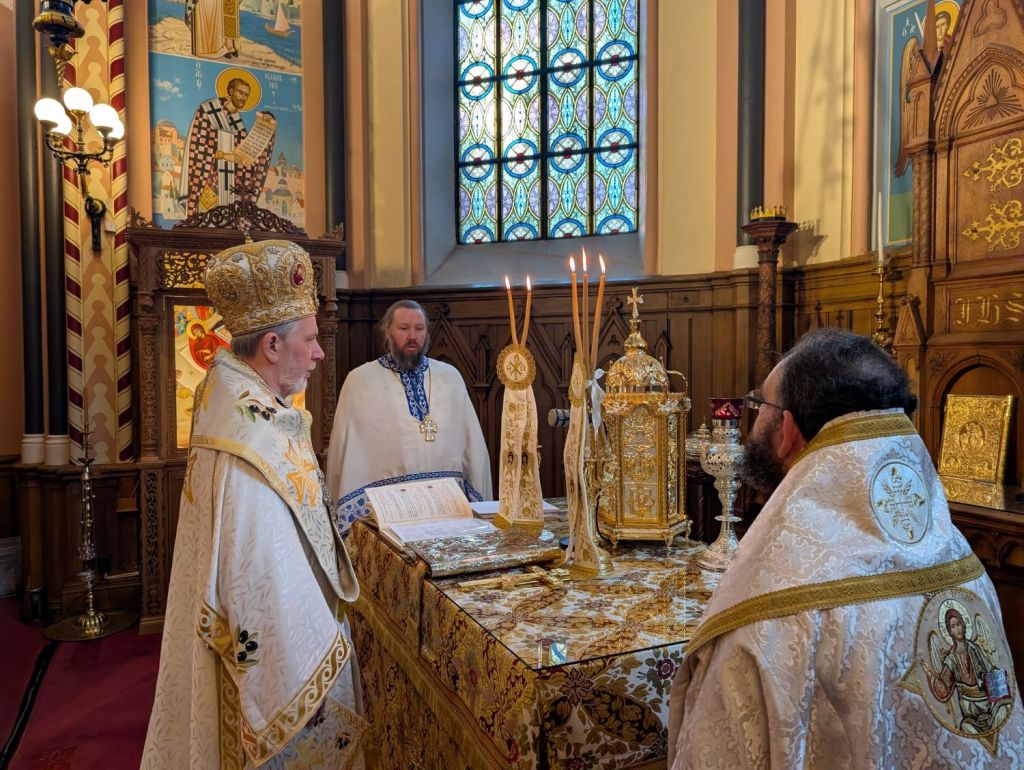
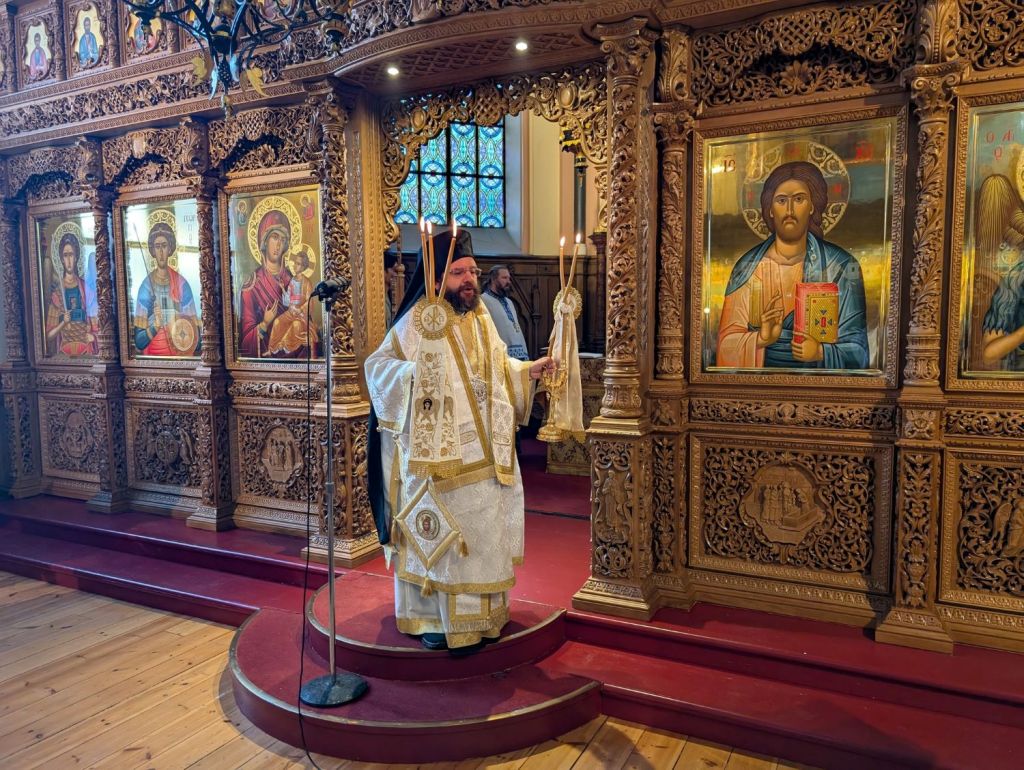
Στην σημερινή λατρευτική μας σύναξη, μαζί με την προσευχή μας για την ανάπαυση των ψυχών των οικείων μας εν τη πίστει, ενθυμούμαστε και τον σεπτό προκάτοχό μου, μακαριστό Μητροπολίτη πρώην Αμασείας κυρό Παύλο, καθώς συμπληρώνονται τέσσαρα έτη από την εκδημία του, και παρακαλούμε τον Αναστάντα εκ των νεκρών Κύριο να αναπαύσει την ψυχή του από τους κόπους της παρούσης ζωής, καθώς και για όσα επί 40 συναπτά έτη προσέφερε στην τοπική μας Εκκλησία και να παρεδράζεται στο ουράνιο θυσιαστήριο μετά των Αγίων και των Αγγέλων! Αμήν!
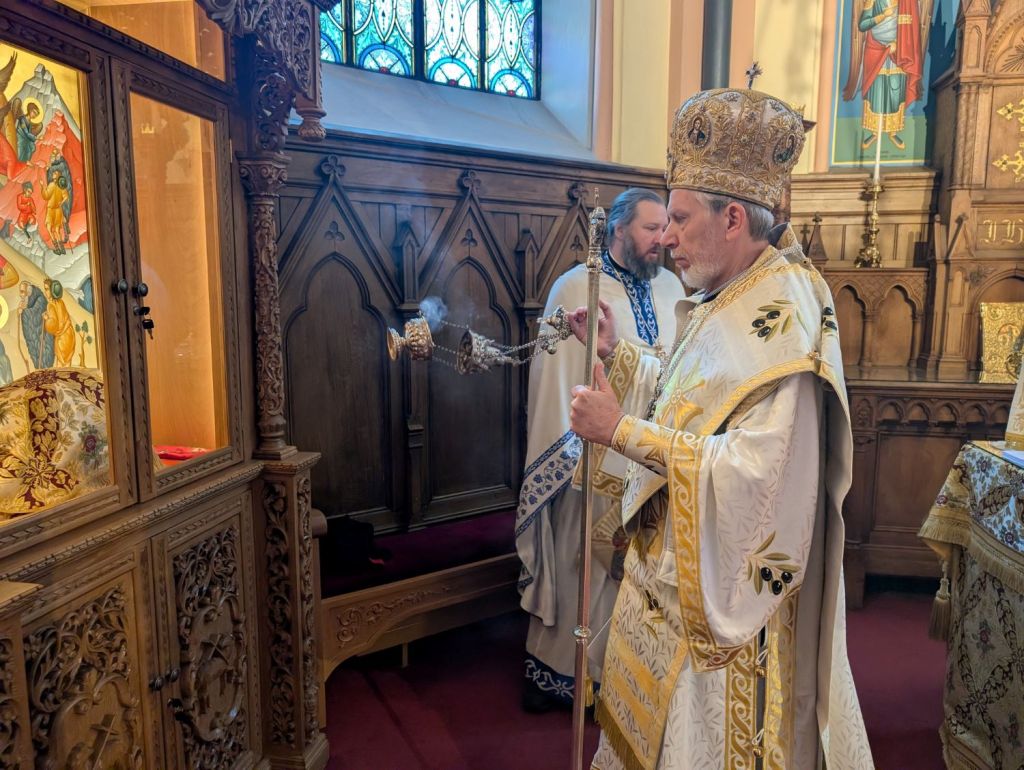
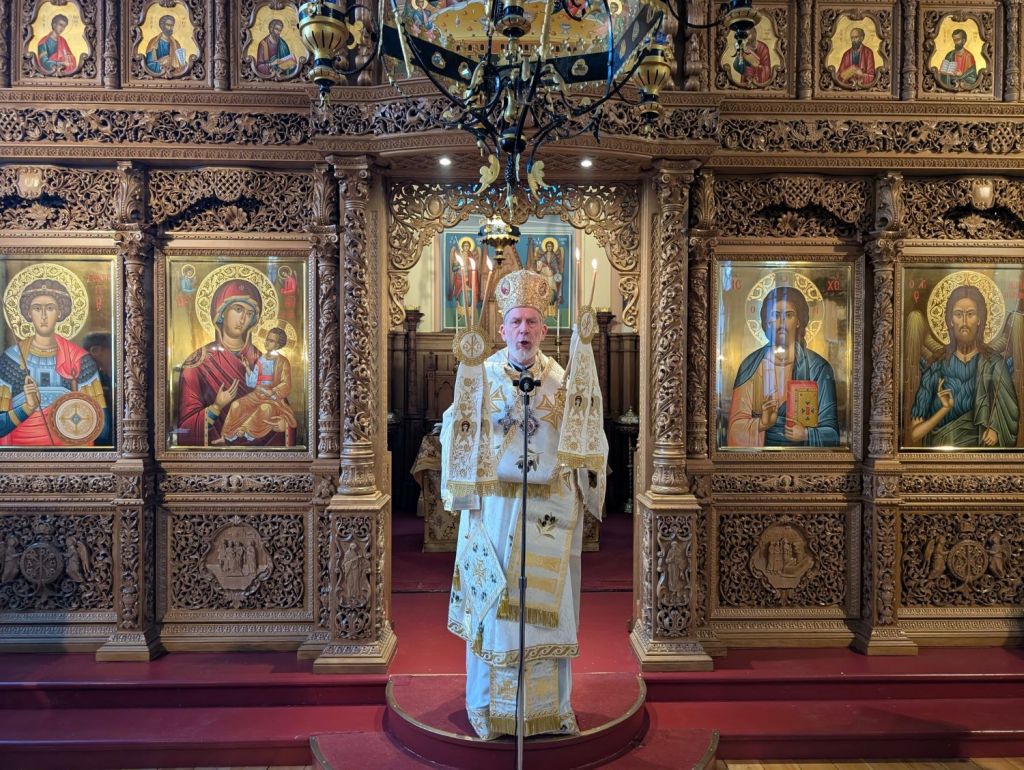
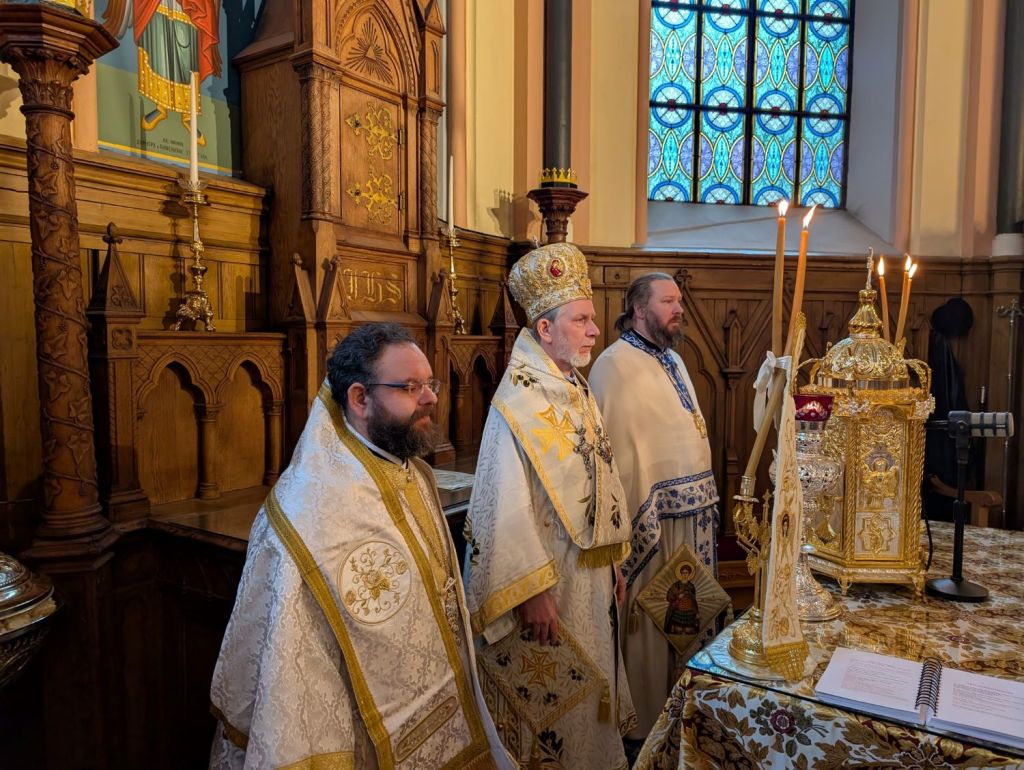
Του Σεβ. Μητροπολίτου Σουηδίας κ. Κλεόπα
Η παραβολή της Τελικής Κρίσεως, όπως παραδίδεται στο κατά Ματθαίον Ευαγγέλιο (25, 31-46), αποτελεί κορυφαίο εσχατολογικό κείμενο της Καινής Διαθήκης, στο οποίο ορίζεται με σαφήνεια το κριτήριο της σωτηρίας και της καταδίκης.
Ο Χριστός παρουσιάζεται ως ο Υιός του Ανθρώπου, ο οποίος θα έλθει «ἐν τῇ δόξῃ αὐτοῦ», για να κρίνει όλα τα έθνη. Το κριτήριο της κρίσεως δεν είναι ούτε η εξωτερική ευσέβεια, ούτε η γνώση, ούτε η κοινωνική θέση, αλλά η αγάπη που εκφράστηκε έμπρακτα προς τον συνάνθρωπο.
Το ιδιαίτερο χαρακτηριστικό της περικοπής είναι ότι η κρίση δεν βασίζεται σε δογματικές ομολογίες ή σε τελετουργικές πράξεις καθαυτές, αλλά στην έμπρακτη σχέση αγάπης προς τον «ἐλάχιστον ἀδελφόν».
Η περικοπή εντάσσεται στον εσχατολογικό λόγο του Χριστού και παρουσιάζει τον Υιό του Ανθρώπου ως παγκόσμιο κριτή. Η εικόνα του διαχωρισμού «ὥσπερ ὁ ποιμὴν ἀφορίζει τὰ πρόβατα ἀπὸ τῶν ἐρίφων» (Ματθ. 25, 32) έχει βαθιά συμβολική σημασία.
Το κριτήριο του διαχωρισμού δεν είναι η γνώση ή η καταγωγή, αλλά η έμπρακτη αγάπη: «ἐπείνασα καὶ ἐδώκατέ μοι φαγεῖν, ἐδίψησα καὶ ἐποτίσατέ με» (Ματθ. 25, 35).
Το κεντρικό θεολογικό σημείο του χωρίου βρίσκεται στην ταύτιση του Χριστού με τον πάσχοντα άνθρωπο: «ἐφ’ ὅσον ἐποιήσατε ἑνὶ τούτων τῶν ἐλαχίστων, ἐμοὶ ἐποιήσατε» (Ματθ. 25, 40).
Η φράση αυτή συνιστά θεμελιώδη έκφραση της χριστολογικής ανθρωπολογίας. Ο Χριστός δεν ταυτίζεται μεταφορικά με τον άνθρωπο, αλλά αποκαλύπτει μια οντολογική σχέση που εδράζεται στο γεγονός της ενανθρωπήσεως. Η ανθρώπινη φύση έχει προσληφθεί από τον Λόγο, και ως εκ τούτου, κάθε άνθρωπος φέρει τη δυνατότητα της σχέσης με τον Θεό.
Το ευαγγελικό αυτό μήνυμα βρίσκει μια βαθιά και συγκλονιστική ποιητική αντήχηση στο ποίημα του Ιάκωβου Καμπανέλλη, «Το ψωμί είναι στο τραπέζι», από τον δίσκο «Η γειτονιά των αγγέλων» (1964), σε μουσική του Μίκη Θεοδωράκη.
Το ποίημα αυτό, με την απλότητά του, αποκαλύπτει μια μεγάλη θεολογική αλήθεια, ότι ο Χριστός ταυτίζεται με τον πεινασμένο, τον διψασμένο, τον ξένο, ακόμη και με τον ληστή:
«Το ψωμί είναι στο τραπέζι.
Το νερό είναι στο σταμνί.
Το σταμνί στο σκαλοπάτι.
Δώσε του ληστή να πιει.
Το ψωμί είναι στο τραπέζι.
Το νερό είναι στο σταμνί.
Το σταμνί στο σκαλοπάτι.
Δώσε του Χριστού να πιει.
Δώσε μάνα του διαβάτη.
Του Χριστού και του ληστή.
Δώσε μάνα να χορτάσει.
Δωσ’ του αγάπη μου να πιει.»
Το ποίημα αναδεικνύει την ταύτιση του Χριστού με τον πάσχοντα άνθρωπο, αποτυπώνοντας με υπαρξιακή ένταση την Πατερική αντίληψη περί της παρουσίας του Θεού στον «ἕτερον».
Αυτό ακριβώς είναι το μυστήριο της Θείας συγκαταβάσεως. Ο Χριστός δεν αποκαλύπτεται μόνο στην δόξα Του, αλλά και στην ταπείνωση του πάσχοντος ανθρώπου.
Ο ληστής, ο ξένος, ο διαβάτης, είναι εικόνες του Χριστού. Η αγάπη προς αυτούς γίνεται αγάπη προς τον ίδιο τον Θεό.
Οι Πατέρες της Εκκλησίας προσέγγισαν την περικοπή, όχι μόνο ως ηθική διδασκαλία, αλλά ως αποκάλυψη της ίδιας της φύσεως της σωτηρίας.
Στην Ομιλία του στο κατά Ματθαίον Ευαγγέλιο, ο Άγιος Ιωάννης ο Χρυσόστομος επισημαίνει: «Οὐ γὰρ εἶπεν, ἐλεήσατε πτωχόν, ἀλλὰ, ἐλεήσατέ με· τοσοῦτον ἑαυτὸν ἐκεῖνοις συνήνωσε» (PG 58, 508).
Η διατύπωση αυτή αποκαλύπτει ότι η φιλανθρωπία δεν είναι εξωτερική πράξη ηθικής, αλλά μυστική κοινωνία με τον Χριστό.
Σε άλλη ομιλία του, τονίζει ότι η τιμή προς τον Χριστό δεν μπορεί να περιορίζεται στη λατρεία: «Μὴ τίμα αὐτὸν ἐνταῦθα ἐν τῷ ναῷ μετὰ μεταξωτῶν, ἔξωθεν δὲ αὐτὸν παραβλέπῃς ἀπολλύμενον» (PG 50, 508).
Η διδασκαλία αυτή συνδέει άμεσα την λειτουργική ζωή με την κοινωνική ευθύνη και αποκαλύπτει ότι η Θεία Λειτουργία συνεχίζεται και έξω από τον ναό, στην λειτουργία μετά την Θεία Λειτουργία, μέσα στην ζωή, μέσα στην σχέση με τον πάσχοντα αδελφό.
Ο Μέγας Βασίλειος, στην ομιλία του «Πρὸς τοὺς πλουτοῦντας», αναπτύσσει μια ριζοσπαστική θεολογία της ιδιοκτησίας και της κοινωνικής δικαιοσύνης: «Τοῦ πεινῶντος ἐστὶν ὁ ἄρτος ὃν σὺ κατέχεις» (PG 31, 276).
Η θέση αυτή ανατρέπει την ατομοκεντρική αντίληψη της ιδιοκτησίας και θεμελιώνει μια θεολογία της κοινωνικής ευθύνης. Η άρνηση της προσφοράς δεν είναι απλώς έλλειψη αρετής, αλλά μορφή αδικίας.
Δεν πρόκειται απλώς για μια προτροπή φιλανθρωπίας, αλλά για μια αποκάλυψη της δικαιοσύνης του Θεού. Αυτό που θεωρούμε δικό μας, στην πραγματικότητα μας έχει δοθεί για να το μοιραστούμε.
Στον Λόγο ΙΔ΄ (Περὶ φιλοπτωχίας), ο Άγιος Γρηγόριος ο Θεολόγος παρουσιάζει την φιλανθρωπία ως μίμηση του Θεού: «Γίνου θεὸς τῷ δυστυχοῦντι, μιμούμενος τὴν τοῦ Θεοῦ φιλανθρωπίαν» (PG 35, 892).
Η σωτηρία, συνεπώς, δεν είναι ατομικό γεγονός, αλλά γεγονός κοινωνίας. Όταν προσφέρουμε στον συνάνθρωπο, συμμετέχουμε στο ίδιο το έργο του Θεού.
Ο Άγιος Μάξιμος ο Ομολογητής, στα «Κεφάλαια περί αγάπης», υποστηρίζει ότι η αγάπη αποτελεί την φυσική κατάσταση του ανθρώπου: «Ὁ μὴ ἀγαπῶν τὸν ἀδελφόν, τὸν Θεὸν ἀγαπᾶν οὐ δύναται» (PG 90, 965).
Η αποκατάσταση του ανθρώπου συνίσταται στην αποκατάσταση της αγάπης προς τον άλλον. Η άρνηση της αγάπης οδηγεί στον υπαρξιακό κατακερματισμό, ενώ η αγάπη οδηγεί στην θέωση.
Το ποίημα του Καμπανέλλη εκφράζει την Πατερική θεολογία με τρόπο λιτό και συγκλονιστικό, παρουσιάζει δε την προσφορά ψωμιού και νερού ως υπαρξιακή πράξη αγάπης: «Το ψωμί είναι στο τραπέζι. … Δώσε του Χριστού να πιει. … Δώσε του ληστή να πιει».
Επίσης, η μορφή του «διαβάτη» αποτελεί εσχατολογικό σύμβολο. Ο άνθρωπος βρίσκεται σε κατάσταση πορείας και η ανταπόκριση ή η άρνηση της φιλοξενίας καθορίζει την υπαρξιακή και σωτηριολογική του προοπτική.
Η επαναλαμβανόμενη εικόνα του ψωμιού και του νερού έχει σαφή ευχαριστιακή διάσταση. Το ψωμί και το νερό δεν είναι απλώς υλικά αγαθά, αλλά σύμβολα ζωής και κοινωνίας. Η προσφορά τους αποτελεί πράξη κοινωνίας.
Η μορφή της μάνας στο ποίημα είναι, επίσης, βαθιά συμβολική. Είναι εκείνη που προσφέρει τροφή, νερό, αγάπη. Είναι εκείνη που δεν κάνει διάκριση μεταξύ Χριστού και ληστή.
Στην παραβολή της Τελικής Κρίσεως, οι δίκαιοι δεν γνωρίζουν ότι, δια της φιλανθρωπίας, υπηρετούν τον ίδιο τον Χριστό, γι᾽ αυτό και ερωτούν: «Κύριε, πότε σε είδαμε πεινασμένο;». Η αγάπη τους είναι αυθόρμητη, χωρίς ιδιοτέλεια. Δεν αγαπούν γι᾽ ανταμοιβή, αλλά επειδή η καρδιά τους έχει μεταμορφωθεί.
Το ίδιο πνεύμα εκφράζει και το ποίημα. Δεν λέει: «Δώσε για να σωθείς». Λέει απλώς: «Δώσε». Δώσε, γιατί ο άλλος διψά. Δώσε, γιατί ο άλλος πεινά. Δώσε, γιατί ο άλλος είναι κι αυτός άνθρωπος, τουτέστιν ο συνάνθρωπος!
Η περικοπή της Τελικής Κρίσεως, η Πατερική της ερμηνεία και το ποίημα του Καμπανέλλη συγκλίνουν στην ίδια θεολογική ανθρωπολογία. Ο άνθρωπος συναντά τον Θεό μέσα από τον συνάνθρωπο!
Το ψωμί στο τραπέζι και το νερό στο σταμνί αποτελούν σύμβολα της δυνατότητας κοινωνίας. Η σωτηρία δεν είναι αφηρημένη έννοια, αλλά πραγματοποιείται μέσα από την έμπρακτη αγάπη.
Η εσχατολογική Κρίση αποκαλύπτει, όχι απλώς τις πράξεις του ανθρώπου, αλλά την ποιότητα της σχέσης του με τον Θεό, η οποία πραγματώνεται στην σχέση με τον «ἐλάχιστον ἀδελφόν».
Έτσι, η θεολογία των Πατέρων και η ποίηση της νεότερης ελληνικής παράδοσης συναντώνται στην ίδια θεμελιώδη αλήθεια, ότι η αγάπη αποτελεί το οντολογικό και εσχατολογικό κριτήριο της ανθρώπινης ύπαρξης.
Ο Χριστός περνά καθημερινά μπροστά μας, με την μορφή του φτωχού, του ξένου, του πονεμένου, ακόμη και του «ληστή». Το ερώτημα είναι απλό και συγκλονιστικό: Θα δώσουμε; Θα μοιραστούμε;
By His Eminence Metropolitan Cleopas of Sweden
The parable of the Final Judgment, as it is handed down in the Gospel according to Matthew (25:31–46), constitutes a supreme eschatological text of the New Testament, in which the criterion of salvation and condemnation is clearly defined.
Christ is presented as the Son of Man, who will come “in His glory” to judge all nations. The criterion of judgment is neither external piety, nor knowledge, nor social status, but love expressed concretely toward one’s fellow human being.
The distinctive feature of this passage is that judgment is not based on doctrinal confessions or ritual acts in themselves, but on a lived relationship of love toward the “least brother.”
The passage belongs to Christ’s eschatological discourse and presents the Son of Man as the universal Judge. The image of separation “as the shepherd separates the sheep from the goats” (Matt. 25:32) has profound symbolic meaning.
The criterion of separation is not knowledge or origin, but concrete love: “I was hungry and you gave Me food, I was thirsty and you gave Me drink” (Matt. 25:35).
The central theological point of the passage lies in Christ’s identification with the suffering human being: “Inasmuch as you did it to one of the least of these, you did it to Me” (Matt. 25:40).
This phrase constitutes a fundamental expression of Christological anthropology. Christ does not identify with humanity metaphorically, but reveals an ontological relationship grounded in the fact of the Incarnation. Human nature has been assumed by the Logos, and therefore every human being bears the potential for relationship with God.
This evangelical message finds a deep and moving poetic resonance in the poem by Iakovos Kampanellis, «Το ψωμί είναι στο τραπέζι» (The bread is on the table), from the album «Η γειτονιά των αγγέλων» (The Neighborhood of Angels) (1964), with music by Mikis Theodorakis.
This poem, in its simplicity, reveals a great theological truth: that Christ is identified with the hungry, the thirsty, the stranger, and even the thief:
“The bread is on the table.
The water is in the jug.
The jug is on the step.
Give the thief something to drink.
The bread is on the table.
The water is in the jug.
The jug is on the step.
Give Christ something to drink.
Give, mother, to the traveler.
To Christ and to the thief.
Give, mother, so he may be filled.
Give him, my love, something to drink.”
The poem highlights Christ’s identification with the suffering human being, capturing with existential intensity the Patristic understanding of God’s presence in the “other.”
This is precisely the mystery of divine condescension. Christ is revealed not only in His glory, but also in the humility of the suffering human being.
The thief, the stranger, the traveler—these are images of Christ. Love toward them becomes love toward God Himself.
The Fathers of the Church approached this passage not merely as moral teaching, but as a revelation of the very nature of salvation.
In his Homily on the Gospel of Matthew, Saint John Chrysostom notes: “For He did not say, ‘You showed mercy to the poor,’ but ‘You showed mercy to Me’; so greatly did He unite Himself with them.” (PG 58, 508)
This formulation reveals that charity is not an external moral act, but a mystical communion with Christ.
In another homily, he emphasizes that honoring Christ cannot be limited to worship: “Do not honor Him here in the church with silken garments, while outside you neglect Him perishing.”
This teaching directly connects liturgical life with social responsibility and reveals that the Divine Liturgy continues outside the church—in the liturgy after the Liturgy—within life itself, within the relationship with the suffering brother and sister.
Saint Basil the Great, in his homily “To the Rich”, develops a radical theology of property and social justice: “The bread which you keep belongs to the hungry.” (PG 31, 276)
This position overturns the individualistic understanding of property and establishes a theology of social responsibility. Refusal to give is not merely a lack of virtue, but a form of injustice.
This is not simply an exhortation to charity, but a revelation of God’s justice. What we consider our own has, in reality, been given to us to share.
In Oration XIV “On Love for the Poor,” Saint Gregory the Theologian presents charity as imitation of God: “Become a god to the unfortunate, imitating God’s love for humanity” (PG 35, 892).
Salvation, therefore, is not an individual event, but an event of communion. When we offer to our fellow human beings, we participate in God’s own work.
Saint Maximus the Confessor, in his “Chapters on Love”, teaches that love constitutes the natural state of humanity: “He who does not love his brother cannot love God.” (PG 90, 965)
The restoration of the human person consists in the restoration of love toward the other. The refusal of love leads to existential fragmentation, while love leads to deification (theosis).
Kampanellis’ poem expresses Patristic theology in a simple yet powerful way and presents the offering of bread and water as an existential act of love: “The bread is on the table … Give Christ something to drink … Give the thief something to drink.”
The figure of the “traveler” also constitutes an eschatological symbol. The human being exists in a state of journey, and the response or refusal of hospitality determines his existential and soteriological destiny.
The repeated image of bread and water has a clear Eucharistic dimension. Bread and water are not merely material goods, but symbols of life and communion. Their offering constitutes an act of communion.
The figure of the mother in the poem is also deeply symbolic. She is the one who offers food, water, and love. She is the one who makes no distinction between Christ and the thief.
In the parable of the Final Judgment, the righteous do not know that through their charity they are serving Christ Himself, and therefore they ask: “Lord, when did we see You hungry?” Their love is spontaneous, without self-interest. They do not love for reward, but because their hearts have been transformed.
The poem expresses the same spirit. It does not say, “Give in order to be saved.” It simply says: “Give.” Give, because the other thirsts. Give, because the other hungers. Give, because the other is also human; that is, your fellow human being.
The passage of the Final Judgment, its Patristic interpretation, and Kampanellis’ poem converge in the same theological anthropology: the human being encounters God through the fellow human being.
The bread on the table and the water in the jug are symbols of the possibility of communion. Salvation is not an abstract concept, but is realized in concrete love.
The eschatological Judgment reveals not merely human actions, but the quality of the person’s relationship with God, which is fulfilled in relationship with the “least brother.”
Thus, the theology of the Fathers and the poetry of modern Greek tradition meet in the same fundamental truth: love constitutes the ontological and eschatological criterion of human existence.
Christ passes before us every day in the form of the poor, the stranger, the suffering, even the “thief.” The question is simple and profound: Will we give? Will we share?
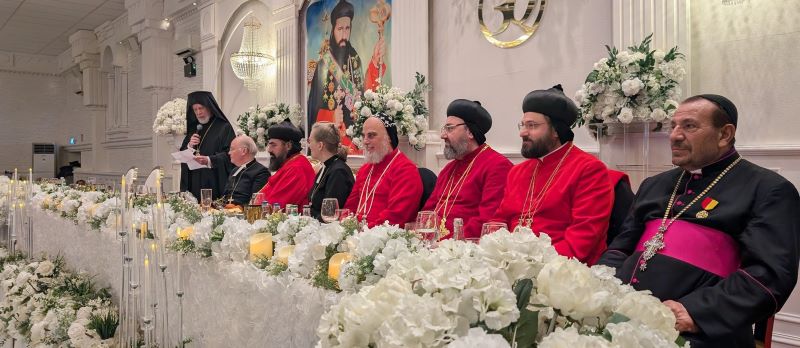
Syrian Aramean Cathedral of Saint Ephraim, Stockholm
Sunday, February 8th, 2026
Your Eminence Archbishop Benjamin,
Distinguished Guests,
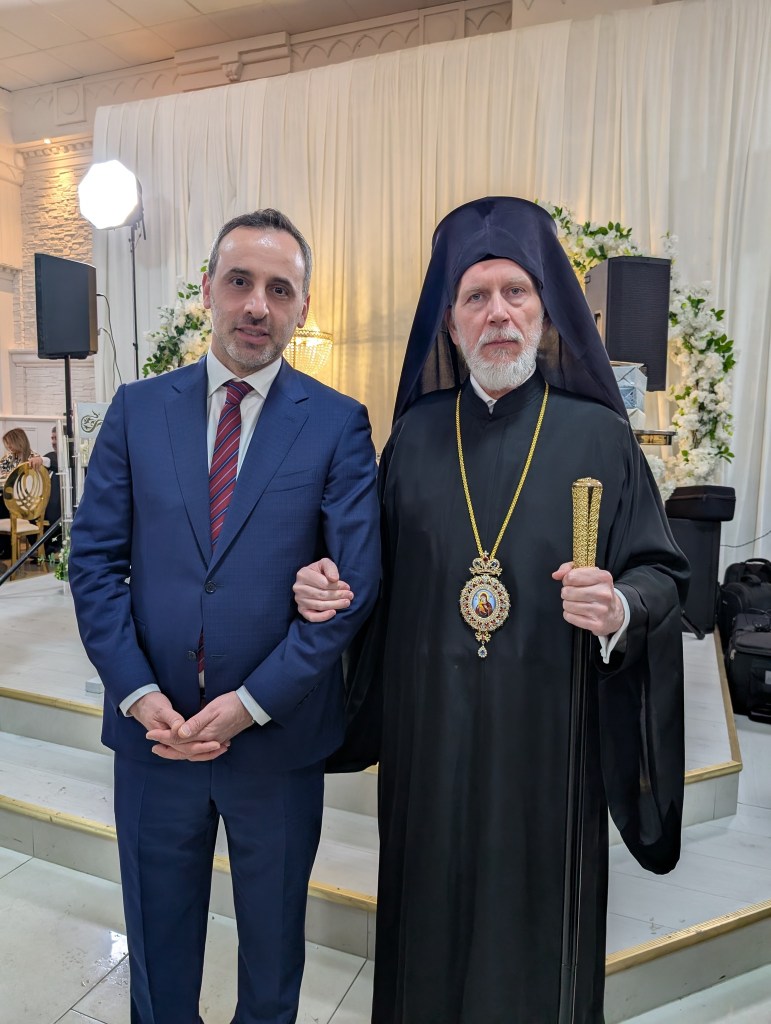
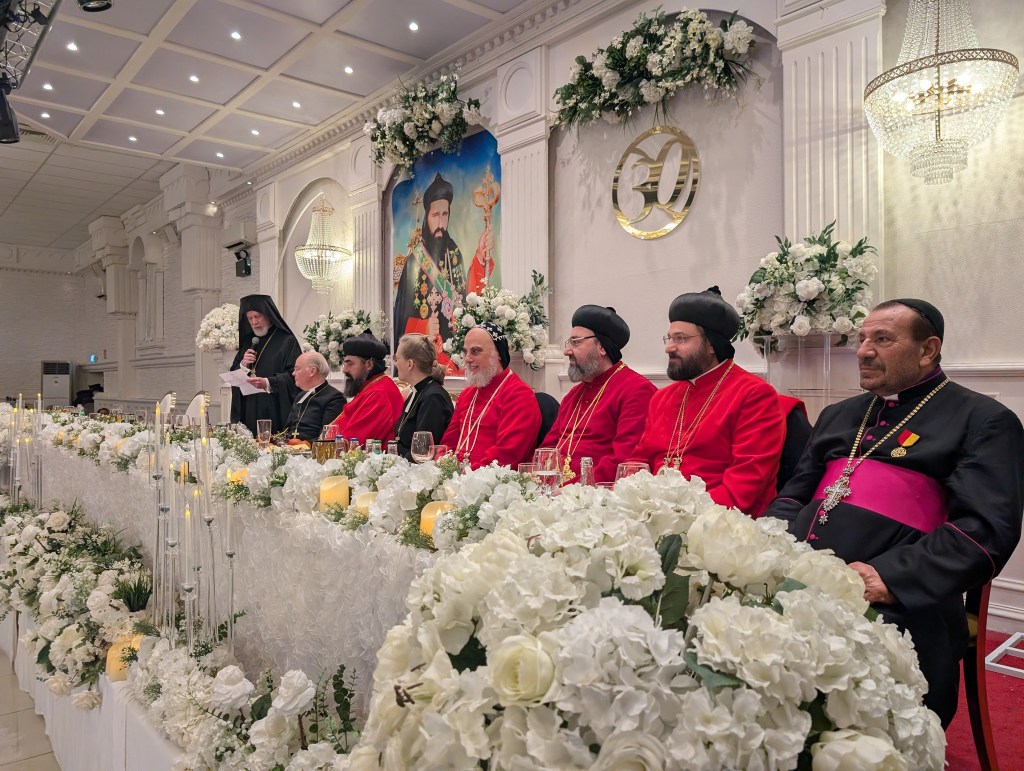
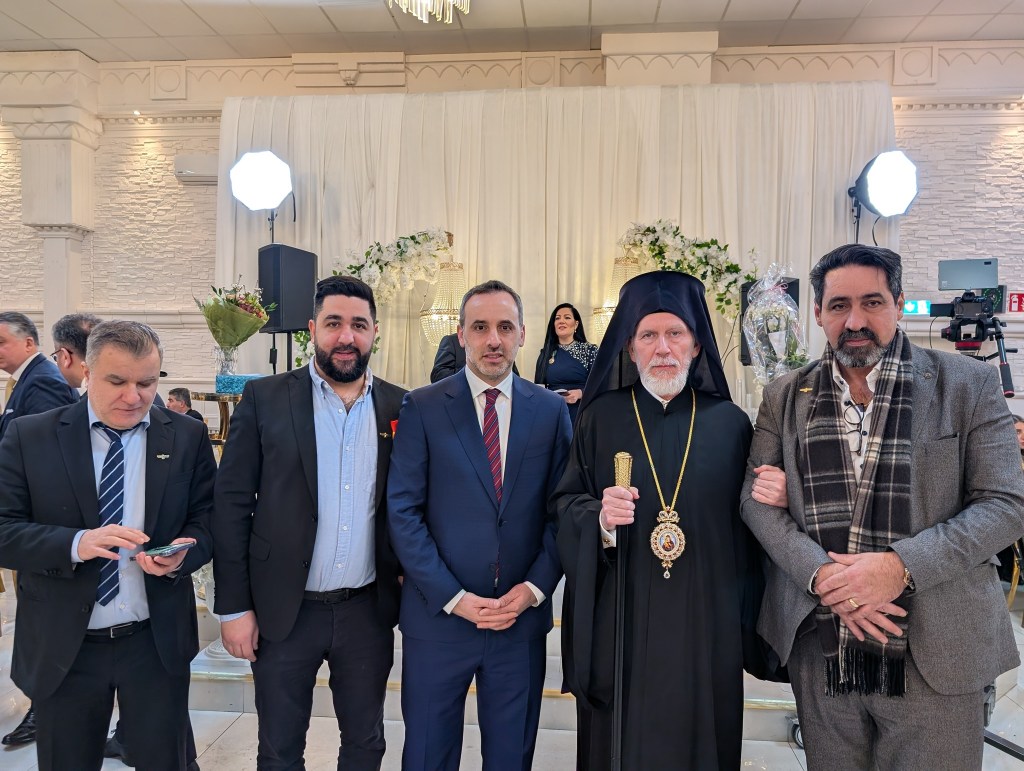
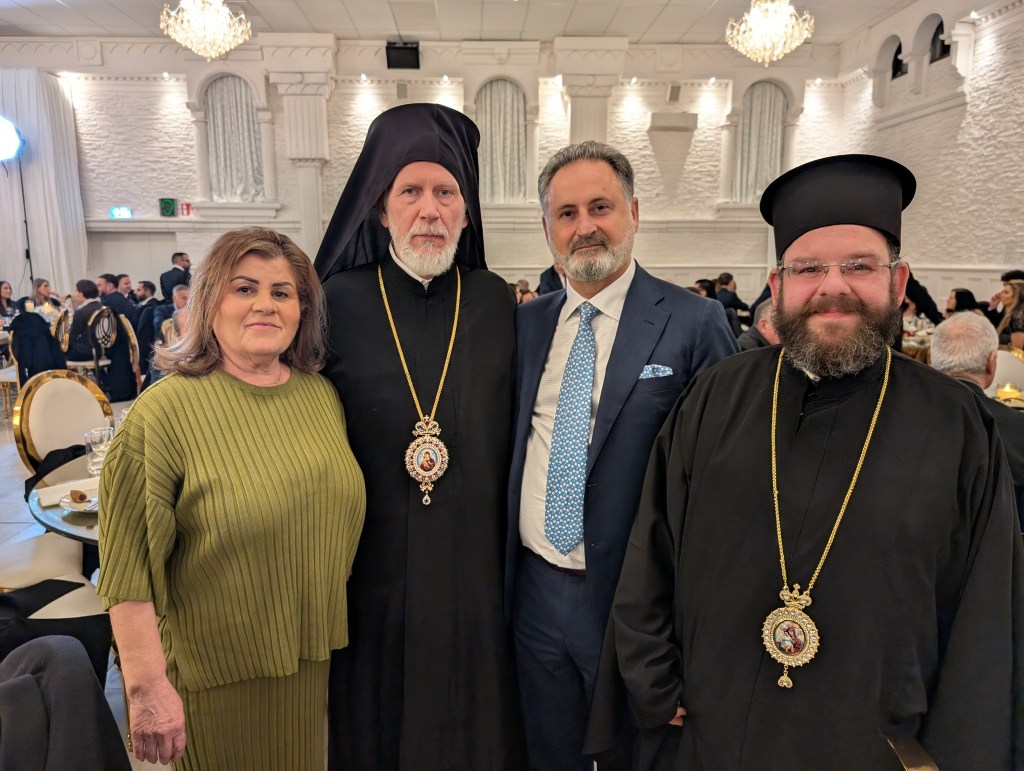
With feelings of joy and honor, we stand before you today to celebrate the completion of thirty blessed years of your episcopal ministry in the embrace of the Syrian Aramean Church and of the flock entrusted to you by God.
Three decades of episcopal service are not merely a number. They are a living testimony of faith, sacrifice, and unceasing offering.
Your work is reflected in churches that have been founded, in communities that have been strengthened, in traditions that have been preserved, but above all in human souls that have found consolation and guidance through your word and your presence.
With wisdom, gentleness, and discernment, you stand beside every person; the joyful and the afflicted, the young who seek direction and the elderly who seek comfort.
Your word—simple yet profound—has the power to touch hearts, to calm spirits, and to inspire a course of a Christocentric life.
Equally significant as your ministry is your character. The kindness that marks every encounter with you and the steadfastness of your principles constitute a living example of a shepherd who does not lead from a distance, but walks together with his flock.
The inspiration you have offered all these years transcends the boundaries of administration and pastoral responsibility.
You inspire unity where there is distance, hope where there is disappointment, faith where there is doubt.
By your example, you teach us that the true strength of the Church lies in love, forgiveness, and unconditional service.
Your Eminence,
Today, along with His Grace Bishop Bartholomew of Elaia, we came to express our joy in having you among us as a supporter and fellow traveler in our joys and our trials, so that in your person may be fulfilled what the Apostle Paul exhorts: “Rejoice with those who rejoice; weep with those who weep.”
Please accept this small gift, together with our heartfelt prayer that the Lord may grant you health, strength, so that you may continue, for many years, to shepherd, to enlighten, and to inspire.
May the grace of our Lord Jesus Christ, and the love of God the Father, and the communion of the Holy Spirit multiply the fruits of your ministry and of your distinguished collaborators, both clergy and laity. Amen!
Θα τελεστεί Θεία Λειτουργία το Σάββατο στις 21 Φεβρουαρίου στις 10 η ώρα, στο Malmö στην Mariakyrkan.
Gudomlig liturgi kommer att genomföras lördagen den 21 februari kl 10:00 i S:ta Maria kyrka, Södervärnsgatan 8, Malmö.
Του Σεβ. Μητροπολίτου Σουηδίας κ. Κλεόπα
Η Παραβολή του Ασώτου (Λουκά 15:11–32) λειτουργεί στην Ορθόδοξη Παράδοση ως σύνοψη του Ευαγγελίου. Η πτώση δεν είναι απλώς ηθική αστοχία, αλλά ρήξη σχέσης, και η μετάνοια δεν είναι αυτοβελτίωση αλλά επιστροφή στην πατρική κοινωνία/επικοινωνία.
Η Πατερική ανάγνωση της παραβολής συναντά τη νεοελληνική ποιητική και μουσική ευαισθησία, όπου το σχήμα «φυγή–ξενιτιά–συντριβή–γυρισμός» αποτελεί κορυφαίο ανθρωπολογικό μοτίβο.
Η υμνογραφία της Κυριακής του Ασώτου θέτει αμέσως το κέντρο βάρους. Ο Άσωτος δεν διαπραγματεύεται δικαιώματα, αλλά προσφεύγει στη φιλανθρωπία.
Το κοντάκιο συμπυκνώνει την κίνηση της επιστροφής: «Της πατρώας δόξης σου… δέξαι με μετανοούντα».
Εδώ το «πατρικό» δεν είναι χώρος, είναι δόξα, δηλαδή τρόπος υπάρξεως, και η απώλειά της σημαίνει απογύμνωση της ύπαρξης. Πατερικά, αυτό διαβάζεται ως απώλεια του «κατ’ εικόνα» βιωματικά, όχι οντολογικά.
Στην Πατερική Παράδοση, ο Άσωτος γίνεται πρωτίστως παιδαγωγία ελπίδας. Ο ιερός Χρυσόστομος αξιοποιεί την παραβολή, για να αποκρούσει την απόγνωση και να φανερώσει τη δυνατότητα επιστροφής. Ο Χριστός διηγείται την παραβολή, για να δείξει άφεση και να μη νικήσει η απελπισία.
Το κρίσιμο θεολογικό σημείο είναι όταν ο Πατέρας τρέχει. Δεν περιμένει πρώτα «ιστορικό» και «εξηγήσεις». Το τρέξιμο αυτό είναι η εικόνα της προλαβαίνουσας χάριτος. Ο Πατέρας ενεργεί ως «πρόσωπο φιλοτιμίας» και όχι ως δικαστής.
Το «εἰς ἑαυτὸν ἐλθών» είναι ίσως η πιο θεολογικά γόνιμη φράση. Δείχνει ότι η μετάνοια αρχίζει ως επιστροφή του νου στην αλήθεια.
Ο Άσωτος δεν «διορθώνεται» για να αξιωθεί πατέρα· επιστρέφει επειδή θυμάται πως έχει Πατέρα. Το «Εἰς ἑαυτὸν ἐλθών» αποτελεί την αυτογνωσία που γεννά θεογνωσία.
Η νεοελληνική ποίηση συχνά διατηρεί το σχήμα της παραβολής, αλλά μετακινεί το βάρος από τη σωτηρία στη συντριβή, από τον πατέρα στην κοινωνία και την ιστορία, από τη βεβαιότητα της αγκαλιάς στην αμφιβολία της υποδοχής, δηλαδή η νεοελληνική γραφή στρέφεται από τη «σωτηριολογική» στην «τραυματική» επιστροφή.
Ο Δροσίνης συλλαμβάνει συχνά το μοτίβο του ανθρώπου που ξεκινά «για τη χερσωμένη χώρα» της ζωής. Χαρακτηριστικοί οι στίχοι του: «Με το ξημέρωμα της νιότης κίνησα / για της ζωής τη χερσωμένη χώρα». Στον Δροσίνη, ο άσωτος είναι ο λυρικός οδοιπόρος της ζωής.
Θεολογικά, όμως, η εικόνα ταιριάζει στην Ορθόδοξη διάγνωση. Ο άνθρωπος δοκιμάζει την αυτάρκεια κι εκεί ανακαλύπτει την πείνα του.
Στον Βάρναλη, το μοτίβο γίνεται πιο οξύ. Η επιστροφή είναι πικρή αυτογνωσία μέσα σ᾽ έναν κόσμο που δεν «τρέχει» να αγκαλιάσει.
Ενδεικτική, σκληρή εικόνα, από συμφραστικό πίνακα λέξεων: «…κι κάτουθέ του ο άσωτος ηλιοβολάει βυθός!» Στον Βάρναλη, ο άσωτος αποτελεί σκοτεινό κοινωνικό βίωμα.
Φιλολογικά, η μεταφορά «ηλιοβολάει βυθός» δίνει μια αντιστροφή. Εκεί που θα περίμενες φως, αναδύεται βυθός. Η πτώση έχει δική της λάμψη.
Θεολογικά, ο στίχος αυτός συνομιλεί με την Πατερική σοφία. Η αμαρτία δεν είναι απλώς «σκοτάδι», έχει και ψευδοφωτισμό, δηλαδή υπόσχεση πληρότητας που καταλήγει σε πείνα.
Ο Καζαντζάκης δεν μας δίνει ένα «καθαρό» ποίημα, με τίτλο «Ο Άσωτος», όμως το αρχέτυπο του «άσωτου» διατρέχει την κοσμοθεωρία του, ιδιαίτερα όπου η επιστροφή δεν είναι ανάπαυση, αλλά συνάντηση με “υπόγειες δυνάμεις” και λογοδοσία στην πατρική γη.
Στον Καζαντζάκη, ο άσωτος ταυτίζεται με τον υπαρξιακό αγώνα, τον μετασχηματισμό και όχι με μια αναδιήγηση.
Θεολογικά, η Παραβολή του Ασώτου κορυφώνεται στη δωρεά («στολή πρώτη», «δακτύλιον», «μόσχος»), ενώ ο Καζαντζακικός οδοιπόρος κορυφώνεται στον αγώνα. Η νεοελληνική γραφή συχνά μετατρέπει τη σωτηριολογία σε τραγωδία ελευθερίας.
Το κοντάκιο της Κυριακής του Ασώτου είναι δομημένο σαν εξομολόγηση. Κατονομάζει την απώλεια, αναλαμβάνει την ευθύνη, προστρέχει στην ευσπλαχνία. Εδώ το «λογοτεχνικό» στοιχείο (η ρητορική, η συμπύκνωση, οι εικόνες) υπηρετεί ένα σκοπό. Να μετατρέψει την αφήγηση σε προσωπικό λόγο.
Στην Ελληνική Παράδοση, το μοτίβο της επιστροφής συνδέεται συχνά με τη μητέρα που κλαίει και με τη στέρηση του οίκου, μοτίβα που μπορούν να διαβαστούν ως λαϊκή «μετάφραση» της παραβολής. Χαρακτηριστικός θρήνος σε δημοτικό τραγούδι: «Τίνος μανούλα θλίβεται, τίνος μανούλα κλαίει».
Φιλολογικά, το δημοτικό τραγούδι δουλεύει με την επανάληψη/επιφώνηση και με το συλλογικό αίσθημα της απώλειας.
Θεολογικά, αυτό φωτίζει τον πόνο της «μακράς χώρας». Η αμαρτία/απομάκρυνση δεν είναι ατομικό επεισόδιο· έχει εκκλησιαστική–κοινοτική διάσταση, πληγώνει σχέσεις.
Το τραγούδι «Ο άσωτος», που συνδέεται συχνά με θεατρικό πλαίσιο, είναι στίχοι του Ιάκωβου Καμπανέλλη, μουσική επένδυση του Σταύρου Ξαρχάκου, και συνδέεται ιστορικά με «Το Μεγάλο μας Τσίρκο» (1973–74) και την πρώτη ερμηνεία της Τζένης Καρέζη.
«Του ασώτου τον γυρισμό θέλω να ιστορήσω»!Φιλολογικά, το τραγούδι παίρνει τη μορφή «ιστορίας», σχεδόν μπαλάντας, και μεταφέρει τον άσωτο από την καθαρά θεολογική σκηνή σε μια σκηνή λαϊκής θέασης: «τον είδα», «τον γυρεύουν», η κοινότητα συμμετέχει. Η παραβολή γίνεται κοινωνικό γεγονός.
Το τραγούδι «Άσωτος υιός» του Νίκου Πορτοκάλογλου αποτυπώνει τον άσωτο ως πρόσωπο που «λείπει», που δεν πατά στο σπίτι. Η επιστροφή είναι ανοιχτή πληγή. «Λες να ταξιδεύει μοναχός, άλλος ένας άσωτος υιός»!
Θεολογικά, εδώ φαίνεται η μετατόπιση της εποχής μας. Δεν είναι δεδομένο ότι ο «οἶκος» είναι ζωντανός, ούτε ότι υπάρχει πατέρας που τρέχει, γι’ αυτό και η εκκλησιαστική ανάγνωση γίνεται ακόμη πιο αντιπολιτισμική, όταν διακηρύσσει βεβαιότητα αγκαλιάς εκεί που η νεωτερικότητα συχνά βιώνει αβεβαιότητα ανήκειν.
Η Πατερική Θεολογία προστατεύει την παραβολή από το να γίνει «ηθικό παραμύθι». Δείχνει ότι είναι πρωτίστως αποκάλυψη του Πατέρα και της χάριτος.
Η νεοελληνική φιλολογία και ποίηση προστατεύει το κήρυγμα από ρητορική αυτάρκεια. Θυμίζει ότι η επιστροφή μπορεί να είναι τραυματική, κοινωνικά δύσκολη, υπαρξιακά αμφίβολη κι έτσι μας αναγκάζει να δούμε καθαρότερα το «σκανδαλώδες» της χάριτος.
Η παράδοση του τραγουδιού (δημοτικό/έντεχνο) δείχνει πως ο άσωτος δεν είναι μόνον «θεολογικός τύπος», είναι μορφή που οργανώνει τη συλλογική μας μνήμη για το σπίτι, τη μάνα και τον πατέρα μας, την ξενιτιά και τον γυρισμό. Η Κυριακή του Ασώτου μάς θυμίζει ότι δεν υπάρχει δρόμος τόσο μακρινός που να μην οδηγεί πίσω στο σπίτι. Δεν υπάρχει πτώση που να νικά την αγάπη του Πατέρα. Το μόνο που χρειάζεται είναι να ανανήψουμε. Κι όσο εμείς κάνουμε ένα βήμα, Εκείνος τρέχει διαρκώς προς εμάς!
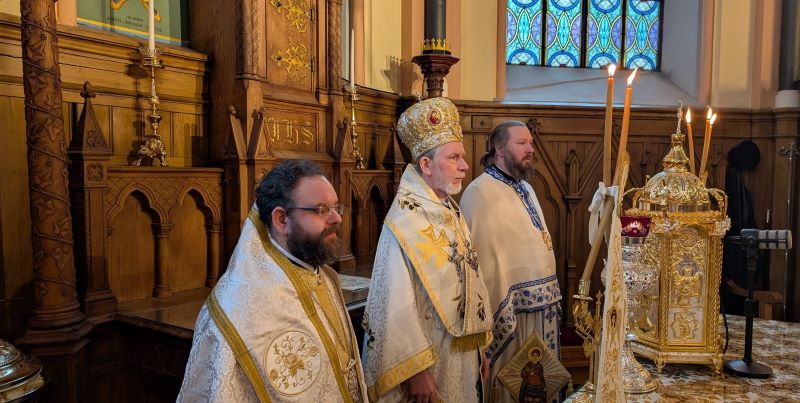
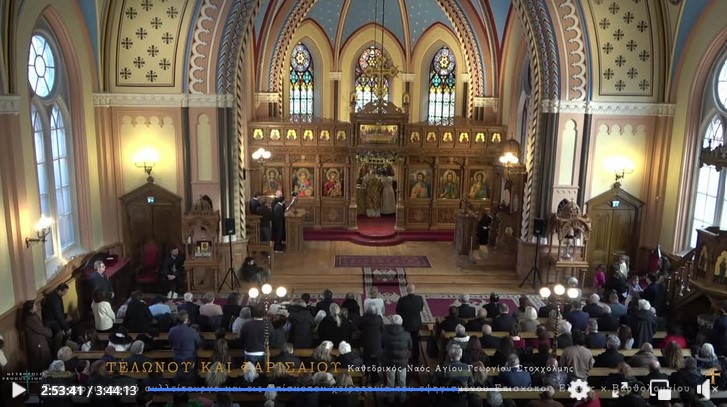
Τρειςαρχιερατικό συλλείτουργο και εις χειροτονία του εψηφισμένου Επισκόπου Ελαίας κ. Βαρθολομαίου.
Καθεδρικός Ναός Αγίου Γεωργίου Στοκχόλμης
 Ελληνική Ορθόδοξη Ενορία Αγίου Ανδρέα Μάλμε