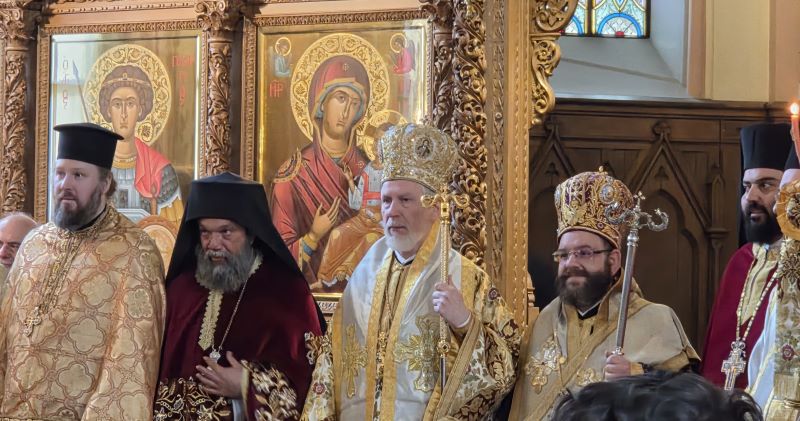
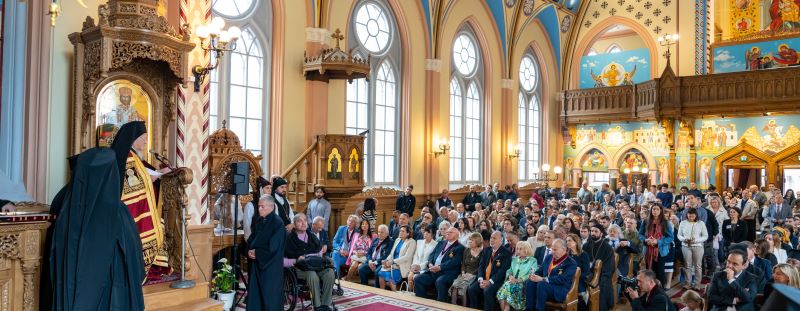
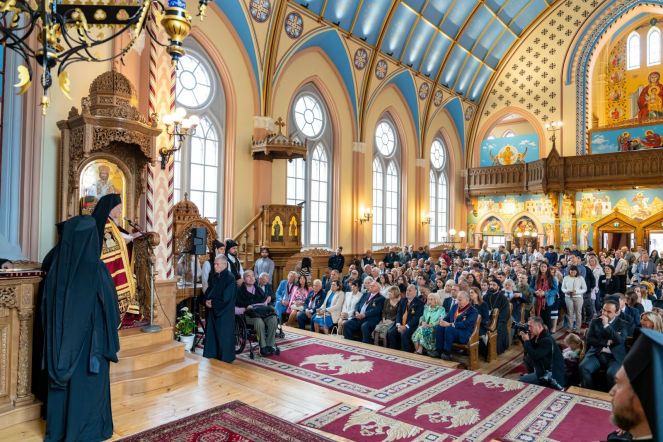
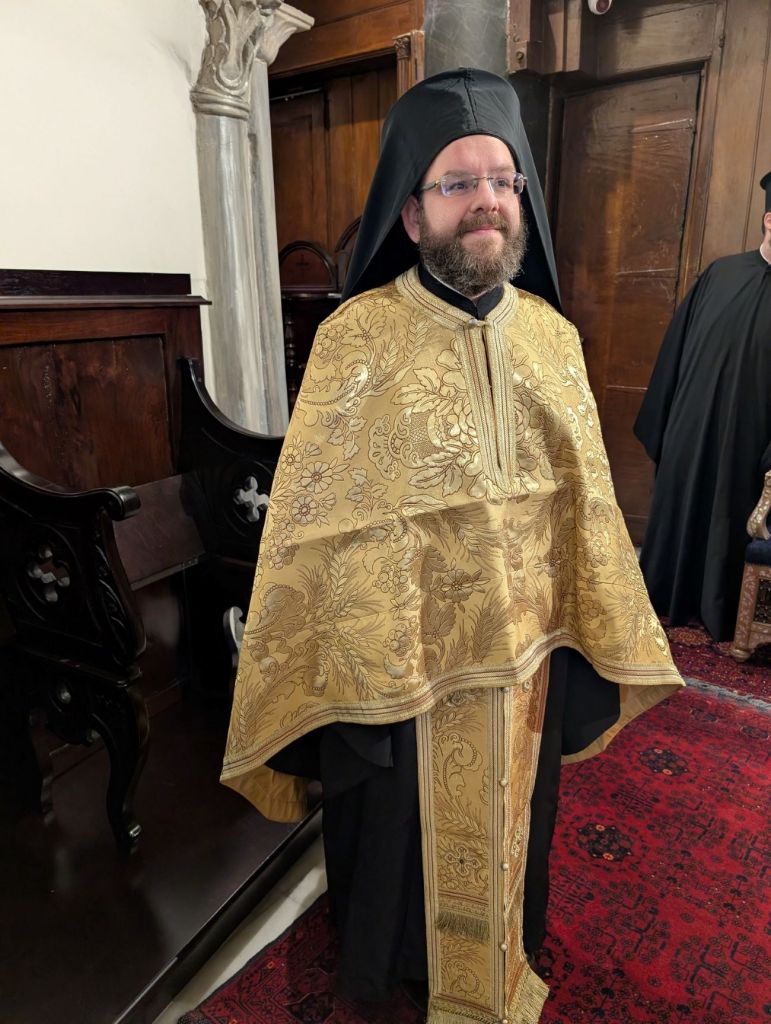
At the beginning of the Triodion season, on Sunday, February 1st, 2026, with the permission and encouragement of His All-Holiness Ecumenical Patriarch Bartholomew, the ordination to the episcopacy of the Most Reverend Bishop-elect Bartholomew of Elaia was celebrated at the Saint George Cathedral of Stockholm.
The service took place in an atmosphere of prayerful devotion, marked by the necessary simplicity, as well as ecclesiastical reverence and dignity.
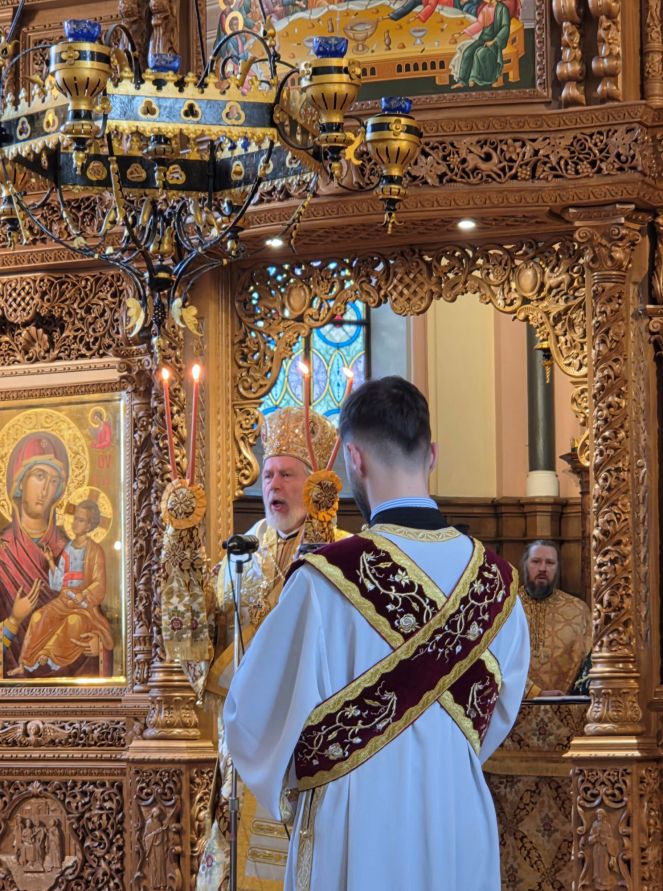
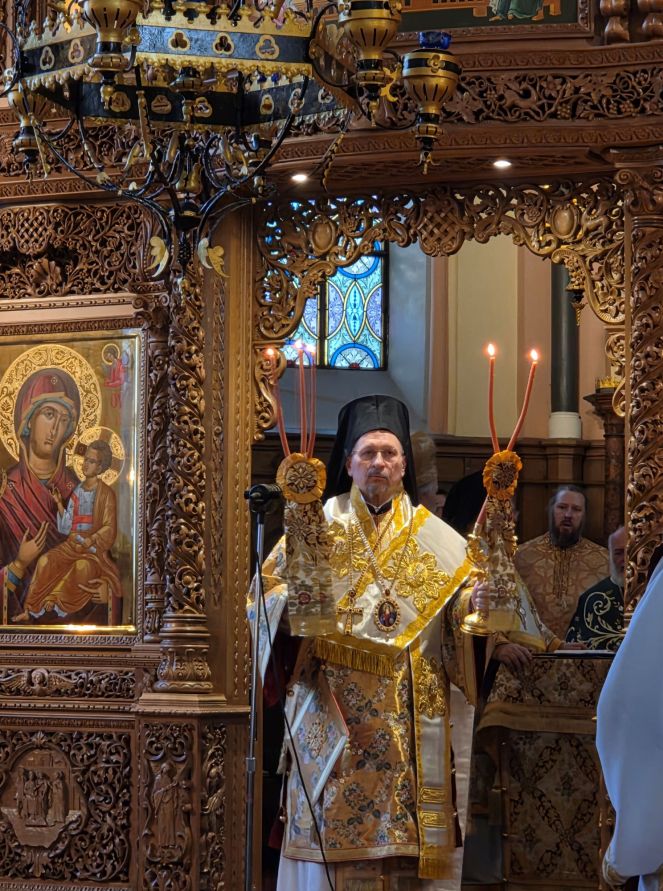
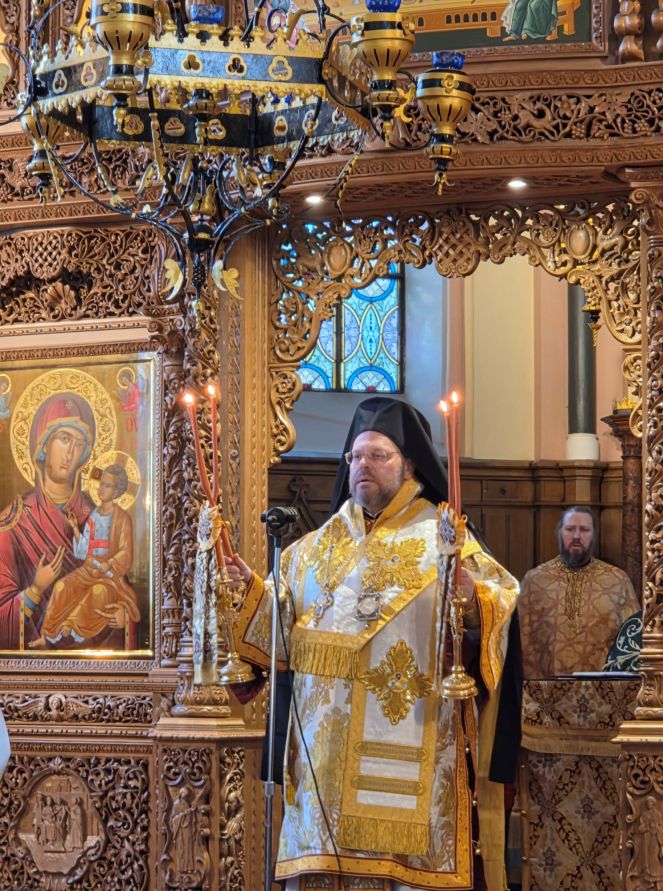
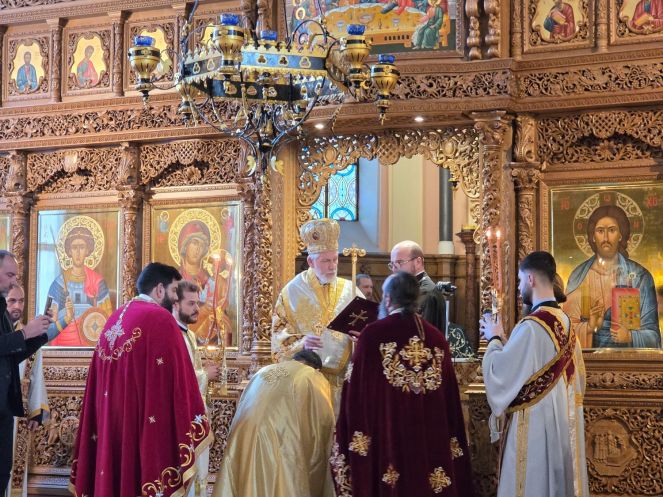
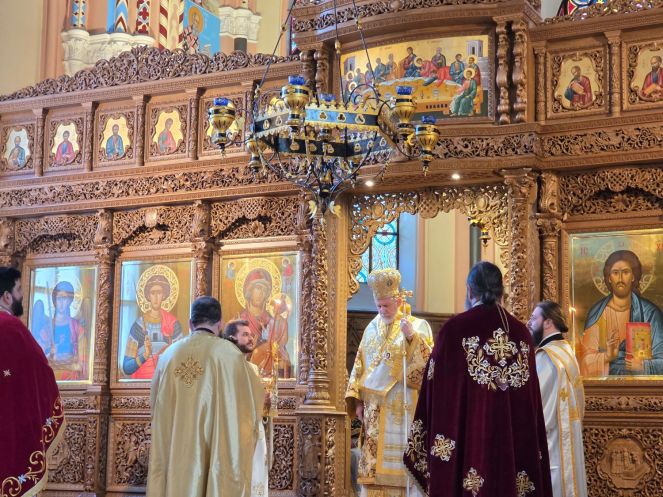
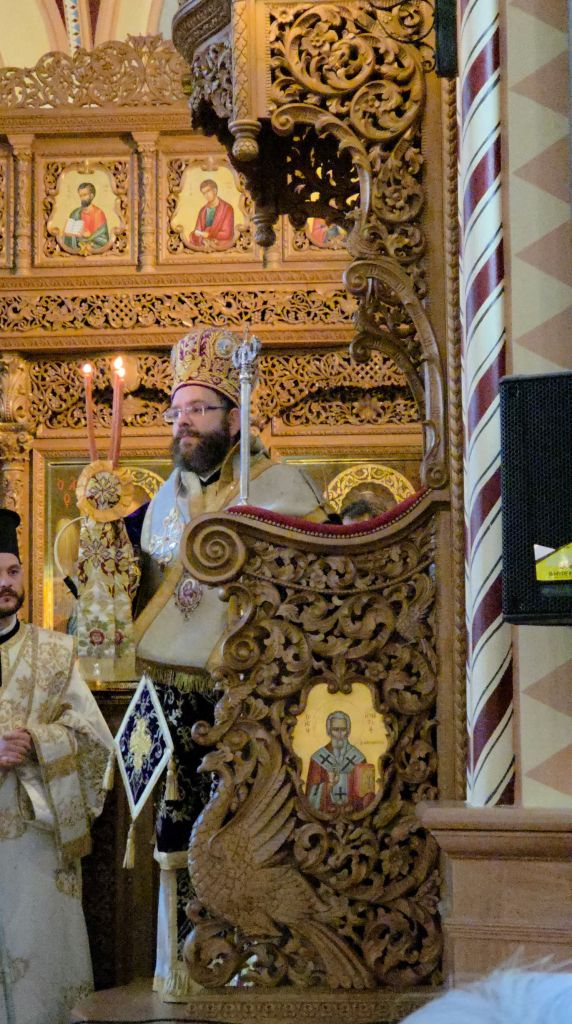
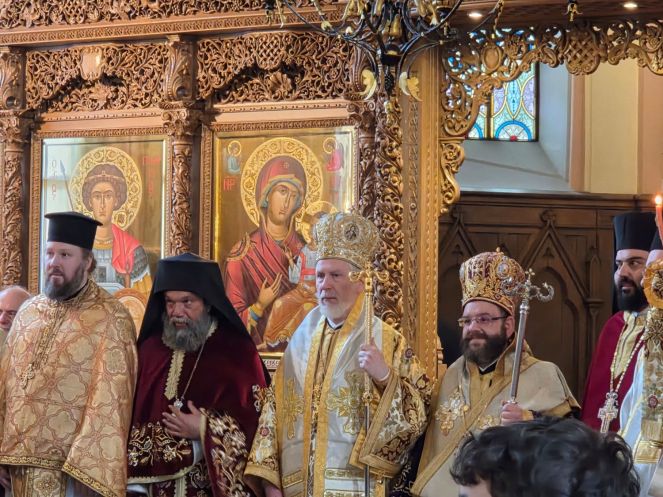
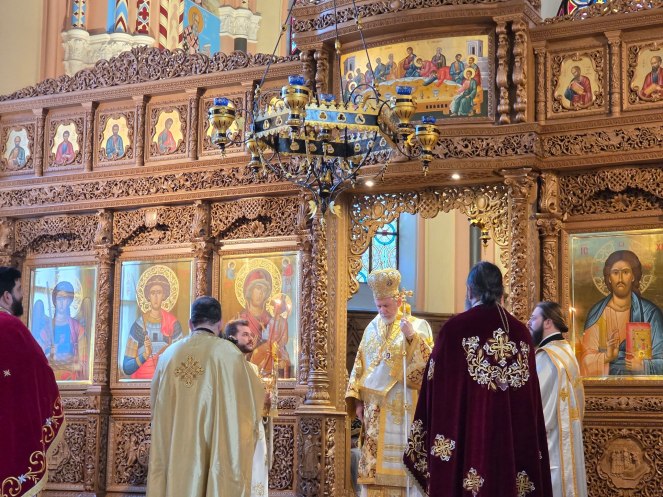
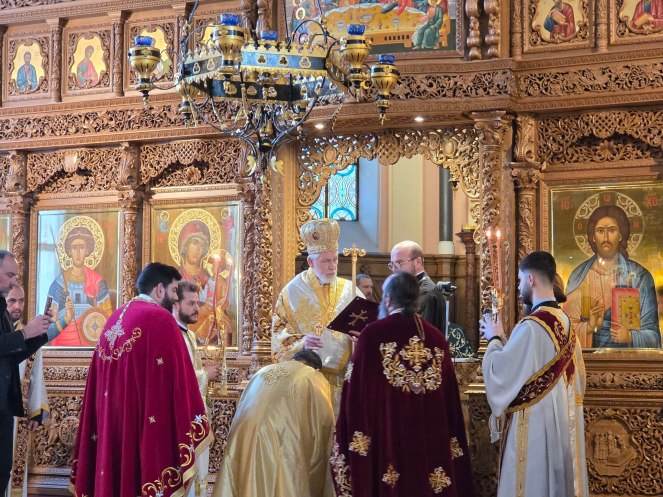
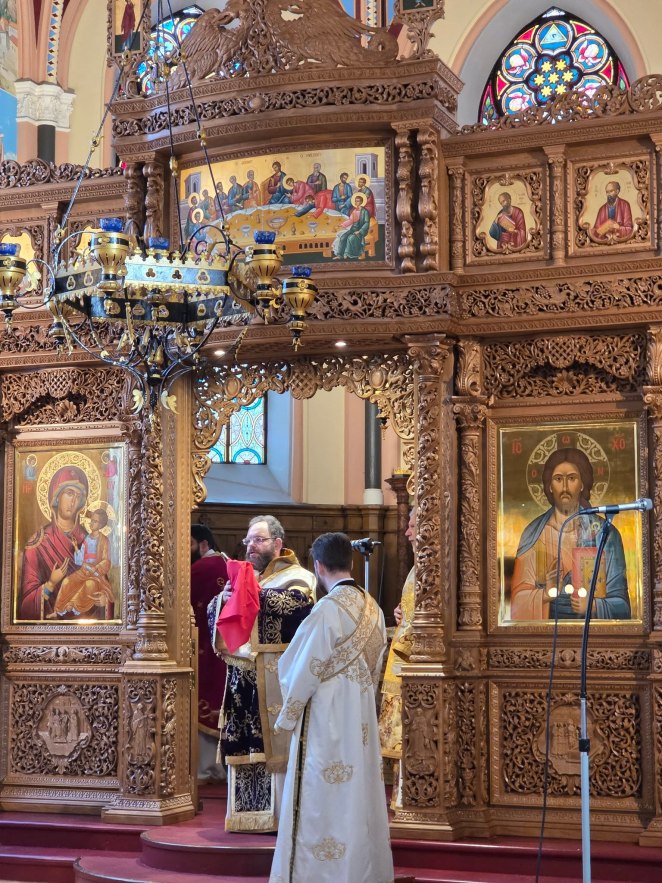
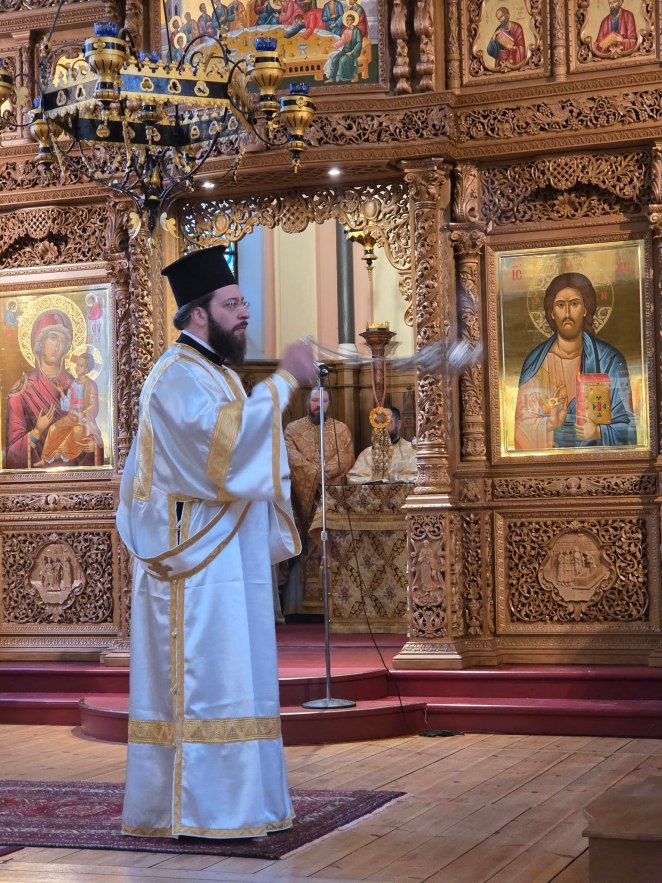
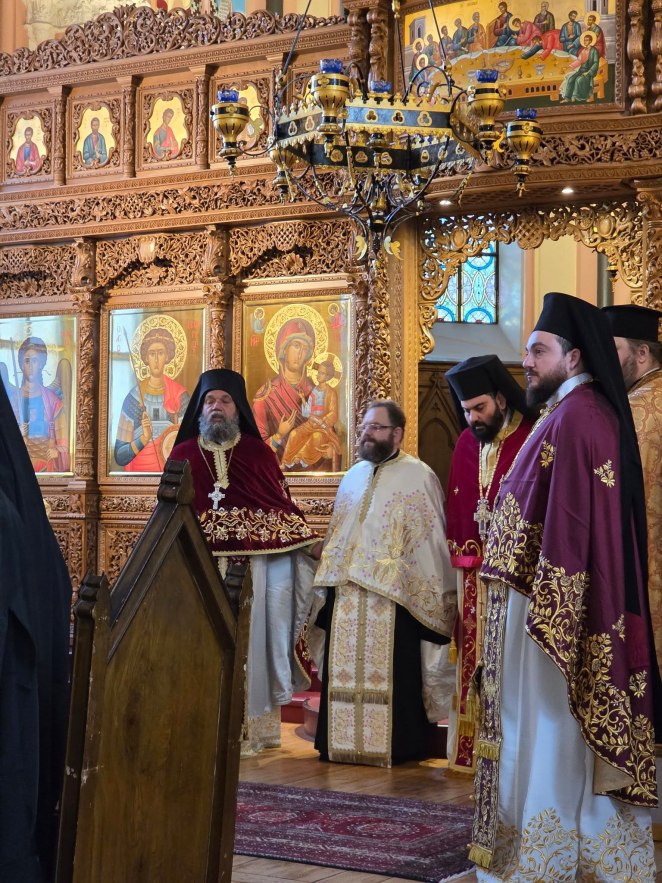
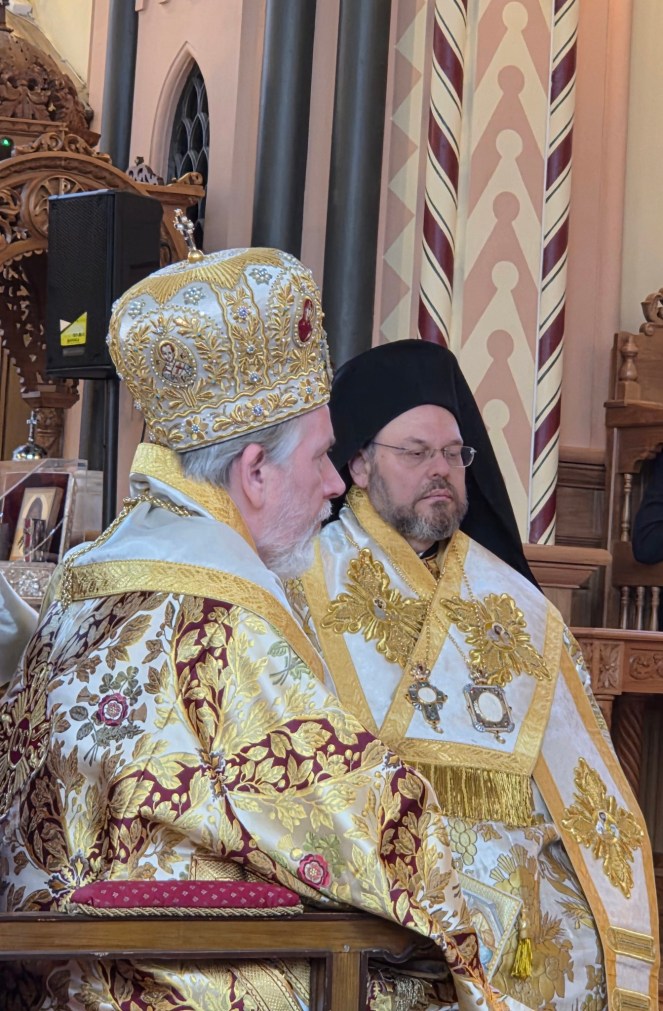
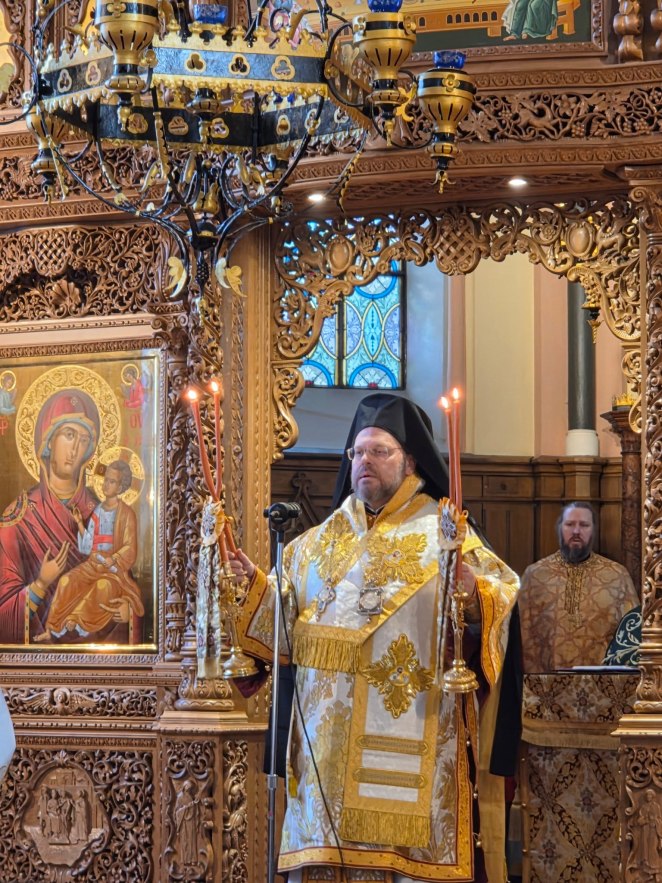
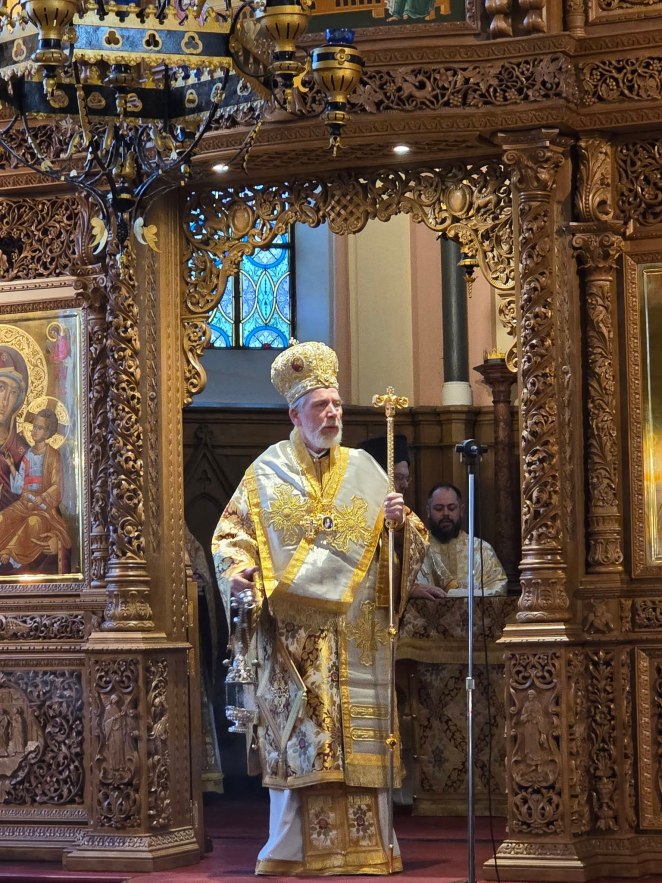
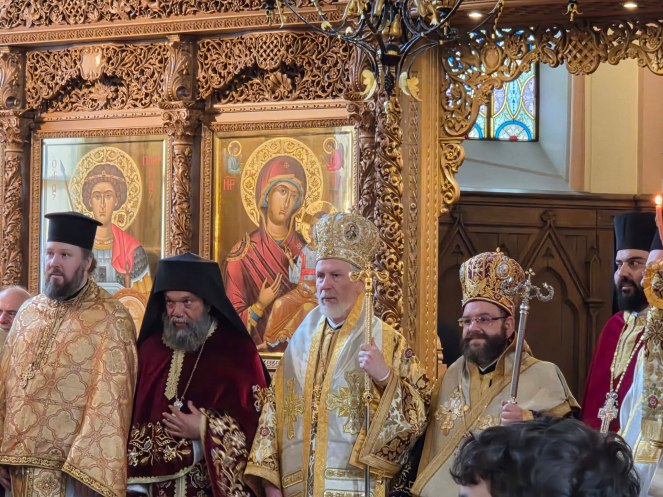
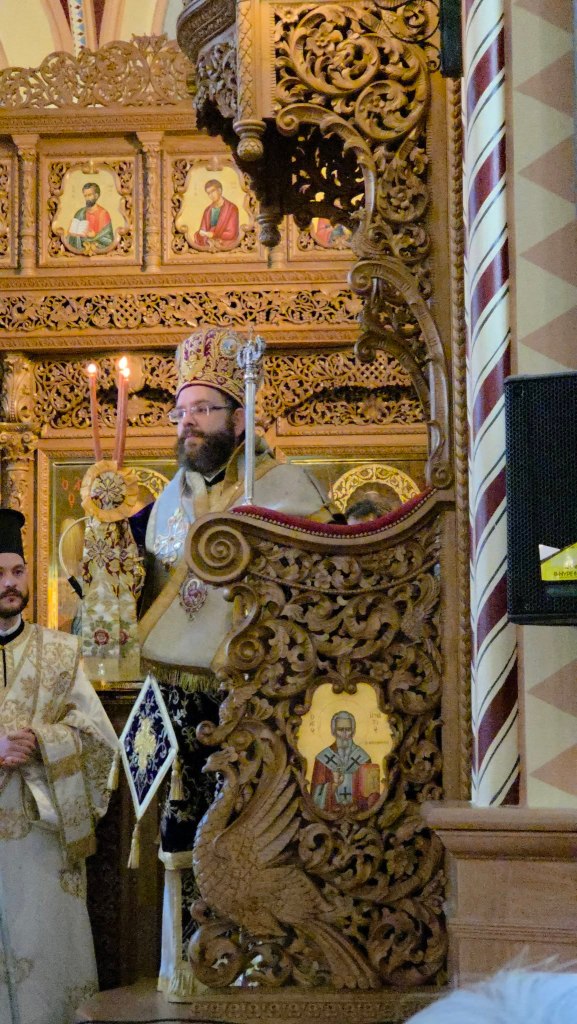
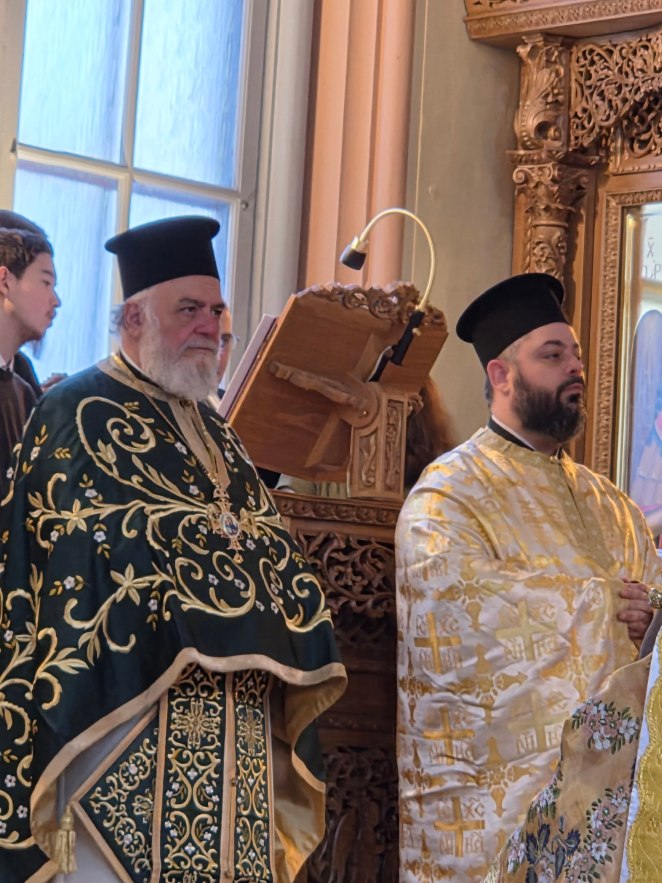
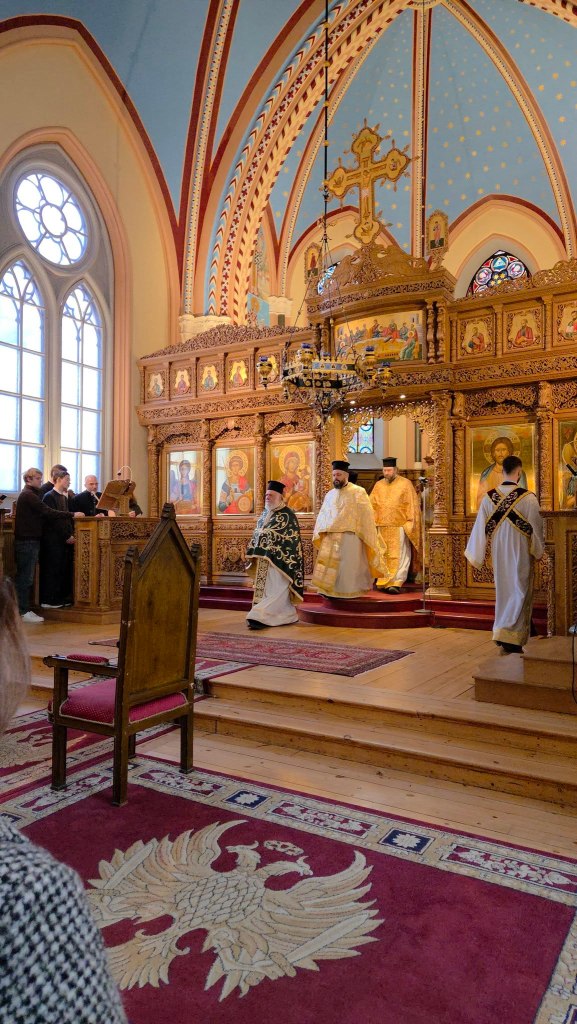
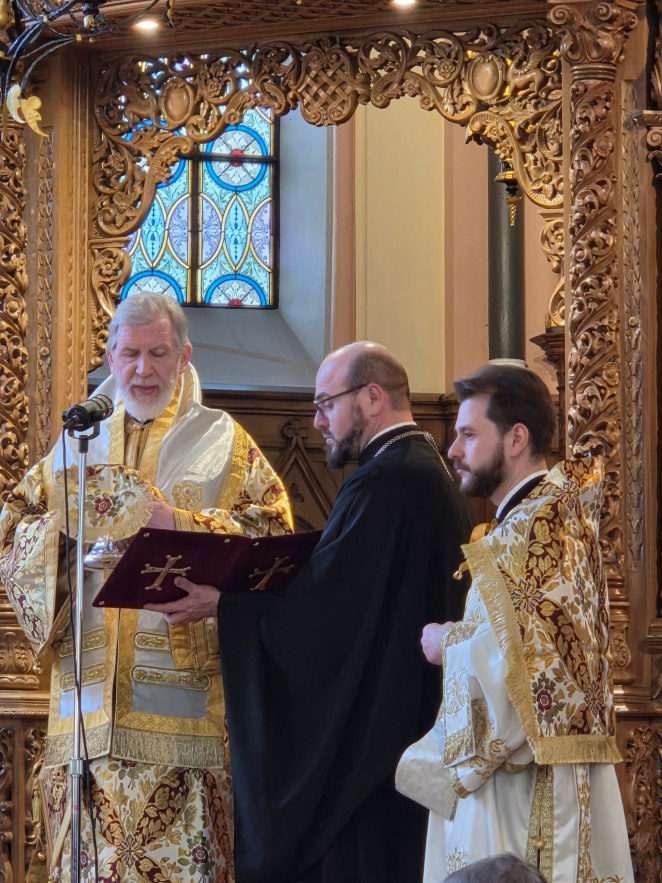
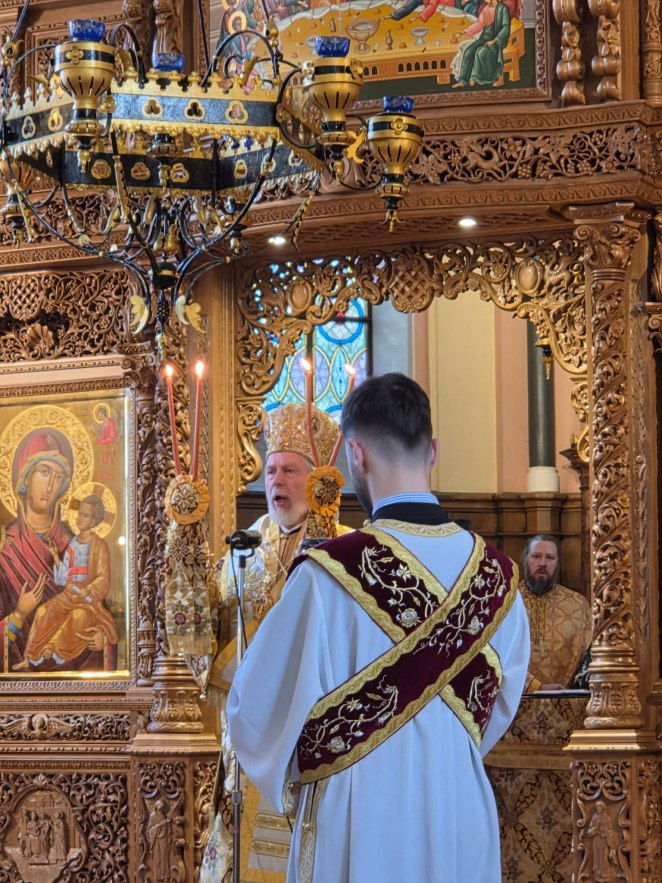
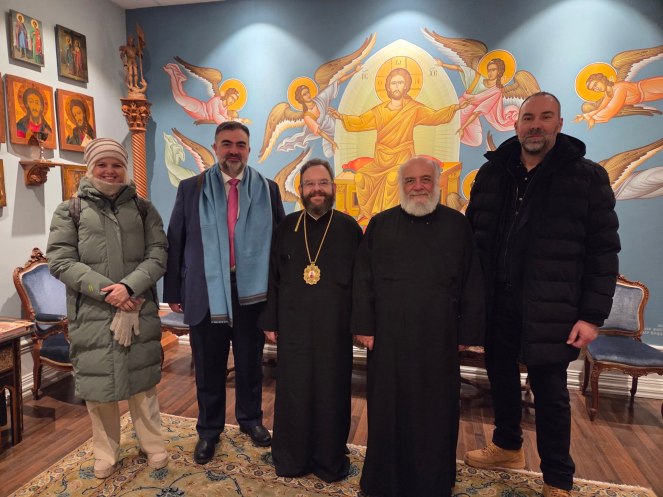
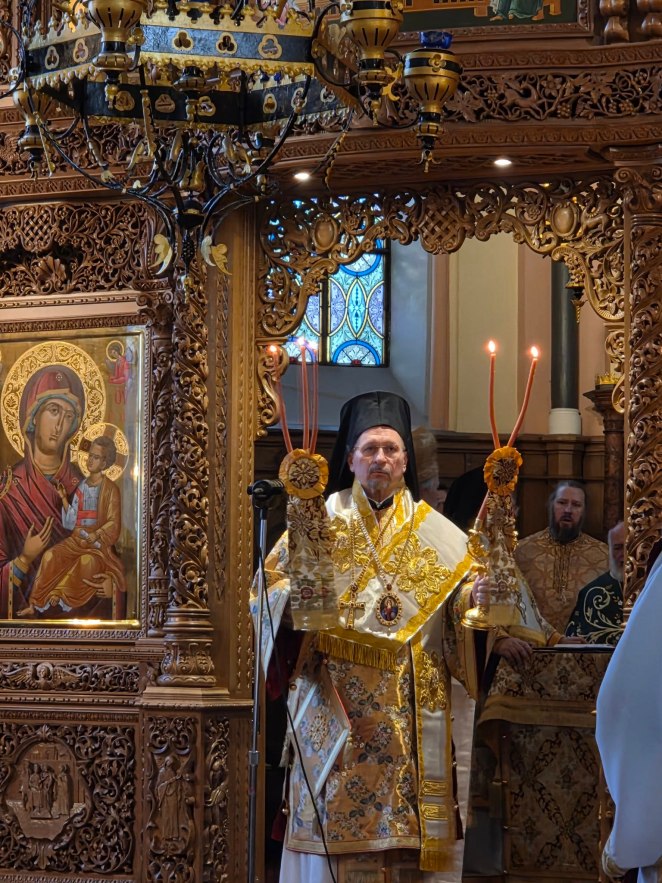
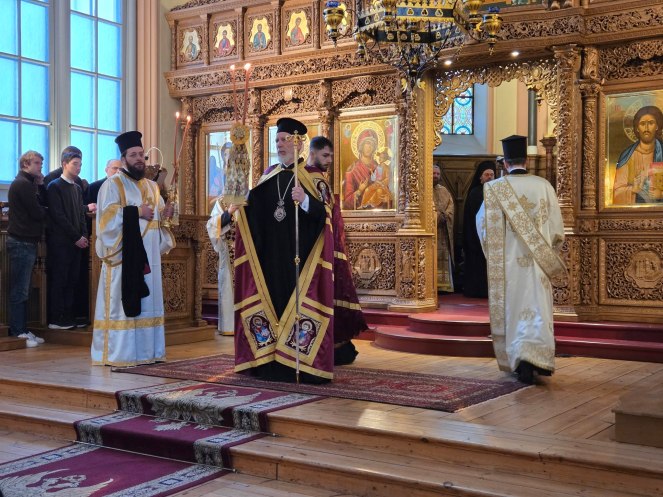
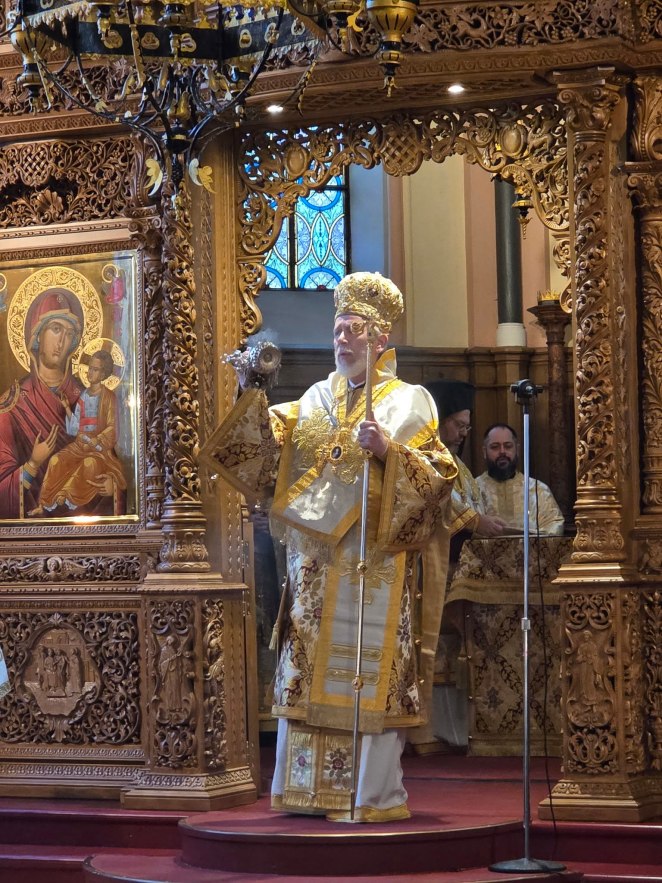
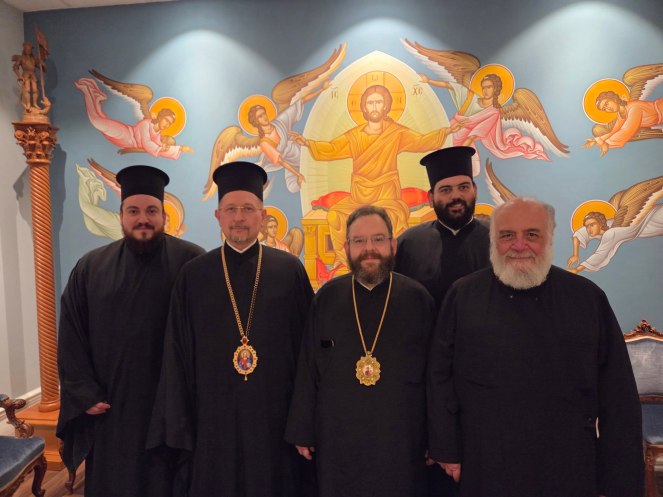
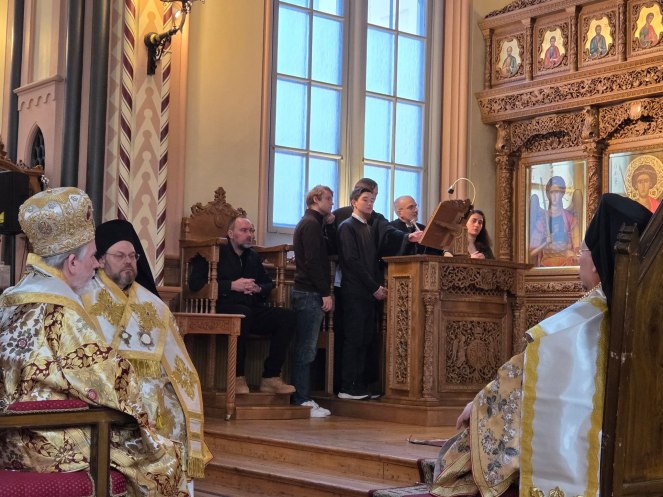
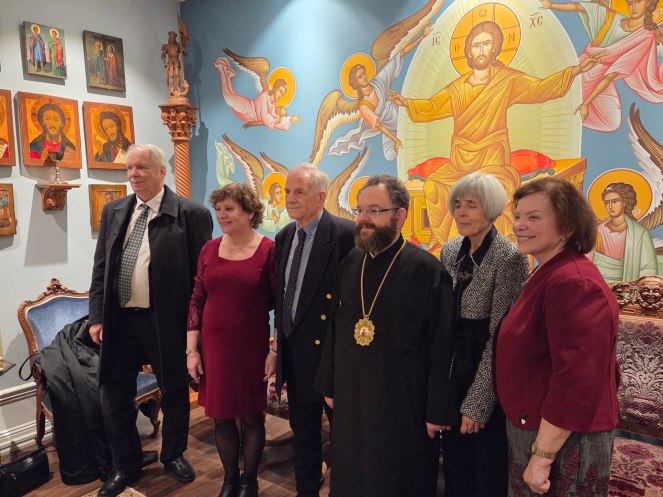
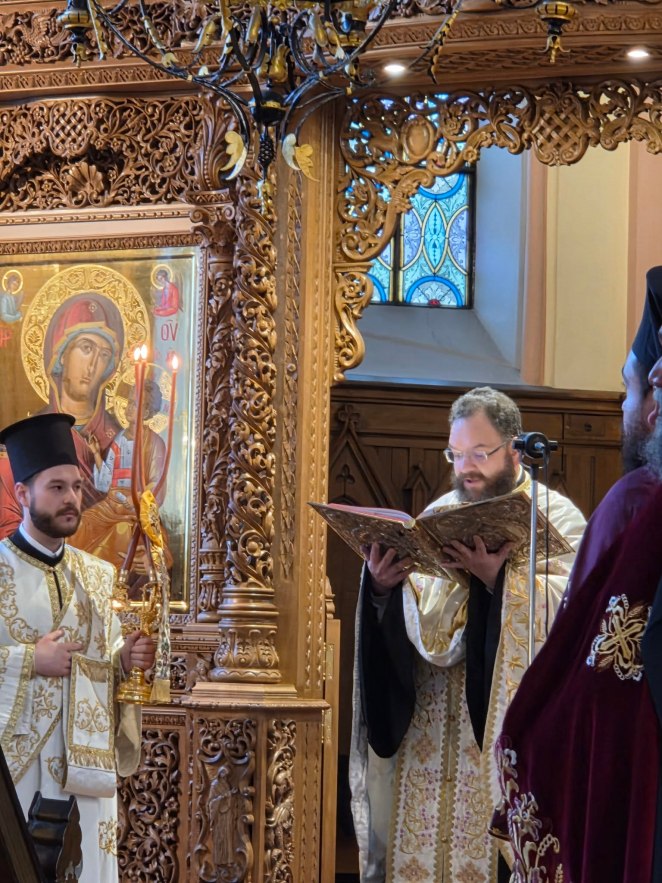
Taking part—besides the presiding local Metropolitan His Eminence Cleopas—were His Eminence Metropolitan Athenagoras of Kydoniai and His Eminence Metropolitan Maximos of Switzerland, together with the following clergy:
the Very Rev. Archimandrite Oikoumenios Markopoulos, clergyman of the Holy Metropolis of Maroneia and Komotini;
the Very Rev. Archimandrite Nektarios Demetropoulos, clergyman of the Holy Metropolis of Maroneia and Komotini;
the Very Rev. Archimandrite Symeon Gavras, clergyman of the Holy Metropolis of Polyani and Kilkis;
the Very Rev. Archimandrite Gabriel Baratasvili, clergyman of the Holy Metropolis of Switzerland;
the Rev. Protopresbyter Lampros Xesfygkis, clergyman of the Holy Archdiocese of Athens;
the Rev. Protopresbyter Georgios Arvanitidis, parish priest of the Saints Demetrios and Nestor parish, Örebro, Sweden;
the Rev. Presbyter Georgios Kanakaris, Presiding Priest of the Annunciation of the Theotokos Metropolitan Church, Oslo, Norway;
the Very Rev. Deacon Evlogios Tsatsas, Codifier of the Holy and Sacred Synod of the Ecumenical Patriarchate;
and the Rev. Hierodeacon Chrysostomos Kotidis, Archdeacon of the Holy Metropolis of Trikki, Gardiki and Pyli.
His Eminence Metropolitan Cleopas of Sweden and All Scandinavia addressed the Bishop-elect, in Greek, English and Swedish, with the following words:
“Your Eminences and Your Graces,
Very Reverend and Reverend Fathers,
Your Excellencies, Ambassadors,
Honorable Archons of the Ecumenical Patriarchate,
Esteemed Chanters,
Beloved Brothers and Sisters in Christ,
With feelings of deep emotion and spiritual joy, we preside over today in the episcopal ordination of His Grace Bishop Bartholomew of Elaia, in the honorable presence and participation of my brotherly friends and fellow hierarchs, His Eminence Metropolitan Athenagoras of Kydoniai and His Eminence Metropolitan Maximos of Switzerland, to whom I express my deepest gratitude for their many years of unwavering support for my unworthiness and for my humble Province.
This sacred moment is not simply a personal milestone for the one being ordained, but an ecclesiastical and historical event that concerns the entire Body of the Church.
Beloved Bartholomew,
Your dedicated priestly ministry at the Saint George Cathedral of Stockholm is a living testimony of pastoral sensitivity and authentic love for the flock of the Mother Church of Constantinople here.
The paternal love of our Patriarch and of the Holy and Sacred Synod of the Ecumenical Patriarchate has elected you Bishop of the historic Diocese of Elaia of Pergamon, whose predecessor was the late Ecumenical Patriarch Demetrios of blessed memory.
Your education and your ecclesiastical ethos constitute precious provisions for your new mission.
With an edifying word and with a disposition for cruciform ministry, continue to remain close to our people in moments of joy and trial, building bonds of trust.
The Church does not seek in the episcopate an administrator of structures, but a shepherd of souls. She does not expect a person of prestige, but a person of sacrifice. She does not await a bearer of authority, but a witness of the love of Christ.
Become ‘all things to all people,’ so that you may heal, build unity, and foster reconciliation. Preserve within you the flame of faith that you received from your good parents, which, guided by its critical disposition, will not hesitate to expose and cauterize certainties that lead to a self-satisfied and established mentality and attitude.
Your duty is your encounter with the other—who in truth is the ‘alter ego’—and an approach to society as a whole without exception, abstaining from fundamentalisms, from rhetoric of hatred and indignity, and from the public shaming of difference.
Christ is the beginning of another movement—of a motion that stands still and of a stillness that is ever in motion, as Saint Maximus the Confessor says.
Let us not forget that out there there is a world waiting: a world that wants to see the Orthodox Church give meaning to life and become the loving bond that holds together societies that are falling apart; a world wounded by hostility and by the breakdown of communion among persons and among Churches.
Are we ready for such a “together”? Might it be, in the end, that after so many years of insisting on the presence of a truth full of self-sufficiency and power, we must seek a God who is ‘without pride,’ as Saint Symeon the New Theologian characterizes Him? (Symeon the New Theologian, Eucharist/Thanksgiving.)
The late Elder Metropolitan Meliton of Chalcedon, wrote: ‘As Church, we are entangled in the course of the human race, in this great adventure that is called History, which leads to the perfection of the last things. By feigning the “yesterday,” we are absent from the “today,” and the “tomorrow” comes without us.’ … ‘Yesterday passed long ago; we do not even live today—tomorrow has already overtaken us.’ (Elder Metropolitan Meliton of Chalcedon, “On Hypocrisy,” Speeches and Homilies, pp. 86–89.)
I pray, Beloved Bartholomew, that you may daily become a fellow-traveller on the Cross-and-Resurrection path of our Lord toward Emmaus, so that your archpastoral ministry may always be timely, contemporary, and fruitful, since ‘Jesus Christ is the same yesterday and today and forever’ (Hebrews 13:8).
Beloved Bartholomew,
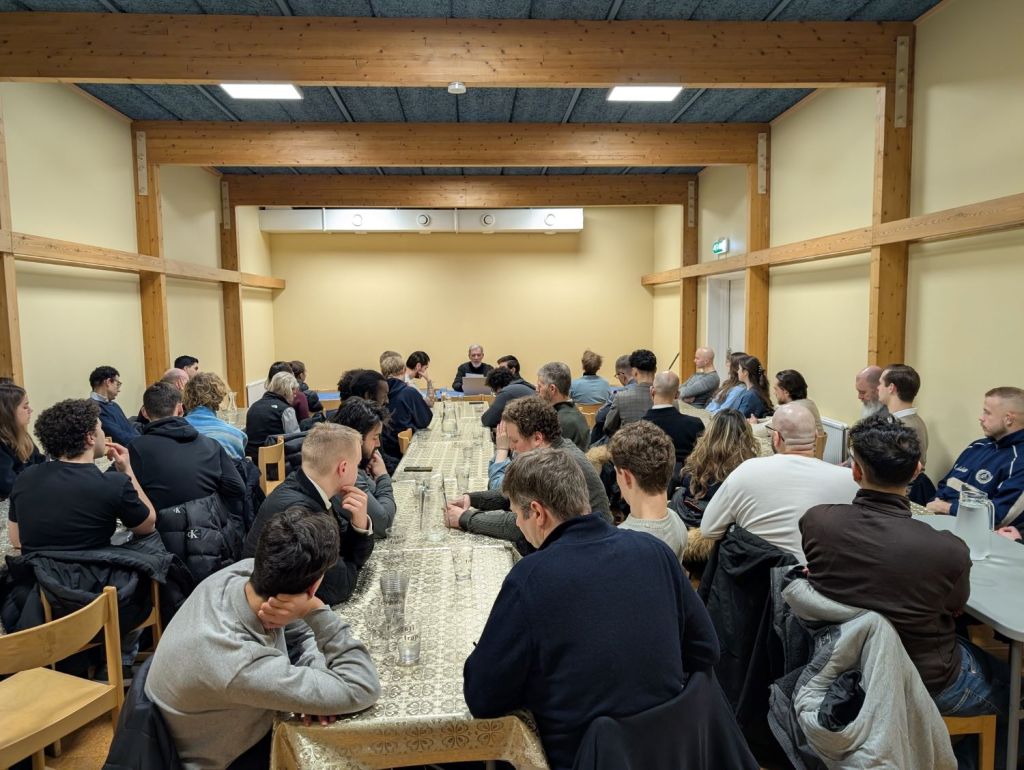
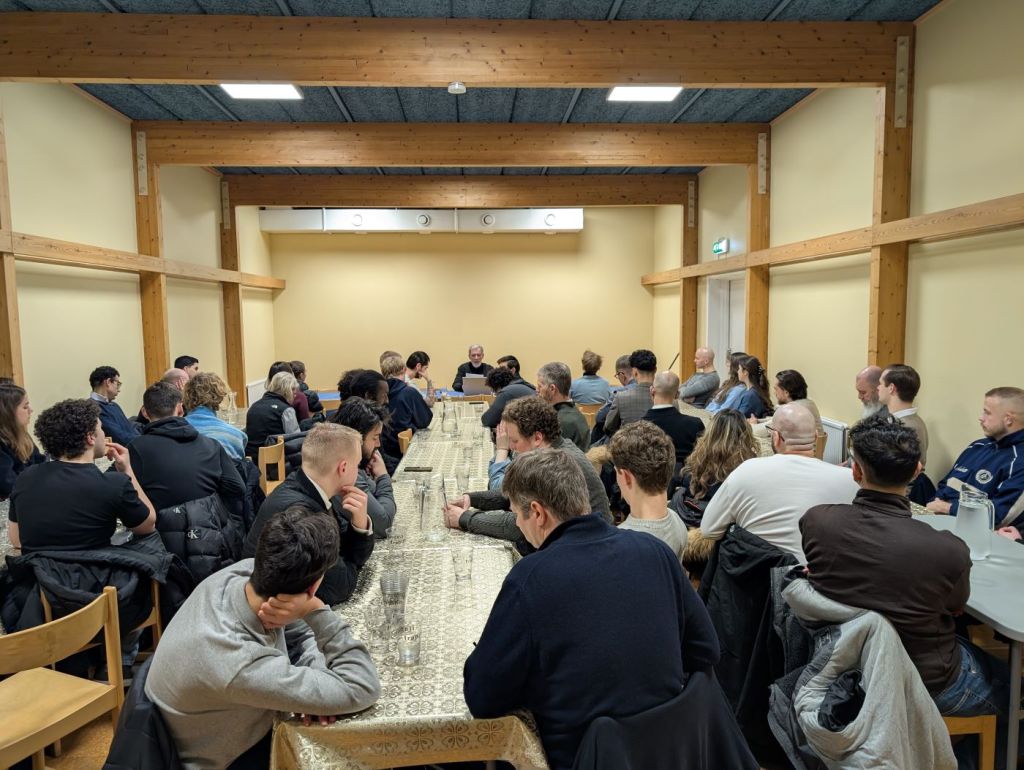
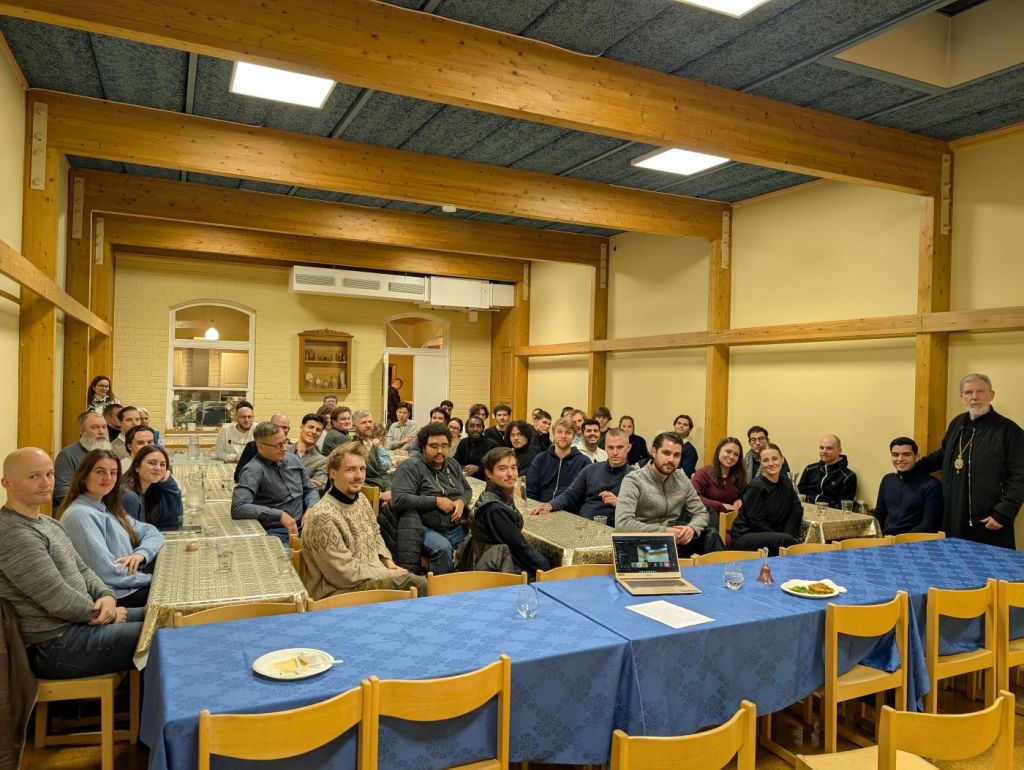
Be mindful of the living witness of our local Church and her pastoral care. Our seminar to the Catechumens who come from diverse ethnic and religious backgrounds, united by a genuine desire to discover the Orthodox faith, is not simply an educational initiative, but an authentic missionary work, faithful to the command of our Lord to preach the Gospel to all nations.
You share personally in this pastoral ministry. May you always carry in your heart these young people who seek spiritual truth with sincerity. Their questions, their presence, remind us vividly of our true responsibility toward the challenges of our time, since the Church exists not for Herself alone, but for the life of the world. She is missionary by her very nature.
In this spirit, we pray that you will be strengthened to serve as a true missionary, able to approach all people, and especially the young, with wisdom, humility, and love.
May the Lord grant Your Grace strength, in every aspect of your episcopal ministry, and may your service bear rich spiritual fruit to the glory of God and the edification of His beloved people.
Må Herren skänka Ers Nåd styrka i varje del av Ert biskopliga ämbete, och må Er tjänst bära rik andlig frukt till Guds ära och till uppbyggelse för Hans älskade folk.»
In his reply, His Grace Bishop Bartholomew of Elaia said the following:
“The Lord has become my helper and protector for salvation; He is my God, and I will glorify Him; He is the God of my father, and I will exalt Him, for He has been glorified exceedingly.”
“Your Eminence, most venerable Shepherd of the God-protected and missionary vessel of the vineyard in Sweden, Norway, Denmark, Iceland, and Greenland—whose root is in the Venerable Centre of Orthodoxy, the Phanar of Constantinople—my deeply respected Elder Cleopas, celebrant of the Mystery of my ordination to the episcopacy,
Very Reverend and Reverend concelebrants,
Your Eminences, holy Hierarchs, co-workers of divine grace and of this Sacrament now being accomplished,
Reverend Deacons,
Honored chanters,
Your Excellencies, the Ambassadors of Greece and Cyprus to Sweden,
Archons and Office-bearers of the Holy Great Church of Christ,
My respected parents, Georgios and Aikaterini,
Beloved children,
My beloved Brethren, parishioners of our Cathedral and devout pilgrims,
At the beginning of this year’s Triodion, following Your Eminence’s request to His All-Holiness Ecumenical Patriarch Bartholomew and the unanimous vote of the Members of the Holy and Sacred Synod of our Ecumenical Patriarchate, having been elected Bishop with the simple title of the once illustrious and most holy historic Diocese of Elaia, I stand at this hour before the Church with fear and trembling, knowing that I have nothing to present before God except my weakness and unworthiness.
Today’s Gospel reading of the Publican and the Pharisee clearly reveals the truth of spiritual life. As Saint John Chrysostom says: ‘God examines not our works, but the disposition of the heart.’
Before the sacrament of the episcopacy, I do not dare to compare myself with anyone or to justify my path. I desire only to stand, like the Publican, with the saving words: ‘O God, be merciful to me, a sinner.’
Saint Isaac the Syrian writes: ‘Humility is the path by which grace descends.’ And Saint Symeon the New Theologian adds: ‘Without contrition of heart, there is no working of the Spirit.’
I know that the episcopacy is not a dignity, but a cross. Saint Gregory the Theologian confesses: ‘I fear the priesthood, as the word of God and the work of angels.’
Therefore today I do not ask to be judged worthy, but to be surrendered to the mercy of God. As Saint Maximus the Confessor teaches: ‘God perfects the weak through grace.’
In our age, when doubt and spiritual confusion prevail, Christ’s mission touches us personally. We are called to continue the Church’s mission with confession of faith and active love; to defend the ‘image of God’ in the human person, especially in the poor, the refugee, and the marginalized; to offer Orthodoxy not as a closed tradition, but as a living witness of life and hope.
With deep emotion and sacred awe, on this most official day, I stand before the holy Altar, called to ascend to the great and fearful office of the Bishop. I confess with the Apostle Paul: ‘No one takes this honour upon himself, but is called by God’ (Heb. 5:4). Yet I tremble before the weight of responsibility, and I rejoice, because ‘the power of God is made perfect in weakness’ (2 Cor. 12:9).
Moved by mixed feelings of doxology to the Triune God, and towards those persons who became co-workers in His work, I begin by offering my gratitude: first, to the Mother Church and Her Venerable Summit of Orthodoxy, His All-Holiness Ecumenical Patriarch Bartholomew, for his fatherly admonitions on the day of the Little Message at the Phanar, and for his affection, recognition, and the sealing of my service in the Church through the joy of my elevation to the highest rank of Bishop.
Next, to You, Your Eminence, Father and Master—the wise helmsman and Shepherd of the First-Throned Church in Scandinavia—for the fatherly trust and love that extended even to proposing my unworthiness to receive the grace of the episcopacy, while at the same time taking upon myself the role of a Simon of Cyrene in your multifaceted and widely acknowledged work within and beyond the borders of our Holy Metropolis, through which our Metropolis has become known throughout the world.
I thank you, our most worthy Shepherd, who ‘in soul and body’ for twelve whole years, literally sleepless at your post, have spent yourself day and night for the spiritual growth of the people of God and for the progress and wellbeing of our entire Diaspora.
Selfless in your intentions, pure in your motives and impulses, you struggle, guide and lead, inspire and direct, and you have succeeded in winning everyone’s respect and love without exception.
Great is the favour of God to our local Church, which granted us you, Your Eminence, as leader and Chief Shepherd—wise man and loving father, well-formed theologian and author of many scholarly works, most capable in the handling of ecclesiastical discourse, illumined and graced by the Holy Spirit—a worthy captain who, with a steady compass toward Golgotha and the Parthenon, leads the noetic ship of our Metropolis to saving pastures and keeps watch, so that we may all be guided to calm harbours. May the Lord remember your sacrifice!
I thank the holy Hierarchs, Members of the Holy and Sacred Synod, for their love, concord, and prayer.
I thank the concelebrating Hierarchs, Their Eminences Metropolitan Athenagoras of Kydoniai and Metropolitan Maximos of Switzerland, not only for their love but also because they undertook the hardship of travel.
For me, His Eminence Metropolitan Athenagoras is above all a man with a true pastoral heart and an authentic Phanariot hierarch, knowledgeable and faithful to the liturgical order of the Holy Great Church of Christ, distinguished not only by his rank, but by the way he stands before every person—with respect, simplicity, and sincere concern.
In his company one feels truly heard. He does not rush to speak, he does not impose himself; he makes space, shows understanding, and speaks when necessary with words weighty and substantial. His manner breathes peace and trust.
His Eminence Metropolitan Maximos, on the other hand, is a person of authority in the theological and ecclesiastical sphere, with a word that bridges Orthodoxy with the contemporary world, presenting a Church open, responsible, and spiritually mature.
His overall ministry bears witness to a shepherd of depth, consistency, and genuine love for the Church and the human person. The presence of both is a very great honour to my unworthiness.
I thank the concelebrating Presbyters and Deacons—many of whom are also my spiritual children—especially for manifesting their love by being present here, as well as those present in prayer, who expressed their sentiments for my unworthiness, either verbally or in writing. May the Lord grant to each according to the desire of his heart!
I thank my spiritual fathers and teachers for their guidance and their examples. Among them, allow me to mention the late Headmaster of the 7th Gymnasium of Ilioupoli, Attica, Konstantinos Banavas, a graduate of the Theological School of Halki and classmate and fellow alumnus of the also late Metropolitan Dionysios of Neapolis and Stavroupoli, who was a support and model in the formation of my ecclesiastical ethos; and his late wife and my teacher, Zoi Nikolaidou, who, as a classical philologist, prepared me for the national examinations.
I also thank my professor at the Law School of Democritus University of Thrace and its Dean, the most learned Mr. Konstantinos Antonopoulos, who introduced me to the field of Public International Law and enabled me to become a Doctor of the School; as well as His Eminence Metropolitan Gregorios of Peristeri, alongside whom—at your urging and with your consent—I am preparing my second doctoral dissertation.
I thank my family, my first school of faith and love; my beloved and deeply respected parents, Georgios and Aikaterini, who proved worthy of their calling as parents, since they never stood as an obstacle to my vocation; on the contrary, they were always a support and a pillar for my decisions. I kiss their hands with gratitude and ask them to pray for my new and high ministry.
I thank His Eminence Metropolitan Damaskinos of Didymoteichon, Orestias and Souflion, who in 1999, when he was then Bishop of Diavleia, introduced me into the holy priesthood and fulfilled my childhood longing, after our acquaintance in the parish of my childhood, Saint Nicholas of Ilioupolis, when the rector and founder of the magnificent new church, Rev. Protopresbyter Ioannis Kyrlakis, whose right hand I kiss with gratitude, led me to meet him.
I thank the late Metropolitan Chrysostomos of Peristerion, the learned hierarch of the Church of Greece and graduate of the Theological School of Halki, who received me into the priestly family of his Metropolis although I had not yet reached the age of twenty, and who breathed into my unworthiness the spirit of devotion to the Mother Church; he also became the cause of my acquaintance and interaction with outstanding learned hierarchs of the First-Throned Church.
Thereafter my steps were led to Thessaly, specifically to the Holy Metropolis of Trikki and Stagoi, when the then shepherd of that Metropolis, now of blessed memory, Metropolitan Alexios, received me into his province and entrusted to me the highly responsible post of his Chancellor from 2003 until 2012.
Then, with his blessing, I received canonical release for two years from the Holy Synod of the Church of Greece and went to Paris, where the shepherd of the Holy Metropolis of France, now Elder Metropolitan Emmanuel of Chalcedon, received me in his God-protected Metropolis and assigned me parish duties at the Saint Stephen Cathedral of Paris, as well as duties as his secretary, while also blessing my pursuit of higher studies at postgraduate level at the École Pratique.
A few months before the end of my release, the election of the then Chancellor of the Holy Metropolis of Xanthi, the V. Rev. Archimandrite Panteleimon, as Metropolitan of Maroneia and Komotini took place; he called me to assist in the multifaceted work he undertook in the sensitive border Metropolis of Thrace, where I served until March 2020.
Then, with his canonical permission and blessing, I received canonical release from the Holy Synod of the Church of Greece for the Holy Metropolis of Sweden and All Scandinavia here, in order to serve beside you as parish priest of the Saint George Cathedral of Stockholm.
I thank the blessed people of God, who supported me with their prayers and teach me what it means to be a living Church. I ask them to shelter me with their prayers, so that I may never live with the mindset of the Pharisee, but with the heart of the Publican, with contrition and a spirit of service.
I invoke the protection of our Lady Theotokos, the intercessions of the Archangels, the holy Great Martyrs George and Demetrios, Nicholas of Myra, Nectarios of Pentapolis in Aegina, and the Equal-to-the-Apostles Constantine and Helen, in the churches of whom I have served, as well as the love of all of you, so that I may carry out this new mission.
Strengthened in Christ who strengthens me, and in the might of His power, and knowing the anxiety and struggle of the martyric Mother Church of Christ ‘always to bring forth from the worst given circumstances the best possible’ (Metropolitan Meliton, Elder of Chalcedon, Speeches and Addresses, “Panselinos” Editions, Karyes, Mount Athos, 1991, p. 96), and also the witness of this missionary province in Scandinavia, reborn from its ashes by you, our Shepherd, I shall proceed to ascend the steps of the holy altar and receive through your precious hands the grace of the episcopacy.
Concluding, I place myself in the mercy of God and in the grace of the All-Holy Spirit, and with humility of heart I await the holy acclamation of the faithful, which will seal the command of God and His Body, so that this new calling may not be only personal, but that all the living members of the same Body of the Lord may become ‘icons of Christ’ in the world, so that Orthodoxy may not be only a relic of the past, but a living power that supports and saves the inhabited world. Amen. Please pray for me!”
The hymns were chanted in Greek and Swedish by volunteer chanters of the Cathedral: Dr. Andreas Selamsis, Dr. Georgios Sidiras, Ms. Eliana Antoniou, Mr. Elias Gergi, Mr. Isak Isaksson, and Mr. Nikolaos Theodoridis.
Also present were the parents of the new Bishop, Mr. and Mrs. Georgios Iatridis; the Archons of the Holy Great Church of Christ, Messrs. Rafail Poumeyrau and Fredrik Styrlander; Her Excellency the Ambassador of Greece to Sweden, Ms. Aikaterini Fountoulaki; His Excellency the Ambassador of Cyprus to Sweden, Mr. Solon Savva; Members of the Metropolis Executive Board Dr. Nikolaos Venizelos, Mr. Rafail Poumeyrau, Ms. Foteini Batsela, and Mr. Nikolaos Kitsios; Members of the Parish Councils of Stockholm and Norway; representatives of Christian Churches and confessions, including the Cardinal of Stockholm, His Eminence Anders Arborelius; His Eminence Archbishop Johhanun Lahdo of the Syrian-Aramean Community of Stockholm; and His Grace Bishop Emeritus Hans-Erik Nordin, representative of His Eminence Archbishop Martin Modéus of Uppsala of the Lutheran Church of Sweden.
The ordination was also attended by members of the Greek community living in Stockholm: Dr. Alexandros Georgiadis and Dr. Vasiliki Kakani; Dr. Benjamin Benjamin and Dr. Katarina Skodra; Dr. Ioannis Rigopoulos and Dr. Aikaterini Tzovla; Dr. Vasiliki Vasila; Dr. Vasileios Sarakatsianos; Mr. and Mrs. Christos Meletis with their daughters Andriana and Sofia (business owners); Mr. and Mrs. Aydin Melkemichel (business owners); Mr. and Mrs. Bengt Svendberg; Mr. and Mrs. Savvas Zorpidis; Mr. and Mrs. Oto Fromell; Mrs. Olga Karapanagiotidou; Mrs. Kyriaki Karapanagiotidou; Ms. Symela Karapanagiotidou; Mr. and Mrs. Georgios Kitsios; Mr. Georgios Tzanis (business owner); and Messrs. Eleftherios Tsengos and Christos Lytridis.
Visitors from Greece also came in order to honor His Grace and convey their congratulations in person: Messrs Christos Oikonomou, Vasileios and Glykeria Alexiou, Vasileios Papagiannis, Vasileios Souliotis, Lampros Zachos, and Athanasios Makrygiannis.
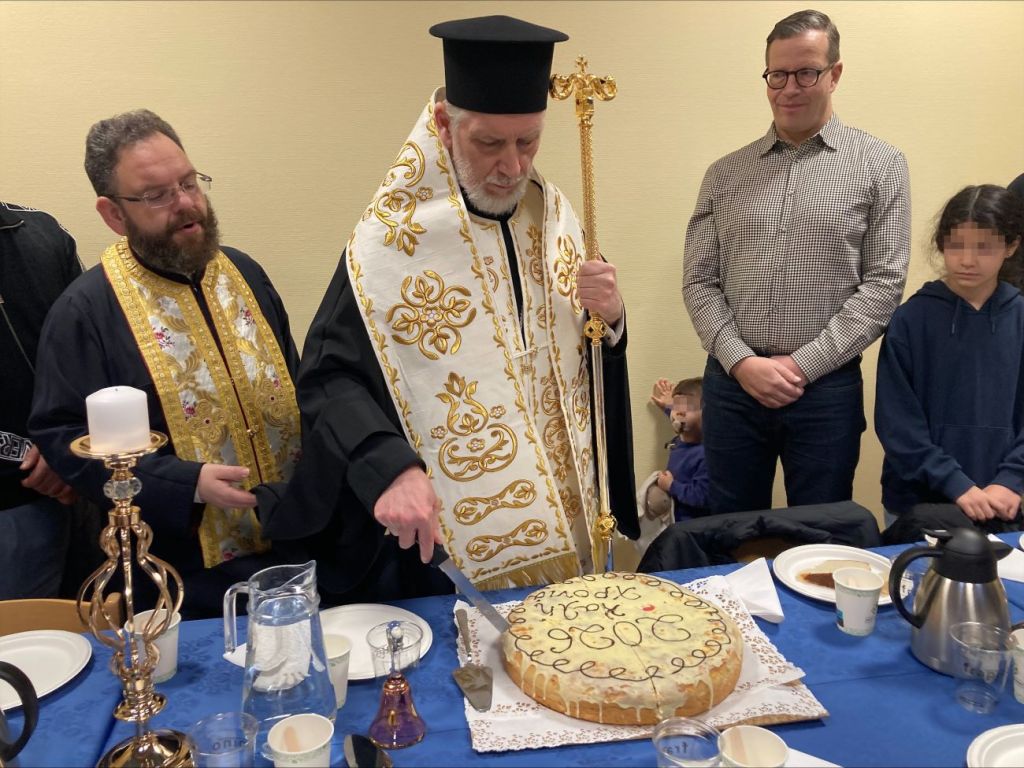
At the conclusion of the Divine Liturgy, the newly ordained Bishop distributed the bread/antidoron and received the congratulations of the faithful.
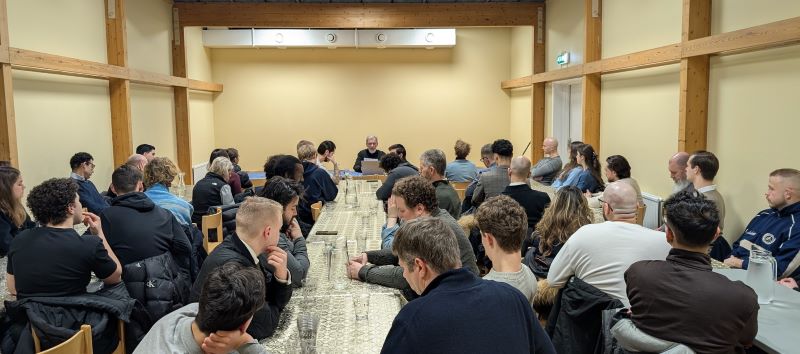
Afterwards, in the Cathedral Fellowship Hall, an official luncheon was offered in honor of the dignitaries and those who had come from abroad, a gift from the family of Mr. and Mrs. Christos Meletis.
On the same evening, the Holy Metropolis of Sweden and its Hierarch, His Eminence Cleopas, hosted a dinner at a local restaurant in honor of the newly elected Bishop and his guests from abroad.
The following day, February 2nd, 2026, His Grace celebrated the Divine Liturgy at the Cathedral of Stockholm together with the visiting clergy, and later that afternoon, the family of Mr. George Vavoulidis offered a dinner at the premises of the aforementioned Cathedral.










 Ελληνική Ορθόδοξη Ενορία Αγίου Ανδρέα Μάλμε